In the high-stakes environment of urban development and industrial maintenance, the distinction between bulk earthmoving and surgical earth removal defines the success or failure of a project. Traditional mechanical excavation, while undeniably efficient for mass-scale trenching in greenfield sites, presents a significant risk profile when introduced to brownfield environments or dense utility corridors. The fundamental issue lies in the transfer of kinetic energy; a steel bucket tooth applies localized, high-magnitude force that cannot distinguish between compacted clay and a high-voltage conduit. In contrast, vacuum excavation and hydrovac systems utilize fluid or air kinetics to displace soil at the particle level, offering a non-destructive alternative that is rapidly becoming the industry standard for risk mitigation.
The Hidden Dangers of Mechanical Digging in Utility Corridors
The reliance on mechanical shovels for trenching near sensitive assets often leads to what the industry terms ‘blind strikes.’ Even with accurate utility locating, the physical width of a standard bucket and the blind spots inherent in heavy machinery operation create a margin of error that is often too wide for modern fiber-optic or gas networks. Research from the Common Ground Alliance (CGA) consistently highlights that excavation damage is a leading cause of utility failure, often due to improper excavation practices rather than lack of locating. By shifting to suction-based technology, operators can adhere to vacuum excavation safety best practices to prevent accidents, ensuring that the integrity of the surrounding soil remains intact while the target asset is safely exposed.
Fluid Kinetics and the Physics of Soil Displacement
To truly grasp the superiority of hydrovac in sensitive areas, one must analyze the science behind hydrovac technology and its impact on soil safety. Unlike the shearing action of a metal blade, pressurized water or air breaks the bond between soil particles without generating the impact force necessary to pierce plastic, copper, or steel conduits. This is particularly vital when preparing a borehole in areas where high-interference zones make traditional radar mapping unreliable. While a standard excavator might cause a catastrophic failure, a suction truck gently ‘washes’ the soil away, providing a clear visual confirmation of underground assets before any structural damage occurs.
Why do standard excavators still lead to more utility strikes despite advanced mapping?
The answer lies in the ‘mapping-to-machine’ gap. While mapping tools like GPR provide a blueprint, the physical execution by a standard excavator lacks the feedback loop required for micro-adjustments. When a bucket encounters resistance, the operator cannot immediately tell if it is a large stone or a concrete-encased duct bank. Conversely, a hydrovac operator sees the obstruction as soon as the water clears the debris. For those working in high-density environments, learning the best way to dig near high voltage cables without a strike is not just about safety; it is about operational continuity. If you are managing a complex utility project, we invite you to connect with our technical team to evaluate the optimal equipment for your specific soil conditions and risk profile. Utilizing how vacuum excavators transform trenching projects effectively can reduce downtime and eliminate the exorbitant costs associated with utility repairs and service outages.
Stop Suction Loss When Digging in Heavy Clay
One of the most persistent challenges in precision excavation is the transition from permeable sandy loams to cohesive, high-plasticity clays. Many operators find that as the clay content increases, the efficiency of the vacuum system plummet. This occurs because wet clay creates a semi-viscous seal around the suction nozzle, drastically reducing the volumetric flow rate of air. If you find that why your hydrovac pump is losing suction in wet clay is becoming a daily operational bottleneck, the solution often lies in adjusting the air-to-water ratio. By utilizing specialized nozzles and 4 tricks for faster hydrovac digging in heavy clay, such as oscillating the water stream to prevent ‘clogging’ at the source, you can maintain high production rates without increasing the risk of utility damage. High-density clay requires a delicate balance; too much pressure can lead to soil heave, while too little leads to mechanical stalling.
Manage High-Altitude Power Drops and Seal Failures
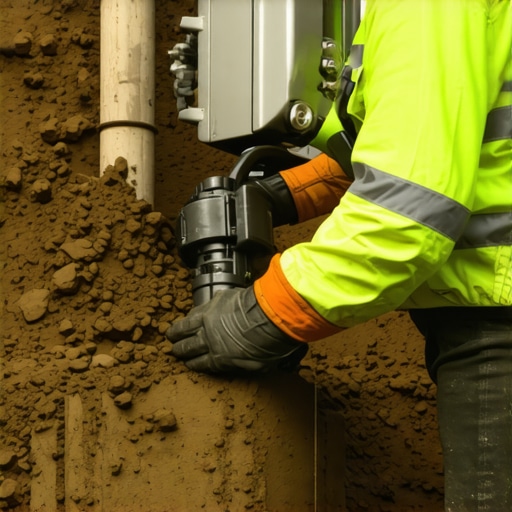
Environmental variables often dictate the mechanical threshold of vacuum equipment. At higher elevations, the decrease in atmospheric pressure directly impacts the performance of the vacuum blower, leading to a noticeable drop in lifting capacity. Expert operators must account for why your vacuum pump loses power at high altitudes 2 by recalibrating their expectations for deep-lift projects. Furthermore, temperature fluctuations at these altitudes can lead to material fatigue in the equipment. For instance, why cold weather makes your vacuum pump seals fail is often linked to the contraction of elastomeric compounds, which can lead to air leaks that further degrade suction efficiency. Maintaining a thermal baseline for your equipment and selecting seals rated for extreme temperature deltas is critical for maintaining uptime in mountainous or northern climates.
Can high-pressure water actually degrade the structural integrity of old cast-iron pipes?
While hydrovac is non-destructive compared to a backhoe, an expert must consider the ‘impingement velocity’ of the water jet on aged infrastructure. Research and guidelines from the National Utility Locating Contractors Association (NULCA) emphasize that while water is safer than steel, excessive pressures—exceeding 3,000 PSI—can potentially strip protective coatings or erode graphitized cast iron in vintage utility networks. The key is to match the pressure to the specific asset being exposed. This level of nuance is why how to keep utility lines safe in urban alleyways remains a specialized skill set; it requires the operator to be a technician of soil mechanics, not just a machine driver. Over-pressurization can also lead to secondary issues, such as why your drill mud is vanishing into the formation when working in porous or fractured geological layers, leading to lost circulation and increased project costs.
Prevent Pavement Sinkholes After the Job is Done
The job doesn’t end when the utility is exposed; the restoration of the soil’s structural integrity is equally vital. Improper backfilling is the leading cause of post-excavation settlement, which manifests as unsightly and dangerous pavement dips. Mastering the move that prevents pavement sinkholes after utility repairs involves using flowable fill or meticulously compacted engineered aggregate rather than simply dumping the excavated slurry back into the hole. For those looking to dive deeper into the logistical complexities of site restoration, we recommend exploring our insights on how vacuum excavators transform trenching projects to see how integrated debris management simplifies the backfill process. If you are currently facing challenges with soil stability or unexpected ground movement on your site, consider reaching out to a specialist to discuss site-specific mitigation strategies.
Turn Your Waste Stream into a Cost-Saving Strategy
One of the most overlooked operational overheads in large-scale vacuum excavation is the logistical nightmare of slurry management. When you use high-pressure water to displace soil, you aren’t just moving dirt; you are creating a liquid waste product that is heavy, expensive to transport, and subject to strict environmental regulations. Many project managers fail to account for the ‘bulking factor’—where 10 cubic yards of in-situ soil can balloon into 15 or 20 cubic yards of slurry. To mitigate this, advanced operators are increasingly turning to on-site dewatering systems and centrifugal separators. These technologies allow for the immediate separation of solids from liquids, often permitting the water to be recycled back into the excavation process or discharged into sanitary sewers after basic filtration. 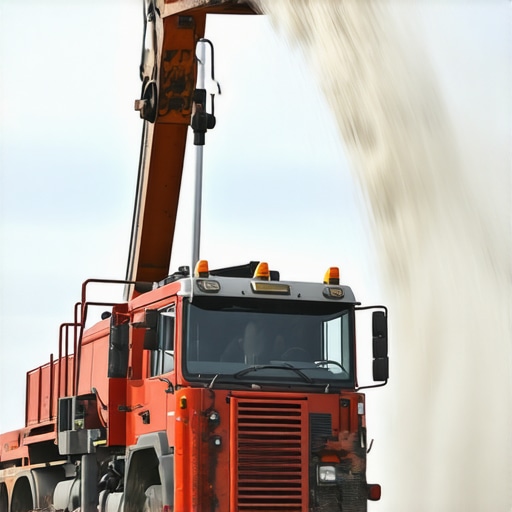 Reducing the weight of the material being hauled to the landfill doesn’t just lower fuel costs; it fundamentally changes the economics of the project by increasing the ‘on-bottom’ time of the vacuum truck.
Silence the Blower to Avoid Urban Work Stoppages
Working in high-density residential areas or near hospital zones introduces a variable that mechanical excavators rarely face: acoustic footprint. The high-pitched whine of a positive displacement blower can reach levels that trigger immediate noise ordinance violations, leading to costly work stoppages. Modernizing your fleet with tri-lobe blowers and advanced decibel-attenuating shrouds is no longer an optional upgrade; it is a prerequisite for urban contracting. Beyond the mechanical components, the strategy of ‘acoustic positioning’—using the truck body itself as a sound barrier between the blower and the sensitive receptor—can reduce perceived noise levels by several decibels. This level of tactical planning ensures that precision excavation remains a viable solution for midnight utility repairs in noise-sensitive districts.
Does the chemical makeup of hydrovac slurry require hazardous waste permits?
This is a critical concern when working in brownfield sites or near industrial runoff zones. According to the U.S. Environmental Protection Agency (EPA), the classification of excavation waste depends entirely on the ‘characterization’ of the soil before it is mixed with water. If you are excavating in an area with known heavy metal contamination or hydrocarbon plumes, your slurry may be classified as hazardous waste, significantly increasing disposal fees. Professional operators must perform due diligence via Phase I Environmental Site Assessments (ESA) to determine if specialized disposal protocols are required. Ignoring these chemical markers can lead to massive fines and environmental liability that far outweighs the cost of the initial excavation. If you’re unsure about the regulatory requirements for your next site, reach out for a professional consultation on waste characterization and disposal logistics.
Master the Art of Multi-Phase Suction in Saturated Soils
When the water table is high, the physics of vacuuming change from a simple air-conveyance model to a multi-phase flow challenge. Saturated soils act differently under vacuum; the presence of groundwater can actually assist in ‘lubricating’ the soil particles, making them easier to extract, but it also increases the risk of ‘slumping’ in the trench walls. To maintain a clean vertical cut in these conditions, operators must utilize a ‘top-down’ suction technique, where the air flow is carefully balanced to prevent the vacuum from pulling in the surrounding water table too quickly. This prevents the formation of a ‘cone of depression’ that could undermine nearby structures or pavements. Achieving this level of control requires an intimate understanding of soil pore pressure and its relationship to the atmospheric lift provided by the vacuum unit…
Keep Your Site Dry by Choosing Air Over Water
While hydro-based systems dominate the market, the strategic deployment of pneumatic (air-based) vacuum excavation offers a distinct advantage when immediate backfilling is a project requirement. Water-based excavation creates a slurry that must be hauled away, but air-knives utilize high-velocity compressed air to break the soil into its original dry constituent parts. This allows the excavated material to remain on-site for reuse, drastically slashing the logistical costs associated with material disposal. This is particularly critical in remote environments where the ‘dead-haul’ distance to a disposal facility would otherwise erode the project’s profit margins. Furthermore, in regions prone to frost heave, introducing water into the subgrade can compromise the structural integrity of the surrounding soil; pneumatic displacement avoids this risk entirely by maintaining the natural moisture balance of the strata.
Why Structural Ballast Demands the Precision of Air-Knives
Working within railway corridors or near bridge abutments requires a level of caution that exceeds standard utility protection. Mechanical digging can easily displace the carefully graded ballast or structural fill that supports these heavy-load assets. In these scenarios, the use of suction-based technology is often the only permissible method. By stripping away soil without disturbing the interlocking nature of the surrounding aggregate, engineers can maintain the load-bearing capacity of the site while performing necessary inspections. Adhering to the ASCE 38-22 Standard for investigating existing utilities ensures that the data gathered through these non-destructive means is integrated into the project’s digital twin, providing a high-confidence map that reduces future liability for all stakeholders.
Is there a physical ceiling for suction-based excavation depth?
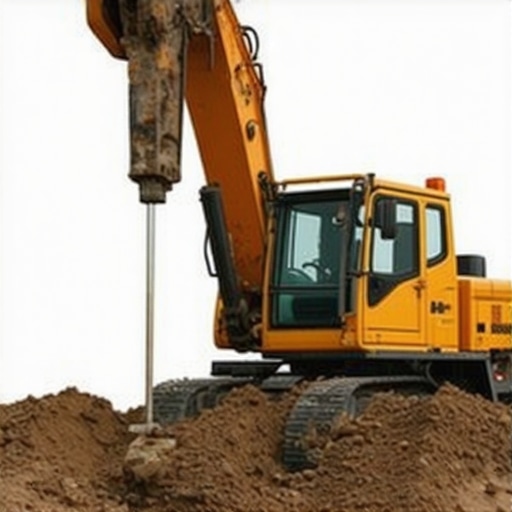
The efficiency of a vacuum system is fundamentally tethered to the local atmospheric pressure. In theory, a perfect vacuum can lift water approximately 33.9 feet at sea level; however, in a real-world excavation setting where air, soil, and water are mixed, the practical limit for a standard positive displacement blower is often reached between 25 and 30 feet. Once you exceed these depths, the weight of the material column exceeds the ‘lift’ capacity of the air stream, leading to surging and eventual stalling. To overcome this vertical wall, specialized operators utilize ‘staged lifts’ or auxiliary air-injection systems at the nozzle to reduce the density of the column, effectively aerating the material to keep it moving against gravity. This specialized knowledge is the difference between a stalled project and a successful deep-shaft utility tie-in.
Preventing Surface Subsidence Near Sensitive Rail Corridors
The risk of localized subsidence is a constant shadow over urban excavation projects. Even when the utility itself isn’t struck, the ‘over-excavation’ or slumping of the trench walls can lead to the loss of side-support for adjacent pavements or foundations. When working in saturated or sandy soils, the ‘flow’ of the material into the suction nozzle must be metered with extreme precision to avoid creating a subterranean void that is larger than the surface footprint of the dig. Advanced operators monitor the volumetric ratio of the material being removed; if the amount of soil in the tank exceeds the volume of the visible hole, it is a clear indicator that the surrounding ground is migrating toward the vacuum. To master these nuances, we invite you to consult with our site engineers who can provide a detailed risk assessment for high-consequence environments. Implementing these sophisticated monitoring protocols is essential for protecting both the public and your corporate reputation during complex infrastructure upgrades.
In the high-stakes environment of urban development and industrial maintenance, the distinction between bulk earthmoving and surgical earth removal defines the success or failure of a project. Traditional mechanical excavation, while undeniably efficient for mass-scale trenching in greenfield sites, presents a significant risk profile when introduced to brownfield environments or dense utility corridors. The fundamental issue lies in the transfer of kinetic energy; a steel bucket tooth applies localized, high-magnitude force that cannot distinguish between compacted clay and a high-voltage conduit. In contrast, vacuum excavation and hydrovac systems utilize fluid or air kinetics to displace soil at the particle level, offering a non-destructive alternative that is rapidly becoming the industry standard for risk mitigation.
The Hidden Dangers of Mechanical Digging in Utility Corridors
The reliance on mechanical shovels for trenching near sensitive assets often leads to what the industry terms ‘blind strikes.’ Even with accurate utility locating, the physical width of a standard bucket and the blind spots inherent in heavy machinery operation create a margin of error that is often too wide for modern fiber-optic or gas networks. Research from the Common Ground Alliance (CGA) consistently highlights that excavation damage is a leading cause of utility failure, often due to improper excavation practices rather than lack of locating. By shifting to suction-based technology, operators can adhere to vacuum excavation safety best practices to prevent accidents, ensuring that the integrity of the surrounding soil remains intact while the target asset is safely exposed.
Fluid Kinetics and the Physics of Soil Displacement
To truly grasp the superiority of hydrovac in sensitive areas, one must analyze the science behind hydrovac technology and its impact on soil safety. Unlike the shearing action of a metal blade, pressurized water or air breaks the bond between soil particles without generating the impact force necessary to pierce plastic, copper, or steel conduits. This is particularly vital when preparing a borehole in areas where high-interference zones make traditional radar mapping unreliable. While a standard excavator might cause a catastrophic failure, a suction truck gently ‘washes’ the soil away, providing a clear visual confirmation of underground assets before any structural damage occurs.
Why do standard excavators still lead to more utility strikes despite advanced mapping?
The answer lies in the ‘mapping-to-machine’ gap. While mapping tools like GPR provide a blueprint, the physical execution by a standard excavator lacks the feedback loop required for micro-adjustments. When a bucket encounters resistance, the operator cannot immediately tell if it is a large stone or a concrete-encased duct bank. Conversely, a hydrovac operator sees the obstruction as soon as the water clears the debris. For those working in high-density environments, learning the best way to dig near high voltage cables without a strike is not just about safety; it is about operational continuity. If you are managing a complex utility project, we invite you to connect with our technical team to evaluate the optimal equipment for your specific soil conditions and risk profile. Utilizing how vacuum excavators transform trenching projects effectively can reduce downtime and eliminate the exorbitant costs associated with utility repairs and service outages.
Stop Suction Loss When Digging in Heavy Clay
One of the most persistent challenges in precision excavation is the transition from permeable sandy loams to cohesive, high-plasticity clays. Many operators find that as the clay content increases, the efficiency of the vacuum system plummet. This occurs because wet clay creates a semi-viscous seal around the suction nozzle, drastically reducing the volumetric flow rate of air. If you find that why your hydrovac pump is losing suction in wet clay is becoming a daily operational bottleneck, the solution often lies in adjusting the air-to-water ratio. By utilizing specialized nozzles and 4 tricks for faster hydrovac digging in heavy clay, such as oscillating the water stream to prevent ‘clogging’ at the source, you can maintain high production rates without increasing the risk of utility damage. High-density clay requires a delicate balance; too much pressure can lead to soil heave, while too little leads to mechanical stalling.
Manage High-Altitude Power Drops and Seal Failures
Environmental variables often dictate the mechanical threshold of vacuum equipment. At higher elevations, the decrease in atmospheric pressure directly impacts the performance of the vacuum blower, leading to a noticeable drop in lifting capacity. Expert operators must account for why your vacuum pump loses power at high altitudes 2 by recalibrating their expectations for deep-lift projects. Furthermore, temperature fluctuations at these altitudes can lead to material fatigue in the equipment. For instance, why cold weather makes your vacuum pump seals fail is often linked to the contraction of elastomeric compounds, which can lead to air leaks that further degrade suction efficiency. Maintaining a thermal baseline for your equipment and selecting seals rated for extreme temperature deltas is critical for maintaining uptime in mountainous or northern climates.
Can high-pressure water actually degrade the structural integrity of old cast-iron pipes?
While hydrovac is non-destructive compared to a backhoe, an expert must consider the ‘impingement velocity’ of the water jet on aged infrastructure. Research and guidelines from the National Utility Locating Contractors Association (NULCA) emphasize that while water is safer than steel, excessive pressures—exceeding 3,000 PSI—can potentially strip protective coatings or erode graphitized cast iron in vintage utility networks. The key is to match the pressure to the specific asset being exposed. This level of nuance is why how to keep utility lines safe in urban alleyways remains a specialized skill set; it requires the operator to be a technician of soil mechanics, not just a machine driver. Over-pressurization can also lead to secondary issues, such as why your drill mud is vanishing into the formation when working in porous or fractured geological layers, leading to lost circulation and increased project costs.
Prevent Pavement Sinkholes After the Job is Done
The job doesn’t end when the utility is exposed; the restoration of the soil’s structural integrity is equally vital. Improper backfilling is the leading cause of post-excavation settlement, which manifests as unsightly and dangerous pavement dips. Mastering the move that prevents pavement sinkholes after utility repairs involves using flowable fill or meticulously compacted engineered aggregate rather than simply dumping the excavated slurry back into the hole. For those looking to dive deeper into the logistical complexities of site restoration, we recommend exploring our insights on how vacuum excavators transform trenching projects to see how integrated debris management simplifies the backfill process. If you are currently facing challenges with soil stability or unexpected ground movement on your site, consider reaching out to a specialist to discuss site-specific mitigation strategies.
Turn Your Waste Stream into a Cost-Saving Strategy
One of the most overlooked operational overheads in large-scale vacuum excavation is the logistical nightmare of slurry management. When you use high-pressure water to displace soil, you aren’t just moving dirt; you are creating a liquid waste product that is heavy, expensive to transport, and subject to strict environmental regulations. Many project managers fail to account for the ‘bulking factor’—where 10 cubic yards of in-situ soil can balloon into 15 or 20 cubic yards of slurry. To mitigate this, advanced operators are increasingly turning to on-site dewatering systems and centrifugal separators. These technologies allow for the immediate separation of solids from liquids, often permitting the water to be recycled back into the excavation process or discharged into sanitary sewers after basic filtration. Reducing the weight of the material being hauled to the landfill doesn’t just lower fuel costs; it fundamentally changes the economics of the project by increasing the ‘on-bottom’ time of the vacuum truck.
Silence the Blower to Avoid Urban Work Stoppages
Working in high-density residential areas or near hospital zones introduces a variable that mechanical excavators rarely face: acoustic footprint. The high-pitched whine of a positive displacement blower can reach levels that trigger immediate noise ordinance violations, leading to costly work stoppages. Modernizing your fleet with tri-lobe blowers and advanced decibel-attenuating shrouds is no longer an optional upgrade; it is a prerequisite for urban contracting. Beyond the mechanical components, the strategy of ‘acoustic positioning’—using the truck body itself as a sound barrier between the blower and the sensitive receptor—can reduce perceived noise levels by several decibels. This level of tactical planning ensures that precision excavation remains a viable solution for midnight utility repairs in noise-sensitive districts.
Does the chemical makeup of hydrovac slurry require hazardous waste permits?
This is a critical concern when working in brownfield sites or near industrial runoff zones. According to the U.S. Environmental Protection Agency (EPA), the classification of excavation waste depends entirely on the ‘characterization’ of the soil before it is mixed with water. If you are excavating in an area with known heavy metal contamination or hydrocarbon plumes, your slurry may be classified as hazardous waste, significantly increasing disposal fees. Professional operators must perform due diligence via Phase I Environmental Site Assessments (ESA) to determine if specialized disposal protocols are required. Ignoring these chemical markers can lead to massive fines and environmental liability that far outweighs the cost of the initial excavation. If you’re unsure about the regulatory requirements for your next site, reach out for a professional consultation on waste characterization and disposal logistics.
Master the Art of Multi-Phase Suction in Saturated Soils
When the water table is high, the physics of vacuuming change from a simple air-conveyance model to a multi-phase flow challenge. Saturated soils act differently under vacuum; the presence of groundwater can actually assist in ‘lubricating’ the soil particles, making them easier to extract, but it also increases the risk of ‘slumping’ in the trench walls. To maintain a clean vertical cut in these conditions, operators must utilize a ‘top-down’ suction technique, where the air flow is carefully balanced to prevent the vacuum from pulling in the surrounding water table too quickly. This prevents the formation of a ‘cone of depression’ that could undermine nearby structures or pavements. Achieving this level of control requires an intimate understanding of soil pore pressure and its relationship to the atmospheric lift provided by the vacuum unit, ensuring structural stability throughout the excavation cycle.
Keep Your Site Dry by Choosing Air Over Water
While hydro-based systems dominate the market, the strategic deployment of pneumatic (air-based) vacuum excavation offers a distinct advantage when immediate backfilling is a project requirement. Water-based excavation creates a slurry that must be hauled away, but air-knives utilize high-velocity compressed air to break the soil into its original dry constituent parts. This allows the excavated material to remain on-site for reuse, drastically slashing the logistical costs associated with material disposal. This is particularly critical in remote environments where the ‘dead-haul’ distance to a disposal facility would otherwise erode the project’s profit margins. Furthermore, in regions prone to frost heave, introducing water into the subgrade can compromise the structural integrity of the surrounding soil; pneumatic displacement avoids this risk entirely by maintaining the natural moisture balance of the strata.
Why Structural Ballast Demands the Precision of Air-Knives
Working within railway corridors or near bridge abutments requires a level of caution that exceeds standard utility protection. Mechanical digging can easily displace the carefully graded ballast or structural fill that supports these heavy-load assets. In these scenarios, the use of suction-based technology is often the only permissible method. By stripping away soil without disturbing the interlocking nature of the surrounding aggregate, engineers can maintain the load-bearing capacity of the site while performing necessary inspections. Adhering to the ASCE 38-22 Standard for investigating existing utilities ensures that the data gathered through these non-destructive means is integrated into the project’s digital twin, providing a high-confidence map that reduces future liability for all stakeholders.
Is there a physical ceiling for suction-based excavation depth?
The efficiency of a vacuum system is fundamentally tethered to the local atmospheric pressure. In theory, a perfect vacuum can lift water approximately 33.9 feet at sea level; however, in a real-world excavation setting where air, soil, and water are mixed, the practical limit for a standard positive displacement blower is often reached between 25 and 30 feet. Once you exceed these depths, the weight of the material column exceeds the ‘lift’ capacity of the air stream, leading to surging and eventual stalling. To overcome this vertical wall, specialized operators utilize ‘staged lifts’ or auxiliary air-injection systems at the nozzle to reduce the density of the column, effectively aerating the material to keep it moving against gravity. This specialized knowledge is the difference between a stalled project and a successful deep-shaft utility tie-in.
Preventing Surface Subsidence Near Sensitive Rail Corridors
The risk of localized subsidence is a constant shadow over urban excavation projects. Even when the utility itself isn’t struck, the ‘over-excavation’ or slumping of the trench walls can lead to the loss of side-support for adjacent pavements or foundations. When working in saturated or sandy soils, the ‘flow’ of the material into the suction nozzle must be metered with extreme precision to avoid creating a subterranean void that is larger than the surface footprint of the dig. Advanced operators monitor the volumetric ratio of the material being removed; if the amount of soil in the tank exceeds the volume of the visible hole, it is a clear indicator that the surrounding ground is migrating toward the vacuum. To master these nuances, we invite you to consult with our site engineers who can provide a detailed risk assessment for high-consequence environments. Implementing these sophisticated monitoring protocols is essential for protecting both the public and your corporate reputation during complex infrastructure upgrades.
Expert Insights & Advanced Considerations
Watch Out for Volumetric Bulking in Your Slurry
One of the most frequent logistical oversights involves failing to account for the soil’s expansion once it hits the tank. When you introduce water, you aren’t just moving 10 yards of dirt; you are likely managing 15 yards of liquid waste. Proper characterization of the ‘bulking factor’ is essential to avoid unexpected trips to the disposal site that can halt production. If you notice a sudden drop in efficiency, consult our guide on how to manage suction loss in deep vertical digs to recalibrate your material flow.
Stop Vacuum Seal Failures Before They Stall Your Rig
Material fatigue in elastomeric compounds is a primary cause of downtime in extreme climates. High-performance operators know that why cold weather makes your vacuum pump seals fail is often due to the loss of elasticity, leading to micro-leaks that degrade the blower’s lift capacity. Transitioning to seals rated for high-thermal deltas and performing daily vacuum pressure tests ensures that your equipment maintains a perfect seal throughout the project lifecycle.
Master the Air-to-Water Ratio in Dense Clays
Standard nozzles often struggle when transitioning from permeable sandy loams to high-plasticity clays. To maintain production speed without over-pressurizing, utilize 4 tricks for faster hydrovac digging in heavy clay, focusing on creating a vortex at the suction head that prevents the material from ‘slugging’ the hose. This balance is critical for maintaining high volumetric flow rates in sticky formations.
Curated Expert Resources
CGA DIRT Reports: The Common Ground Alliance’s Damage Information Reporting Tool (DIRT) provides industry-wide data on strike causes, serving as a critical benchmark for risk assessment. ASCE 38-22 Standard: This is the definitive technical framework for engineers to manage and depict subsurface utility risks. NULCA Best Practices: The National Utility Locating Contractors Association provides granular guidelines that form the basis for vacuum excavation safety best practices to prevent accidents.
#IMAGE_PLACEHOLDER_E#
Final Expert Perspective
The evolution from mechanical digging to precision vacuum excavation represents more than just a change in tools; it is a shift toward an engineering-first mindset in subsurface management. By prioritizing particle-level soil displacement over localized force, project managers can virtually eliminate the risk of catastrophic utility strikes and localized subsidence. Whether you are managing high-altitude lifts or complex urban corridors, the integration of science-backed suction techniques is the only way to ensure operational continuity. For those looking to optimize their fleet performance or evaluate site-specific risks, we invite you to connect with our technical team for a professional consultation tailored to your next infrastructure challenge.