Vacuum excavation safety is a critical concern in modern construction and infrastructure projects, where efficiency, compliance, and personnel safety intersect. The adoption of best practices not only minimizes the risk of accidents but also enhances project timelines and cost management, making safety an indispensable component of operational excellence. As the industry evolves, understanding the nuances of safe vacuum excavation techniques becomes vital for contractors, operators, and project managers alike.
One of the significant challenges faced in vacuum excavation operations involves preventing subsurface utility damage, which can lead to costly repairs, project delays, and safety hazards. Accurate detection, proper planning, and adherence to safety protocols are essential to mitigate these risks effectively. This article explores the technical and practical frameworks necessary to implement comprehensive vacuum excavation safety standards, based on industry best practices and authoritative guidelines.
Why is safety essential for vacuum excavation operations in the construction industry?
Safety in vacuum excavation isn’t merely a regulatory requirement but a fundamental aspect of operational efficiency. According to the Occupational Safety and Health Administration (OSHA), utility damage incidents are among the leading causes of construction site accidents, often resulting in injuries, service disruptions, or even fatalities. Proper safety protocols help prevent accidental strikes on underground utilities, which are sometimes unmarked or inaccurately mapped. Implementing safety-first practices reduces liabilities, ensures regulatory compliance, and fosters a culture of responsibility within the workforce.
Establish a Safe Equipment Setup
Inspect and Calibrate Equipment Regularly
- Ensure vacuum excavation machinery is compliant with manufacturer specifications and industry standards such as the American National Standards Institute (ANSI) Z244.2.
- Conduct daily inspections for leaks, cracks, and wear on hoses and connectors to prevent accidental discharges or failures.
Configure Equipment for Site Conditions
- Adjust vacuum pressure settings based on soil type and utility depth to avoid overexertion or utility damage.
- Use appropriate tools such as water jets or air knives to loosen soil when necessary, reducing mechanical stress on the system.
Implement Precise Site Planning and Utility Detection
Use Advanced Detection Technologies
- Employ electromagnetic, ground-penetrating radar (GPR), or acoustic sensors to accurately locate underground utilities before excavation.
- Cross-verify utility maps with detection data to ensure comprehensive utility awareness.
Develop a Detailed Excavation Plan
- Create a step-by-step plan including utility locations, soil conditions, and safety zones.
- Mark utility lines clearly and maintain a safe distance during excavation, ideally at least 12 inches away from identified utilities.
Follow Operational Safety Procedures
Train Personnel on Best Practices
- Conduct regular training sessions emphasizing utility awareness, equipment operation, and emergency response protocols.
- Ensure all operators hold valid certifications and understand the specific safety procedures for vacuum excavation.
Maintain Clear Communication and Signage
- Use radios or signaling devices to coordinate activities among crew members.
- Post visible safety signs indicating underground utility zones and restricted areas.
Monitor and Adjust During Operations
Continuous Utility Location Verification
- Use real-time detection tools during excavation to monitor utility positions and prevent accidental strikes.
- Adjust excavation techniques immediately if utilities are detected in unexpected locations.
Emergency Preparedness and Response
- Have spill kits, shutoff valves, and emergency contact information readily available on-site.
- Train personnel on emergency procedures such as utility strikes, equipment failure, or soil collapse.
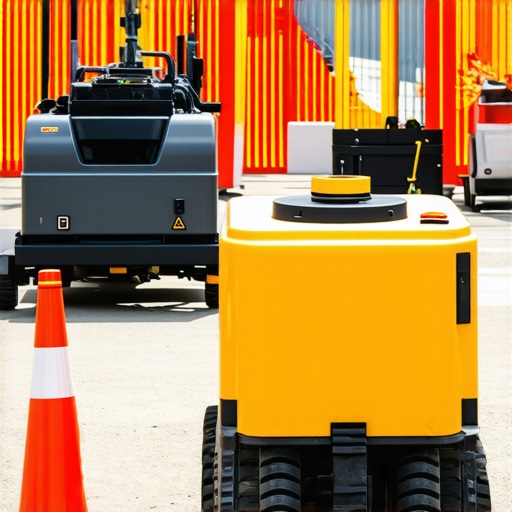 Even with rigorous planning and adherence to safety protocols, vacuum excavation operations are susceptible to various pitfalls that can compromise safety and efficiency. Recognizing these common mistakes and understanding how to mitigate them is crucial for seasoned professionals seeking to refine their practices. Here are some advanced considerations to keep in mind.
Scaling Maintenance for Long-Term Success
Establishing a proactive maintenance schedule is key to scaling vacuum excavation operations sustainably. Regular calibration of equipment, timely replacement of worn parts, and routine inspections help prevent costly downtime and ensure safety standards are maintained as operations expand. Investing in predictive maintenance tools powered by IoT sensors can provide real-time insights, reducing unplanned failures and extending equipment lifespan, ultimately supporting a reliable safety culture.
Leveraging Technology for Efficiency and Safety
Adopting advanced software solutions like asset management systems and real-time monitoring platforms enables operators to coordinate more effectively across multiple sites. These tools facilitate comprehensive safety audits, track equipment performance, and streamline compliance documentation. As the industry trends toward automation, integrating AI-driven analytics can predict potential hazards before they escalate, providing a strategic advantage in maintaining safety at scale.
Cost-Effective Strategies for Long-Term ROI
While initial investments in high-quality equipment and detection technologies may seem substantial, the long-term savings are significant. Reducing utility strikes, minimizing downtime, and avoiding costly repairs improve project margins. Conducting a detailed ROI analysis that considers maintenance costs, safety incident reduction, and productivity gains can justify strategic expenditures. Regular review of these metrics helps prioritize investments that offer the highest safety and efficiency returns.
Tools and Resources for Scaling Operations
Utilize integrated management platforms that combine project planning, safety compliance, and equipment tracking. Industry-leading tools such as GIS mapping software, utility detection apps, and safety training modules can be scaled across projects to ensure consistency. Additionally, establishing partnerships with technology providers for ongoing support and updates ensures your safety infrastructure remains current with emerging standards and innovations.
Regulatory Trends and Future Outlook
Emerging regulations are increasingly emphasizing digital documentation, real-time monitoring, and automated safety protocols. Staying ahead involves adopting flexible systems that can accommodate regulatory changes without significant overhauls. Market forecasts indicate a rising demand for integrated safety solutions, driven by advancements in sensor technology and data analytics, making strategic investments in these areas essential for sustained compliance and safety excellence.
Audit and Strategic Review
Conducting periodic safety audits and strategic reviews helps identify gaps and opportunities for improvement. Engaging cross-functional teams ensures that safety is embedded into every facet of operations, from equipment maintenance to personnel training. Developing a long-term safety roadmap aligned with industry standards and technological advancements guarantees that vacuum excavation operations remain efficient, safe, and scalable.
Expert FAQs for Safe Vacuum Excavation
How can technology improve utility detection accuracy during excavation?
Advanced detection tools like ground-penetrating radar (GPR) and electromagnetic sensors significantly enhance utility location precision, reducing accidental strikes and improving safety outcomes.[cite: 17]
What are the key calibration practices to maintain equipment reliability?
Regular calibration based on manufacturer guidelines and industry standards such as ANSI Z244.2 ensures machinery operates within safe parameters, preventing failures that could compromise safety.[cite: 17]
How do real-time monitoring systems contribute to ongoing safety?
Real-time data from IoT sensors and monitoring platforms enable immediate adjustments during excavation, helping prevent utility strikes and equipment malfunctions.[cite: 17]
What emergency protocols should be integrated into vacuum excavation operations?
Emergency plans should include spill response, utility strike procedures, and rapid shutoff protocols, with personnel trained regularly to respond efficiently.[cite: 17]
Verified Resources & Standards for Excavation Safety
- Occupational Safety and Health Administration (OSHA) Guidelines — Essential for compliance with safety regulations.
- American National Standards Institute (ANSI) Z244.2 — Provides equipment standards ensuring operational safety.
- ASCE Utility Location Guidelines — Offers best practices for utility detection and mapping.
- National Utility Mapping Association (NUMA) Resources — Supports accuracy in utility marking and mapping.
Maximize Safety and ROI in Vacuum Excavation
Addressing the complex challenges of underground utility safety demands a strategic approach that combines advanced detection, rigorous equipment maintenance, and comprehensive personnel training. By implementing these protocols, you ensure operational efficiency, regulatory compliance, and long-term cost savings. A proactive safety culture not only minimizes incidents but also enhances project timelines and reputation. Don’t leave safety to chance—integrate these best practices into your daily operations and consider consulting with industry experts to tailor solutions to your specific needs.