Elevating Hydrovac Efficacy in Heavy Clay Environments
Heavy clay soils represent a formidable obstacle in vacuum excavation and trenching operations, demanding not only advanced equipment but also refined techniques rooted in geotechnical understanding. As industry experts recognize, optimizing borehole and trenching precision in such challenging substrates hinges on an integrative approach combining soil mechanics expertise with innovative hydrovac technology.
Decoding the Soil Dynamics That Hamper Excavation Efficiency
Heavy clay’s low permeability and high cohesion often lead to soil stickiness and wall instability, complicating borehole stability and increasing risks of wall collapse. Conducting prior soil characterization through geotechnical surveys enables operators to anticipate these behaviors, informing strategic decisions such as the selection of high-pressure water jets and precise suction parameters. For instance, employing ground-penetrating radar (GPR) can assist in identifying subsurface heterogeneities that influence excavation performance.
Refining Hydrovac Techniques for Heavy Clay Mastery
When confronting dense clay, tailoring water pressures and nozzle angles is vital to distend the soil matrix effectively, facilitating easier removal while preserving borehole integrity. Notably, integrating soil-displacing additives or employing chemical soil stabilizers can mitigate adhesion issues, enhancing overall productivity and safety. Moreover, maintaining a balance between water volume and vacuum strength averts over-saturation or mud build-up, common pitfalls that can compromise equipment and site safety.
Building Trench Stability During Challenging Soil Conditions
In heavy clay, the probability of trench wall sagging or collapse escalates—necessitating the deployment of appropriate shoring or soil containment strategies. Soil reinforcement techniques, such as trench boxes or innovative sloped walls, if correctly implemented, significantly reduce hazards and expedite project timelines. Consulting detailed case studies like this resource provides insight into proactive measures for safe trenching in problematic soils.
What are the most advanced methods for minimizing borehole frac-outs in high water table heavy clay areas?
Expert operators often implement pressure control systems combined with real-time monitoring—such as acoustic or electromagnetic sensors—to detect early signs of borehole instability. Additionally, adjusting the angle and rate of water jet delivery, alongside controlled vacuum application, helps prevent fracturing and fluid migration, which are common sources of frac-outs. Collaboration with geotechnical engineers ensures the deployment of site-specific drilling strategies, aligning equipment capacities with soil mechanics nuances.
For those seeking to elevate their trenching methodology, exploring cutting-edge trenching strategies can be a game-changer. Sharing insights with industry peers through professional seminars or dedicated forums enriches knowledge and fosters innovations tailored to complex soil environments.
Understanding the science behind soil behavior, combined with technological and procedural refinements, forms the cornerstone of effective borehole and trenching operations in heavy clay, ultimately achieving safer, faster, and more reliable outcomes.
Mastering Soil Stabilization for Seamless Excavation
One of the key factors in enhancing trenching efficiency in heavy clay is implementing effective soil stabilization techniques. Applying chemical soil stabilizers or foams before excavation can significantly reduce soil cohesion, making it more amenable to vacuum removal. These methods not only improve process flow but also minimize risks of wall collapse and equipment wear. For in-depth strategies on soil stabilization, consult technical guides such as this resource. Integrating pre-treatment solutions with advanced hydrovac protocols creates a synergy that expedites project timelines and enhances safety measures.
How Does Soil Heterogeneity Influence Borehole Integrity
Heavy clay deposits often contain subsurface heterogeneities like gravel lenses or pockets of organic material, which can disrupt excavation continuity. Employing geophysical imaging techniques, including ground-penetrating radar and electromagnetic surveys, provides a layered understanding of the subsurface. This knowledge informs not only the selection of appropriate water pressures but also the orientation and pacing of drilling operations. By proactively adjusting parameters based on soil heterogeneity insights, operators can reduce the occurrence of frac-outs and improve borehole stability. To further explore tailored drilling strategies, consider reviewing this in-depth guide.
What innovations in real-time monitoring are revolutionizing borehole stability in challenging soils?
Emerging sensor technologies, such as acoustic emission monitors and real-time pressure sensors, allow for continuous assessment of borehole wall integrity. Combined with artificial intelligence analytics, these tools can detect subtle signs of instability before catastrophic failure occurs. This proactive approach enables operators to adjust water pressures dynamically, reducing waste and preventing costly accidents. Incorporating such technologies aligns with industry trends toward smarter, data-driven excavation processes. Industry leaders increasingly advocate for integrating these systems to optimize safety and efficiency—highlighted in recent industry reports on geotechnical innovations.
For specialists aiming to refine their site’s excavation plan, exploring advanced borehole drilling techniques provides valuable insights. Sharing experiences on professional platforms accelerates collective learning and promotes the adoption of best practices tailored to complex soil profiles.
Harnessing Advanced Geotechnical Insights to Overcome Soil Variability
Addressing the challenge of soil heterogeneity requires more than standard surveying; integrating cutting-edge geotechnical analysis allows operators to anticipate and adapt to subsurface complexities. Techniques such as multi-frequency electromagnetic surveys and 3D seismic imaging reveal the distribution of gravel lenses, organic pockets, and moisture content variations, offering a detailed map of the soil landscape. This comprehensive understanding directly influences decision-making, from selecting optimal nozzle configurations to timing water pressure adjustments.
Innovative Sensor Technologies Transforming Real-Time Soil Stability Monitoring
The advent of high-resolution sensors provides unprecedented visibility into borehole wall behavior during excavation. Acoustic emission sensors detect micro-fractures as they develop, providing early warning signs of instability. Coupled with real-time pressure and temperature data, machine learning algorithms can analyze patterns indicating impending wall failure. This fusion of IoT and AI in geotechnical monitoring empowers operators to implement dynamic response strategies, such as modifying vacuum suction or adjusting water jet parameters instantaneously, thereby minimizing frac-out risks.
Why Precise Control of Water Pressure Is Critical in Challenging Soils
The delicate balance between water volume and pressure is pivotal in heavy clay, where excessive force can induce fracturing, and insufficient pressure hampers soil removal. Advanced hydrovac systems incorporate variable pressure regulators and feedback loops driven by real-time sensor data, ensuring optimal water delivery tailored to specific soil conditions. Such precision prevents over-saturation, reduces mud buildup, and extends equipment lifespan. For example, adaptive pressure control algorithms inspired by control theory principles optimize excavation performance in heterogeneous environments.
Integrating Chemical Soil Stabilizers for Enhanced Borehole Integrity
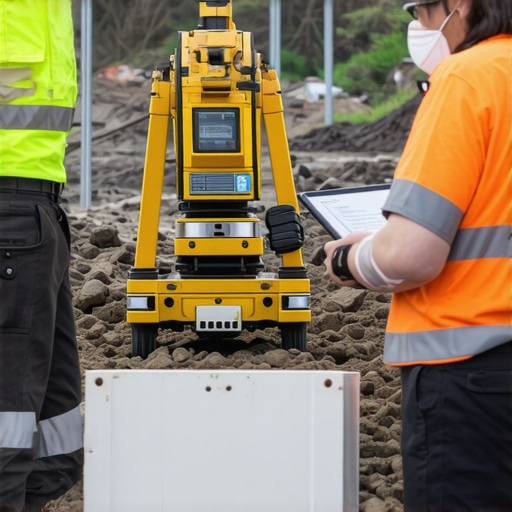
Pre-treatment of soil with chemical stabilizers or foams can drastically alter the soil’s physical properties, facilitating cleaner cuts and reducing adhesion. Innovations in chemical formulations now enable tailored solutions that react with soil components to weaken cohesion selectively, without compromising environmental standards. By deploying these agents in tandem with high-pressure water jets and sophisticated suction systems, operators can achieve smoother excavation processes with lower risk of wall collapse or tool clogging.
Strategic Collaboration with Geotechnical Experts to Optimize Excavation Outcomes
Given the complexity of heavy clay soils, proactive collaboration with geotechnical engineers ensures that borehole and trenching plans incorporate the latest scientific insights. These experts can develop tailored methodologies, such as specific anisotropic stress management techniques or layered excavation sequences. Engaging in iterative site assessments and integrating advanced modeling results into operational protocols leads to more predictable and controlled outcomes, ultimately saving time and reducing costs.
How Can Industry Leaders Foster Innovation in Heavy Clay Hydrovac Operations?
Encouraging knowledge exchange through specialized workshops, industry consortiums, and digital forums creates a fertile ground for sharing breakthroughs and refining best practices. Investment in research and development—such as pilot projects testing novel sensor arrays or stabilizer chemicals—accelerates technological adoption. Furthermore, establishing standardized data protocols ensures consistency in monitoring and decision-making, catalyzing a shift toward smarter, safer excavation practices. For those committed to pushing the boundaries of current capabilities, exploring partnerships with academic institutions and leading technology firms can catalyze transformative advances.
If you’re eager to deepen your expertise and stay ahead in the evolving field of heavy clay excavation, consider subscribing to industry journals or attending specialized symposia focused on geotechnical innovation. Embracing a culture of continuous learning is essential for mastering complex soil environments and leveraging emerging tools effectively.
Uncover the Hidden Layers That Impact Trenching Success
Heavy clay soils often contain subsurface heterogeneities such as gravel lenses, organic pockets, or varying moisture zones, which pose significant challenges to excavation uniformity and stability. Implementing cutting-edge geophysical imaging techniques, like multi-frequency electromagnetic surveys and 3D seismic reflection imaging, enables operators to develop a detailed subsurface map before commencing work. Such insights inform decisions about optimal equipment settings and excavation sequences, reducing the risk of borehole instability and project delays.
Revolutionizing Soil Stabilization for Seamless Boreholes
The integration of novel chemical soil stabilizers and foams has transformed soil pre-treatment approaches. These agents selectively weaken cohesion among soil particles, facilitating cleaner cuts and minimizing adhesion to equipment. Advanced formulations now boast environmentally friendly profiles while offering enhanced efficacy, aligning with sustainable industry practices. Applying these stabilizers immediately prior to excavating streamlines operation workflows and reduces the necessity for extensive mechanical interventions.
What Cutting-Edge Sensor Technologies Are Redefining Borehole Stability?
Emerging sensor technologies, such as distributed acoustic emission sensors, high-precision pressure transducers, and thermal monitoring systems, now provide real-time insights into borehole wall behavior. When coupled with AI-driven analytics, these sensors detect micro-fractures and early signs of instability, allowing operators to adapt water pressures and vacuum strengths instantaneously. This proactive approach diminishes the likelihood of frac-outs, mud sloughing, and wall collapses, significantly enhancing operational safety and efficiency.
Dynamic Pressure Control—The Heart of Frac-Out Prevention
Managing water pressure in challenging soil conditions demands precision and agility. Advanced hydrovac systems incorporate intelligent feedback loops—driven by sensor data—to modulate pressure and flow rates dynamically. This not only prevents over-pressurization that could induce fracturing but also optimizes soil removal rates. Operators trained in control theory and fluid dynamics can leverage these tools to maintain equilibrium, ensuring borehole integrity even under complex geotechnical scenarios.
Incorporating Geotechnical Expertise to Minimize Risks
Collaborative efforts between excavation teams and geotechnical engineers pave the way for tailored solutions to complex soil profiles. Engineering input guides the sequencing of excavation, shoring design, and stabilization protocols. For example, defining layered trenching strategies based on soil strength variations enhances safety margins and accelerates project timelines. Embracing such interdisciplinary approaches foots the path toward more predictable, safe, and cost-effective borehole operations.
How Do Real-Time Monitoring Innovations Elevate Excavation Safety for Heavy Clay?
Innovations like machine learning-integrated sensor arrays enable continuous assessment of borehole stability. These systems analyze data streams from acoustic emissions, pressure fluctuations, and thermal changes to forecast potential failures before they occur. Such predictive analytics empower operators to implement immediate corrective actions—adjusting water pressures or deploying additional support measures—thus maintaining a proactive safety posture. Industry leaders increasingly endorse these technologies as vital components of modern geotechnical management.
To master these advanced techniques, professionals should explore dedicated industry resources such as this comprehensive guide. Engaging in specialized training and participating in peer discussion forums further accelerates expertise development, fostering a culture of continuous improvement in challenging soil conditions.
Expert Insights & Advanced Considerations
Precision soil profiling can drastically reduce exploratory failures in complex heavy clay formations.
Employing cutting-edge geophysical techniques enables operators to identify subsurface heterogeneities, facilitating tailored excavation strategies that minimize frac-out risks.
Synergizing chemical stabilizers with hydrovac technology offers a path to safer, cleaner borehole creation.
Innovative soil conditioners weaken cohesion selectively, which simplifies excavation and prolongs equipment lifespan, marking a significant leap forward in soil management.
Adaptive pressure modulation driven by real-time sensor feedback reduces the likelihood of wall collapse in high-water table scenarios.
Integrating IoT sensors with AI analytics allows for dynamic adjustments, significantly enhancing operational safety and efficiency in challenging conditions.
Engagement with geotechnical experts accelerates the development of site-specific protocols that align with soil: mechanics nuances.
Collaborative planning ensures comprehensive risk mitigation, optimized shoring solutions, and adherence to safety standards, ultimately fostering project success.
Emerging monitoring technologies revolutionize early detection of instability, paving the way for preemptive interventions.
Advanced acoustic sensors and machine learning models facilitate predictive maintenance and control, setting new industry benchmarks in borehole stability management.
Curated Expert Resources
- Hydrovac Innovations What the Future Holds: A detailed exploration of upcoming technological advancements shaping the industry, providing insight into transformative tools and methodologies.
- Geotechnical Deep Dive Magnetic Resonance Imaging: An authoritative text on using advanced imaging for subsurface analysis, critical for precise site assessment in difficult terrains.
- Sensor Technologies in Soil Stability Monitoring: An in-depth review of state-of-the-art sensors and their application in groundwater, soil behavior analysis, and real-time excavation adjustments.
- Integrated Soil Stabilization Techniques: Practical case studies highlighting chemical and physical stabilization methods optimized for heavy clay environments.
- Cross-disciplinary Collaboration for Excavation Excellence: Frameworks and best practices for synergy between geotechnical engineers and excavation operators to achieve safety and efficiency.
Final Expert Perspective
Mastery over heavy clay conditions in hydrovac operations hinges on a blend of cutting-edge geotechnical insights, real-time technological adaptations, and strategic collaborations. Embracing these sophisticated approaches not only mitigates risks like frac-out and wall collapse but also unlocks new levels of operational efficiency. For professionals eager to elevate their excavation work, exploring these expert principles and leveraging authoritative resources will prove invaluable. Engage with the broader community by sharing insights and innovations—your leadership shapes the future of safe and productive underground development. To dive deeper, visit our comprehensive guide or connect with industry peers through specialized forums and training programs.