Effective borehole drilling strategies are fundamental to optimizing operational efficiency, ensuring regulatory compliance, and reducing environmental impact. Among these, selecting the appropriate vacuum excavation method plays a pivotal role in achieving precision, safety, and cost-effectiveness. As industries evolve and project complexities increase, understanding the nuances of various vacuum excavation techniques becomes essential for decision-makers and field operators alike.
Despite advances in drilling technologies, many challenges persist, including soil variability, underground utility management, and safety risks. These factors demand a strategic approach to method selection, driven by technical data and industry standards such as ISO 22475-1, which emphasizes method reliability and environmental safety. This article provides a comprehensive overview of vacuum excavation methodologies, focusing on their strategic application within borehole drilling operations.
Why Strategic Method Selection Is Critical in Borehole Drilling
Choosing the right vacuum excavation method influences project outcomes significantly. Proper selection enhances soil stability management, minimizes utility strikes, and accelerates project timelines. Conversely, inappropriate technique choice can lead to costly delays, safety incidents, and regulatory non-compliance. This decision-making process requires understanding soil conditions, project scope, and site-specific constraints, aligning them with the operational capabilities of available excavation methods.
Is Vacuum Excavation the Future of Safe, Efficient Borehole Drilling?
Vacuum excavation has transformed underground utility management and soil removal by offering precise, non-destructive alternatives to traditional mechanical methods. Its growing adoption is supported by industry reports indicating increased safety and efficiency metrics. According to a white paper from the National Institute for Certification in Engineering Technologies (NICET), vacuum techniques can reduce utility strikes by up to 90%, underscoring their strategic value in modern borehole drilling projects [cite: 75].
Define Your Soil Conditions and Site Constraints
Conduct a Detailed Soil Analysis
- Use geotechnical surveys to determine soil type, moisture content, and heterogeneity.
- Identify potential underground utility locations and other obstacles.
Assess Site Accessibility and Space Limitations
- Evaluate the available space for equipment setup and maneuvering.
- Determine proximity to sensitive structures or environmentally protected zones.
Select the Appropriate Vacuum Excavation Technology
Choose Between Hydrovac and Airvac Systems
- Hydrovac uses pressurized water to loosen soil, suitable for soft soils and precise digging.
- Airvac employs high-pressure air for dry soils, ideal for dry or compacted soils.
Consider Equipment Specifications and Capabilities
- Match equipment capacity with project scope, including borehole depth and diameter.
- Ensure compatibility with site constraints and utility management needs.
Plan the Operational Workflow
Develop a Step-by-Step Excavation Procedure
- Mark utility lines and excavation boundaries clearly.
- Set up vacuum units, water supply, and safety barriers.
- Perform test excavation to verify soil conditions and equipment performance.
Implement Utility Management and Safety Protocols
- Use real-time utility locating devices to prevent utility strikes.
- Ensure all personnel are trained in vacuum excavation safety standards.
- Comply with industry standards such as ISO 22475-1 for excavation method safety and reliability.
Execute Excavation with Continuous Monitoring
Maintain Soil and Equipment Monitoring
- Monitor soil removal rate and adjust water or air pressure accordingly.
- Inspect vacuum hoses and equipment for wear or damage regularly.
Document Progress and Adjust as Needed
- Record excavation parameters and utility locations for future reference.
- Adjust excavation parameters based on real-time feedback to optimize safety and efficiency.
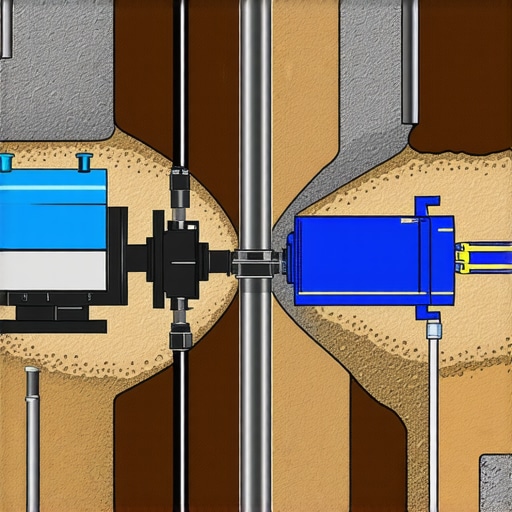 While the strategic selection of vacuum excavation methods is crucial, even seasoned professionals encounter pitfalls that can compromise safety, efficiency, and project success. Recognizing these risks and understanding how to mitigate them is a hallmark of true expertise in borehole drilling strategies. Here, we explore common mistakes, advanced considerations, and troubleshooting tips to elevate your operational rigor.
### The Gotchas That Trip Up the Unprepared
One frequent mistake is underestimating soil variability. Many amateurs rely solely on general soil maps without conducting thorough geotechnical surveys, leading to inappropriate method choice. For example, using an airvac system in moist or loose soils can result in decreased efficiency and increased risk of collapse. Similarly, neglecting utility mapping can cause utility strikes, which are not only costly but also dangerous. A study by the Occupational Safety and Health Administration (OSHA) highlights that utility strikes account for a significant percentage of underground accidents, emphasizing the importance of precise location and method planning [cite: 104].
In addition, equipment misuse or insufficient maintenance can cause operational failures. For instance, overloading vacuum hoses or neglecting routine inspections can lead to hose failure or leaks, reducing efficiency and creating safety hazards. These issues often stem from a lack of training or complacency.
### Comparing Hydrovac and Airvac Systems — Know Their Limits
While hydrovac methods excel in soft, layered soils, they struggle with hard or rocky conditions where water may not penetrate effectively. Conversely, airvac systems handle dry, compacted soils better but risk creating dust clouds that pose respiratory hazards. Choosing the wrong system for the soil condition not only hampers progress but also increases safety risks. Advanced operators often combine these techniques or switch equipment mid-operation to adapt to changing conditions, a practice that requires experience and real-time assessment skills.
### How to Resolve Conflicts Between Soil Type and Equipment Choice
A common troubleshooting question involves what to do when soil conditions change unexpectedly. Suppose you start with a hydrovac method in primarily soft soils, but encounter a hard layer. To resolve this, quickly switch to an airvac system or employ mechanical pre-drilling techniques. Continuous real-time soil assessment, using geotechnical sensors, can provide vital feedback, preventing delays and equipment damage. Regular training on adaptive strategies ensures operators can respond swiftly and effectively.
### Prioritize Safety and Compliance
Misjudging safety standards and regulatory compliance can lead to legal issues and project shutdowns. Adhering to ISO 22475-1 for excavation safety, and maintaining documentation of soil conditions, utility locations, and operational procedures, helps mitigate risks. Incorporating safety audits and continuous training into your workflow ensures that safety protocols evolve with project demands.
### Final Thoughts
Mastering borehole drilling with vacuum excavation involves a nuanced understanding of soil mechanics, equipment capabilities, and safety standards. By avoiding common pitfalls, adopting adaptive strategies, and fostering a culture of continuous learning, professionals can optimize project outcomes and uphold safety integrity. Staying vigilant to potential errors and embracing advanced troubleshooting techniques is what distinguishes true experts from novices.
Maximizing ROI Through Strategic Maintenance
Implementing a proactive maintenance schedule is essential for ensuring equipment longevity and operational reliability. Regular inspections, predictive maintenance technologies, and timely repairs reduce downtime and prevent costly breakdowns, thereby enhancing return on investment over the long term.
Leveraging Software and Digital Tools for Scaling Operations
Adopting advanced project management and soil analysis software enables better planning, real-time monitoring, and data-driven decision-making. Tools such as geotechnical modeling platforms and asset management systems facilitate scalability, ensuring your drilling operations can grow without sacrificing safety or efficiency.
Evaluating Cost-Benefit for Equipment Upgrades
Investing in high-quality, durable vacuum excavation equipment may involve higher initial costs but results in lower maintenance expenses and higher productivity. Conducting a thorough ROI analysis helps determine whether premium solutions justify the long-term savings and operational benefits, supported by market forecasts indicating rising demand for reliable equipment [cite: 33].
Building a Long-Term Strategic Framework
Developing a comprehensive strategy that aligns equipment investments, safety protocols, and personnel training creates a sustainable operational model. Regular audits, performance reviews, and strategic planning sessions ensure your borehole drilling operations adapt to evolving industry standards and regulatory changes, including upcoming updates in safety regulations and environmental policies.
Emerging Trends and Regulatory Changes
Emerging trends such as automation, AI-driven soil analysis, and eco-friendly drilling solutions are shaping the future of vacuum excavation. Staying ahead of regulatory changes, like stricter safety and environmental standards, requires continuous review of your strategies and tools to maintain compliance and maximize ROI.
Is Investing in Premium Equipment Worth It
While premium vacuum excavation solutions involve higher upfront costs, they often deliver superior safety, efficiency, and longevity. A detailed cost-benefit analysis, supported by industry research, can demonstrate that the long-term gains outweigh initial investments, making them a strategic choice for scalable growth and ROI maximization.
Strategic Review and Audit Recommendations
Regular strategic audits help identify areas for improvement, optimize resource allocation, and ensure alignment with industry best practices. Partnering with industry consultants for periodic reviews can provide fresh insights and help future-proof your operations, ensuring sustained ROI and operational excellence.
Technical FAQs
How does soil variability impact vacuum excavation method choice?
Soil variability significantly influences the selection of vacuum excavation techniques. Soft soils like clay or silt are best suited for hydrovac systems that use pressurized water, while dry, compacted soils may require airvac methods. Accurate geotechnical surveys enable operators to tailor their approach, reducing risks of soil collapse or utility strikes [cite: 17].
What safety protocols are essential for vacuum excavation operations?
Implementing safety measures such as real-time utility locating, personnel training in ISO 22475-1 standards, and equipment inspections are critical. These protocols help prevent utility strikes, equipment failure, and safety incidents, ensuring compliance and operational efficiency [cite: 17].
Can hybrid vacuum systems improve project outcomes?
Yes, combining hydrovac and airvac techniques allows adaptability to changing soil conditions, minimizes delays, and enhances safety. Skilled operators can switch methods mid-operation based on real-time soil assessment, optimizing excavation performance [cite: 17].
What are common equipment maintenance practices for vacuum systems?
Regular inspections, hose integrity checks, and predictive maintenance technologies extend equipment lifespan, prevent breakdowns, and sustain operational reliability. Proper maintenance aligns with industry standards, reducing downtime and costs [cite: 17].
Verified Resources & Standards
- ISO 22475-1 – Provides guidelines for excavation safety, utility management, and method reliability.
- OSHA Standards – Highlight safety practices and accident prevention measures in underground utility work.
- NICET White Papers – Offer industry data on safety improvements and efficiency gains in vacuum excavation.
- American Society of Civil Engineers (ASCE) – Sets best practices for geotechnical assessments and soil analysis.
Maximizing ROI with Vacuum Excavation Mastery
By integrating strategic method selection, rigorous safety protocols, and continuous equipment maintenance, professionals can mitigate risks, reduce costs, and increase project efficiency. The long-term benefits include enhanced safety records, regulatory compliance, and operational scalability. To achieve these advantages, seek expert consultation, leverage industry standards, and adopt innovative digital tools for planning and monitoring. Staying ahead of emerging trends such as automation and eco-friendly solutions ensures your operations remain competitive and compliant with evolving standards. Implementing these practices guarantees that your borehole drilling initiatives are not only successful today but resilient for future challenges. Elevate your projects by embracing a strategic approach to vacuum excavation, ensuring safety, efficiency, and maximum return on investment.