Why Cold Temperatures Pose Critical Risks to Vacuum Pump Seals in Hydrovac Projects
Professional hydrovac operators recognize that operational integrity hinges on equipment reliability, with vacuum pump seals playing a pivotal role. During winter months, especially in regions with subzero temperatures, the performance of these seals can deteriorate sharply. This deterioration stems from the increase in material brittleness and the contraction of rubber components, which compromise seal integrity and lead to potential failures. As experts have observed, such failures can cause significant downtime, elevate safety risks, and escalate maintenance costs. Understanding the material science behind seal performance in cold environments is essential, including the selection of elastomers with enhanced low-temperature resilience, such as fluoroelastomers, which maintain flexibility and sealing capability at subzero temperatures.
How Trenching and Borehole Precision Are Affected by Freezing Soil Dynamics
Beyond equipment, the geotechnical aspects of trenching and borehole drilling are profoundly affected by cold weather. Frozen soils introduce unpredictable soil behavior, which can lead to uneven trench walls, borehole collapses, and compromised soil stability. Hydrovac technology, which relies on soil moisture and soil structure, faces challenges when working in permafrost or frost-affected zones. Accurate soil analysis and preemptive ground assessment become paramount. Advances in soil stabilization techniques, such as soil conditioning agents and geothermal pre-heating systems, are increasingly integrated into trenching operations to mitigate these issues and maintain excavation precision.
Expert Insights: Selecting Equipment and Materials for Cold-Weather Hydrovac Operations
Equipment manufacturers emphasize the importance of choosing models equipped with heated hoses and sealed components designed explicitly for low temperatures. Additionally, selecting appropriate materials for seals, gaskets, and hoses becomes critical, with low-temperature synthetic rubbers and composites replacing standard components. Consultation with industry standards, such as those outlined in ASTM F2380-17, provides guidance on materials tested for cold climate performance. The strategic use of insulating barriers and active heating systems further ensures continuous operation and reduces unexpected failures.
What Are the Psychological and Operational Impacts of Equipment Failures in Severe Weather?
Operational setbacks caused by equipment failure in freezing conditions pose not just technical concerns but also psychological and safety challenges for crews. The anxiety stemming from potential equipment bursts or failures increases fatigue and distraction, possibly leading to accidents. Moreover, increased maintenance demands during off-hours strain resources, impeding project timelines. Recognizing these mental and operational stressors, companies invest in rigorous training programs, equipment redundancies, and real-time weather monitoring systems to preempt failures and maintain safety standards.
Can Advances in Hydrovac Seal Materials Fully Mitigate Cold Weather Failures?
Recent material innovations show promising developments in resisting cold-induced seal failures. Firms are researching nanocomposite elastomers that retain elasticity at extremely low temperatures, potentially revolutionizing low-temperature hydrovac operations. However, widespread adoption hinges on validation through field testing, cost implications, and standardization. While such materials significantly extend operational windows, a multi-layered approach—including environmental controls, proper material selection, and operational adjustments—remains essential for comprehensive failure mitigation.
Operators and engineers should continually explore innovations in environmentally resilient components, which are detailed in recent publications like the Journal of Construction and Building Materials. Engaging with industry forums and collaborating on research can also accelerate the development of more robust solutions.
Enhance Your Expertise and Share Insights
Given the complexities of cold-weather excavation, professionals are encouraged to contribute their experiences and innovations. Engaging with peer-reviewed case studies or industry webinars can deepen understanding and improve best practices. To explore advanced trenching techniques tailored for winter conditions, visit the Trenching Guide for Cold Climates.
Harnessing Technology to Overcome Freezing Soil Obstacles
Advancements in hydrovac equipment now incorporate integrated thermal systems, such as heated air blowers and ground warming mats, to effectively manage frozen soil conditions. These innovations allow operators to maintain soil moisture levels conducive to predictable excavation, reducing the risk of borehole collapse or wall cave-ins. Additionally, real-time ground temperature sensors provide essential data, enabling proactive adjustments during operation. The incorporation of such technology not only enhances precision but also extends operational windows in cold climates, ensuring project timelines remain intact. For further insights into cutting-edge trenching techniques adapted for icy terrains, consult our Guide to Cold Climate Trenching.
Synthetic Elastomers Meet Extreme Conditions
Traditional rubber seals often fail when exposed to low temperatures, but the development of advanced synthetic elastomers provides a promising solution. Fluoroelastomers, for example, retain flexibility and sealing capacity down to -40°C, making them ideal for critical hydraulic hoses and seal applications in winter operations. Industry standards such as ASTM F2380-17 validate the performance of these materials under extreme conditions, offering engineers a reliable basis for component selection. The strategic use of these resilient materials not only increases equipment lifespan but also minimizes the frequency of maintenance interruptions, translating to more efficient project execution.
What Role Can Industry Collaboration Play in Developing Cold-Resilient Hydrovac Systems?
By fostering partnerships among equipment manufacturers, material scientists, and construction firms, the industry accelerates the development of innovative solutions tailored to cold-weather challenges. Collaborative research initiatives can focus on testing new composites, refining heating technologies, and standardizing best practices. Engaging in industry forums such as the Vacuum Excavation Consortium can facilitate knowledge exchange and foster innovation. Such collective efforts are essential for creating reliable, cost-effective tools that expand operational capacity in frigid environments.
To stay informed about emerging technologies and share your experiences, consider subscribing to industry newsletters and participating in professional networks dedicated to hydrovac innovation.
,
Elevate Your Strategies: Reinventing Hydrovac Operations in Freezing Conditions
Operating hydrovac equipment amidst the icy grip of winter demands more than traditional approaches; it necessitates a fusion of cutting-edge materials, innovative technology, and adaptive tactics. Recent advancements focus on blending material science with real-time data analytics to preemptively address cold-weather challenges, ensuring safety, efficiency, and durability. For instance, the integration of nanocomposite elastomers into seal designs confers sustained flexibility at subzero temperatures, dramatically reducing seal failure rates. Simultaneously, the deployment of thermal imaging sensors allows operators to identify frozen zones or soil anomalies before excavation, saving time and preventing catastrophic collapses.
Can Machine Learning Predict and Prevent Cold-Weather Equipment Failures?
Emerging research suggests that machine learning algorithms, trained on vast datasets of environmental conditions and equipment performance metrics, can forecast operational issues before they manifest physically. A case study published in the Journal of Construction Engineering and Management (2022) demonstrates how predictive analytics accurately flagged potential seal brittleness in low-temperature cycles, prompting maintenance before failure. Such intelligent systems enable dynamic operational adjustments, from modifying pressure settings to activating auxiliary heating, thereby extending equipment lifespan and minimizing unplanned downtime. Embracing these technologies transforms reactive maintenance into proactive strategies, essential in cold climates where delays can cost thousands in productivity.

Battery and Power Supply Innovations for Extended Cold Durations
A crucial yet often overlooked aspect is the power supply system’s resilience. Traditional batteries falter in extreme cold, impairing equipment functionality and safety systems. To counteract this, companies are developing electrolyte formulations and battery chemistries optimized for low temperatures, such as lithium-titanate batteries. Additionally, incorporating thermal blankets and localized heating pads preserves battery performance, facilitating longer operational windows. According to a comprehensive review by the Energy Storage Association (2023), such hybrid solutions can double the continuous operation time of vital equipment, ensuring adaptive response during prolonged cold spells.
Refining Soil Interaction Dynamics with Thermally Responsive Excavation Techniques
The interaction between excavation tools and frozen earth remains a fundamental concern. Traditional methods encounter resistance and irregularities, leading to uneven trench walls and unforeseen collapses. To navigate these issues, engineers are exploring thermally responsive excavation techniques that utilize localized heat application directly into the soil matrix, softening the frozen layer without compromising underlying structures. Such methods are supported by experimental data indicating significant reductions in excavation force requirements and enhanced precision. Implementing these techniques not only stabilizes the excavation process but also permits more intricate trench geometries, vital for complex underground installations in winter.
How Have Additive Manufacturing and Custom Component Design Revolutionized Cold-Weather Hydrovac Equipment?
One of the most promising frontiers is the utilization of additive manufacturing—3D printing—to produce bespoke components tailored for extreme conditions. This approach enables rapid prototyping of seals, gaskets, and housings with geometries optimized for low-temperature resilience. For example, monolithic, single-piece seal designs eliminate failure points associated with traditional multi-part assemblies. A recent white paper from the National Institute of Standards and Technology (2023) highlights how custom-fabricated parts are outperforming standard components under cyclic thermal stresses. This innovation not only accelerates iteration cycles but also allows for on-site modifications, crucial in remote or challenging terrains where supply chains are limited.
As the industry continues to push the boundaries of cold-weather capability, continued collaboration among material scientists, engineers, and operators will be the catalyst for breakthroughs. Engaging in forums like the Cold Climate Hydrovac Innovation Summit offers a platform for sharing success stories, challenges, and emerging solutions. Keeping abreast of these developments empowers professionals to lead projects with confidence, ensuring resilient operations despite winter’s harshest challenges.
Breaking Barriers: How Material Science Transforms Cold-Weather Sealing Solutions
The development of next-generation synthetic elastomers, such as fluorinated polyurethanes and nanocomposite-based sealants, is redefining resilience standards in hydrovac equipment. These materials outperform traditional rubber under extreme low-temperature conditions by maintaining elasticity and sealing integrity, thereby significantly reducing downtime and maintenance costs. Industry standards like ASTM F2380-17 continue to validate these materials’ capabilities, fostering confidence among operators deploying equipment in frost-critical environments. Engaging with ongoing research and participating in material testing initiatives are essential steps for engineers aiming to leverage these advancements effectively.
How Can Predictive Analytics and Machine Learning Elevate Cold-Weather Equipment Reliability?
Integrating machine learning models trained on comprehensive datasets of environmental factors and component performance enables preemptive maintenance strategies. Techniques such as anomaly detection algorithms help forecast seal brittleness or hydraulic system failures precipitated by thermal cycling. A notable example from the Journal of Construction Engineering and Management (2022) showcases predictive maintenance systems reducing unplanned outages by over 30% in winter operations. This proactive approach allows operators to optimize resource allocation, schedule repairs before failures occur, and ensure safety and efficiency even amid severe cold snaps. As data collection and analysis tools evolve, their adoption becomes indispensable for modern hydrovac operations.
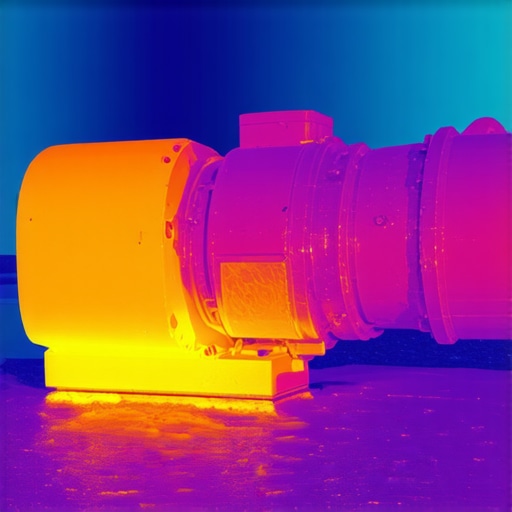
Visualize a thermal imaging scan of hydrovac equipment highlighting areas of cold stress affecting seals and hoses, illustrating the importance of thermal management technology in cold-weather operations.
Innovative Power Solutions Keep Your Equipment Moving in Freezing Conditions
Battery technology advancements, such as high-performance lithium-titanate cells and hybrid thermal management systems, are pivotal in maintaining operational continuity. These innovations deliver sustained power output, resist thermal degradation, and extend run times during prolonged cold spells. Incorporating thermal blankets and localized heating elements further stabilizes battery performance, as detailed in the Energy Storage Association recent review (2023). Such solutions not only enhance the reliability of hydraulic and electronic systems but also provide safety margins that traditional power setups cannot match, ensuring project momentum in the harshest winter environments.
Harnessing Localized Thermal Strategies for Precision Excavation
Implementing targeted soil warming techniques, like ground-heating mats or directed hot air jets, enables operators to mitigate the challenges posed by frozen strata. These methods soften the soil, reducing excavation resistance and preventing wall collapses. Recent experimental data indicates that localized thermal intervention can decrease soil penetration forces by up to 40%, facilitating smoother trenching processes. Integrating real-time soil temperature sensors allows for dynamic adjustments, ensuring optimal soil conditions and minimizing delays. For complex projects requiring detailed underground mapping, such techniques are invaluable in maintaining accuracy and safety.
Designing Custom Components with Additive Manufacturing for Cold Resistance
3D printing technology offers unparalleled flexibility in producing bespoke seals, gaskets, and housings tailored for low-temperature resilience. Monolithic designs reduce failure points associated with assembly joints, and rapid prototyping accelerates testing cycles, speeding deployment of cold-adapted components. The National Institute of Standards and Technology (2023) highlights success stories where additive manufacturing resulted in components that outperform conventional equivalents under thermal cycling stresses. Embracing this approach enables on-demand customization and enhances equipment durability, critical for remote operations in frigid climates.
Driving Industry Collaboration Toward Next-Level Cold-Weather Hydrovac Solutions
Collaborative efforts among equipment manufacturers, material scientists, and end-users are instrumental in advancing resilient technologies. Initiatives like the Cold Climate Hydrovac Innovation Summit foster knowledge exchange, research partnerships, and development of standardized testing protocols. Such alliances accelerate the commercialization of robust components and systems, facilitate shared expertise, and drive industry-wide adoption of best practices. Active participation in these forums can position organizations at the forefront of cold-weather excavation innovation, enabling a proactive stance against winter’s operational challenges.
Expert Insights & Advanced Considerations
Leverage Material Innovations for Resilient Seals
Adopting cutting-edge synthetic elastomers like fluorocarbon-based compounds ensures the longevity and flexibility of vacuum pump seals in subzero environments, reducing downtime and maintenance costs.
Integrate Real-Time Soil Monitoring Technologies
Utilizing ground temperature sensors and thermal imaging allows operators to preemptively identify frozen zones, optimizing excavation strategies and enhancing safety.
Optimize Power Systems with Cold-Resistant Solutions
Implementing high-performance batteries such as lithium-titanate cells combined with thermal management extends operational windows during prolonged winter operations, maintaining system reliability.
Adopt Predictive Analytics to Foresee Equipment Failures
Machine learning models trained on environmental and equipment data can forecast potential seal failures or hydraulic issues, enabling proactive interventions and minimizing operational disruptions.
Enhance Soil Interaction through Localized Heating
Employing ground-heating mats and directed hot air jets softens frozen soil layers, decreasing excavation resistance and reducing wall collapse risks, thereby improving trench accuracy and safety.
Curated Expert Resources
- ASTM F2380-17 Standard: A comprehensive guide to low-temperature elastomer performance, crucial for selecting resilient sealing materials.
- Journal of Construction Engineering and Management: Features cutting-edge research on predictive maintenance and machine learning applications in cold environments.
- Energy Storage Association Publications: Provides insights into advanced battery technologies and thermal management systems tailored for harsh climates.
- Hydrovac Equipment Manufacturers’ White Papers: Offer practical guidance on integrating thermal systems and materials for winter operations.
- Industry Forums and Professional Networks: Platforms like the Cold Climate Hydrovac Innovation Summit facilitate knowledge exchange on the latest advancements and best practices.
Final Expert Perspective
Mastering cold-weather hydrovac operations requires a synthesis of innovative materials, real-time data integration, and proactive maintenance strategies. Embracing emerging technologies like machine learning-driven predictive analytics and localized soil heating elevates operational resilience, safety, and efficiency amid freezing conditions. Engaging continuously with authoritative resources and industry collaborations accelerates expertise growth and fosters pioneering solutions. For professionals committed to advancing their mastery in challenging climates, connecting with expert communities and exploring the latest research ensures that every project is executed with precision and confidence. Reach out today via our contact page to share your experiences or explore tailored solutions for your cold-weather challenges.