

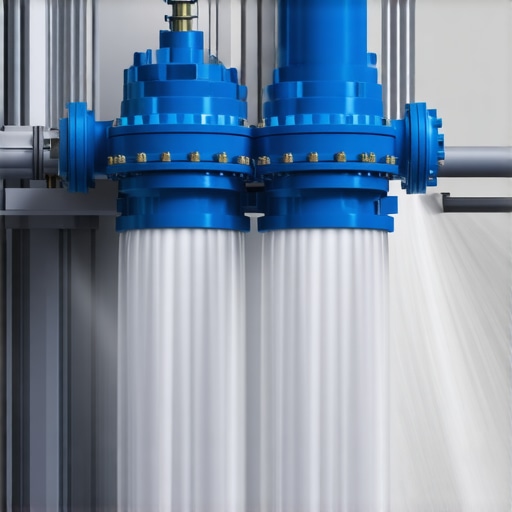
5 Suction Valve Fixes to Stop Heavy Slurry from Choking Your Vacuum Pump
Elevating Vacuum Excavation: Confronting the Heavy Slurry Dilemma with Precision Engineering
In the realm of modern excavation, especially within urban environments, the efficacy of vacuum excavation hinges on meticulous management of slurry and debris. Heavy slurry accumulation poses significant operational hurdles, risking equipment clogging and project delays. Recognizing the nuanced interplay between soil composition, equipment design, and contaminant management unveils opportunities for industry professionals to refine their approach and mitigate critical failures.
Deciphering the Complex Dynamics of Slurry Build-up in Hydrovac Operations
Heavy slurry, often comprising fine particulates, water, and excavated material, can rapidly diminish vacuum efficiency. The physical properties such as viscosity and particle size distribution critically influence how slurry interacts with vacuum pump components and hoses. For instance, in cohesive soil conditions, high water content fosters viscous layers that challenge standard suction routines. Advanced understanding of these dynamics facilitates targeted interventions, increasing uptime and reducing wear on equipment.
Why Do Slurry Clogs Persist Despite Routine Maintenance?
Routine maintenance partially addresses slurry accumulation, yet persistent clogging indicates deeper systemic issues. Factors such as improper nozzle selection, inadequate pressure regulation, or overlooked hose susceptibilities exacerbate slurry handling problems. For example, employing nozzle orifices incompatible with slurry viscosity can result in unstable jetting and increased particulate settling. Continuous analysis of operational parameters and component wear is essential for optimizing slurry disposal strategies and ensuring seamless vacuum performance.
Innovative Fixes to Minimize Heavy Slurry Interference in Vacuum Pump Systems
To combat heavy slurry-induced failures, field-tested modifications include installing specialized agitators within slurry tanks, utilizing high-flow vacuum pumps designed to handle viscous materials, and implementing dynamic pressure modulation. Additionally, integrating filter-centric solutions, such as multi-stage suction filters, effectively captures fine particulates before they reach critical pump components. Literature, including recent white papers from the Hydrovac Drilling expert network, underscores the role of such innovations in supporting sustained operations.
Utilizing Material Science to Reduce Slurry-Related Failures
Material selection for hoses and pump components significantly impacts resistance to clogging and abrasion. Advances in polymers with enhanced chemical resistance and flexibility enable maintenance of hydraulic integrity in challenging slurry conditions. Coatings such as ceramic linings or anti-stick paints further diminish particulate adhesion, prolonging equipment lifespan and decreasing downtime. These material science strategies are central to a proactive maintenance philosophy aiming to extend operational capacity.
How Can Field Operators Diagnose and Differentiate Between Slurry Viscosity and Pump Wear Indicators?
Expert operators should monitor slurry flow rates, pressure fluctuations, and pump vibration levels systematically. Sudden drops in suction efficiency may indicate increasing slurry viscosity or impending pump component erosion. Employing real-time sensor data and periodic visual inspections facilitates early detection, enabling prompt corrective actions that prevent equipment failure. Regular calibration of monitoring instruments enhances diagnostic accuracy and operational intelligence.
For a comprehensive understanding of soil and slurry management, exploring resources such as the site preparation optimization guides is highly recommended. Additionally, engaging with peer professionals and contributing insights fosters a collective knowledge base essential for tackling complex slurry challenges in vacuum excavation projects.
Precision Monitoring: The Key to Early Slurry Detection
Implementing real-time data analytics and sensor integration can revolutionize slurry management. By continuously tracking parameters such as flow rate, pressure, and vibration, operators can swiftly identify anomalies indicative of viscosity increases or equipment wear. Electronic monitoring allows for proactive intervention, reducing downtime and extending the lifespan of critical components. For instance, deploying advanced sensor arrays that communicate with management software provides instantaneous alerts, enabling preemptive adjustments before clogs compromise operations.
Material Innovations That Outperform Conventional Components
Recent developments in polymer science offer hoses and pump parts with superior abrasion resistance and reduced particulate adhesion. Materials infused with nanoparticles or ceramic coatings significantly diminish buildup propensity, thereby enhancing operational reliability. Such innovations are especially crucial when dealing with recalcitrant slurry compositions common in geological formations with high silt content. Adopting these cutting-edge materials, supported by thorough field testing, can lead to a measurable decrease in clog-related stoppages and maintenance costs.
Are Your Operational Protocols Tailored for Viscous Slurry Challenges?
Standard procedures might fall short in environments where slurry viscosity varies unpredictably. Customizing pressure regimes, nozzle configurations, and flow velocities based on real-time soil analysis ensures optimal cutting and evacuation. Integrating fluid dynamics modeling into planning stages allows for simulation of slurry behavior under different conditions, guiding equipment calibration for maximum efficiency. This level of precision minimizes the risk of clogging, reduces wear, and ensures that excavation targets are met with minimal delays.
What Role Can Material Science Play in Developing Self-Cleaning Equipment?
Innovative coatings and composite materials with anti-fouling properties hold promise for creating self-cleaning surfaces on hoses and pump parts. Nanostructured coatings that repel particles and resist chemical buildup can dramatically reduce manual cleaning intervals, maintaining high performance levels. Researchers emphasize that such advances, when validated through rigorous field trials, can transform maintenance regimes and operational longevity. For further insights, industry professionals should consult literature from authorities like Hydrovac Drilling’s latest polymer research.
Engaging with peer networks through ongoing knowledge exchange remains crucial. Sharing practical experiences and experimenting with emerging materials will help set new standards in slurry management excellence.
Harnessing Predictive Analytics to Foresee Slurry Obstructions Before They Happen
In the high-stakes environment of vacuum excavation, relying solely on real-time sensor data can be insufficient for preemptive sludge management. The integration of predictive analytics, drawing from historical operational data, soil composition records, and machine learning algorithms, enables operators to anticipate slurry viscosity spikes or partial blockages. Such foresight not only reduces unplanned downtime but also optimizes resource allocation, leading to cost savings and improved project timelines. For instance, advanced dashboards that analyze trend patterns can issue automated alerts, prompting preemptive cleaning or equipment adjustments.
Refining Component Durability: The Role of Smart Material Engineering
As slurry compositions become more complex, so does the wear profile of hydraulic components. Cutting-edge material engineering is now focusing on the development of smart alloys and polymers embedded with sensors capable of detecting early signs of fatigue or corrosion. These materials offer enhanced resistance to abrasive particulates and chemical degradation, significantly extending their service life. Implementing such ‘smart’ components within the system architecture provides a dual benefit: increased durability and meaningful data streams that inform maintenance schedules, thus shifting from reactive to predictive maintenance paradigms.

Visualize a cross-section of a smart polymer hose infused with embedded sensors indicating wear levels, designed for heavy slurry applications.
The Science Behind Flow Dynamics and Slurry Behavior Under Variable Conditions
Understanding how slurry behaves under different agitation states, pressure regimes, and soil types is the cornerstone of effective management. Fluid dynamics modeling, employing computational simulations such as CFD (Computational Fluid Dynamics), allows engineers to predict flow patterns, identify potential stagnation zones, and optimize nozzle designs for maximal throughput. These models incorporate variables like soil granularity, moisture content, and temperature fluctuations, providing a comprehensive picture that informs equipment calibration and operational protocols. By iterating simulations with real-time data, operators can adapt to changing excavation environments with precision.
Creating Customized Maintenance Protocols for Specialized Soil Conditions
One-size-fits-all maintenance schedules falter when faced with the diverse variety of soils encountered in excavation projects. Developing tailored protocols involves detailed soil analysis, slurry composition profiling, and equipment performance benchmarking. For instance, areas rich in clay require different flushing and cleaning routines compared to silica-rich zones. Implementing modular maintenance strategies, guided by condition-monitoring data, ensures that each system component receives appropriate attention, minimizing wear and preventing clogging. Collaborating with geotechnical engineers to interpret soil data enhances the accuracy of these protocols, ensuring they are rooted in scientific understanding rather than guesswork.
How can the integration of real-time geotechnical data elevate slurry management strategies?
Real-time geotechnical data acquisition—such as soil moisture levels, density, and particle size distribution—can be fed into the excavation control systems. This integration allows dynamic adjustment of operational parameters, like nozzle pressure, flow rate, and agitation intensity, tailored precisely to current soil conditions. The result is a responsive excavation process that mitigates slurry viscosity issues, reduces wear on equipment, and minimizes environmental impact. Moreover, coupling geotechnical insights with machine learning models can generate predictive alerts for upcoming problematic zones, empowering operators to plan interventions proactively.
For advanced practitioners eager to push the boundaries of efficiency, exploring interdisciplinary resources such as the latest publications in the IEEE Infrastructure and Engineering Journals can provide cutting-edge insights into sensor fusion, data analytics, and material innovations that redefine slurry management techniques. Engaging with this knowledge frontier ensures your operations remain at the forefront of technological excellence and safety standards.
The Next Frontier in Slurry Management: Integrating Smart Materials for Self-Cleaning Potential
As vacuum excavation delves into increasingly complex soils, the development of self-cleaning and anti-fouling materials emerges as a promising frontier. Innovators are now designing hoses and pump components from nanostructured polymers infused with anti-adhesion properties, drastically reducing particulate buildup. When validated through rigorous field trials, these materials can revolutionize maintenance routines, minimize manual cleaning, and extend equipment longevity, ensuring uninterrupted operations in slurry-prone environments.
How Do Hydrodynamic Modifications Enhance Slurry Flow Efficiency?
By tailoring flow dynamics within hoses and nozzles, engineers can significantly mitigate viscous slurry stagnation. Implementing specialized nozzle geometries, such as venturi-based designs, accelerates flow velocities, preventing particulate settlement. Computational Fluid Dynamics (CFD) simulations enable precise adjustments that optimize pressure gradients and turbulence levels, reducing clogging risks and maximizing throughput, especially in challenging soil conditions with high silt or clay content.
Advanced Sensor Technologies Say Goodbye to Slurry Blockages
Embedding real-time sensor arrays capable of monitoring parameters like slurry viscosity, flow rate, and vibration patterns provides an unprecedented level of operational insight. These sensors can detect early signs of impending clogs—such as subtle pressure fluctuations or vibration anomalies—allowing for proactive interventions. When integrated with intelligent control systems, they enable automation of pressure adjustments and flow modulation, safeguarding equipment from sudden failures and optimizing excavation efficiency.
Are Custom Protocols the Secret to Handling Diverse Soils?
Standardized maintenance regimens often fall short when confronting soils with unpredictable moisture levels or mineral compositions. Crafting tailored protocols involves detailed geotechnical analyses, predictive modeling, and adaptive operational strategies. For instance, in clay-rich zones, increasing flushing cycles and using corrosion-resistant components can prevent accumulation. Employing modular, condition-based routines minimizes wear and ensures that each soil environment receives the precise treatment it demands, leading to enhanced equipment resilience and excavation accuracy.
The Symbiosis of Data Analytics and Soil Characterization Elevates Excavation Control
Leveraging big data, machine learning algorithms analyze historical soil reports, real-time sensor data, and environmental variables to forecast slurry viscosity trends. This predictive analytics approach empowers operators to preemptively adjust spraying pressure, nozzle selection, or slurry agitation techniques. Such integration minimizes downtime, reduces material waste, and enhances safety by anticipating potential equipment malfunctions before they occur, setting a new standard for intelligent excavation management.
Material Innovation as the linchpin for Sustainable Excavation Operations
The pursuit of durable, chemically resistant materials transcends traditional rubber hoses. Advanced composites infused with nanomaterials like carbon nanotubes offer exceptional abrasion resistance and low particulate adhesion, even under heavy slurry loads. Coatings such as ceramic or anti-fouling polymers further protect critical components, ensuring sustained performance amidst challenging soil compositions. Incorporating these high-tech materials is fundamental to a strategic maintenance approach that emphasizes durability and cost-effectiveness over time.
What Insightful Metrics Enable Operators to Differentiate Between Slurry Versus Pump Wear?
Operators who monitor key indicators such as differential pressure, flow velocity, and vibration signatures can discern whether performance drops stem from increased slurry viscosity or equipment fatigue. Routine calibration of sensors and correlating diagnostic data with visual inspections enhance diagnostic precision. This vigilance facilitates timely replacements or adjustments, avoiding catastrophic failures and extending the service life of vital components, ultimately optimizing overall excavation productivity.
Harnessing Machine Learning to Predict and Prevent Slurry-Induced Failures
Machine learning models trained on extensive operational data can forecast the likelihood of slurry-related blockages well before they impact productivity. By analyzing sensor inputs, soil characteristics, and historical clogging incidents, these algorithms identify subtle patterns predictive of future failures. Automated alerts can initiate preemptive cleaning processes or system adjustments, transforming reactive maintenance into a predictive discipline that saves time, reduces costs, and enhances safety in complex excavation scenarios.
Optimizing Equipment Durability Through Smart Material Engineering
Integrating smart alloys embedded with micro-sensors allows for ongoing structural health monitoring of hoses and pump components. These materials exhibit superior resistance to abrasive particulates and chemical corrosion while providing real-time data on stress levels and wear progression. Such innovations pave the way for condition-based maintenance regimes, drastically reducing unplanned downtime and fostering a proactive, data-driven approach to managing heavy slurry environments in vacuum excavation operations.
As professionals in the vacuum excavation industry, embracing innovative solutions for heavy slurry management is crucial to maintaining operational excellence and safety standards. Integrating advanced material science, real-time monitoring, and predictive analytics transforms how we confront slurry-related obstacles, leading to increased efficiency and equipment longevity.
Pinpoint Slurry Viscosity Before It Causes Clogs
Employing sophisticated sensor networks that measure slurry viscosity and flow dynamics in real-time enables teams to make proactive adjustments. This foresight prevents costly downtime and ensures continuous excavation progress, especially in variable soil conditions where slurry properties fluctuate rapidly.
Adopt Self-Cleaning and Wear-Resistant Materials
Innovative polymers infused with nanomaterials and ceramic coatings on hoses and pump components dramatically reduce particulate adhesion and abrasive wear. Such materials, validated through rigorous field testing, extend maintenance intervals and operational reliability even in the toughest slurry environments.
Utilize Automated Predictive Maintenance Systems
Harnessing machine learning algorithms that analyze historical and real-time sensor data allows for accurate failure forecasting. Automated alerts for potential slurry build-up or equipment fatigue enable timely interventions, drastically reducing unexpected breakdowns and repair costs.
Optimize Flow Dynamics with Custom Nozzle Designs
Implementing CFD-engineered nozzle geometries that enhance turbulence and minimize stagnation zones improves slurry evacuation efficiency. These tailored solutions adapt seamlessly across different soil types and moisture levels, ensuring consistent performance during complex excavations.
Foster Knowledge Sharing Within Eco-Systems
Participation in industry forums and collaboration with research institutions accelerates the adoption of best practices and emerging technologies. Staying connected keeps teams at the forefront of slurry management innovation, enriching expertise through shared insights.
Strategic Resources for Industry Leaders
- Hydrovac Drilling’s comprehensive guides on site preparation and slurry handling—offering in-depth analyses and practical tips.
- Latest peer-reviewed publications on material sciences tailored for hydraulic and slurry-resistant components.
- White papers on predictive analytics applications in excavation operations, emphasizing real-world case studies.
- Expert webinars and conferences dedicated to advancing vacuum excavation techniques and technologies.
Turning Knowledge Into Action in the Field
In an industry where precision and reliability are paramount, leveraging the latest scientific and technological insights transforms challenges into opportunities. Heavy slurry dilemmas, once a formidable obstacle, now serve as catalysts for innovation and operational mastery. By continuously refining our methods through expert consultation, pioneering materials, and intelligent systems, we position ourselves at the forefront of excavation excellence. Share your experiences and insights—your expertise fuels industry evolution and leads to smarter, safer projects ahead.
About the Author
Noah Wight
Houston, Texas, United States
Noah Wight is a seasoned industry professional and consultant based in Houston, Texas, with over eight years of specialized experience in technical surveying and industrial consulting. As a primary contributor to hydrovacdrilling.com, Noah leverages his extensive background in offshore survey operations and freelance consultancy to provide authoritative insights into the world of non-destructive excavation. His career, highlighted by his long-standing tenure at DaigonLLC, has been defined by a commitment to precision, safety, and operational efficiency in complex environments. Throughout his professional journey in the Texas industrial sector, Noah has developed a deep understanding of the technical requirements and safety protocols essential for successful hydrovac operations. His expertise allows him to translate complex surveying data and excavation methodologies into actionable advice for contractors and project managers alike. Noah’s contributions help bridge the gap between high-level technical surveying and practical field applications. He is dedicated to advancing the standards of the hydrovac industry through education and professional advocacy. Noah is deeply passionate about sharing his technical knowledge to help others navigate the complexities of modern excavation and underground utility management safely.
LinkedIn Profile