![7 Vacuum Excavation Tactics for Deep Fiber Hubs [2026]](https://hydrovacdrilling.com/wp-content/uploads/2026/03/7-Vacuum-Excavation-Tactics-for-Deep-Fiber-Hubs-2026.jpeg)
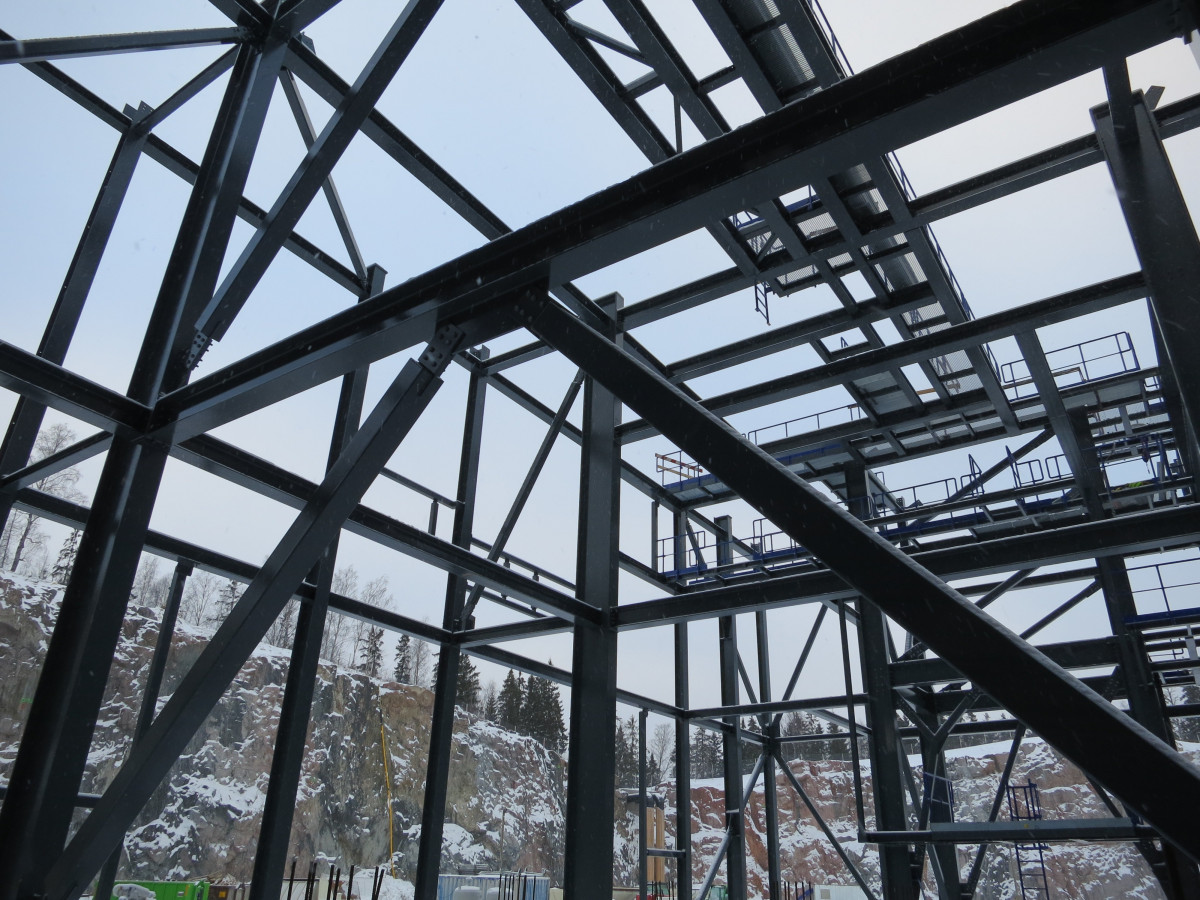
7 Vacuum Excavation Tactics for Deep Fiber Hubs [2026]
The Evolving Role of Vacuum Excavation in Modern Infrastructure Development
As urban environments become increasingly complex, the integration of vacuum excavation techniques such as hydrovac and trenchless methods is no longer optional but essential. These approaches facilitate precision, reduce surface disruption, and significantly mitigate the risk of utility strikes—a critical concern highlighted in recent industry analyses published by the American Society of Civil Engineers. Mastery of these methods ensures project safety and cost-efficiency, especially in densely populated or sensitive underground ecosystems.
Integrating Trenching Artefacts with Borehole Precision to Overcome Subsurface Challenges
Contemporary trenching strategies go beyond traditional cut-and-cover techniques, embracing advanced borehole integration and soil stabilization tactics. For instance, understanding soil behavior under saturated conditions can inform drainage fixes that prevent trench washouts, as discussed in dedicated case studies. These innovations demand a nuanced grasp of soil mechanics, including compaction and cohesion properties, to effectively adapt trenching tactics to diverse geological contexts.
Why Understanding Soil Variability Is Critical for Deep Fiber Network Deployment
Implementing deep fiber infrastructure hinges on precise soil testing and real-time soil monitoring, elements that underpin successful borehole and trench operations. Soil heterogeneity can cause unexpected borehole deviation or casing collapses, issues prevalent in coastal or high-density urban sites. Leveraging insights from latest research into soil stability and slurry management enhances borehole integrity and reduces the need for costly remediation.
How can professionals optimize vacuum excavation settings to prevent utility damage in complex underground networks?
Adjusting vacuum pressures and flow rates based on soil type and utility proximity is paramount. Utilizing specialized equipment settings—such as those outlined in integrated hydro-vac scenarios—can prevent utility line damage and ensure safety. For comprehensive tactics, consult expert guides that detail step-by-step procedures for setting optimal vacuum parameters tailored for diverse subsurface conditions, reducing the likelihood of utility strikes and project delays. Exploring these adaptive strategies enhances the efficacy of underground excavation in challenging environments.
Innovative Soil Stabilization Techniques for Borehole and Trench Wall Integrity
Addressing soil collapses requires employing advanced slurry and grouting solutions tailored for specific soil compositions. For example, employing high-viscosity mud mixes or soil stabilizers can dramatically increase borehole stability in loose, sandy substrates. These materials not only support structural integrity but also facilitate cleaner excavation and easier reclamation, as validated by recent field trials in urban sites.
The Strategic Advantage of Vacuum Excavation in Protecting Underground Assets
Vacuum excavation, especially when combined with real-time utility mapping, dramatically reduces the incidence of accidental utility damages. Studies emphasize that proper equipment calibration and operator training—aligned with industry standards—are key to harnessing the full benefits of these technologies. As such, investing in continuous skill development and adopting emerging best practices ensures that excavation teams maintain high safety and efficiency standards in complex projects.
For further insights into advanced trenching and hydrovac applications, visit Hydrovac Excavation: The Ultimate Guide to Safe Underground Infrastructure. Professionals are encouraged to contribute their experiences and innovations to foster collective expertise, advancing the field toward safer and more sustainable practices.
Fine-Tuning Vacuum Settings for Complex Underground Networks
Optimizing vacuum pressures and flow rates is crucial when working near sensitive underground utilities, especially in dense urban environments. Precise adjustments based on soil composition, utility type, and proximity can significantly minimize utility strikes and surface disruptions. Industry experts recommend integrating real-time monitoring systems that adapt vacuum parameters dynamically, thereby reducing the risk of accidental damages. For an in-depth understanding of setting best practices, consult comprehensive guides that detail equipment calibration tailored for challenging subsurface conditions, such as those found on these expert resources.
Can Advanced Sensor Technologies Foresee Utility Encroachments?
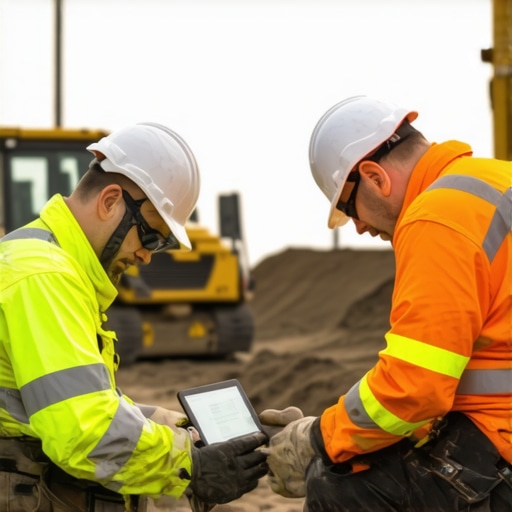
Emerging sensor technologies and geospatial mapping tools are transforming how professionals detect and avoid underground utilities. Multi-sensor arrays, combined with machine learning algorithms, can predict utility locations with remarkable accuracy, even before excavation begins. These innovations not only enhance safety but also streamline project timelines by reducing non-productive probing and rework. Investing in such technologies aligns with a proactive approach to underground asset management and could serve as a game-changer for complex projects. As industry authorities highlight, integrating sensor data with existing GIS platforms enhances situational awareness, leading to smarter excavation strategies (see more).
What are the practical steps to train operators in leveraging sensor data effectively?
Comprehensive training programs focusing on sensor interpretation and decision-making underpins successful adoption. Hands-on workshops, simulation exercises, and continuous education updates ensure operators can respond swiftly to sensor alerts, thereby minimizing risks. Establishing protocols that incorporate sensor insights into standard operating procedures fosters a safety-focused culture. For detailed frameworks on operator training and technology integration, review industry-standard guidelines available on trusted platforms like Hydrovac Excavation guides.
If you’re seeking cutting-edge tactics to protect underground utilities during excavation, consider sharing your experiences or exploring more innovative solutions through industry forums and professional networks. Collaboration not only accelerates learning but also advances overall safety and efficiency standards.
Precision in Utility Detection Ensures Uninterrupted Urban Development
In densely populated urban landscapes, the paramount importance of accurate utility detection cannot be overstated. Advanced geophysical methods, such as ground penetrating radar (GPR) combined with electromagnetic induction, provide detailed subsurface mapping that surpasses traditional probe techniques. Integrating these technologies allows excavation professionals to visualize utility networks with centimeter-level accuracy, significantly reducing accidental strikes. The adoption of high-resolution 3D subsurface models, as demonstrated in recent case studies published in the Journal of Geotechnical and Geoenvironmental Engineering, equips teams with a proactive approach to underground asset management.
Leveraging Dynamic Soil Behavior Models for Deeper Boreholes
Accurate soil characterization becomes increasingly complex as excavation depth increases, especially in heterogeneous environments. Incorporating real-time geotechnical sensors that monitor parameters such as pore pressure, shear strength, and soil moisture enables the development of dynamic soil behavior models. These models facilitate predictive adjustments during borehole drilling, preventing collapse and ensuring core integrity. Researchers at the National Institute of Standards and Technology (NIST) emphasize that adaptive modeling improves borehole stability by accounting for temporal and spatial soil variability, especially in zones prone to liquefaction or collapse under saturation.
What innovative methods are emerging to integrate sensor data with automated excavation control systems?
The convergence of sensor technology and automation paves the way for intelligent excavation systems capable of adjusting parameters instantaneously. For instance, machine learning algorithms trained on extensive sensor datasets can predict soil shifts and utility movements, influencing vacuum pressures, flow rates, and directional controls in real-time. Companies like Trimble and Leica Geosystems are pioneering integrated platforms that combine LIDAR, GPR, and robotic control, yielding high-precision, low-risk excavation operations. Studies highlight that such systems, when paired with robust cybersecurity measures, can transform industry standards by minimizing human error and enhancing safety protocols.
To encapsulate, embracing these technological synergies requires not only hardware investments but also a strategic shift in operational mindset. Professionals who lead the adoption of these advanced systems will likely drive the next evolution in underground excavation excellence, ensuring infrastructure resilience amidst expanding urban demands.
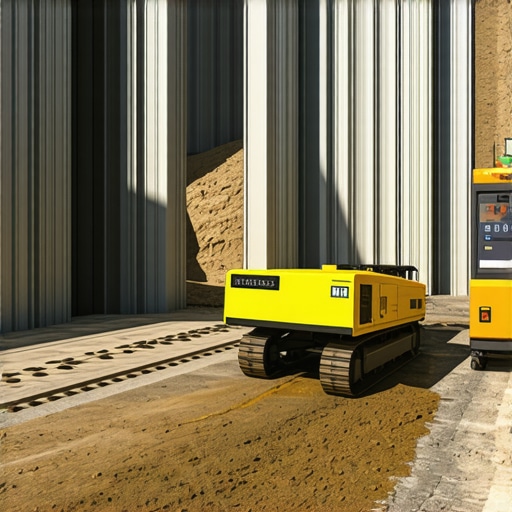
Consider visualizing the integration of geophysical sensors with automated control systems. An illustrative image of a trenchless excavation site equipped with sensor arrays, robotic control pods, and overlayed real-time data visualizations can significantly enhance comprehension of these cutting-edge advancements.
Unlocking Precision: How High-Definition Ground Penetrating Radar Is Revolutionizing Utility Detection
Modern trenching operations benefit immensely from advancements in geophysical survey methods, especially the deployment of high-definition ground penetrating radar (GPR). This technology provides detailed subsurface imaging with centimeter-level accuracy, enabling operators to visualize underground utility networks in real-time. Such enhanced spatial awareness minimizes the risk of accidental strikes and preserves vital infrastructure, aligning with the industry’s move toward safer, smarter excavation practices. The integration of this data into sophisticated GIS platforms accelerates decision-making and streamlines project workflows.
The Hidden Power of Data Fusion in Deep Soil Assessments
Combining multiple sensor modalities—such as electromagnetic induction, seismic array analysis, and resistivity measurements—creates a comprehensive soil profile, revealing heterogeneities that complicate trenching and borehole stability. Data fusion allows geotechnical engineers to construct dynamic, high-resolution models of subsurface conditions, leading to optimized excavation parameters. These models can predict areas susceptible to liquefaction or collapse, especially critical in urban environments with layered, variable soils. Embracing integrated geotechnical sensing results in safer, more efficient project execution, particularly in challenging geologies.
What are the practical steps to implement automated anomaly detection systems in underground excavations?
Adopting machine learning algorithms trained on extensive sensor datasets facilitates real-time anomaly detection—such as unexpected utility deflections or soil disturbances—that could compromise safety. These systems can automatically alert operators to potential issues, enabling prompt adjustments in excavation parameters. Critical to success is the development of robust, curated datasets and the integration of these algorithms with existing control systems, fostering a proactive safety culture that mitigates risks before incidents occur. Consulting specialists who specialize in AI-driven geotechnical monitoring can bridge knowledge gaps and accelerate implementation.
Enhanced Operator Training through Virtual Reality Simulations
State-of-the-art virtual reality (VR) modules simulate complex trenching scenarios, allowing operators to practice sensor interpretation, equipment calibration, and emergency responses within a risk-free environment. These immersive training tools improve decision-making skills, ensuring that team members can respond effectively to sensor alerts and unexpected subterranean conditions. By integrating VR with live sensor data feeds from active sites, organizations can create continuous learning ecosystems that adapt to evolving technologies and site-specific challenges, elevating safety standards across the industry.
The Role of Automated Control Systems in Dynamic Soil Stabilization
Emerging automated systems leverage real-time sensor data to modulate soil stabilization agents, such as grouting and slurry injections, precisely where and when needed. This targeted approach conserves resources, reduces environmental impact, and maintains borehole or trench wall integrity against shifting soil behavior. For example, adaptive control algorithms can respond instantly to pore pressure changes detected by embedded sensors, preventing collapses in unstable zones. Integrating these systems into comprehensive excavation management platforms ensures a seamless, data-driven approach to complex underground work.
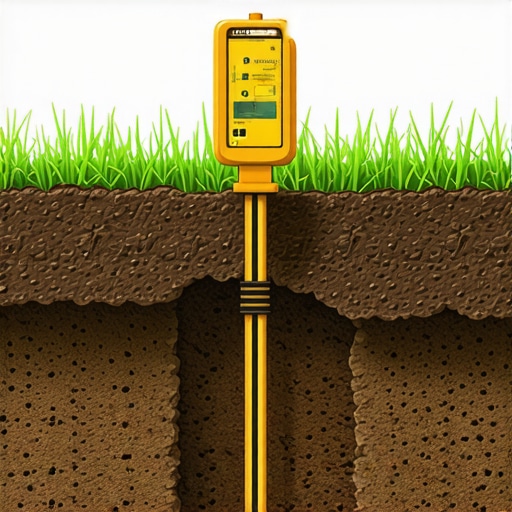
An illustrative image showcasing a trenchless excavation site fitted with advanced sensor arrays, robotic control units, and overlayed real-time geotechnical data visualizations can effectively convey the intricacies of these cutting-edge methods.
,
Expert Insights & Advanced Considerations
The Role of Data-Driven Strategies in Precision Excavation
Implementing real-time sensor integration and dynamic soil modeling enhances accuracy and safety during subterranean work, reducing the risk of utility damage and soil collapse.
The Potential of Artificial Intelligence in Utility Mapping
AI algorithms analyzing geospatial and sensor data can preemptively identify utility encroachments, streamlining planning and mitigating operational delays in complex underground environments.
Harnessing Automation for Soil and Utility Assessment
Automated control systems and machine learning support adaptive responses to subsurface changes, ensuring excavation stability and asset protection in unpredictable geological conditions.
Advanced Material Technologies for Soil Stabilization
Emerging soil stabilizers and slurry formulations tailored to specific geologies bolster trench and borehole integrity, expediting project timelines and minimizing environmental impact.
Innovative Rig Design Elevates Safety Standards
Next-generation hydrovac machinery featuring enhanced ergonomic controls, integrated sensing, and fail-safes promote operator safety while increasing operational precision.
Curated Expert Resources
- Hydrovac Excavation: The Ultimate Guide to Safe Underground Infrastructure—Comprehensive resource on modern trenching, soil management, and safety protocols.
- Journal of Geotechnical and Geoenvironmental Engineering—Peer-reviewed studies offering insights into soil behavior modeling and geophysical survey advancements.
- American Society of Civil Engineers Technical Papers—Industry-standard research on underground utility detection and innovative excavation techniques.
- Software Tools for Subsurface Mapping and Planning—Cutting-edge GIS and AI-driven platforms endorsed by industry leaders.
The Way Forward in Deep Excavation Practices
Integrating advanced sensor technologies with automation and predictive analytics transforms enterprise capabilities, making precise, safe, and efficient underground construction the new norm. Embracing these innovations requires a strategic commitment to continuous learning, operator training, and adopting proven resource frameworks. The ongoing evolution of vacuum excavation and trenching methodologies offers a compelling path toward smarter infrastructure development—one that industry professionals are eager to lead. To deepen your expertise, engage with specialized training modules, contribute to collaborative innovation projects, or explore the latest research in geotechnical engineering and automation. Your insights and experiences are vital in shaping a resilient, future-ready underground construction landscape.