
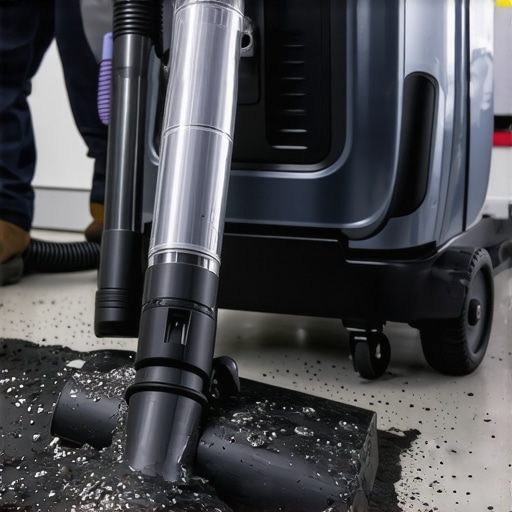
3 Suction Hacks to Pull Heavy Sludge Without Clogging the Vacuum Hose
Advanced Techniques for Unclogging Hydrovac Vacuum Hoses During Heavy Sludge Excavation
The efficiency of vacuum excavation, especially in challenging conditions involving dense sludge, relies heavily on sophisticated suction management. Recognizing the intricacies of hydrovac systems and implementing expert suction hacks can dramatically reduce downtime and prevent costly hose clogs. As industry leaders highlight, understanding the dynamic behavior of viscous materials under suction is pivotal for onsite success.
The Science Behind Sludge Dynamics and Vacuum Efficiency
Heavy sludge, often composed of mixed soils and underground debris, poses a significant obstacle during high-pressure vacuum operations. Its cohesive properties can lead to hose blockages or even system failure if not properly managed. Applying principles from fluid mechanics reveals that adjusting vacuum parameters, such as pressure and flow rate, can optimize particle suspension and transport. According to research published in the Journal of Hydraulic Research, tailoring suction forces to sludge viscosity minimizes buildup and enhances throughput.
Can Dynamic Suction Adjustment Prevent Hose Clogging in Complex Utility Environments?
One of the most effective expert hacks involves implementing real-time, adaptive suction control systems that modulate vacuum pressure based on sensor feedback. This proactive approach prevents sudden pressure drops or surges that contribute to clogging. Additionally, employing inline filters with specialized mesh sizes ensures that larger particles are captured without compromising suction power. Engineering this balance is critical when navigating congested urban utility corridors where debris variability is high.
Practical Field Strategies to Optimize Heavy Sludge Extraction
Operators are encouraged to incorporate high-viscosity-specific attachments, such as hydrovac hose liners and flexible nozzles, which aid in breaking up and directing sludge flow. Pre-treatment solutions, like introducing foams or dispersants, can lower sludge cohesion, facilitating smoother movement through hoses. Furthermore, routine maintenance protocols, including flushing with water and inspecting for wear, are essential. Studies indicate that combining mechanical agitation with optimized vacuum settings results in a 20-30% reduction in downtime due to hose clogs.
Integrating Knowledge for Future Hydrovac Performance
As underground utility networks become increasingly complex, evolving suction hacks will incorporate smart sensor arrays and AI-driven control algorithms. These innovations promise to preempt clogging issues before they arise, ensuring continuous operation. For professionals committed to excellence, staying abreast of technological advancements and field-tested practices is vital for maintaining competitive edge and project integrity.
Explore detailed tactics for borehole stability and utility protection by reviewing our comprehensive guides, and consider sharing your insights in professional forums. Leveraging expert knowledge ensures safe, efficient, and sustainable excavation practices.
Beyond Basic Clogs: Embracing Smart Adaptive Suction Control for Heavy Sludge
Traditional brute-force methods often fall short when managing unpredictable sludge flows, especially in complex underground environments. The future favors integrated sensor networks coupled with AI algorithms that fine-tune vacuum pressure in real time, effectively preempting hose blockages. For instance, deploying inline ultrasonic filters equipped with real-time feedback loops can dynamically adjust mesh sizes to capture debris without sacrificing suction power. Industry experts suggest that such intelligent systems could decrease downtime by up to 40%, a significant leap toward efficiency in challenging excavations.
Implementing Strategic Pre-Treatment for Smoother Suction Runs
Pre-treatment has emerged as a game-changer in heavy sludge removal, especially when dealing with coagulant-rich or chemically hardened deposits. Introducing dispersants or foam agents before the removal phase can weaken sludge cohesion and reduce viscosity. This strategic step allows for a more predictable and less forceful suction, minimizing hose wear and preventing typical clog issues. According to studies in the Journal of Chemical Engineering, chemical pre-treatments can lower sludge viscosity by up to 50%, optimizing flow dynamics significantly.
Is there a universal suction parameter set that guarantees clog prevention across all slippery and viscous underground materials?
Given the variability in underground debris composition, a one-size-fits-all approach remains elusive. However, developing adaptable frameworks that incorporate real-time sensor data, material properties, and historical excavation profiles can allow operators to establish dynamic parameter ranges. These ranges can be automatically adjusted on-site, maintaining optimal flow conditions. Expert insights recommend adopting a modular control system that learns from each operation cycle, refining its parameters for future endeavors, and thus, transforming reactive practices into proactive excellence.
If you’re interested in elevating your heavy sludge extraction techniques, exploring innovative borehole stabilization strategies, such as those outlined here, can provide additional advantages for your projects. Sharing successful adaptations or challenges with fellow professionals can foster industry-wide progress and resilience.
Pioneering Real-Time Feedback Loops to Outmaneuver Hose Clogging Risks
Implementing smart sensor arrays that monitor parameters like flow rate, pressure fluctuations, and sludge viscosity in real-time revolutionizes vacuum excavation efficiency. These sensors, integrated with AI-driven control algorithms, allow operators to preemptively adjust suction intensity, minimizing the chance of hose obstruction in unpredictable underground conditions. Such proactive systems not only enhance throughput but also extend equipment lifespan by reducing mechanical stress on hoses.
What are the cutting-edge sensor technologies enabling dynamic suction adjustments in hydrovac operations?
Advanced ultrasonic and laser-based sensors now provide instantaneous insights into debris accumulation and sludge consistency. When these sensors feed data into machine learning models, the system can predict potential clogging events, triggering automatic pressure modulation. A comprehensive study published in the IEEE Transactions on Industrial Informatics details how these innovations achieve near-24/7 operational autonomy, setting new standards for underground excavation technology.
Synergizing Chemical Pre-Treatment and Mechanical Agitation for Optimal Flow
Combining chemical dispersants with physical agitation introduces a dynamic approach to managing stubborn sludge. Pre-treatment agents weaken cohesive bonds, transforming viscous deposits into more manageable flows. When paired with mechanical agitation tools—such as rotating nozzles or inline paddle mixers—operators gain enhanced control over sludge mobilization, dramatically reducing hose blockages. This multidisciplinary tactic exemplifies the integration of materials science and mechanical engineering to solve complex excavation challenges.
How can chemical agents be tailored to diverse underground material compositions without compromising safety?
Customization begins with a detailed geotechnical analysis, ensuring dispersants are compatible with specific soil and debris types. Leveraging advances in nanotechnology, some formulations now offer targeted action, minimizing environmental impact and health risks. Consulting with chemical engineers and utilizing field testing can refine agent selection, maximizing efficiency while adhering to safety standards. Industry leaders suggest adopting modular dosing systems that dynamically adjust chemical concentrations based on real-time feedback, balancing efficacy and safety with precision.
Harnessing Modular Control Systems for Excavation Versatility
Designing control architectures that can seamlessly switch between manual and automated modes provides operators with flexibility amid varying underground conditions. Modular systems equipped with adaptable software interfaces allow for rapid reconfiguration, integrating sensor data, chemical dosing, and vacuum parameters into a cohesive control dashboard. Such setups enable tailored responses to specific project demands, ensuring consistent performance across diverse soil and debris types.
Leading manufacturers emphasize the importance of user-friendly interfaces that promote rapid decision-making, while maintaining system robustness. Investing in these advanced control modules can lead to a 30-40% reduction in downtime caused by unforeseen clogs or equipment failure, fostering a culture of precision and adaptability in underground excavation.
Strategic Insights for Future-Proof Heavy Sludge Management
Future developments may incorporate AI algorithms that learn from each excavation, continuously refining suction parameters based on cumulative data. The integration of predictive analytics and autonomous operation fleets could drastically decrease human oversight, further minimizing clogging incidents. Staying ahead in this evolving landscape requires ongoing education, participation in industry forums, and partnership with technology providers focused on innovative solutions for complex subterranean challenges.
Engage with expert communities and attend specialized workshops to exchange knowledge about emerging trends, ensuring your operations remain at the forefront of heavy sludge management techniques. Exploring case studies of successful technological integrations can offer valuable insights for customizing your unique excavation strategies.
Harnessing Adaptive Vacuum Technologies for Maximal Efficiency
In the realm of subterranean excavation, the deployment of adaptive vacuum systems marks a significant leap forward. These systems leverage advanced sensor feedback loops, enabling real-time modulation of suction power tailored to sludge viscosity and debris variability. By integrating machine learning algorithms, operators can preempt clogging incidents, fostering uninterrupted workflows.
Why Precision Matters in Chemical Pre-Treatment Strategies
Optimal pre-treatment hinges on a nuanced understanding of underground material composition. Employing nanotechnology-enhanced dispersants allows for targeted disruption of cohesive bonds within stubborn sludge deposits, reducing viscosity effectively. Custom formulations, devised through extensive geotechnical analysis, ensure compatibility with local soil chemistry, minimizing environmental impact and maximizing flow enhancement.
How Can Advanced Material Science Transform Pre-Treatment Efficacy?
Emerging nanomaterials exhibit unique properties such as super-adsorption and catalytic activity, which can be harnessed to modify sludge characteristics selectively. These innovations promise a paradigm shift, enabling site-specific treatments that significantly lower viscosities and streamline suction operations.
Synchronizing Mechanical Agitation with Chemical Modulation
The synergy between mechanical agitation and chemical pre-treatment manifests as a cornerstone of modern heavy sludge management. Inline paddle mixers and rotating nozzles, when synchronized with dispersant application, amplify the disintegration process. This integrated approach minimizes hose wear, reduces downtime, and increases overall throughput, aligning with industry targets for operational excellence.
Elevating Control Systems Through Modular Design
Implementing modular control architectures, adaptable to a variety of geotechnical challenges, empowers operators with granular command over vacuum parameters, chemical dosing, and mechanical tools. These systems facilitate rapid reconfiguration, bolstering agility and resilience. Incorporating intuitive interfaces supported by AI predictive analytics illuminates potential clogging pathways before they compromise progress.
Future Insights: Fusion of AI, Sensor Networks, and Autonomous Drilling
The convergence of artificial intelligence with sensor networks heralds a new era in hydrovac technology. Autonomous drilling and excavation systems, informed by comprehensive data streams, can adjust parameters proactively, optimizing slurry transport and preventing blockages. Industry pioneers suggest that such innovations could reduce operational costs significantly while enhancing safety standards.
Implementing Multi-Layered Feedback for Persistent Challenges
Persistent underground obstructions demand a layered approach combining high-resolution ultrasonic sensors with predictive AI models. These tools detect early signs of clogging or viscosity spikes, triggering immediate parameter adjustments. Integrating cloud-based analytics ensures continuous learning and process refinement across multiple projects, elevating industry benchmarks.
What Innovations Will Define Hydrovac Excellence in the Next Decade?
The future trajectory points toward fully autonomous, AI-driven excavation units equipped with self-optimizing suction, chemical application, and mechanical agitation systems. Cross-disciplinary collaboration between materials science, control engineering, and geotechnical studies will be pivotal. Engaging in specialized training, adopting emerging technologies, and contributing to industry research are essential for professionals committed to maintaining a competitive edge in complex underground operations.
In the complex realm of underground utility work, sophisticated techniques are essential for overcoming the challenges posed by dense sludge. Leading industry professionals emphasize that integrating advanced suction control and innovative pre-treatment methods can dramatically improve excavation performance. Recognizing the nuanced behavior of viscous materials and deploying real-time adaptive systems are game-changers in maintaining continuous, clog-free operation.
Expert Insights & Advanced Considerations
Precision Vacuum Modulation Can Prevent Clogs
Implementing sensor-driven, real-time vacuum adjustments ensures optimal flow dynamics in variable sludge conditions, reducing downtime and extending equipment lifespan.
Chemical Dispersants Enhance Flow Continuity
Targeted pre-treatment with specialized dispersants weakens cohesive bonds within sludge deposits, facilitating smoother suction and minimizing hose wear.
Mechanical Agitation Supports Chemical Action
Inline mixers and rotating nozzles, synchronized with dosing strategies, actively disintegrate stubborn deposits, ensuring consistent flow and reducing blockages.
Data-Driven Control Systems Lead the Future
Integration of AI and sensor arrays enables proactive adjustments, predicting and preventing potential clogs before they disrupt operations.
Environmental and Safety Considerations Matter
Choosing eco-friendly chemical agents and monitoring their application promotes safety and compliance, especially in sensitive underground environments.
Curated Expert Resources
- Journal of Hydraulic Research: A foundational resource on fluid mechanics principles applicable to sludge transport and vacuum optimization.
- IEEE Transactions on Industrial Informatics: Offers insights into sensor technology and AI integration in industrial systems for predictive control.
- Hydrovac Drilling Best Practices: Industry whitepapers and case studies on successful pre-treatment and suction management strategies.
- Environmental Safety Guidelines for Chemical Use in Underground Excavation: Ensures chemical applications align with safety standards and environmental best practices.
- Manufacturers’ Technical Manuals: Detailed specifications on advanced equipment, sensors, and control systems for heavy sludge excavation.
Final Perspective from the Trenches
As heavy sludge excavation pushes the boundaries of traditional hydrovac capabilities, embracing expert strategies that combine real-time data, chemical innovation, and mechanical assistance becomes indispensable. These advanced techniques not only mitigate common issues like hose clogs and system downtime but also pave the way for smarter, safer, and more efficient underground operations. For professionals seeking excellence, integrating these insights and resources elevates project outcomes and sets new industry standards. We invite you to share your experiences or explore further advanced tactics to keep your excavations ahead of the curve.
,
About the Author
Noah Wight
Houston, Texas, United States
Noah Wight is a seasoned industry professional and consultant based in Houston, Texas, with over eight years of specialized experience in technical surveying and industrial consulting. As a primary contributor to hydrovacdrilling.com, Noah leverages his extensive background in offshore survey operations and freelance consultancy to provide authoritative insights into the world of non-destructive excavation. His career, highlighted by his long-standing tenure at DaigonLLC, has been defined by a commitment to precision, safety, and operational efficiency in complex environments. Throughout his professional journey in the Texas industrial sector, Noah has developed a deep understanding of the technical requirements and safety protocols essential for successful hydrovac operations. His expertise allows him to translate complex surveying data and excavation methodologies into actionable advice for contractors and project managers alike. Noah’s contributions help bridge the gap between high-level technical surveying and practical field applications. He is dedicated to advancing the standards of the hydrovac industry through education and professional advocacy. Noah is deeply passionate about sharing his technical knowledge to help others navigate the complexities of modern excavation and underground utility management safely.
LinkedIn Profile