5 Silt-Specific Slurry Mixes to Stop 2026 Borehole Collapse
Revolutionizing Borehole Stability: The Role of Advanced Slurry Mixes and Soil Stabilizers in 2026
As urban infrastructure projects grow increasingly complex, maintaining borehole integrity becomes paramount. The evolution of slurry formulations and soil stabilization techniques now enables engineers to preempt collapse risks associated with challenging soil conditions. In this landscape, understanding the nuanced interplay between slurry composition and soil behavior is essential for sustainable excavation practices.
Leveraging Soil Mechanics to Combat Borehole Collapse
The failure of boreholes often stems from unforeseen soil instability, especially in heterogeneous silt and clay domains. Recent research underscores the importance of tailored slurry mixes—specifically designed to enhance cohesion and prevent wall sloughing. The integration of geotechnical insights facilitates a proactive approach, wherein soil properties are meticulously analyzed to select the optimal slurry mix that aligns with site-specific conditions.
Why Are 2026’s slurry innovations essential for urban utility applications?
Urban projects demand minimal disruption and rapid completion, making traditional soil stabilization methods less viable. Incorporating complex, professionally formulated slurry mixes—such as high-density bentonite, polymer-enhanced slurries, or biopolymer-based solutions—addresses both environmental concerns and operational efficiency. These mixes exert greater hydrostatic pressure, effectively counteracting soil shear forces that induce borehole collapse, particularly within silty or sandy strata.
Can slurry chemistry be adapted dynamically to changing soil conditions during drilling?
Adaptive slurry management remains a frontier in field applications. Real-time monitoring and responsive adjustments to slurry density and viscosity can significantly mitigate collapse risks, especially in sites with unpredictable subsurface variability. Advanced sensor technologies, combined with predictive modeling, empower drill operators to fine-tune slurry parameters on the fly, ensuring borehole stability throughout complex or lengthy operations.
Integrating Geotechnical Expertise into Vacuum Excavation Strategies
The synergistic use of vacuum excavation techniques and precise slurry mixes paves the way for safer, more reliable site operations. Strategic soil stabilization minimizes the hazards associated with high-pressure water or air jets, often employed in vacuum excavation, thereby preserving utility lines and underground structures. Combining these methods with soil stabilizers enhances ground support, especially in fragile or saturated soils.
Choosing the Right Mixes for Deep, Challenging Environments
Specialized slurry compositions become increasingly vital when working in high-pressure aquifers or dense bedrock. For instance, incorporating non-foaming polymers can prevent unwanted cavitation, while silica-based additives bolster strength in abrasive geological contexts. The goal remains consistent: create a cohesive borehole wall that resists collapse during and after drilling, supporting the longevity of underground infrastructure.
For those interested in advanced borehole mapping techniques that complement slurry stabilization, refer to our expert guide on deep urban mapping strategies. Engaging with geotechnical specialists and employing laboratory-based soil analysis ensures that slurry formulations are precisely calibrated to project demands.
Unlocking the Future of Borehole Sustainability
By embracing innovative slurry mixes and soil stabilization approaches, industry professionals can significantly extend borehole lifespan, reduce environmental impact, and streamline project timelines. Continued research and field validation are crucial, as emerging materials like biopolymers or nanomaterials begin to influence standard practices. Ultimately, a strategic blend of geotechnical engineering, fluid dynamics, and environmental stewardship will define the success of underground utility projects in 2026 and beyond.
Interested in deploying cutting-edge stabilization techniques? Connect with geotechnical experts and contribute your insights within professional forums. Staying informed through authoritative sources, like the Geotechnical Society, ensures your practices remain at the forefront of industry standards.
Harnessing Real-Time Data to Optimize Slurry Performance
In the quest for increased borehole stability, integrating advances in sensor technology with slurry formulation strategies offers unparalleled advantages. Real-time monitoring of slurry density, flow rate, and temperature allows drill operators to dynamically adjust mixing ratios, ensuring optimal cohesion and minimizing collapse risks. Incorporating predictive analytics, leveraging data from sources like real-time loggers, transforms slurry management from reactive to proactive, significantly enhancing the safety and success rates of complex urban excavations.
Could Nanomaterials Revolutionize Borehole Soil Stabilization in 2026?
Emerging research highlights the potential of nanomaterials—such as nano-silica or carbon nanotubes—to dramatically improve soil bonding and slurry strength. These advanced additives offer the dual benefit of reducing material volumes while boosting effectiveness, which can lead to cost savings and environmental benefits. Experts are exploring the application of nanocoatings integrated into slurry mixes to create highly durable borehole walls capable of withstanding aggressive subsurface conditions, including high-pressure aquifers or fractured rock formations. For practical insights on implementing such cutting-edge materials, review the latest industry reports and case studies shared by geotechnical innovators.
How can professionals ensure slurry formulation remains adaptable amidst unpredictable soil changes?
Adaptive slurry strategies hinge on the development of flexible protocols and robust sensing infrastructure. Combining laboratory soil analysis with in-situ testing accelerates the onboarding of site-specific formulations. Additionally, deploying smart mixing systems capable of quick adjustments—such as variable viscosity pumps and modular additive dispensers—empowers operators to respond seamlessly to live data. This approach not only enhances borehole integrity but also aligns with sustainable practices by reducing waste and overuse of materials. For a comprehensive overview of adaptable slurry systems, visit our expert guide on soil stabilizers.
Implementing Multi-Layered Soil Stabilization Protocols for Deep Digital Infrastructures
Deep urban digs, especially for digital infrastructure like fiber optics and 5G antenna arrays, demand multilayered stabilization approaches. Combining chemical slurry mixes with physical reinforcement—such as soil nails, geogrids, or granular additives—can create an integrated support system that adapts to layered geological complexities. These multi-pronged tactics reduce the likelihood of settlement or collapse, ensuring long-term serviceability. Professionals should consider tools like sand stability solutions and geotechnical modeling software to tailor stabilization layers to unique site conditions.
For detailed methodologies on combining chemical and physical stabilization, consulting with geotechnical engineers and reviewing case studies from industry-leading research is highly recommended. Properly designed multi-layer support can dramatically extend the lifespan and reliability of underground digital infrastructure, reducing post-installation maintenance costs.
Embracing Sustainable Materials for Future-Focused Borehole Solutions
The environmental impact of soil stabilization materials remains a critical consideration. Biopolymer-based slurry mixes, infused with biodegradable additives, are gaining traction as eco-conscious alternatives to traditional clay or chemical-based solutions. These sustainable formulations not only meet regulatory standards but often outperform conventional mixes by promoting native soil compatibility and reducing chemical runoff. Industry trend reports suggest that integrating bio-based slurry options can enhance public perception of utility projects while aligning operational goals with environmental stewardship principles. Engaging with vendors specializing in green geotechnical materials—alongside rigorous field validation—ensures that sustainability does not compromise performance.
To stay ahead of industry developments, subscribe to trusted publications such as the Geotechnical Society, which regularly features innovations in eco-friendly stabilizers and slurry technologies. Continuous education in sustainable practices will be paramount for geotechnical teams aiming for resilient and responsible underground infrastructure in 2026 and beyond.
Harnessing the Power of Nanotechnology in Soil Stabilization
Emerging nanomaterials, such as nano-silica and carbon nanotubes, are redefining the boundaries of soil stabilization. Their integration into slurry formulations creates nanocomposite matrices with exceptional bonding properties, resulting in borehole walls that resist collapse even under severe geological stress. These solutions promise lightweight, cost-effective, and environmentally friendly alternatives that outperform traditional stabilizers in both strength and durability. Moreover, their high surface area-to-volume ratio allows for targeted modifications at the molecular level, optimizing soil-fluid interactions for specific site conditions.
Can nanomaterials be reliably scaled for large-scale underground projects?
While laboratory results are promising, translating nanotechnology into field-scale applications necessitates overcoming challenges related to uniform dispersal, cost, and regulatory approvals. Recent pilot projects, documented by the Geoengineering Research Institute, demonstrate successful deployment with advanced mixing techniques and controlled dosing systems. Continued R&D and collaboration between material scientists and geotechnical engineers are essential to establish standardized protocols, validate long-term effects, and develop cost-efficient manufacturing processes compatible with existing drilling operations.
Integrating AI and Predictive Analytics for Proactive Borehole Management
The future of borehole stability hinges not only on physical materials but also on intelligent data-driven control systems. Artificial intelligence (AI) algorithms, trained on vast datasets integrating soil properties, slurry composition, and real-time drilling parameters, can forecast potential instability issues before they materialize. Predictive models enable operators to adjust slurry ratios or employ supplementary reinforcement measures proactively, thus minimizing downtime and avoiding catastrophic collapses. Sensors embedded in the drill string collect continuous data streams, feeding into AI platforms that analyze conditions instantaneously, offering actionable insights at unprecedented speeds.
How might machine learning optimize soil stabilization strategies in complex geological environments?
Machine learning models excel at identifying subtle correlations within multilayered datasets, such as interactions between soil mineralogy, moisture content, and slurry behavior. By training these models with historical project data, experts can develop customized stabilization protocols tailored to intricate subsurface structures. For instance, reinforcement strategies can be dynamically adapted based on model predictions, ensuring maximum stability with minimal material use. As these AI systems evolve, their integration with robotic drilling rigs may enable autonomous in-field decision-making — a leap toward fully self-optimizing underground construction processes. For further insights, consult recent publications like the PLOS ONE study on AI-driven geotechnical management.
Innovations in Eco-Friendly Stabilization: The Role of Biopolymers and Recycled Materials
The environmental footprint of soil stabilization is shaping the future of sustainable construction. Biopolymers derived from renewable resources, such as polysaccharides and proteins, are increasingly integrated into slurry mixtures to enhance soil cohesion while ensuring biodegradability. These eco-friendly agents often outperform conventional chemical stabilizers by fostering native microbial activity and promoting soil restoration. Additionally, incorporating recycled materials—like shredded rubber, crushed glass, or plastic fibers—can strengthen borehole walls and reduce waste, aligning with circular economy principles. Such innovations not only mitigate ecological impacts but also appeal to regulatory frameworks that emphasize green practices.
What are the practical considerations for implementing bio-based stabilizers in large-scale projects?
Scaling bio-based solutions demands meticulous assessment of factors such as shelf life, curing times, compatibility with existing slurry systems, and baseline soil chemistry. Pilot programs, documented by the Sustainable Geotechnical Journal, offer valuable case studies demonstrating successful adaptation. Ensuring consistent sourcing of raw materials and developing standardized mixing protocols are crucial steps. Moreover, ongoing monitoring of microbial activity and soil health post-installation helps validate long-term performance, fostering confidence among project stakeholders and regulatory agencies.
Emerging Challenges and the Path Forward for Soil Stabilization Tech
Despite the rapid advancements, several hurdles persist in standardizing cutting-edge stabilization techniques. Variability in geology, climate influences, and project scale introduces complexities that necessitate flexible, adaptable strategies. Furthermore, regulatory frameworks often lag behind technological innovations, creating uncertainty around material approvals and environmental compliance. Addressing this gap requires concerted efforts between industry leaders, policymakers, and researchers to establish comprehensive testing standards and certification processes. Additionally, fostering interdisciplinary collaborations will accelerate the translation of laboratory breakthroughs into field-ready solutions, ensuring that borehole stabilization keeps pace with the evolving demands of underground infrastructure development.
Unlocking the Potential of Microbial-Induced Soil Stabilization Methods
Emerging research highlights the transformative impact of microbial-induced calcite precipitation (MICP) in enhancing borehole wall integrity. This biologically driven process fosters native microbial activity to precipitate minerals that cement soil particles together, creating a naturally robust barrier against collapse. By leveraging specific bacterial strains tailored to subsurface conditions, geotechnical engineers can achieve sustainable and reversible stabilization solutions that outperform traditional chemical stabilizers in both efficacy and environmental footprint.
Is Remote Sensing the Future for Real-Time Borehole Monitoring?
Advancements in acoustic and electromagnetic sensing technologies are paving the way for sophisticated borehole integrity surveillance. High-frequency sensors embedded during drilling operations provide continuous data streams, enabling geoscientists to detect subtle shifts in soil stress and early warning signs of instability. Integrating these sensors with AI-driven analytics offers unprecedented predictive capabilities, allowing for dynamic adjustments to slurry composition and reinforcement measures, thereby preempting potential failures before they manifest.
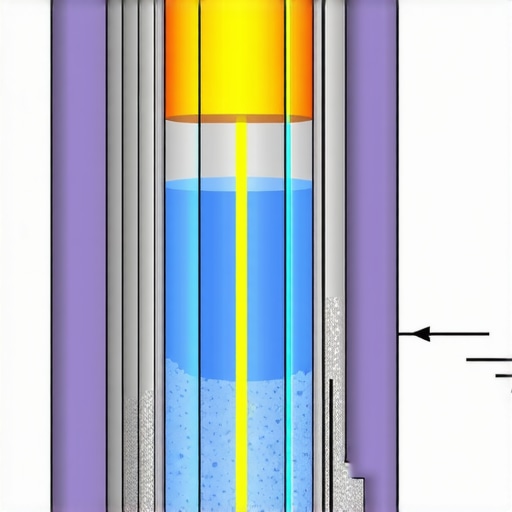
Visual depiction of integrated real-time borehole monitoring sensors transmitting data to a centralized AI analytics platform, illustrating the synergy of sensor technology and data analysis in geotechnical safety.
The Role of Nanostructured Additives in Enhancing Soil-Hydraulic Interaction
Incorporating nanostructured materials such as graphene oxide or nano-clays into stabilization slurries offers remarkable enhancements in soil cohesion and permeability control. These additives increase surface area at the molecular level, facilitating stronger bond formation within soil matrices and improving resistance to aggressive groundwater pressures. Their unique properties enable precise tailoring of slurry rheology to match complex geological formations, ensuring borehole stability under variable subsurface stresses.
Can Machine Learning Algorithms Predict Long-Term Stability of Stabilized Boreholes?
Advanced machine learning models trained on comprehensive datasets—including soil composition, operational parameters, and environmental conditions—demonstrate promising accuracy in forecasting the longevity of stabilization efforts. By identifying subtle correlations and degradation patterns over time, these algorithms support proactive maintenance strategies, reduce unforeseen failures, and optimize material deployment. Continuous refinement of such models, coupled with extensive field validation, is poised to redefine predictive geotechnical engineering.
Adopting Eco-Conscious Materials for Sustainable Soil Reinforcement
The demand for environmentally responsible solutions has accelerated the development of biodegradable polymers and recycled material composites for borehole stabilization. Materials derived from plant-based polymers or waste repurposed into geotechnical fibers not only mitigate ecological concerns but also offer sufficient strength and durability when properly engineered. As regulatory frameworks increasingly emphasize sustainability, integrating these materials into standard practices will become essential for future-proofing underground infrastructure projects.
How Do Variable Geological Conditions Influence Slurry Formulation?
Adapting slurry composition to heterogeneous subsurface environments requires comprehensive geotechnical characterization. Variations in mineralogy, moisture content, and grain size distribution mandate bespoke approaches—ranging from adjusting ionic concentrations to incorporating specific polymer additives—that ensure optimal bonding and permeability control. Developing flexible mixing protocols and on-site testing technologies enhances responsiveness, ultimately improving borehole stability in challenging geological contexts.
Synergizing Soil Mechanics and Fluid Dynamics for Enhanced Stability
An integrated approach that combines soil mechanics principles with fluid flow modeling facilitates the design of slurry mixes that optimally counteract hydrostatic pressures while maintaining workable rheology. Computational tools simulate subsurface interactions, guiding the selection of particle sizes, viscosities, and chemical agents to prevent wall sloughing or collapse. Embracing multidisciplinary collaboration accelerates innovation and tailored solutions for complex drilling environments.
Aligning Regulations with Technological Innovations in Soil Stabilization
As novel materials and methods emerge, regulatory bodies face the challenge of ensuring safety without stifling innovation. Developing evidence-based standards and certification pathways demands close cooperation between researchers, industry stakeholders, and policymakers. Clarifying classification, testing protocols, and environmental impact assessments for cutting-edge stabilizers will facilitate widespread adoption and adherence to best practices in borehole stabilization.
Transforming Borehole Support with Self-Healing Materials
The frontier of geotechnical materials research explores self-healing composites capable of repairing microcracks and minor deformations autonomously. Embedding microcapsules containing healing agents within slurry matrices allows borehole walls to recover from stresses or minor breaches, extending service life and reducing maintenance costs. Such smart materials herald a new era of resilient underground infrastructure that adapts dynamically to geological challenges.
Expert Insights That Shape the Future of Soil Stabilization
Targeted Material Innovations Drive Long-Term Stability
Advanced nanomaterials like nano-silica are revolutionizing borehole support by enhancing strength at the molecular level, offering sustainable and cost-effective solutions for complex geological conditions.
Dynamic Slurry Management Boosts Operational Resilience
Implementing real-time monitoring with predictive analytics allows for adaptive slurry adjustments, minimizing collapse risks and optimizing resource use during unpredictable subsurface encounters.
Synergy of Ecological and Structural Goals
Incorporating bio-based stabilizers and recycled materials balances environmental responsibility with engineering performance, ensuring that sustainability remains integral to infrastructure development.
Interdisciplinary Research Accelerates Field Adoption
Collaborations among geotechnical experts, material scientists, and AI specialists are vital to translating laboratory breakthroughs into field-ready technologies, elevating standards across projects.
Self-Healing Solutions Offer Longevity
Emergent self-healing composites embedded with microcapsules promise borehole walls that autonomously repair microcracks, significantly extending service life and reducing maintenance efforts.
Exceptional Resources to Elevate Your Expertise
- HydroVacs Industry Reports – Stay informed on cutting-edge equipment and application techniques for borehole stability.
- Geoengineering Journals – Access peer-reviewed studies on nanomaterial integration and microbial stabilization methods.
- Geotechnical Society Publications – Engage with standards, best practices, and innovations shaping future industry policies.
- Research Institution Whitepapers – Dive into collaborative projects exploring AI-driven geotechnical management.
- Technical Conferences & Workshops – Participate in forums fostering knowledge exchange among leading experts.
Crafting a Forward-Thinking Perspective on Borehole Resilience
As the landscape of soil stabilization evolves with innovations like nanostructured additives and AI-guided processes, staying at the forefront remains crucial for professionals committed to excellence. Embracing these advanced insights not only enhances project safety and longevity but also positions practitioners as pioneers in sustainable underground construction. Engage deeply with industry developments, share your experiences, and contribute to shaping the resilient infrastructures of tomorrow.