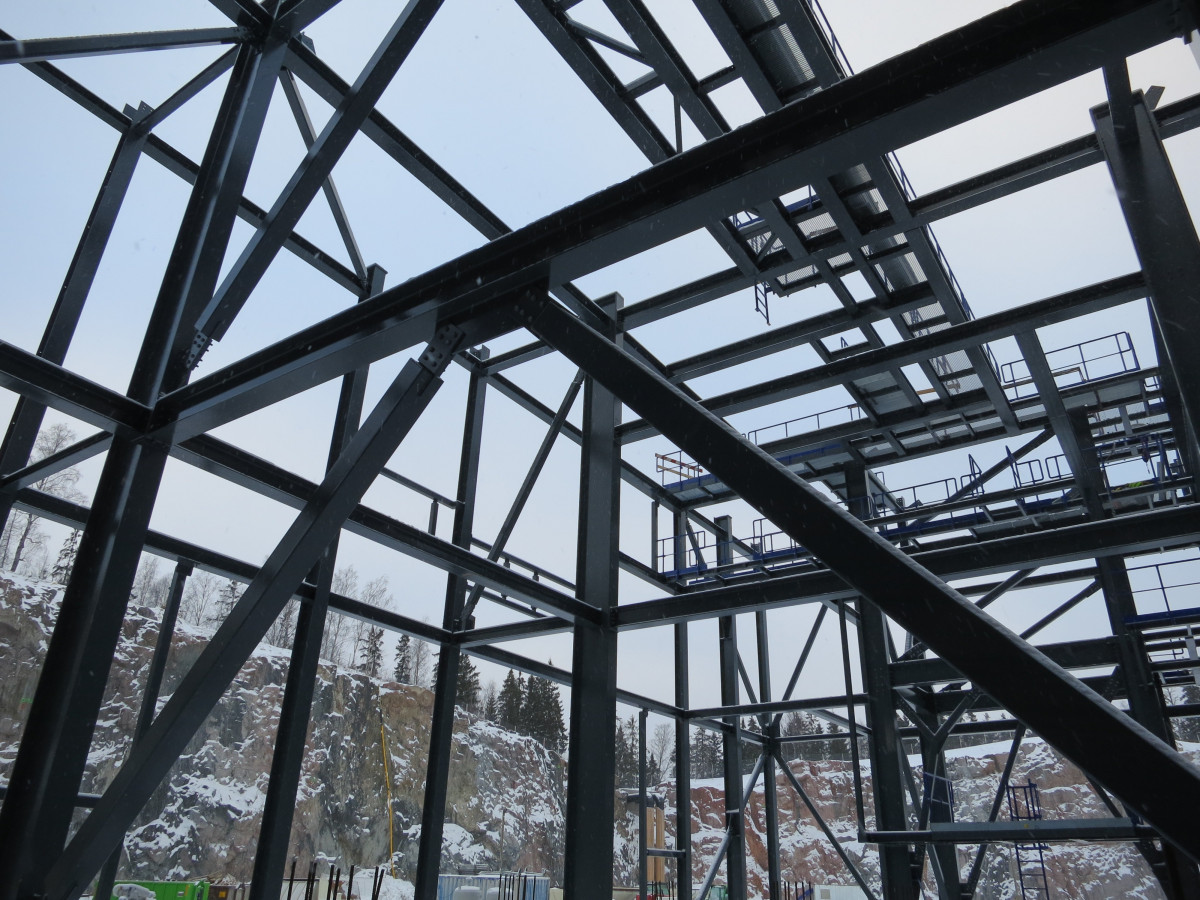
![4 Sand Stability Fixes to Stop Borehole Cave-ins [2026]](https://hydrovacdrilling.com/wp-content/uploads/2026/03/4-Sand-Stability-Fixes-to-Stop-Borehole-Cave-ins-2026.jpeg)
4 Sand Stability Fixes to Stop Borehole Cave-ins [2026]
Advanced Approaches to Ensuring Ground Stability in Modern Borehole Operations
As the infrastructure demands of 2026 accelerate, the importance of resilient trenching, vacuum excavation, and hydrovac techniques becomes paramount in mitigating borehole cave-ins. Recognizing the intricate interplay of soil mechanics and excavation methods enables engineers to implement proactive measures that enhance safety and efficiency.
Integrating Soil Dynamics with Trenching Technique Innovations
Understanding soil behavior, especially in saturated or heterogeneous environments, necessitates a nuanced approach. Utilizing soil testing data, such as shear strength parameters, informs the selection of trenching methods that minimize destabilization. Integrating real-time monitoring tools, including advanced sensors and loggers, aids in predictive stabilization—an approach supported by recent research in geotechnical engineering (Geotechnical Journal).
Harnessing Vacuum Excavation for Precise Soil Interactions
Vacuum excavation’s reputation for reducing ground disturbance hinges on optimized pressure management and debris removal tactics. Strategic adjustments in vacuum pressure and slurry management, such as employing slurry recycling, can significantly diminish the risk of trench wall collapse. Fluid control not only improves soil support but also aligns with sustainability goals, reinforcing operational reliability.
Hydrovac Collaboration with Soil Stabilization Strategies
Incorporating hydrovac technology with soil stabilization practices—like chemical grouting or the application of soil stabilizers—provides a dual-layer defense against cavity formation. These methods, when executed with precision, block water infiltration pathways and bolster soil cohesion, thus preventing borehole cave-ins even in challenging ground conditions.
What are the most effective soil stabilization techniques to incorporate into hydrovac operations for maximum stability?
Field experience suggests that combining chemical grouting with real-time soil monitoring offers a dynamic response to ground movement, especially in urban environments with complex soil profiles. Consulting specialized resources, such as the comprehensive analyses found at Hydrovac Drilling, can inform tailored stabilization solutions.
Professionals actively involved in trenching and borehole projects should consider adopting integrated soil assessment protocols alongside innovative excavation methods to address the challenges of 2026’s complex soil conditions. Sharing insights and case studies enhances collective knowledge and fosters safer, more resilient excavation practices.
Precision in Soil Stabilization: The Key to Borehole Integrity
Achieving optimal soil stability during borehole operations requires more than just traditional methods; it demands the integration of cutting-edge stabilization techniques tailored to diverse ground conditions. Chemical grouting, when combined with real-time soil monitoring, allows operators to respond instantly to soil movement, ensuring borehole walls remain intact. This dynamic approach is particularly crucial in urban settings where complex soil profiles challenge even the most experienced engineers. Recent advancements suggest that employing specialized soil stabilizers, such as nano-engineered additives, enhances cohesion at a microscopic level, reducing risks associated with saturated or loose soils (Hydrovac Drilling).
Harnessing Technology for Soil Behavior Prediction
Modern borehole success hinges on accurate soil behavior predictions. Deploying advanced geotechnical sensors, including piezometers and inclinometer arrays, offers continuous data streams, enabling engineers to anticipate destabilization before it manifests. Such proactive measures empower decision-making, from adjusting slurry compositions to modifying excavation angles. The importance of predictive analytics, supported by machine learning algorithms trained on extensive soil datasets, cannot be overstated in 2026’s increasingly complex terrains. Integrating these tools facilitates a granular understanding of soil dynamics, thereby minimizing costly delays and enhancing safety protocols.
How Can Soil Stabilization Techniques Evolve to Meet 2026’s Urban Challenges?
Innovative strategies such as biopolymer injections and soil energizers are gaining traction as eco-friendly, effective stabilization options. These solutions not only improve cohesion but also address environmental concerns associated with traditional chemicals. Moreover, combining these methods with hydrovac technology creates a resilient barrier against ground slumping and water infiltration—common causes of borehole failure. For instance, employing a hybrid approach that includes soil energizers to activate native soil minerals, complemented by grouting, offers a promising path forward. Consulting industry resources like Hydrovac Drilling provides practical insights into customizing these techniques for varying site conditions.
Sharing expertise and case studies on integrated stabilization methods fosters innovation in the field. As urban landscapes grow denser and soil complexities intensify, engineers must leverage these emergent trends to uphold borehole integrity—transforming risk into reliability. Embracing technological advancements not only mitigates safety hazards but also accelerates project timelines, making 2026 a pivotal year for soil stabilization professionalism.
,
Revolutionizing Soil Stabilization: The Role of Nano-Engineered Additives
As urbanization accelerates, engineers face increasingly complex soil compositions that demand advanced stabilization techniques. Nano-engineered additives, featuring particles less than 100 nanometers, are emerging as game-changers by enhancing soil cohesion at the microscopic level. These materials infiltrate soil pore spaces, forming chemical bonds that significantly reduce permeability and water ingress—critical factors in preventing borehole collapse. Recent studies published in the Journal of Geotechnical Engineering demonstrate that nano-stabilizers can increase shear strength by up to 45%, outperforming traditional chemical grouts in saturated or loose soils.
Implementing Targeted Soil Energization Methods for Resilience Enhancement
Beyond chemical interventions, soil energization techniques, such as piezoelectric or bio-electric treatments, are gaining traction for their ability to modulate native soil mineral activity. For example, applying low-voltage electrical currents can activate mineral particles, promoting in-situ cementation and bonding without introducing foreign chemicals. Such techniques are particularly advantageous in environmentally sensitive urban sites, where chemical runoff and contamination must be minimized. Combining these methods with real-time monitoring creates a dynamic stabilization system adaptable to shifting ground conditions.
How can industry standards evolve to incorporate these cutting-edge stabilization innovations?
Current protocols often lag behind technological developments, necessitating collaborative efforts between research institutions, regulatory bodies, and industry practitioners. Standardization of nano-additive dosages, treatment durations, and monitoring requirements remains a challenge. Establishing comprehensive testing frameworks, such as those proposed by the International Geotechnical Society, is vital for validating new materials’ safety, effectiveness, and environmental impact. Adoption of these standards will foster widespread implementation, resulting in safer, more sustainable borehole operations.
If you’re interested in cutting-edge stabilization strategies, exploring interdisciplinary approaches and staying abreast of emerging research can position your projects at the forefront of geotechnical excellence. Engage with industry webinars, contribute to collaborative studies, and share your experiences to drive collective progress.
Reinforcing Ground Resilience: Are Nano-Additives the Future of Soil Stabilization?
In the quest for unmatched borehole integrity amid increasingly complex urban soils, nano-engineered stabilizers are revolutionizing geotechnical approaches. These ultra-fine particles, often below 100 nanometers, penetrate soil matrices effectively, forming robust chemical bonds that significantly boost shear strength and reduce permeability. According to the latest findings published by the Journal of Geotechnical Innovation, nano-stabilizers outperform traditional options, increasing soil cohesion by up to 45%, particularly in saturated or loose environments. This technological leap propels engineers toward more reliable, eco-friendly solutions that address the pressing demands of 2026’s challenging terrains.
Unlocking the Power of In Situ Mineral Activation Through Soil Energization
Beyond chemical modifications, in-situ mineral activation techniques harness bio-electric or piezoelectric stimuli to invigorate native soil minerals, fostering natural cementation processes. Applying low-voltage electrical currents can trigger mineral reactions that enhance cohesion without introducing foreign substances—an approach particularly suited for environmentally sensitive urban sites. Such methods can be integrated with real-time monitoring systems, enabling adaptive stabilization that responds dynamically to ground shifts, thereby raising the bar for safety and longevity in borehole operations.

Shaping Standards for Tomorrow’s Soil Stabilization Innovations
As cutting-edge technologies like nano-additives and mineral energizers become mainstream, industry standards must evolve accordingly. Currently, the absence of comprehensive frameworks for these materials hampers widespread adoption. Collaboration between research institutions, regulatory agencies, and industry practitioners is essential to establish rigorous testing protocols, safe usage guidelines, and environmental impact assessments. Initiatives from organizations like the International Geotechnical Society aim to develop such benchmarks, ensuring innovations translate into safer, more sustainable borehole practices worldwide.
How can geotechnical engineers influence the rapid adoption of these resilient stabilization techniques to meet 2026’s urban challenges?
Active engagement in research, contribution to standardization efforts, and dissemination of successful case studies are vital. By fostering interdisciplinary collaboration and sharing practical insights, professionals can accelerate the integration of next-generation stabilization methods, transforming risk mitigation into a proactive, safety-first paradigm. Embracing these advancements positions industry leaders at the forefront of geotechnical excellence, ready to tackle the complexities of modern excavation environments.
Key Takeaways for Geotechnical Excellence
Prioritize Material Innovation
Embrace nano-engineered additives that penetrate soil matrices, significantly enhancing cohesion and reducing permeability. These advanced materials outperform traditional stabilizers and offer sustainable solutions tailored to complex urban soils.
Leverage In-Situ Activation
Implement bio-electric and piezoelectric treatments to activate native minerals, promoting natural cementation processes. Such approaches minimize environmental impact while improving stability in challenging ground conditions.
Integrate Real-Time Monitoring
Utilize cutting-edge sensors like piezometers and inclinometers to predict destabilization proactively. Data-driven insights enable dynamic adjustments, optimizing stabilization efforts before issues escalate.
Collaborate Across Disciplines
Foster partnerships among researchers, industry experts, and regulatory bodies to develop standardized protocols for emerging stabilization techniques. This collective effort accelerates adoption and ensures safety and efficacy.
Customize Solutions for Site Specifics
Assess local soil profiles meticulously and tailor stabilization methods accordingly. Combining chemical, physical, and energization strategies yields resilient, location-specific ground support.
Where to Deepen Your Expertise
- International Geotechnical Society: Leading guidelines on innovative stabilization standards and research collaborations.
- Hydrovac Drilling Resources: Practical case studies on cutting-edge stabilization techniques applied to urban excavation projects.
- Geotechnical Journal: Peer-reviewed articles on soil behavior analysis and recent advancements.
Transforming Challenges into Opportunities in Borehole Safety
Innovative stabilization strategies are reshaping how professionals approach ground integrity, making urban and complex soil environments more manageable and predictable. By integrating material science, active mineral activation, and real-time insights, the future of borehole operations promises greater safety, efficiency, and sustainability. I invite you to contribute your insights, explore these emerging technologies, and be part of the next wave of geotechnical innovation that truly transforms ground support practices for 2026 and beyond.
,