3 Hydrovac Pump Settings for 2026 Heavy Silt Sites
Unveiling the Future of Excavation: Precision and Safety in Heavy Silt Environments
As urban infrastructure demands escalate alongside increasingly complex soil conditions, the deployment of modern hydrovac and borehole methodologies becomes not just advantageous but essential. Especially pertinent in 2026 is the integration of sophisticated pump settings tailored for heavy silt sites, where traditional techniques often falter under the weight of sedimentation challenges. Leveraging experience from seasoned contractors, it is evident that optimized vacuum pressures and cutting-edge equipment configurations can dramatically reduce operational risks and enhance excavation precision. This article explores the critical parameters and innovative practices that define successful projects in such demanding terrains.
The nuanced role of pump settings in mastering silt-heavy soils
Effective vacuum excavation hinges on the meticulous calibration of pump pressure, flow rate, and cycle timing tailored to soil composition. Heavy silt poses a unique challenge due to its propensity to clog equipment and cause line blockages. Advanced hydrrovac techniques suggest deploying variable pressure controls that allow for gradual increases in vacuum strength, thus minimizing sediment disturbance and preventing line collapse. Experienced operators utilize pressure modulation to adapt dynamically, ensuring safer and cleaner excavation processes while safeguarding subterranean utilities.
Key considerations for optimal pump configurations in sediment-rich environments
Field tests demonstrate that setting the vacuum pump to an initial lower pressure with intermittent cycling allows for sediment disengagement, reducing slurry buildup within hoses. For instance, a typical heavy silt site might require starting with approximately 8-10 inches of mercury (Hg) pressure, then incrementally increasing to 12-14 Hg as soil conditions permit. Additionally, high-flow nozzles designed for fine particulates enhance material evacuation efficiency. Synchronizing these parameters with real-time soil condition monitoring further refines the excavation, making it more predictable and less intrusive.
Addressing common pitfalls: Are current pump settings failing project integrity?
While many operators rely on static pressure presets, such approaches risk underperformance or equipment damage in silt-laden areas. Common errors include excessive pressure causing line blowouts or insufficient flow leading to incomplete excavation. As noted in recent white papers, such miscalculations can incur significant costs, including project delays and utility damages. The integration of smart controls and sensor feedback mechanisms is transforming traditional practices, enabling responsive adjustments that uphold safety standards and operational efficiency.
How can advanced pump techniques be incorporated into existing workflows for maximum impact?
Incorporating flexible, programmable pump controls into standard excavation procedures involves both equipment upgrades and specialized training. Emphasizing a proactive approach—such as pre-project soil analysis combined with real-time adjustments—helps mitigate risks associated with heavy silt. Case studies underscore the importance of collaborative planning among geotechnical engineers, safety officers, and equipment operators to leverage the latest technological advancements effectively. For deeper insights, consult comprehensive guides on vacuum excavation innovations.
What are the emerging challenges in maintaining suction efficiency amidst unpredictable silt compositions, and how can experts mitigate them?
Addressing soil variability requires adaptive pump strategies, including multi-stage pressure adjustments and the use of specialized filters to prevent hose clogging. Continual innovation in nozzle design and sensor integration will likely define the next wave of solutions, ensuring excavations remain safe and compliant even under fluctuating conditions. Engaging with professional forums and ongoing training enables field teams to stay abreast of evolving best practices.
To deepen your understanding of state-of-the-art techniques, explore articles on borehole drilling innovations and the latest vacuum excavation research. Sharing insights with industry peers fosters a knowledge-driven approach vital for tackling the complexities of 2026’s heavy silt projects.
Interested in refining your operational strategies? Reach out to experts and contribute your experiences to collective industry knowledge, enhancing safety and efficiency across the board.
Unlocking the Power of Adaptive Pump Technologies for Challenging Soils
Modern hydrovac operations in 2026 are increasingly dependent on adaptive pump systems capable of responding in real-time to variable soil conditions, especially in heavy silt environments. These systems utilize smart sensor feedback and programmable controllers, enabling operators to make micro-adjustments that optimize suction without risking line collapse or tool damage. Implementing such technologies can significantly reduce project delays and enhance utility protection, as highlighted in recent industry case studies. For example, integrating these advanced controls aligns with best practices described in innovative pressure management techniques, ensuring safer deep excavations in sediment-heavy zones.
The evolution of nozzle design and its impact on sediment evacuation
In heavy silt sites, the choice of nozzle plays a pivotal role in maintaining efficient slurry removal and preventing hose clogging. Equipment manufacturers now offer high-flow, fine-particulate nozzles that diffuse vacuum force evenly, minimizing soil buildup around the excavation perimeter. These designs are complemented by surface-penetrating jets that loosen compacted sediment before vacuuming, reducing overall cycle times. When paired with real-time soil analysis, such as resistivity mapping, operators can customize nozzle parameters dynamically, tailoring fluid dynamics to local soil characteristics and thus safeguarding critical underground utilities.
Are conventional pressure presets enough to meet 2026’s demanding silt conditions?
Traditional static settings are increasingly insufficient for complex soil types encountered in urban environments today. Rigid pressure presets often lead to either insufficient vacuum force or excessive line stress, both detrimental to project integrity. Experts emphasize that employing multi-stage pressure adjustments—starting low and gradually increasing—can prevent line blowouts and maintain continuous slurry flow. This approach echoes recommendations from authoritative sources like hydrovac technique innovations that prioritize safety and efficiency. Moreover, introducing predictive analytics and machine learning into pressure regulation allows for anticipatory adjustments, reducing manual oversight and enabling more precise excavations.
Integrating machine learning into excavation workflows: Is this the future?
With rapid advances in AI, integrating machine learning algorithms that analyze soil behavior in real-time is transforming the operational landscape. These systems collect data from sensors tracking pressure changes, sediment flow, and equipment vibrations, then process this information to suggest optimal pump configurations. For instance, predictive models can alert operators to emerging line blockages before they occur, facilitating preemptive pressure tuning. Adopting such technologies aligns with the progressive trajectory outlined in industry forecasts for 2026 utility services and offers a competitive edge in urban excavation projects.
Could the integration of AI-driven feedback systems revolutionize heavy silt excavation safety?
Absolutely. By enabling a continuous learning loop, AI can adapt to changing soil conditions faster than human operators, reducing risks associated with line blowouts and soil collapse. As the technology matures, field teams will benefit from autonomous adjustments, leading to more reliable, faster, and safer excavations even in unpredictable environments. To stay ahead, professionals should consider engaging with ongoing training modules that focus on digital innovations in excavation practices, as well as collaborating with tech providers specializing in AI integration for heavy-duty soil projects. For further insights, explore dedicated articles on vacuum excavation safety advancements that leverage new technological frontiers.
Maximize Efficiency: Dynamic Pressure Control in Unpredictable Soils
One of the most significant advancements in heavy silt excavation involves implementing real-time, adaptive pump systems equipped with intelligent feedback loops. These systems analyze soil behavior instantaneously, adjusting vacuum pressures seamlessly to prevent line collapse and optimize slurry removal. Such technology relies on integrating sensor arrays that monitor parameters like soil density, moisture content, and flow resistance. The ability to dynamically modulate vacuum strength ensures that operators can navigate the challenging variability inherent in sediment-rich environments, thereby reducing utility damages and project delays. Professionals should explore device integrations that utilize machine learning algorithms to refine these adjustments further, fostering an environment where safety and efficiency coexist harmoniously.
Revolutionizing Nozzle Design for Enhanced Sediment Displacement
Innovative nozzle engineering has become pivotal in tackling the clogging and slurry stagnation common in heavy silt conditions. Contemporary high-flow, multi-directional nozzles utilize fluid dynamics principles that distribute vacuum force evenly across the excavation zone, effectively loosening compacted sediments before vacuum intake. Surface jets or injection nozzles capable of injecting small amounts of water or air further assist in breaking down stubborn sediment strata. When such nozzles are paired with soil property data—obtained via resistivity or conductivity mapping—they can be fine-tuned adaptively, ensuring that each excavation maximizes sediment displacement while protecting underground utilities. Exploring collaborations with nozzle manufacturers who leverage computational fluid dynamics research can provide practitioners with tailored solutions for their specific challenges.
Are Conventional Pump Settings Falling Short in 2026’s Complex Soil Tapestry?
Traditional static pressure presets are increasingly inadequate in managing the multifaceted challenges posed by urban heavy silt sites. Rigid settings often lead to suboptimal performance—either failing to evacuate sediment effectively or risking hose or line failure. Experts advise adopting multi-stage pressure protocols, starting with low vacuum levels to loosen sediments and progressively increasing as excavation progresses. Such approaches necessitate sophisticated control systems capable of executing precise, timed pressure adjustments, often guided by sensor data feeds. Incorporating predictive analytics not only optimizes the process but also preemptively identifies potential failure points, reducing operational risks. For operators, this shift underscores the importance of integrating intelligent control interfaces into existing equipment fleets, fostering a proactive work environment.
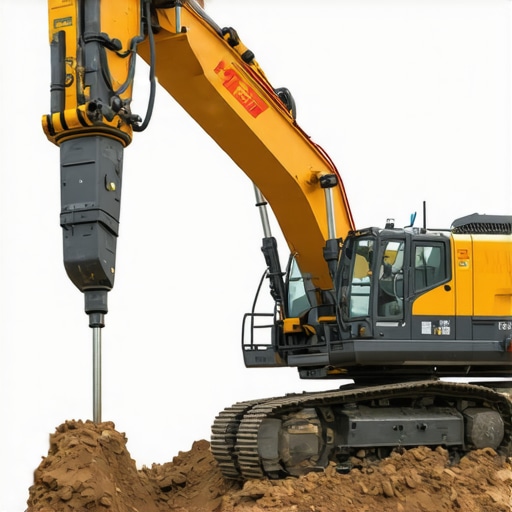
Visual representation of a modern adaptive vacuum pump system with integrated sensor arrays and AI-driven control interface operating in heavy silt conditions.
Integration of AI and Machine Learning: The New Standard in Excavation Safety and Precision
The convergence of artificial intelligence and excavation technology heralds a new era where predictive modeling and autonomous adjustments become routine. AI algorithms analyze incoming sensor data—such as hose pressure, flow rates, and sediment consistency—to determine optimal pump configurations in real-time. This results in smoother operations, fewer utility strikes, and a significant reduction in manual oversight. As machine learning models mature, they can recognize subtle soil pattern shifts, forecasting potential issues before they manifest physically. Implementing these systems requires not only technological upgrades but also comprehensive training for personnel to interpret AI recommendations confidently. Organizations that adopt such autonomous controls position themselves at the forefront of excavation safety and efficiency innovation, especially in the complex terrain of 2026 urban projects.
The Critical Role of Soil Characterization in Pump Configuration Optimization
Before commencing heavy silt excavation, conducting detailed soil characterization surveys—such as geophysical resistivity or ultrasonic testing—provides invaluable insights into sediment composition and stratification. These data sets enable engineers to design customized pump pressure cycles and nozzle configurations that align with specific site conditions. For instance, areas with cohesive silts may require gentler vacuum application supplemented with water jets, whereas loose sediments might benefit from higher vacuum pressures combined with agitation techniques. Incorporating this granular soil knowledge into digital planning tools enhances predictive accuracy, reduces guesswork, and safeguards both personnel and underground utilities. As technology advances, integrating soil models with real-time sensor feedback will refine this process, making it increasingly precise and responsive.
Embracing Collaborative Technological Ecosystems for Heavy Silt Excavation
Progress in hydraulic and pneumatic excavation relies heavily on cross-disciplinary collaboration among geotechnical engineers, control system developers, and on-site operators. Building integrated platforms that combine soil analysis, sensor data, and control algorithms facilitates a holistic approach to managing heavy silt environments. Cloud-based data sharing enables teams to adapt strategies swiftly across multiple sites, ensuring consistency and safety standards. Moreover, ongoing training modules on emerging digital tools empower operators to interpret complex sensor outputs and AI suggestions effectively. As the excavation industry marches toward smarter, more adaptive workflows, fostering such ecosystems will be instrumental in overcoming the nuanced challenges presented by 2026’s sediment-laden terrains. For those eager to deepen their expertise, engaging with industry-focused forums and attending specialized workshops can accelerate mastery of these innovations.
Revolutionize Your Excavation Approach with Adaptive Hydraulic Systems
In modern heavy silt environments, static pump settings are increasingly insufficient, necessitating a shift toward dynamic, intelligent control solutions. Implementing adaptive hydraulic systems equipped with real-time sensor feedback allows operators to modulate vacuum pressures instantaneously, maintaining optimal excavation efficiency while safeguarding utility lines. These sophisticated systems analyze soil moisture, grain size, and flow resistance, enabling micro-adjustments that prevent line collapse and reduce slurry buildup. Such technological integration not only elevates safety standards but also accelerates project timelines by minimizing downtime due to clogging or equipment strain.
What Innovative Sensor Technologies Are Transforming Silt Excavation Dynamics?
Emerging sensor arrays—such as multi-parameter soil analyzers and flow resistance detectors—are redefining excavation precision. These devices deliver granular data on soil composition and behavior, facilitating highly tailored pump operation strategies. For example, resistivity mapping combined with ultrasonic sensors helps delineate sediment stratification, guiding the deployment of multi-stage pressure protocols that adapt seamlessly to changing site conditions. As outlined by the U.S. Geological Survey, integrating such sensors into excavation workflows enhances predictive capabilities, resulting in less utility damage and more consistent sediment removal outcomes.
Harnessing Data Analytics for Strategic Pump Pressure Modulation
The proliferation of machine learning algorithms offers unprecedented opportunities for preemptive troubleshooting and operational optimization. By analyzing historical soil performance data and continuous sensor inputs, advanced analytics create predictive models that recommend ideal pump pressure adjustments even before issues manifest physically. This proactive approach minimizes risk exposure, improves excavation speed, and ensures compliance with safety protocols. Firms adopting these technologies report reductions in utility strikes and equipment wear, emphasizing the critical role of data-driven decision-making in complex soil conditions.
How Can Machine Learning Prevent Common Silt Excavation Failures?
Machine learning-powered control systems monitor parameters such as hose pressure fluctuations, sediment flow irregularities, and vibration signatures to identify early signs of system stress or impending blockages. By learning from a vast array of site-specific scenarios, these models can autonomously optimize pump operations, reducing human error. Moreover, continuous algorithm training adapts to evolving soil conditions, ensuring equipment performance remains resilient during extended excavation campaigns in challenging environments. Embracing such intelligent systems is vital for excavation projects striving for maximal safety and efficiency in 2026’s complex sediment terrains.
Optimize Nozzle Efficiency with Precision Fluid Dynamics
Innovations in nozzle engineering emphasize dynamic adaptation to sediment characteristics, harnessing fluid dynamics principles to improve slurry displacement. High-flow, multi-directional nozzles, integrated with adaptive control units, can modify spray patterns and injection rates based on real-time soil analytics. This synergy minimizes hose clogging, accelerates sediment loosening, and ensures consistent debris evacuation, particularly in stratified silt layers. Collaborations with computational fluid dynamics specialists are paving the way for bespoke nozzle designs that further refine sediment management, making excavation more predictable and less intrusive.
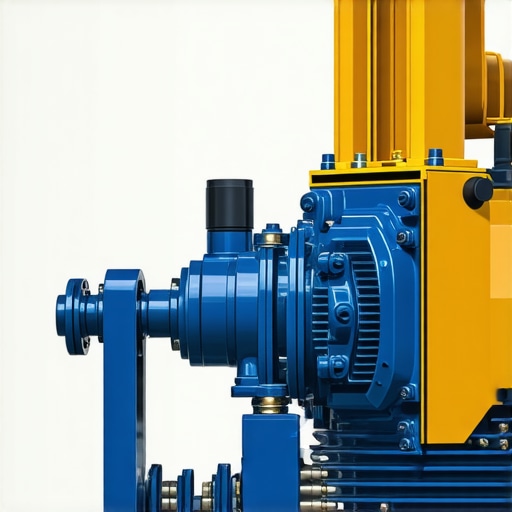
Close-up of a high-tech nozzle system with adjustable spray modes, operating in a sediment-laden excavation zone to optimize slurry removal.
Why Static Settings Are Outdated in the Face of Complex Soil Variability
The traditional reliance on fixed pump pressure presets can lead to suboptimal performance when confronting the intricacies of urban heavy silt deposits. Rigid configurations often cause either insufficient excavation or dangerous line stress, risking utility damage or line blowouts. Industry experts advocate for multi-stage pressure protocols that begin with gentle suction to loosen sediments, then gradually intensify as conditions permit. Coupled with intelligent control interfaces and sensor-driven feedback loops, these strategies allow for adaptive responses calibrated to specific site conditions, dramatically reducing operational risks and enhancing utility protection.
Advanced Soil Characterization as the Foundation for Effective Pump Tuning
Before excavation begins, employing geophysical surveys—such as resistivity imaging or sonic testing—provides detailed insights into sediment layering and moisture content. This granular data informs customized pressure cycling and nozzle configurations, ensuring that vacuum strength aligns precisely with soil properties. Continuous soil characterization, integrated with real-time sensor data, refines the calibration process, helping operators make informed decisions that maximize efficiency and safety. As geotechnical databases expand, predictive models can further tailor pump settings, reducing guesswork and preventing utility strikes in unpredictable silt terrains.
Building Collaborative Ecosystems for Smarter Excavation
The future of heavy silt excavation hinges on interdisciplinary collaboration and integrated digital platforms. When geotechnical engineers, control system developers, and field operators share real-time data seamlessly, they create a feedback-rich environment conducive to rapid decision-making. Cloud-based analytics enable remote monitoring, cross-site learning, and adaptive workflow adjustments, significantly improving safety margins and operational consistency. Investing in up-to-date training programs on digital tools ensures personnel can interpret sensor outputs and AI recommendations confidently, transforming conventional excavation into a precision-driven industry.
Advanced Insights from Industry Leaders
Embrace Real-Time Soil Monitoring to Minimize Risks
Implementing sensor systems that provide continuous soil condition updates enables operators to adjust pump settings dynamically, reducing utility strikes and ensuring excavation precision.
Prioritize Equipment Flexibility with Programmable Controls
Investing in vacuum systems with adaptable pressure controls facilitates quick responses to changing sediment properties, optimizing performance in unpredictable silt-rich environments.
Leverage Soil Characterization for Tailored Solutions
Pre-excavation geotechnical assessments inform customized pump configurations, enhancing safety and efficiency while protecting underground utilities.
Integrate AI-Driven Data Analytics for Proactive Operations
Adopting artificial intelligence tools to analyze sensor data can forecast potential issues, allowing preemptive adjustments before problems escalate.
Focus on Nozzle Innovation to Improve Sediment Displacement
Utilizing advanced nozzle designs with variable spray patterns ensures effective slurry removal and reduces hose clogging in heavy silt conditions.
Curated Expert Resources
- Hydrovac Drilling’s Latest Industry Reports: Offers cutting-edge insights into equipment advancements and best practices for heavy silt excavation.
- Geotechnical Society Publications: Provides in-depth soil analysis techniques crucial for tailored pump configurations.
- AI in Construction by Construction Tech Review: Highlights innovations in intelligent systems for excavation safety and precision.
- Manufacturers’ Innovation Labs: Showcase emerging nozzle technologies and adaptive control systems designed for sediment-heavy sites.
The Big Picture for 2026 and Beyond
In today’s complex urban landscapes, mastering heavy silt excavation demands a blend of expert knowledge, cutting-edge technology, and strategic planning. The integration of real-time soil monitoring, adaptable equipment, and AI analytics positions industry professionals to elevate safety standards and operational efficiency. As soil variability continues to challenge even the most experienced crews, cultivating a culture of continuous learning and embracing technological innovation will be essential for sustainable success. Engage with leading resources, share your insights, and stay proactive—your expertise shapes the future of excavation in challenging environments.