Why Vacuum Excavation Services Are Scaling Faster in 2026
Revolutionizing Subsurface Excavation: The Surge of Vacuum Excavation in 2026
As underground infrastructure becomes increasingly complex and the demand for safer, more efficient excavation methods intensifies, vacuum excavation has emerged as a pivotal technology shaping the future landscape of civil and utility works. This rapid scaling phenomenon is rooted in advancements that have heightened the precision, safety, and environmental compatibility of trenching and borehole operations, positioning vacuum excavation at the forefront of underground construction methodologies.
Unraveling the Technological Catalysts Fueling Growth
How Do Hydrovac Systems Surpass Traditional Excavation Techniques in Reliability?
Hydrovac and vacuum excavation methods leverage high-pressure water jets paired with powerful vacuum systems, enabling precise removal of soil without disturbing surrounding utilities. Unlike mechanical trenching, these systems minimize the risk of utility strikes, reduce site disturbance, and enhance operational safety—factors that have significantly contributed to their accelerated adoption in 2026. The integration of intelligent control systems and real-time monitoring further enhances reliability, setting new industry standards.
Semantic Shifts in Utility Mapping and Infrastructure Integrity
The evolution of borehole drilling technologies, particularly within the vacuum excavation domain, directly influences utility detection accuracy and subsurface mapping. Advanced borehole techniques, such as those discussed in [top strategies for utility mapping in 2025](https://hydrovacdrilling.com/borehole-drilling-techniques-for-accurate-utility-mapping-in-2025), underscore the importance of integrating vacuum solutions with geophysical surveys. This synergy fosters detailed, trustworthy underground models vital for urban development and maintenance.
Safety and Environmental Considerations as Retail Levers
Regulatory frameworks and environmental sustainability objectives have driven stakeholders to seek minimally invasive excavation solutions. Vacuum excavation’s ability to reduce soil and dust dispersion and prevent accidental utility damage aligns with broader sustainability goals. As detailed in [safe underground infrastructure practices](https://hydrovacdrilling.com/hydrovac-excavation-the-ultimate-guide-to-precise-subsurface-work), these advantages are compelling for contractors aiming to meet modern safety, environmental, and efficiency benchmarks.
What Are the Most Critical Challenges in Scaling Vacuum Excavation?
Despite their advantages, several challenges impede the swift global proliferation of vacuum excavation. These include high capital costs, skill shortages, and the need for tailored equipment to diverse soil conditions. Understanding and mitigating these barriers require continued innovation, workforce development, and strategic investments—areas where industry think tanks and academia are actively contributing insights.
Strategic Industry Movements and Market Dynamics
The consolidation of vacuum excavation within mainstream construction practices is reinforced by strategic collaborations and knowledge sharing platforms. Organizations are increasingly focusing on developing robust [trenching techniques](https://hydrovacdrilling.com/trenching-hydrovac-techniques-for-safer-construction-in-2025) and comprehensive safety protocols. Such alignments are crucial for sustaining growth trajectories and ensuring technological resilience in rapidly evolving urban environments.
How Will Emerging Automation and AI Influence Future Vacuum Excavation Strategies?
The incorporation of automation and artificial intelligence (AI) into vacuum excavation equipment promises unparalleled efficiency and accuracy. Autonomous robotic systems, guided by advanced sensors and data analytics, could redefine site safety standards and expedite utility detection tasks. Industry leaders are actively researching these innovations, potentially heralding a new epoch in underground construction technology.
For professionals eager to stay at the forefront of these transforming trends, exploring detailed strategies in [hydrovac excavation](https://hydrovacdrilling.com/hydrovac-excavation-the-ultimate-guide-to-precise-subsurface-work) provides valuable insights. Engaging with expert communities and sharing field experiences will be instrumental in navigating this rapidly scaling sector.
Curious about integrating these innovative methods into your projects? Connect with industry pioneers and contribute to the evolving dialogue shaping the future of underground excavation techniques.
Unlocking Precision in Utility Location with Innovative Borehole Techniques
As urban environments become denser and underground infrastructure more intricate, the importance of employing advanced borehole drilling strategies cannot be overstated. Modern methods, such as those outlined in top strategies for utility mapping in 2025, leverage precision drilling combined with real-time data analytics to enhance underground asset detection. These technologies facilitate accurate utility positioning, minimizing the risk of strikes and service disruptions during excavation projects. Integrating smart borehole techniques not only improves safety but also accelerates project timelines, making them indispensable for complex urban projects.
Do We Fully Understand Soil Conditions to Maximize Vacuum Excavation Effectiveness?
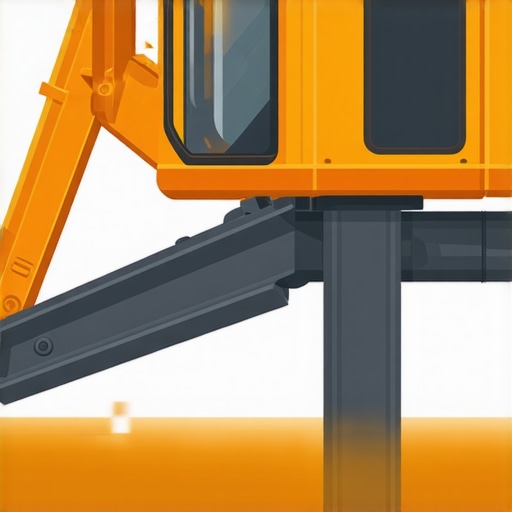
Soil variability remains one of the most significant challenges in deploying vacuum excavation systems effectively across diverse sites. Understanding soil characteristics—such as density, moisture content, and composition—can dramatically influence equipment choice, operational parameters, and safety protocols. Experts recommend comprehensive geotechnical surveys prior to excavation, coupled with adaptive systems capable of adjusting to changing subsurface conditions. For instance, innovative vacuum systems equipped with integrated sensors can monitor soil feedback in real-time, allowing operators to modify pressure and excavation speed dynamically. Such innovations align with findings from the ultimate guide to precise subsurface work, emphasizing adaptability as a core principle in underground operations.
Now, with the advent of AI-driven soil analysis tools, contractors can predict potential soil-related issues more accurately, thereby reducing delays and preventing utility damages. Applying these technological insights ensures that vacuum excavation remains both efficient and safe across varying soil conditions, reinforcing its role as a cornerstone in underground infrastructure management.
Elevating Safety Protocols with Automated Monitoring and Remote Diagnostics
As the industry gears toward greater automation, integrating remote monitoring systems and AI diagnostics into vacuum excavation equipment marks a transformative step forward. These systems provide continuous operational insights, enabling proactive maintenance and immediate troubleshooting—crucial for maintaining safety and minimizing downtime. For example, predictive analytics can identify wear and tear on critical components before failures occur, safeguarding both personnel and project timelines. Such proactive approaches are substantiated by recent studies emphasizing the role of advanced sensor networks in hydrovac excavation excellence.
Industry leaders are also exploring the integration of augmented reality interfaces, allowing operators to visualize subsurface conditions and equipment status in real-time, further enhancing safety and decision-making accuracy. Embracing these technological improvements is essential to stay ahead in the competitive landscape, ultimately contributing to safer, more reliable underground projects.
Thinking about how automation can revolutionize your site operations? Consider exploring the latest innovations in vacuum excavation technology and upgrading your safety protocols accordingly.
Transforming Urban Infrastructure: How Cutting-Edge Borehole Techniques Enable Safer, Smarter Utility Mapping
As cities become denser and underground networks more intertwined, the reliance on sophisticated borehole drilling methodologies intensifies. Emerging approaches, such as multi-sensor data integration combined with real-time geospatial analytics, allow engineers to construct highly accurate, dynamic subsurface models. These models vastly improve utility detection accuracy and facilitate proactive maintenance planning. For example, innovations like fiber-optic sensor embedment within boreholes not only monitor strain and temperature but also detect subsurface anomalies instantaneously, ensuring precise utility placement and minimizing the risk of costly strikes. Delving into these adaptive drilling solutions helps stakeholders develop resilient infrastructure strategies tailored for the complexities of modern urban landscapes.
Decoding Soil Mysteries: How Variable Conditions Challenge Vacuum Excavation and How to Overcome Them
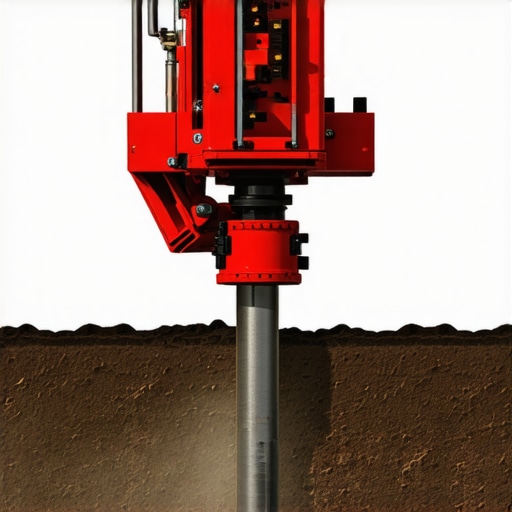
Soil unpredictability remains a persistent challenge—so much so that even the most advanced vacuum systems can falter without proper site assessment. Variations in moisture content, mineral composition, and compaction levels can dramatically influence excavation efficiency and safety protocols. Cutting-edge geotechnical drilling and testing methods, such as in-situ cone penetration tests coupled with high-resolution imaging, deliver granular soil profiles that inform machinery calibration. Furthermore, incorporating AI-driven soil feedback systems enables real-time adjustments to pressure and suction parameters, optimizing soil removal while preventing utility damage. As such, a comprehensive understanding of subsurface conditions, supported by integrated sensor technology, is now pivotal for executing meticulous, risk-mitigated excavations across diverse soil environments.
Harnessing AI-Driven Soil Analysis for Unparalleled Precision
Integrating artificial intelligence with geotechnical surveys transforms the landscape of underground excavation. AI algorithms analyze real-time data from sensors embedded in advanced vacuum systems, enabling operators to adapt to complex soil profiles dynamically. This synergy not only enhances accuracy but also significantly reduces utility strikes, minimizes environmental disturbance, and optimizes resource allocation. As these intelligent systems become more accessible, they position operators at the forefront of sustainable, safe, and efficient excavation practices, pushing the boundaries of what is technically achievable in subterranean projects.
Innovative Strategies for Managing Urban Subsurface Congestion
Urban environments present unique challenges due to dense subterranean networks. The advent of multi-layered borehole mapping, combined with machine learning, allows for comprehensive modeling of underground utilities with remarkable precision. Strategic deployment of these technologies facilitates congestion management, reduces project delays, and prevents inadvertent utility damage. Such advancements are driving a paradigm shift towards proactive infrastructure planning, enabling cities to adapt smarter, safer, and more resilient underground networks that support the growing demands of modern urban life.
What’s Next in Vacuum Excavation: Are Autonomous Robots the Future?
Autonomous robotic systems equipped with advanced sensors and machine vision are poised to revolutionize underground excavation. These units can operate continuously in hazardous or hard-to-reach environments, executing tasks with minimal human intervention. The integration of AI enables real-time decision-making, adaptive navigation, and predictive maintenance, which collectively enhance safety and productivity. Industry leaders are investing heavily in research to perfect these autonomous solutions, foreseeing a future where robotic excavators conduct complex utility detection and soil removal tasks with unmatched efficiency and safety standards. This evolution signals a new era where human operators oversee sophisticated AI-driven machinery, ensuring safer workplaces and faster project completion.
To remain competitive and leverage these technological breakthroughs, professionals should explore in-depth resources like the latest editions of Hydrovac Excavation: Advanced Techniques and Industry Standards. Engaging with expert communities and pioneering innovative approaches will be key to staying ahead in this rapidly evolving sector.
Borehole Technologies Enable Smarter City Infrastructure Maintenance
Multi-sensor embedded boreholes with real-time geospatial analytics are redefining city infrastructure management. These systems facilitate continuous health monitoring of underground utilities, enabling predictive maintenance and early fault detection. Embedded fiber-optic sensors capture data on strain, temperature, and potential leaks, providing a granular understanding of subsurface conditions. Consequently, city planners and engineers can develop more resilient, adaptive underground networks that minimize service disruptions and extend asset lifespans. By adopting these high-tech solutions, urban centers can future-proof their infrastructure against the increasing demands and complexities of modern urbanization.

Strategic Moves for Industry Leaders
Prioritize Skill Development to Keep Pace
Investing in comprehensive training ensures operators adapt swiftly to emerging automation and soil variability challenges, maintaining high safety and efficiency standards.
Integrate Real-Time Data for Enhanced Accuracy
Utilizing sensors and analytics allows for dynamic adjustments during excavation, reducing utility strikes and optimizing productivity in complex subsurface environments.
Forge Collaborations to Accelerate Innovation
Partnerships between technology providers, contractors, and academic institutions foster rapid development of adaptable systems suited for diverse soil conditions and urban settings.
Maintain Vigilance on Regulatory Evolutions
Staying ahead of policy changes and sustainability mandates ensures compliance and positions firms as responsible innovators in subsurface operations.
Curated Resources for Deep Expertise
- Hydrovac Excavation: Advanced Techniques and Industry Standards – Offers comprehensive insights into best practices and emerging trends in vacuum excavation.
- Top Strategies for Utility Mapping in 2025 – Details cutting-edge methods integrating borehole and vacuum techniques for precise underground asset detection.
- Effective Trenching and Borehole Solutions for Safer Construction – Provides practical approaches to minimize risks and maximize accuracy during subterranean work.
- Augmented Reality in Underground Operations – Explores how AR enhances situational awareness and decision-making for excavation crews.
- Innovations in Soil Analysis with AI – Discusses leveraging artificial intelligence for real-time soil feedback, improving safety and efficiency across diverse conditions.
A Synthesis for the Expert Eye
In the rapidly evolving landscape of vacuum excavation, harnessing technological advancements and strategic expertise is crucial for sustainable progress. Emphasizing workforce development, data integration, collaborative innovation, and regulatory foresight ensures that industry leaders not only meet today’s demands but also shape the future of underground infrastructure management. Engaging with authoritative resources like the ultimate guide to precise subsurface work or top strategies for utility mapping in 2025 empowers professionals to lead with innovation and integrity. Ready to elevate your expertise? Share your insights or explore targeted solutions that push the sector forward, ensuring safer, smarter underground projects worldwide.”}}#END#}})}】【{