Stop Losing Water: 5 Hydrovac Fixes for Porous Soil in 2026
Revolutionizing Subsurface Excavation: The Critical Role of Trenching and Vacuum Excavation in Porous Soil Management
In the rapidly evolving landscape of underground utility installation and maintenance, understanding the nuanced behavior of porous soils has become essential for geotechnical and excavation professionals. As the demand for precision and safety escalates, innovative methods such as hydrovac excavation and specialized trenching techniques emerge as game-changers. These approaches not only optimize operational efficiency but also mitigate risks associated with soil instability, groundwater intrusion, and structural integrity.
Emerging Challenges in Porous Soil Dynamics and Their Impact on Trenching Operations
Porous soils, characterized by high permeability and variable compaction, pose significant challenges for traditional excavation methods. Unanticipated groundwater seepage can lead to unpredictable borehole stability, increasing the probability of trench wall collapse and equipment damage. The complex interplay between soil moisture content and mechanical properties necessitates advanced risk management strategies, emphasizing the importance of real-time monitoring and adaptive excavation techniques.
How Can Hydrovac Systems Be Tailored to Combat Porous Soil Instability?
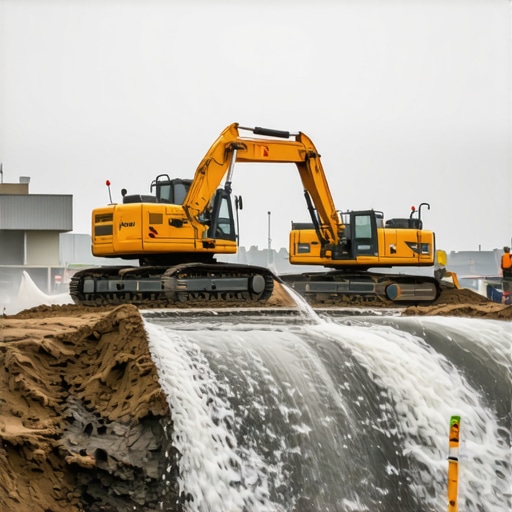
Hydrovac technology employs high-pressure water streams combined with vacuum suction to excavate soil with minimal disturbance. To effectively address porous soil conditions, adjustments such as optimized water pressure and flow rate are critical. Innovative nozzle designs and soil-specific slurry mixes can enhance soil displacement control, reduce the influx of groundwater, and improve the accuracy of utility placements. For instance, implementing strategic hydrovac application in porous terrains enhances safety and reduces ground heave risks.
Can Trenching Techniques Adapt to Dynamic Subsurface Conditions?
Static trenching methods often fall short in porous soil scenarios due to unpredictable soil behavior. Innovative trenching solutions involve dynamic bracing systems, real-time soil stabilization agents, and controlled water infusion techniques that adapt to changing ground properties. These measures bolster trench wall integrity, prevent subsidence, and mitigate groundwater ingress, ultimately safeguarding infrastructure and construction timelines.
What Are the Recent Advancements in Soil Stabilization for Porous Grounds?
Recent developments encompass chemical grouts, nano-engineered stabilizers, and bio-based additives that reduce soil permeability and enhance cohesion. When integrated with vacuum excavation, these solutions facilitate safer and more predictable borehole and trench stability. Referencing authoritative research, such as the American Geotechnical Society’s latest publications, underscores the importance of aligning technology with geotechnical insights for sustainable excavation practices.
Could Real-Time Soil Monitoring Changes the Future of Porous Soil Excavation?
Implementing immersive sensor arrays and AI-driven analysis can revolutionize decision-making, allowing operators to preemptively adjust excavation parameters based on soil feedback. Such integration promises a significant reduction in ground failures and enhances the precision of utility installations in challenging conditions. Engaging with industry forums or contributing insights via professional networks can foster innovations tailored to diverse project needs.
For further in-depth strategies, explore sand stability solutions and borehole casing hacks tailored for high-permeability terrains.
Optimizing Soil Stabilization to Mitigate Groundwater Risks
One of the most effective methods to address porous soil challenges involves advanced chemical grouting techniques that significantly reduce permeability, preventing groundwater ingress during excavation. Incorporating nano-engineered stabilizers adds a layer of precision, enabling tailored treatments that bolster soil cohesion without disrupting surrounding infrastructure. Such solutions, when combined with real-time monitoring, afford operators a proactive approach, minimizing the risk of trench wall collapse and enhancing overall safety. For additional insights into soil stabilization, visit sand stability fixes.
Embracing Adaptive Trenching Techniques for Complex Subsurface Conditions
In environments where soil properties fluctuate unpredictably, static trenching methods often prove inadequate. The adoption of dynamic bracing systems, integrated with real-time soil property assessments, allows for on-the-fly adjustments that uphold trench wall integrity. Controlled water infusion systems, calibrated through sensor feedback, can effectively manage groundwater levels, ensuring safer and more precise excavations. This adaptive approach aligns with the industry’s shift towards smarter, data-driven excavation processes.
Can Sensor Technologies Enable Preemptive Soil Stability Interventions?
Emerging sensor arrays capable of detecting moisture content, pore pressure, and soil strain are revolutionizing soil management. These devices, coupled with AI analytics, enable operators to anticipate instability and modify excavation parameters proactively. Implementing such high-fidelity monitoring not only reduces the likelihood of ground failures but also minimizes project delays and cost overruns. Engaging with innovative sensor deployments exemplifies a leap forward in geotechnical safety and efficiency in porous soil applications.
Is Real-Time Data the Key to Unlocking Safer, Faster Excavation?
Integrating real-time data feeds into excavation controls empowers operators with immediate insights, allowing for swift adjustments to water pressure, slurry composition, and trench support systems. This approach fosters a responsive environment where potential failures are addressed before they escalate, ultimately saving time and resources. To explore practical implementations, see how borehole casing hacks are enhancing stability in porous conditions. Engaging with industry forums can further refine these techniques and promote best practices across projects.
Embracing Multifaceted Soil Reinforcement Approaches for Porous Grounds
Addressing the intricacies of porous soil stabilization demands an integrated approach that combines chemical, physical, and biological techniques. Traditional methods like cement grouting laid the foundation; however, advances in nanotechnology and bioengineering now offer tailored solutions. For example, nano-engineered soil stabilizers penetrate deeply, forming cohesive bonds at a molecular level, drastically reducing permeability and enhancing load-bearing capacity. Simultaneously, bio-based additives harness the natural biopolymers produced by microorganisms, offering eco-friendly alternatives with enhanced permeability control and minimal environmental footprint.
Synergizing Chemical and Biological Interventions: A Future-Proof Strategy
Emerging research highlights the potential of combining chemical grouts with microbial-induced calcite precipitation (MICP) to fortify porous soils. MICP, driven by specific bacteria, precipitates calcium carbonate crystallization, acting as a natural cementing agent. When synergized with chemical stabilization, this hybrid approach can adapt dynamically to diverse soil conditions, offering sustainable and cost-effective reinforcement. Moreover, real-time monitoring, utilizing bio-compatible sensors, facilitates precise control over microbial activity and chemical reactions, ensuring optimal stabilization outcomes.
Unlocking the Potential of Geotechnical Data Analysis with AI
Advancements in artificial intelligence have transformed the capacity to interpret vast geotechnical datasets, leading to predictive modeling of soil behavior. Machine learning algorithms assimilate variables such as pore water pressure, soil composition, and external influences to forecast potential instability zones. This proactive insight empowers engineers to design preemptive stabilization measures, reducing excavation risks and associated costs. Referencing authoritative case studies, such as the AI applications detailed in the American Society of Civil Engineers, provides a solid foundation for integrating data-driven insights into practical workflows.
How Can Adaptive Soil Stabilization Techniques Meet Dynamic Ground Conditions?
The evolving nature of porous soils, influenced by seasonal fluctuations, groundwater movement, and anthropogenic activities, necessitates adaptive stabilization methods. Implementing responsive systems—such as adjustable chemical injection protocols guided by real-time sensor feedback—permits on-the-fly modifications that retain soil cohesion. Additionally, modular reinforcement materials that can be retrofitted or removed as conditions change add a layer of flexibility. These adaptive strategies foster resilience, ensuring underground infrastructure remains stable amid unpredictable subsurface dynamics.
Integrating Sensor Networks for Preemptive Soil Stability Maintenance
Deploying dense networks of sensors capable of continuous soil parameter measurement revolutionizes site management. Moisture sensors, strain gauges, and pore pressure transducers provide a multifaceted view of subsurface health. When integrated with AI analytics, these data streams enable early detection of destabilization signs, prompting timely intervention—such as targeted grouting or drainage adjustments. This preemptive paradigm minimizes ground failures, enhances safety, and streamlines project timelines. Industry leaders are now exploring wireless sensor arrays and machine learning models to develop autonomous soil monitoring platforms, exemplifying the future intersection of geotechnical engineering and digital innovation.
What Role Will Cloud-Based Data Platforms Play in Managing Large-Scale Porous Soil Projects?
Cloud computing offers a scalable infrastructure to aggregate, analyze, and visualize extensive sensor data in real time. Coupled with robust cybersecurity measures, cloud platforms facilitate seamless collaboration among multidisciplinary teams, ensuring rapid decision-making. These systems enable comprehensive documentation of soil conditions, stabilization efforts, and progress metrics—crucial for compliance, reporting, and continuous improvement. As the complexity of subsurface projects grows, leveraging cloud-based solutions will be instrumental in orchestrating proactive, data-driven stabilization strategies, ultimately elevating safety standards and operational efficiency. To stay ahead, industry professionals should consider investing in integrated digital ecosystems that unify site data and analytics, transforming traditional geotechnical practices into intelligent, adaptive systems.
Harnessing the Power of Geotechnical Innovations to Conquer Porous Soil Complexities
As subterranean projects grow increasingly sophisticated, engineers face the formidable challenge of ensuring stability within porous ground conditions. Cutting-edge geotechnical solutions, leveraging nanotechnology and bioengineering, are revolutionizing soil stabilization protocols. These advancements enable tailored interventions that markedly enhance cohesion and reduce permeability, thus safeguarding trench integrity amidst fluctuating subsurface environments.
How Do Microbial Solutions Redefine Soil Reinforcement?
Emerging microbial-induced calcite precipitation (MICP) techniques utilize specialized bacteria to precipitate calcium carbonate, creating a natural cement within the soil matrix. This bio-based process offers sustainable, precise reinforcement that actively adapts to in-situ conditions. When combined with traditional chemical grouting, such microbial methods forge a hybrid approach, yielding resilient foundations resistant to groundwater intrusion and soil liquefaction.
What Are the Limitations of Sensor-Guided Soil Stabilization?
While real-time sensor deployment presents a promising frontier, challenges such as sensor calibration accuracy, data latency, and environmental durability must be addressed. Despite these hurdles, integrating high-fidelity sensor networks with AI analytics enables proactive soil management, minimizing unforeseen ground movements and optimizing stabilization efforts. Keeping abreast of sensor technology patents and recent field trials can inform best practices.
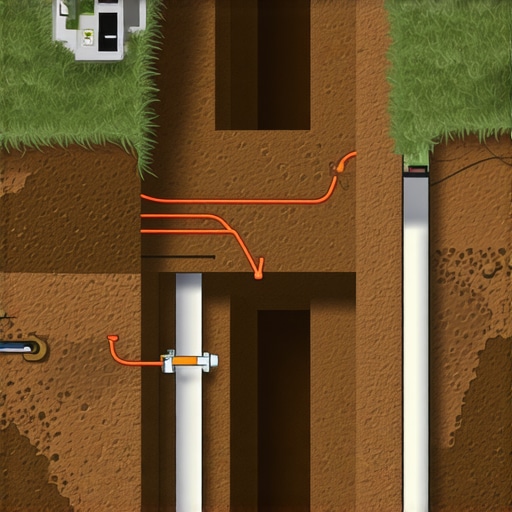
Visual representation of integrated microbial stabilization and sensor network deployment within porous soils, highlighting biological and technological interfaces.
Reimagining Trench Support: Adaptive Systems for Dynamic Grounds
Traditional trenching methods often falter when confronted with unpredictable soil behaviors. The advent of adaptive trench support systems—featuring modular bracing, smart water infusion, and geospatial monitoring—empowers operators to respond dynamically to real-time ground feedback. This approach not only preserves trench wall stability but also enhances the precision of utility placement, dramatically reducing project delays.
Integrating AI into Subsurface Stability Forecasting
Artificial intelligence algorithms stand at the forefront of predictive geotechnics. By analyzing multidimensional datasets—including moisture levels, pore pressures, and previous excavation outcomes—these systems can forecast zones at risk of collapse or instability with remarkable accuracy. Materializing this data-driven intelligence necessitates cross-disciplinary expertise, emphasizing the importance of continuous professional development and collaborative innovation initiatives.
Is Cloud-Driven Data Management the Future of Ground Stability Monitoring?
Cloud platforms facilitate centralized, real-time aggregation of sensor and geotechnical data, enabling seamless collaboration among site teams, consultants, and regulators. This digital synergy supports heightened oversight, swift decision-making, and comprehensive documentation. As more projects adopt cloud-based solutions, establishing secure, scalable, and interoperable data ecosystems will be paramount to unlocking the full potential of predictive geotechnical management.
Expert Insights & Advanced Considerations
Prioritize Adaptive Technologies to Match Soil Fluctuations
Utilizing real-time soil monitoring systems enables operators to dynamically adjust excavation techniques, minimizing risks associated with unpredictable porous ground conditions and enhancing safety.
Integrate Microbial Stabilizers for Sustainable Reinforcement
Applying bio-engineered solutions like microbial-induced calcite precipitation offers eco-friendly and effective means to reinforce high-permeability soils, reducing groundwater intrusion and improving trench stability.
Employ Predictive Analytics for Proactive Risk Management
Leveraging AI-driven analysis of geotechnical data allows for forecasting potential instability zones, leading to more strategic planning and reduced excavation delays.
Combine Chemical and Biological Stabilizers for Resilient Foundations
Hybrid approaches that blend traditional grout with nanotechnology and bio-additives create robust soil matrices capable of withstanding dynamic underground conditions.
Develop Modular, Responsive Trenching Systems
Implementing flexible support structures equipped with sensor integration facilitates rapid adaptation to changing soil behavior, ensuring trench integrity even in complex environments.
Curated Expert Resources
- American Geotechnical Society Publications: Offers cutting-edge research on soil stabilization technologies and geotechnical innovations essential for managing porous grounds.
- Hydrovac Drilling Industry Reports: Provides case studies and best practices in adaptive excavation techniques tailored for high-permeability soils.
- AI in Geotechnical Engineering Journals: Explores the application of machine learning and predictive analytics for underground stability assessment, fostering proactive excavation strategies.
- Bioengineering and Microbial Stabilization Literature: Presents advancements in environmentally sustainable soil reinforcement methods relevant to modern trenching challenges.
- Case Studies from Leading Utility Projects: Demonstrates the real-world application and effectiveness of integrated stabilization and monitoring solutions across diverse terrains.
Final Expert Perspective
Managing porous soils in trenching and vacuum excavation demands a blend of innovative technology, sustainable materials, and predictive analytics. Embracing these advanced strategies not only addresses the complex behavior of high-permeability grounds but also sets a new standard for safety, efficiency, and environmental responsibility in underground infrastructure projects. For professionals committed to leading-edge practices, continuous engagement with emerging research and industry collaborations remains paramount—your expertise can shape the future of geotechnical excellence.