The Critical Role of Soil Behavior and Hydrovac Techniques in Heavy Rain Conditions
Effective vacuum excavation and trenching during periods of intense rainfall demand a profound understanding of soil dynamics, drainage mechanics, and site-specific challenges. Recognizing the interplay between soil permeability, moisture content, and immediate weather patterns allows operators to preemptively adapt their methods, ensuring safety and structural integrity.
Enhancing Soil Stabilization Through Innovative Hydrovac Application
Traditional soil stabilization techniques often fall short under heavy rain, prompting a shift towards advanced hydrovac innovations. Utilizing high-pressure water jets combined with strategic soil conditioning, such as synthetic polymers, can significantly mitigate erosion and wall collapse risks. The precision of hydrovac technology enables targeted interventions, reducing environmental disturbance while maintaining trench accuracy.
Real-Time Monitoring: The Expert’s Guide to Adaptive Trench Management
Implementing real-time soil moisture sensors and advanced geotechnical assessments provides invaluable data, empowering excavators to adjust their approach dynamically. These measurements inform decisions on whether to proceed, reinforce, or postpone activities, aligning with best practices documented by professional civil engineering standards. Integrating such data streams enhances the safety margin during rainy conditions.
What Are the Most Effective Shoring Techniques for Flood-Prone Excavations?
Expert Insights on Maintaining Wall Stability in Challenging Environments
Choosing appropriate trench shoring methods in flood-prone areas involves evaluating soil type, groundwater levels, and project duration. Techniques such as hydraulic shoring, strut systems, and trench boxes, when properly implemented, prevent wall failure caused by water ingress and soil softening. Advanced shoring solutions can be adapted for fluctuating conditions, minimizing downtime and risk.
Proactive Drainage Strategies to Complement Excavation Stability
By designing effective surface and subsurface drainage systems, operators can divert runoff away from trench edges, reducing hydrostatic pressure. Incorporating perforated pipes, sump pumps, and gravel surrounds creates controlled hydraulic flow, complementing physical shoring and soil stabilization measures. These practices are essential for maintaining trench integrity in high-rainfall environments.
Balancing Environmental Responsibilities with Engineering Demands
Heavy rain not only compromises trench stability but also poses environmental challenges such as runoff contamination and soil erosion. Adopting erosion control fabrics, sediment barriers, and precise scheduling demonstrates a commitment to responsible site management. Such measures align with environmental standards outlined by leading white papers in geotechnical engineering.
Given the complexity of trench stability in rainy conditions, continuous professional development is vital. Engaging with technical webinars, like those offered by industry experts, can expand your understanding of emerging solutions.
For further insights into innovative safety practices, consult resources from the Hydrovac Safety Guidelines.
If your operations frequently encounter these weather challenges, connecting with experienced professionals can provide tailored strategies—schedule a consultation here.
Innovative Soil Removal Methods during Flooding Scenarios
In extreme weather conditions, traditional excavation approaches often falter, underscoring the need for adaptive technologies. Hydrovac systems equipped with high-capacity pumps and reinforced hoses can efficiently handle saturated soils and debris, minimizing delays and safety hazards. Supplementing these with strategic pre-drainage measures enhances soil removal efficacy, especially when water tables rise unpredictably. For comprehensive techniques, review our detailed guide on vacuum excavation best practices.
How Can Real-Time Data Revolutionize Trench Safety in Heavy Rain?
Leveraging real-time geotechnical data, such as soil moisture content and pore pressure, empowers operators to anticipate unstable conditions before they escalate. Deploying sensors integrated with IoT technology provides continuous insights, facilitating immediate adjustments in shoring, water removal, or even halting operations when necessary. These data-driven decisions align with industry standards and contribute to proactive risk management, a practice supported by leading civil engineering research from organizations like the Geotechnical Society.
Adaptive Shoring Solutions: Beyond Conventional Support
Rigid shoring systems sometimes lack the flexibility needed in fluctuating water conditions. Innovative alternatives, such as inflatable dams, ground anchors, and modular trench shields, offer dynamic support adaptable to changing soil stability. For instance, inflatable systems can rapidly respond to rising groundwater levels, maintaining integrity without extensive reconstruction. Exploring these options can substantially reduce project downtime and enhance safety margins, especially in unpredictable weather patterns.
Is It Possible to Predict Soil Stability Shifts Using Artificial Intelligence?
Emerging AI algorithms analyze historical weather data, soil properties, and real-time sensor inputs to forecast potential soil movements. Predictive models enable preemptive action—adjusting excavation parameters or reinforcing walls—long before instability manifests. Integrating AI with conventional hydrovac operations can transform reactive strategies into proactive systems, elevating safety standards. To learn more about cutting-edge predictive technologies, consult industry reports like Hydrovac innovations 2025.
For specialized consultancy tailored to your site challenges, reach out through our contact form and ensure your operations are resilient against weather uncertainties.
Harnessing Advanced Drainage Technologies for Sustained Excavation Safety
Maintaining trench stability amidst prolonged rainfall challenges engineers to innovate beyond conventional drainage methods. Integrating **smart drainage networks** that utilize dynamic control valves and automated sump systems allows for real-time water diversion, significantly reducing hydrostatic pressure buildup. These systems, coupled with predictive weather analytics, enable proactive management of water ingress, ensuring continuous operation without compromising safety.
Deploying Real-Time Soil Monitoring to Preempt Failures
Emerging sensor technologies have revolutionized geotechnical monitoring, providing granular data on soil moisture, pore water pressure, and shear strength. When embedded within trench walls, these sensors feed data into centralized management systems, facilitating immediate responses to early signs of instability. This continuous feedback loop not only enhances safety but also optimizes resource allocation, minimizing downtime during adverse weather conditions.
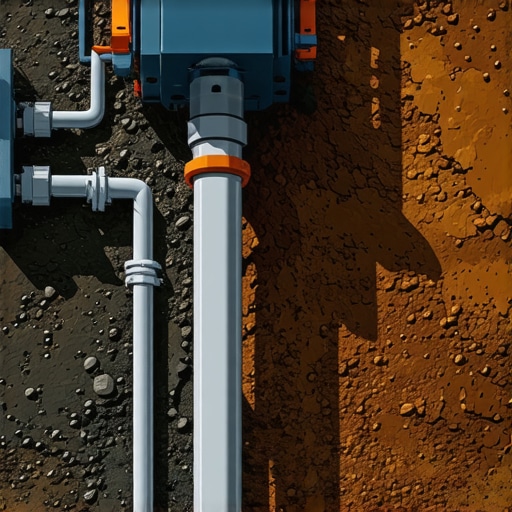
Integrating Artificial Intelligence for Dynamic Risk Assessment
AI-driven models synthesize data from weather forecasts, soil sensors, and historical failure incidents to produce real-time risk profiles for excavation sites. Such models can predict potential failure points hours or days in advance, empowering operators to implement targeted reinforcement measures or delay operations strategically. According to a recent study published in the Journal of Geotechnical Engineering, AI algorithms can improve failure prediction accuracy by over 30%, marking a paradigm shift in heavy weather excavation management.
Expert Tips for Selecting Resilient Shoring Solutions in Variable Conditions
Choosing the right shoring system under fluctuating water tables and saturated soils demands a nuanced understanding of soil mechanics and material performance. Modular systems, such as inflatable or pneumatic shoring, offer rapid deployment and adjustment capabilities, adapting seamlessly to changing groundwater levels. Additionally, hybrid support architectures combining trench boxes with ground anchors provide enhanced stability, especially in heterogeneous soil zones. Collaborating with specialists to evaluate site-specific factors ensures optimal safety margins are maintained, regardless of weather variability.
What Strategic Measures Can Further Fortify Trenches Against Unpredictable Weather?
Beyond technical solutions, strategic planning plays a pivotal role. Scheduling excavation activities during periods with forecasted minimal rainfall, establishing contingency protocols, and training personnel in rapid response techniques collectively bolster resilience. Environmental considerations, such as erosion control and sediment management, also prevent secondary failures and environmental contamination during high rainfall events. Embedding these proactive strategies into project planning elevates operational safety to new standards.
Interested in staying ahead with the latest advancements? Engaging with professional civil engineering networks and attending specialized workshops can deepen your expertise, ensuring your practices incorporate cutting-edge innovations tailored for extreme weather challenges. Reach out today to explore customized solutions that safeguard your excavation projects against the fiercest rains, transforming obstacles into opportunities for excellence.
,
Harnessing Predictive Analytics for Soil Behavior Under Extreme Weather
Leveraging cutting-edge predictive analytics and machine learning models enables geotechnical engineers to anticipate soil failure risks with unprecedented accuracy. By integrating historical weather patterns, real-time sensor data, and soil composition profiles, these sophisticated algorithms can forecast potential instability zones, informing preemptive reinforcement strategies.
Implementing Smart Shoring Systems for Dynamic Environmental Conditions
The evolution of shoring solutions now includes adaptive systems equipped with IoT connectivity, allowing for real-time adjustments based on soil moisture and pressure data. Inflatable supports and modular trench shields can be remotely controlled or automatically respond to detected changes, significantly reducing the risk of collapse during sudden water table fluctuations.
What Are the Latest Innovations in Water Diversion Techniques to Protect Excavations?
Expert Queries on Optimizing Drainage to Counteract Heavy Rain
Innovative drainage methodologies involve the deployment of underground stormwater harvesting systems, permeable trench linings, and automated pumping installations that activate upon detecting rising water levels. These solutions not only divert surface runoff efficiently but also promote soil aeration and stabilization, crucial during prolonged rainfall periods. According to research published in the International Journal of Geotechnical Engineering, integrating these technologies enhances trench longevity and safety margins.
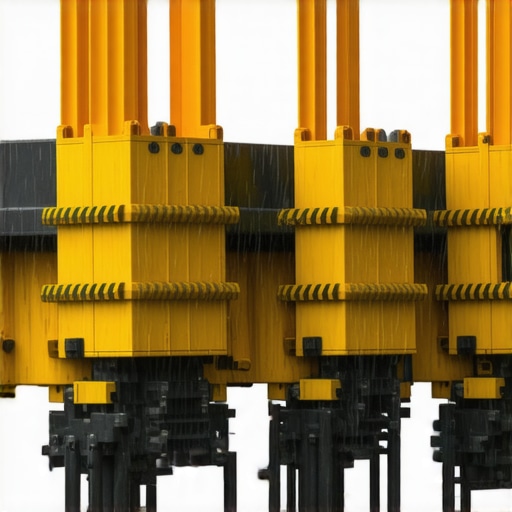
Mitigating Environmental Impact While Securing Excavation Sites
Environmental stewardship in wet conditions demands a nuanced approach—employing biodegradable erosion control mats, sediment basins, and vegetation cover to prevent soil runoff into adjacent ecosystems. Incorporating these measures alongside advanced hydrovac infrastructure ensures compliance with environmental standards while maintaining operational efficacy.
Can AI Fine-Tune Operational Timing Amid Fluctuating Rainfall?
Artificial intelligence models that synthesize weather forecasts, soil sensor inputs, and project timelines facilitate optimal scheduling and resource deployment. This technology adjusts excavation and shoring activities proactively, minimizing delays and safeguarding personnel and infrastructure, particularly in unpredictable climatic zones. Industry reports suggest that AI integration can reduce weather-related risks by up to 40%.
Enhancing Soil Stabilization Using Nano-Engineering Solutions
Emerging research explores nanomaterials that can be infused into soil matrices, creating impervious layers that resist water infiltration and erosion. Such interventions offer durable, environmentally friendly alternatives to traditional soil stabilization techniques, especially effective in settings prone to flooding or persistent rain.
Engaging with Specialized Consultancies to Elevate Safety Protocols
Partnerships with geotechnical consultants and hydrovac experts permit tailored risk assessments and bespoke mitigation strategies. These collaborations ensure that site-specific complexities—such as varied soil compositions and hydrological factors—are meticulously addressed, forming a robust defense against heavy rain adversities. Schedule a consultation today to transform your excavation safety standards.
Cutting-Edge Techniques for Challenging Conditions
Maximizing safety and efficiency during heavy rain requires a mastery of innovative soil stabilization methods and adaptive hydrovac strategies. Embracing high-pressure water interventions combined with strategic site conditioning can dramatically reduce erosion risks and wall collapses, setting new standards in trenching excellence.
Harness Real-Time Data for Preemptive Actions
Employing soil moisture sensors and geotechnical sensors provides critical insights that allow operators to anticipate unstable zones. This proactive approach enables timely adjustments, ensuring trench integrity even under unpredictable weather fluctuations.
Leverage Adaptive Shoring Models
Traditional shoring may falter amidst aggressive water ingress. Instead, deploying inflatable dams or modular trench shields that respond dynamically to changing conditions can maintain stability, reducing project delays and enhancing safety margins.
Ensure Effective Drainage to Complement Soil Support
Proper surface and subsurface drainage systems, such as perforated pipes or programmable sump pumps, divert runoff efficiently. These systems underpin physical stabilization measures, ensuring consistent trench support despite heavy rainfall.
Automate for Success with AI and IoT
Integrating artificial intelligence and IoT-enabled sensors facilitates continuous monitoring. The resulting data streams enable rapid responses—like activating water pumps or adjusting shoring—keeping excavation workflows resilient against weather surges.
Resources to Deepen Your Expertise
- Hydrovac Safety Guidelines: Discover best-practice standards for risk mitigation during adverse conditions, available at this resource.
- Mastering Vacuum Excavation Techniques: Explore comprehensive strategies for safe and efficient trenching at our guide.
- Innovations in Soil Stabilization: Keep pace with emerging nanotechnologies and materials that fortify soil against saturation, as discussed in recent industry reports.
- Advanced Drainage Solutions: Learn how smart drainage networks and automated systems can dramatically improve site resilience in wet weather, detailed in technical papers and project case studies.
- Artificial Intelligence Integration: Deepen your understanding of predictive analytics for geotechnical risk assessment through leading industry publications and AI-focused research.
Empower Your Projects with Forward-Thinking Strategies
In the dynamic realm of trenching amid heavy rain, staying ahead hinges on expert insights and cutting-edge resources. Embrace these advanced approaches to elevate your safety standards and operational success. For tailored consultation on your site challenges, don’t hesitate to reach out today. Cultivate your expertise and turn stormy obstacles into opportunities for innovation and excellence in soil management.