Why 2026 Utility Teams Are Swapping Backhoes for Hydrovac
Revolutionizing Utility Installation: Why Vacuum Excavation Gaining Momentum Among Leading Utility Teams
In recent years, the excavation industry has witnessed a paradigm shift driven by technological advancements that prioritize safety, precision, and efficiency. The increasing adoption of hydrovac systems over conventional backhoe trenching reflects a strategic move by utility teams aiming to mitigate risks associated with subsurface work. This transition is particularly prominent in urban environments where the density of underground utilities makes traditional methods more perilous and costly.
Technical Superiority of Trenching Alternatives in Urban and Coastal Contexts
The core advantage of vacuum excavation and borehole techniques lies in their minimal disruption to existing infrastructure. Unlike trenching that mechanically displaces soil with potential for utility strikes, hydrovac operations utilize high-pressure water jets and vacuum suction to expose underground utilities with surgical precision. This method reduces the risk of line damage, minimizes surface disturbance, and accelerates project timelines—factors critically important for 2026 infrastructure projects facing tighter schedules and stricter safety standards.
How are experts mitigating soil instability to prevent borehole collapses during high-pressure excavation?
Soil stability remains a significant concern, particularly in heterogeneous deposits or coastal sites susceptible to erosion. Industry white papers recommend a combination of real-time soil analysis and advanced soil stabilization techniques, such as targeted grouting and specialized slurry mixes, to reinforce borehole walls and prevent collapses. For practical implementation, consult this comprehensive guide on borehole stabilization methods tailored for 2026 projects.
Advancing Safety and Cost-efficiency Through Specialized Equipment and Protocols
Employing hydrovac technology not only enhances safety by reducing accidental utility strikes but also offers long-term cost benefits. Strategic pre-marking, real-time utility detection, and adaptive pressure settings are critical to avoiding line damages and line strike delays. Industry reports suggest that companies leveraging standardized checklists and optimized pressure controls observe a significant decrease in project overruns and equipment downtime in 2026.
Integrating Borehole and Hydrovac Strategies for Complex Projects
The integration of borehole drilling and hydrovac methods is emerging as a best practice for complex urban projects requiring precise utility mapping and minimal surface impact. Advanced borehole techniques, coupled with vacuum excavation, enable inspectors and contractors to conduct high-accuracy subsurface scans without risking utility damage. For further insights into this sophisticated approach, refer to this detailed technical paper.
Why 2026 Will Be the Turning Point for Utility Excavation Technologies
Looking ahead, industry forecasts indicate that the integration of hydrovac systems and associated trenching innovations will become standard in utility installation, repair, and maintenance. The shift is driven by a confluence of regulatory pressures, technological advancements, and economic incentives to improve safety and reduce project costs. This evolution underscores the importance of embracing emerging tools and methods to maintain competitiveness and compliance in the rapidly transforming landscape of underground infrastructure work.
As the industry continues to evolve, sharing insights and real-world experience remains vital. Professionals are encouraged to contribute their expertise and case studies to foster innovation and set new benchmarks for excellence in utility excavation.
Unlocking Precision with Cutting-Edge Utility Mapping in 2026
As underground infrastructure becomes increasingly intricate, the demand for accurate utility mapping grows exponentially. Traditional methods often fall short in complex urban environments, leading to costly mistakes and project delays. Advanced borehole and hydrovac techniques offer the precision necessary to navigate dense utility networks effectively. These methods incorporate real-time data collection and high-resolution subsurface imaging to prevent utility strikes and ensure project accuracy, ultimately saving time and reducing expenses in your 2026 initiatives.
The Hidden Power of Soil Stabilization Methods in High-Impact Excavations
Ensuring soil stability is paramount when working in diverse geological conditions, especially near coastal or erosion-prone zones. Innovative soil stabilization strategies, such as targeted grouting and specialized slurry mixes, bolster borehole walls against collapse and facilitate safe excavation. Experts recommend integrating these techniques into your planning phase, leveraging industry-leading insights, like those found here, to optimize safety and efficiency during 2026 projects.
Could real-time soil analysis revolutionize borehole stability in challenging terrains?
Advancements in real-time soil monitoring technologies allow operators to adapt their stabilization measures dynamically, adapting to unexpected soil behaviors. This proactive approach reduces the risk of borehole collapse and enhances overall project safety. By deploying sensors and automated data analysis, crews can make informed decisions on the fly, transforming static stabilization plans into adaptable, responsive solutions — a game-changer for complex excavation scenarios.
If you’re considering integrating these innovative methods into your upcoming projects, deepen your understanding by exploring this comprehensive guide on soil stability and borehole integrity.
Strategic Pressure Optimization: The Key to Line and Utility Preservation
Optimizing vacuum and water pressures during hydrovac operations minimizes utility disturbances and enhances excavation precision. Industry benchmarks indicate that adjusting pressure settings based on soil type, utility depth, and surrounding infrastructure can prevent line breaks and line strikes. Employing pressure-tuning protocols tailored for 2026 standards can significantly improve project outcomes, leading to fewer delays and lower repair costs.
Connecting the Dots: Combining Borehole and Vacuum Techniques for Complex Urban Deployments
Integrating borehole sampling and hydrovac excavation creates a synergistic approach that enhances subsurface understanding while minimizing surface impact. This dual strategy enables precise utility detection and mapping, especially in congested urban spaces where surface disruption is costly. For practical application, consult this resource outlining best practices for combining these methodologies effectively.
How Will Emerging Technologies Redefine Utility Maintenance in 2026 and Beyond?
The rapid evolution of smart sensors, automated logging, and AI-powered analysis predicts a future where utility projects are safer, more accurate, and budget-friendly. Industry reports forecast that integrating these innovations with hydrovac and borehole strategies will revolutionize routine maintenance, emergency repairs, and new installations. To stay ahead, practitioners should explore emerging tools and consider pilot programs that leverage cutting-edge technology—see this insightful analysis for future-ready solutions.
Harnessing Geophysical Innovations to Streamline Utility Surveys
As underground utility networks become increasingly dense and complex, traditional detection methods often struggle to keep pace, elevating the risk of costly errors. Enter advanced ground-penetrating radar (GPR), a geophysical technology that offers unprecedented resolution and depth penetration capabilities. By integrating state-of-the-art GPR systems with sophisticated data processing algorithms, utility teams can achieve highly accurate subsurface imaging, significantly reducing the incidence of utility strikes and project delays.
Are Emerging Signal Processing Techniques Elevating GPR Precision?
Indeed, recent breakthroughs in signal processing—such as machine learning-enhanced data filtering and real-time 3D imaging—are transforming GPR’s efficacy. Researchers at the Geophysical Research Institute highlight how these innovations enable the differentiation between utility types and depth estimations with remarkable accuracy, even in challenging soil conditions. This synergy of hardware and software advancements facilitates rapid decision-making during excavation planning, optimizing safety and efficiency.
However, deploying these sophisticated GPR systems requires specialized expertise. Utility professionals must undergo targeted training in data interpretation and equipment calibration to fully leverage these capabilities. For optimal results, consider collaborating with geophysical consultants who specialize in integrating cutting-edge GPR solutions tailored for complex urban environments.
Overcoming Soil and Urban Environment Challenges in Utility Detection
Urban settings introduce a myriad of challenges, from heterogeneous soil compositions to electromagnetic interference from existing infrastructure. Advanced GPR systems now incorporate adaptive antenna arrays and electromagnetic shielding, which help mitigate these issues. Moreover, combining GPR with complementary detection methods like electromagnetic inductance surveys or acoustic sensors creates a multi-modal approach that enhances overall reliability.
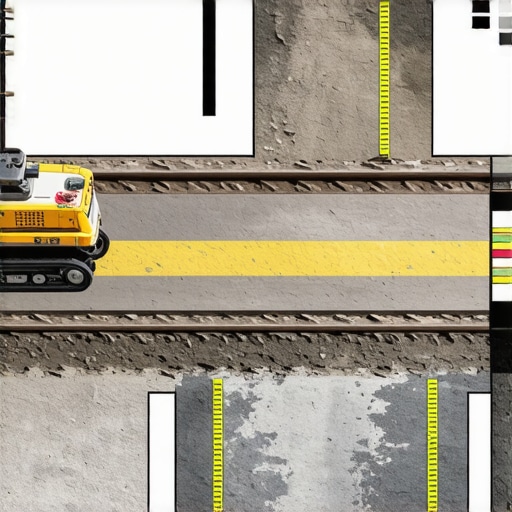
Visualizing subsurface utility detection in real-time allows operators to make informed decisions, minimizing surface disruption and utility damages. Incorporating these enhanced detection techniques into routine surveys necessitates a paradigm shift in training, calibration, and data management protocols—elements that organizations must adapt to stay at the forefront of underground utility mapping in 2026 and beyond.
Will Sustainable and Cost-Effective Surveys Become the Norm?
As environmental considerations and budget constraints intensify, utility firms are exploring eco-friendly survey methods that reduce energy consumption and avoid hazardous materials. Innovations in lightweight GPR units powered by renewable energy sources and compact design facilitate more widespread adoption of sustainable survey practices. According to the Sustainable Geophysics Journal, these solutions not only lower operational costs but also align with broader corporate responsibility goals.
How can AI-Driven Data Analytics Accelerate Future Utility Mapping?
Artificial intelligence (AI) is poised to revolutionize utility detection by automating data interpretation, anomaly detection, and predictive modeling. AI algorithms trained on extensive geophysical datasets can rapidly identify utility signatures, forecast potential conflicts, and recommend optimal excavation paths. Such capabilities enhance decision accuracy, reduce human error, and facilitate scalable survey operations—crucial factors in managing expansive urban projects.
Investing in AI-enabled GPR systems demands a strategic approach, including data governance frameworks, validation protocols, and workforce upskilling. As these technologies mature, early adoption will be vital for utility organizations aiming to maintain a competitive edge in efficient, safe, and sustainable underground infrastructure management.
Embracing the Next Generation of Utility Safety Protocols Through Innovative Technologies
The landscape of underground utility management is experiencing a seismic shift, driven by revolutionary detection and excavation methods that transcend traditional limitations. Cutting-edge technologies, such as multi-frequency GPR combined with AI-driven analytics, empower professionals to visualize complex underground environments with unprecedented clarity. Implementing these tools necessitates a reevaluation of existing safety protocols, ensuring compatibility with automated data interpretation and real-time decision-making processes.
Can Automated Systems Transform Soil Stabilization Strategies Effectively?
Recent developments in geotechnical monitoring incorporate automated soil stress sensors and adaptive stabilization systems, which dynamically adjust grout compositions and injection pressures in response to live soil feedback. This responsive approach markedly reduces the risk of borehole collapses, especially in heterogeneous or erosion-prone terrains. According to research published in the Journal of Geotechnical Engineering, integrating such intelligent systems significantly enhances excavation safety margins during complex urban projects.
How do hybrid excavation models redefine project scalability and precision?
By synergizing traditional trenching with precision borehole and hydrovac methods, agencies craft flexible and scalable workflows capable of addressing projects of varying complexity. This hybrid methodology leverages the deep reach of borehole sampling for comprehensive utility mapping, while hydrovac operations swiftly expose utilities with minimal surface disturbance. This duality enables rapid response to unforeseen obstacles and facilitates detailed subsurface diagnostics—integral to modern infrastructure resilience.

Visuals illustrating a hybrid excavation setup exemplify how layered utility detection layers improve overall accuracy, reduce risk, and streamline workflows in dense urban zones. Such imagery not only clarifies technical paradigms but also underscores the importance of integrated approaches for future infrastructure development.
Is Blockchain on the Horizon for Utility Asset Verification?
Emerging applications of blockchain technology present promising avenues for documenting and authenticating utility asset histories, maintenance records, and excavation permissions. Immutable digital ledgers could revolutionize project compliance, mitigate fraud, and streamline inspections. Industry consortiums, like the Blockchain Utilities Alliance, are pioneering pilot programs to embed trust and transparency into underground asset management, heralding a new era of accountability.
Prepare for the AI-Driven Precision Surge in Utility Mapping
The integration of artificial intelligence with geophysical survey data heralds a new frontier in utility detection accuracy. Machine learning algorithms trained on expansive datasets can discern utility signatures from noise, predict utility locations with higher confidence, and even suggest optimal excavation paths. Embracing these innovations enables utility teams to preemptively identify potential hazards, reduce delays, and enhance safety metrics—cornerstones of sustainable infrastructure development in 2026 and beyond.
Why Continuous Training and Knowledge Exchange Drive Technological Adoption?
As tools become more sophisticated, ongoing education and interdisciplinary collaboration become crucial. Initiatives like virtual reality simulation training, expert webinars, and international case study exchanges foster a culture of innovation. Cultivating expert knowledge ensures that organizations not only adopt new technologies effectively but also contribute to evolving best practices, setting the stage for resilient and adaptive underground utility strategies.
Expert Insights & Advanced Considerations
Embrace Integrated Approaches for Complex Projects
Blending borehole sampling with hydrovac techniques not only enhances subsurface accuracy but also minimizes surface disruption, paving the way for safer urban excavations. This synergy allows teams to adapt swiftly to unforeseen utility layouts, reducing delays and enhancing project resilience.
Prioritize Soil Stability with Real-Time Monitoring
Implementing automated soil stress sensors and adaptive stabilization methods can dynamically prevent borehole collapses, especially in heterogeneous or erosion-prone terrains. Such proactive strategies elevate safety standards and operational efficiency in high-stakes environments.
Leverage AI and Geophysical Data for Precision
Artificial intelligence, combined with advanced geophysical techniques like ground-penetrating radar, can dramatically improve utility detection accuracy. These innovations facilitate rapid decision-making, minimize utility strikes, and optimize resource allocation, ensuring projects stay on schedule.
Harness Sustainable Technologies for Cost and Environment Benefits
Lightweight, renewable-powered survey tools and eco-friendly slurry mixes are transforming sustainable excavation practices. Adoption of these innovations not only lowers costs but also aligns with environmental responsibilities, supporting long-term community health and regulatory compliance.
Anticipate Regulatory and Technological Shifts
Staying ahead involves understanding emerging regulations around underground work and integrating cutting-edge tools like AI-driven mapping and blockchain for asset verification. Proactively embracing these advances safeguards project viability and industry leadership.
Curated Expert Resources
- Hydrovac Drilling Knowledge Hub: A comprehensive portal aggregating the latest industry white papers, technical guides, and best practices for safe and efficient utility excavation.
- Geophysical Research Institute Publications: Cutting-edge research articles on ground-penetrating radar and geophysical innovations influencing underground utility detection.
- Sustainable Geophysics Journal: Focuses on eco-friendly survey solutions, advanced slurry technologies, and environmental impact mitigation strategies.
- Blockchain Utilities Alliance: Pioneers in integrating blockchain technology into underground asset management, emphasizing transparency and compliance.
- International Safety Standards in Utility Excavation: Updated protocols and safety frameworks aligned with the latest technological advancements.
Most Impactful Takeaway for the Future
Looking ahead, the fusion of artificial intelligence, geophysical innovations, and sustainable practices will redefine utility excavation standards in 2026. Mastery of these technologies transforms potential challenges into opportunities for safety, precision, and cost savings. As industry experts, sharing insights, participating in pilot programs, and continuous learning will be critical for maintaining industry leadership and ensuring resilient infrastructure development. Engage with advanced resources and contribute your expertise to drive collective progress in this transformative era.
Reading this post really underscores how rapidly the utility industry is shifting towards more innovative and safer excavation methods like hydrovac. From my experience working on urban infrastructure projects, the precision and minimal surface disturbance offered by vacuum excavation are game changers, especially in areas with dense underground utilities. I’ve seen projects where traditional trenching caused utility strikes, resulting in costly delays, which now seem avoidable with these new techniques. The emphasis on real-time soil analysis and adaptive stabilization really caught my eye—dynamically preventing borehole collapses sounds like a huge safety advancement.
I’ve been curious about how smaller crews can effectively implement these advanced technologies without extensive training. Are there standardized certification programs or practical workshops that help teams get up to speed quickly? Also, as AI and geophysical innovations become more integrated, how are companies managing the transition while maintaining ongoing project timelines? Would love to hear insights from others who have navigated this digital transformation in their operations.