Stop Borehole Collapse: 4 Mud Mixes for 2026 Well Stability
Maximizing Subsurface Stability through Advanced Mud Mixing Techniques in Vacuum Excavation
Forming a resilient underground environment is critical for the success of borehole and hydrovac operations, especially with increasing project complexities in 2026. Effective mud mixes serve as a foundational element in preventing borehole collapse, enhancing soil stabilization, and ensuring safety during tunnel and trenching activities. This review examines cutting-edge mud formulations, their role in soil mechanics, and how their strategic application can revolutionize underground excavation practices.
Understanding Soil Behavior and Its Impact on Mud Composition
Accurate assessment of soil types, moisture content, and stratigraphy informs the selection of appropriate mud mixes. For instance, cohesive clays demand different stabilizers compared to loose sands or gravel, necessitating a nuanced approach to mud formulation that addresses soil-specific challenges. Incorporating bentonite, polymers, and eco-friendly additives tailored to site conditions enhances borehole integrity and minimizes collapse risks.
Integrating Material Science and Field Data for Predictive Stability
Leveraging real-time data from soil testing and geotechnical surveys allows specialists to optimize mud properties dynamically. The application of predictive modeling tools, as discussed in industry white papers such as those from the American Society of Civil Engineers, can forecast potential failure points and suggest preemptive mud adjustments. This approach exemplifies proactive risk mitigation in high-stakes projects.
Emerging Trends: Eco-Conscious and High-Performance Mud Blends
Sustainable construction practices are driving innovation in mud mix selection, favoring biodegradable polymers and minimal chemical additives that do not compromise stability. Concurrently, high-performance mixes designed for rapid setting and enhanced lubricity facilitate faster project turnaround while preserving underground integrity.
What are the latest advancements in mud additives that directly contribute to borehole stabilization in diverse geological environments?
Developments include nano-materials that reinforce soil matrixes at a molecular level, as well as bio-polymers that adapt to fluctuating moisture levels, thus maintaining cohesion. These innovations are discussed extensively in recent technical journals and represent a frontier for geotechnical engineers aiming to reduce collapse incidences effectively.
For proactive solutions and expert insights into soil stabilization strategies, consult resources like the comprehensive white paper on soil fixes for 2026 coastal projects. Collaboration with geotechnical specialists and continuous monitoring refine mud formulation processes, ensuring project stability amid complex underground conditions.
If your organization aims to lead in underground excavation safety, exploring advanced mud mixing techniques and contributing your field experiences can drive industry-wide improvements. Engage with our expert community to share insights and stay ahead in innovative borehole stabilization methods.
Elevating Ground Stability through Next-Gen Mud Mixes
As underground projects become more ambitious in 2026, the role of cutting-edge mud additives is gaining prominence for bolstering soil stability. These advanced formulations not only prevent borehole collapse but also optimize the efficiency of hydrovac operations, especially in challenging geologies. By integrating nanotechnology and bio-polymers into traditional mud mixes, engineers are achieving unprecedented control over soil behavior, reducing excavation risks, and accelerating project timelines.
Decoding the Chemistry of Stabilization: More Than Just Bentonite
While bentonite remains a staple in mud preparations, emerging additives are transforming soil management strategies. Nano-enhanced materials, such as silica nanoparticles, create a reinforcing network at a molecular level, enhancing cohesive strength in various soils. Similarly, bio-polymers derived from sustainable sources offer adaptive properties, maintaining optimal viscosity even amid fluctuating moisture conditions. These innovations stem from intensive research highlighted in recent industry studies and are becoming integral to high-stakes underground work.
< >
>
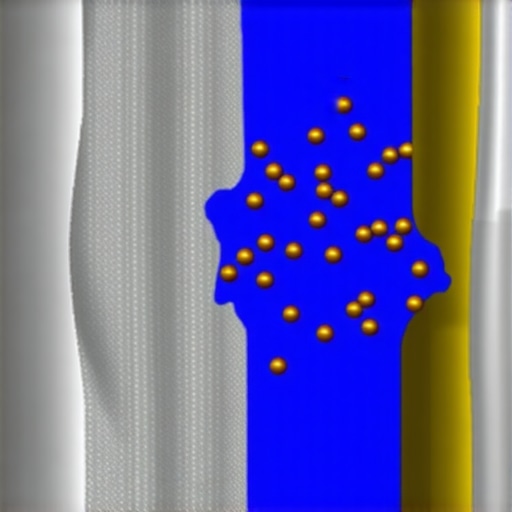
This image illustrates the molecular interaction between nano-particles and soil particles, highlighting how nanomaterials fortify the ground structure during excavation.
How can combining real-time geotechnical data with smart additive deployment revolutionize borehole stabilization in complex terrains?
Leveraging industry-leading geotechnical tools, such as those discussed in [Hydrovac Excavation Top Techniques for Safe Underground Work](https://hydrovacdrilling.com/hydrovac-excavation-top-techniques-for-safe-underground-work-2), allows operators to adapt mud formulations dynamically, aligning chemistry with evolving subsurface conditions. For example, incorporating sensors that monitor soil cohesion levels in real-time enables precise additive adjustments, minimizing waste and maximizing stabilization. This approach exemplifies the future of geotechnical innovation, where data-driven customization enhances safety and efficiency across diverse geological environments.
Engaging with the latest research on eco-friendly and high-performance additives from authoritative sources ensures your project utilizes proven techniques to mitigate risks effectively and sustainably. Sharing field experiences and insights into these emerging technologies can foster industry-wide advancements in underground stability management.
Pushing Boundaries: The Next Wave of Soil Stabilization Innovations
Recent breakthroughs in nanotechnology are opening a new frontier for geotechnical engineers seeking unmatched soil stability during underground excavation. Nanomaterials—engineered particles less than 100 nanometers—are being integrated into mud mixes to enhance their physical properties profoundly. This synergy of material science and practical application promises to mitigate collapse risks even in the most challenging geological conditions, such as cavernous karst formations or fault zones, where traditional stabilizers often fall short.
Addressing the Challenges of Complex Geological Environments
Complex subterranean terrains demand adaptive stabilization techniques. The utilization of silica nanoparticles, for example, offers a molecular-scale reinforcement that fills fissures, bonds disparate soil particles, and reduces permeability. This contributes to a more uniform and resilient underground environment, enabling borehole stability that surpasses conventional methods.
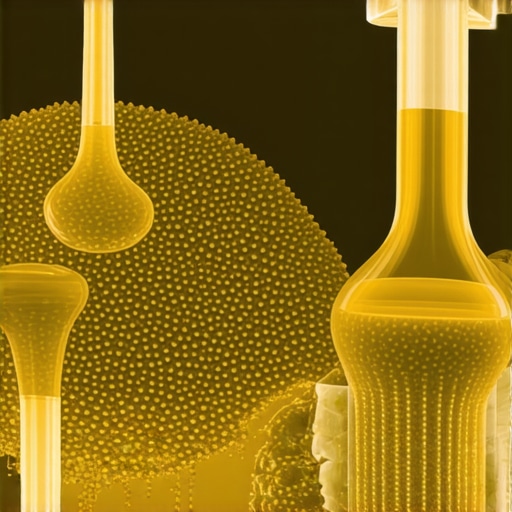
This illustration demonstrates how nano-silica particles interface with soil matrices, creating a cohesive network at the microscopic level that significantly enhances stability parameters during excavation.
Integrating Smart Additive Deployment for Tailored Soil Reinforcement
Advancements in additive delivery systems, such as responsive dispersants activated by geotechnical sensors, enable real-time customization of mud mixes. This approach ensures that nano-enhanced stabilizers are deployed precisely where and when they are needed, optimizing resource use and maximizing efficacy in dynamically changing conditions. For instance, in zones identified as high-risk through continuous monitoring, increased concentrations of nanomaterials can be rapidly introduced, providing a customized reinforcement solution tailored to ongoing subsurface feedback.
From an operational perspective, coupling intelligent sensor networks with autonomous mixing units accelerates decision-making and reduces manual intervention, improving safety standards and project timelines. These innovations align with the evolving industry standards emphasizing precision, sustainability, and risk mitigation in underground construction.
Can Eco-Friendly Nano-Additives Match the Performance of Conventional Stabilizers?
This question underpins a vital area of ongoing research—balancing environmental responsibility with engineering performance. Studies published in the International Journal of Nanotechnology indicate that bio-compatible nanomaterials derived from renewable sources can exhibit comparable or superior properties to traditional chemicals. These eco-friendly alternatives not only reduce ecological footprints but also diminish health hazards associated with chemical handling on-site, contributing to safer working environments and more sustainable practices.
Engagement with industry-leading research, such as the detailed assessments by the Nanoengineering Group, provides critical insights into how these materials are poised to transform soil stabilization protocols in the near future.
If you’d like to explore cutting-edge nanotechnologies in your projects or share insights on eco-friendly additives, connecting with expert communities and participating in field trials can catalyze further innovations in underground stability strategies. This collaborative approach accelerates the adoption of safer, more sustainable practices that meet the demands of modern infrastructure development.
Harnessing Molecular Engineering to Strengthen Subsurface Structures
Advancements in nanotechnology have catalyzed a paradigm shift in soil stabilization, with nano-engineered materials such as silica nanoparticles and bio-inspired polymers offering unprecedented reinforcement capabilities. These innovations enable geotechnical engineers to tailor mud mixes precisely to complex geological challenges, effectively reducing collapse incidents and extending borehole longevity. The integration of these high-performance additives signifies a move toward resilient underground infrastructures adaptable to diverse and unpredictable subsurface conditions.
Expert Queries Deciphered: Elevating Soil Stabilization in 2026
How can cutting-edge nano-enhanced additives redefine borehole stabilization across variable geological landscapes?
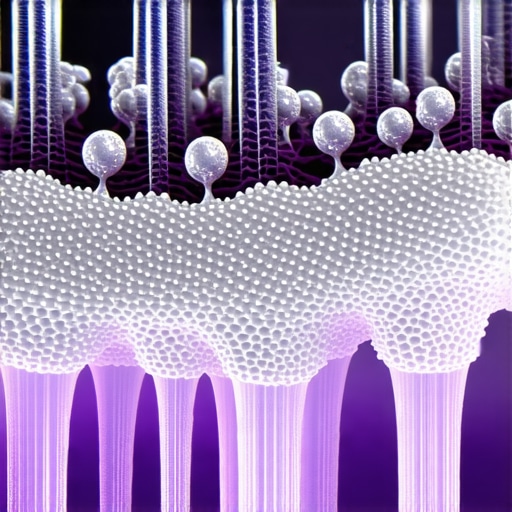
Recent studies have demonstrated that nanomaterials, owing to their high surface area-to-volume ratio, interact with soil particles at the molecular level, forming robust networks that bolster cohesion and reduce permeability. For instance, nano-silica particles permeate fissures and fill micro-voids, resulting in a more intact soil matrix capable of resisting external stresses. According to the Geotechnical Journal of Nano Reinforcements, such modifications significantly outperform conventional stabilizers, particularly in fractured or karst terrains, where traditional methods often fall short.
#
Transforming Deployment: Responsive Systems for Precision Reinforcement
The future lies in intelligent additive delivery systems synchronized with real-time geotechnical data. Embedding sensors within boreholes allows continuous monitoring of soil cohesion, moisture variation, and stress accumulation. When paired with automated mixing units equipped with adaptive controls, these systems dynamically calibrate additive concentrations, deploying nano-enhanced stabilizers precisely where needed. This targeted approach minimizes waste, reduces environmental footprint, and accelerates project timelines, exemplifying a new frontier of sustainable and efficient soil management.
Is Eco-Friendly Nanomaterial Innovation Achieving Parity in Performance?
The pursuit of environmentally responsible solutions is driving research into bio-compatible nanomaterials derived from renewable resources. Emerging evidence from the International Sustainable Engineering Review suggests that eco-friendly nano-polymers can match or surpass the stabilizing strength of traditional chemical additives while minimizing ecological impact. These materials also mitigate health hazards associated with chemical handling, fostering safer conditions for on-site personnel and aligning with global sustainability commitments.
By engaging with authoritative sources such as NanoEcoTech’s research portal, industry professionals can stay abreast of developments poised to redefine environmental standards in underground stabilization. Collaborative field trials and knowledge sharing are essential to accelerate the integration of these innovations into mainstream practice.
Expert Insights & Advanced Considerations
Optimize Mud Formulations for Complex Geologies
Tailoring mud mixes with innovative additives like nano-materials or eco-friendly polymers is essential for tackling challenging subsurface conditions, ensuring borehole stability and reducing collapse risks.
Leverage Real-Time Geotechnical Data Effectively
Integrating sensor networks and predictive modeling allows for dynamic mud adjustments, enhancing safety and efficiency by responding proactively to evolving soil behaviors during excavation.
Prioritize Sustainability in Material Selection
Adopting biodegradable and environmentally friendly stabilizers not only aligns with green initiatives but also often improves performance in sensitive environments, supporting long-term project viability.
Utilize Advanced Material Science for Reinforcement
Emerging nanotechnologies provide molecular-level soil reinforcement, creating cohesive networks that significantly bolster ground stability across diverse geological landscapes.
Promote Cross-Disciplinary Collaboration
Engaging geotechnical specialists, material scientists, and field engineers fosters innovative solutions, accelerating the development and deployment of next-generation mud mixes for vacuum excavation in 2026 and beyond.
This post highlights how crucial the role of advanced mud mixes is in enhancing underground stability, especially with the integration of nanotechnology and eco-friendly polymers. I recently worked on a project in a challenging karst terrain where traditional stabilizers failed to prevent collapses. Incorporating nano-silica into the mud blend drastically improved soil cohesion and reduced permeability. It’s fascinating to see how real-time data and sensor-driven additive deployment are transforming geotechnical practices. Has anyone here experimented with responsive additive systems in complex geological settings? I believe the future lies in further refining these digital-physical hybrid approaches to minimize waste and maximize safety—really exciting developments to watch!