Mastering Mud Weight Adjustment: The Key to Borehole Stability in Complex Subsurface Conditions
In contemporary trenching and hydrovac excavation, meticulous control of mud weight is essential for maintaining borehole integrity, especially in deep or heterogeneous formations. Experienced operators recognize that static mud formulations rarely suffice when confronting shifting geological pressures and variable soil susceptibilities. To achieve optimal stability, practitioners must leverage real-time data and adaptive techniques, integrating geotechnical insights with advanced fluid management strategies.
Integrating Geomechanical Principles with Trenching and Vacuum Excavation Techniques
Deep boreholes often traverse layered terrains where conventional mud balance models fall short. Applying geomechanical principles enables engineers to preemptively adjust mud weight based on in-situ soil strength, pore pressure, and existing fracture networks. For instance, increasing mud density in expansive clays mitigates collapse risks while preventing fracturing in brittle mineral strata. Contemporary research, such as the seminal work in the International Journal of Rock Mechanics and Mining Sciences, underscores the importance of dynamic mud control aligned with real-time formation feedback.
How can operators effectively balance mud weight to optimize borehole stability without inducing formation damage or excessive pressure?
Critical to this balance is the deployment of advanced monitoring systems, including downhole sensors and electromagnetic imaging, which inform immediate adjustments to mud formulations. Additionally, integrating predictive modeling tools facilitates scenario analysis, allowing for proactive responses to subsurface anomalies. Such sophistication prevents issues like mud cake destabilization, blowouts, or formation collapses, thus enhancing safety and efficiency.
The Role of Digital Technologies in Enhancing Mud Weight Management
Emerging digital innovations, including machine learning algorithms and predictive analytics, revolutionize mud weight calibration. By analyzing historical data and real-time sensor inputs, these systems offer tailored recommendations that adapt to unique site conditions. This granular control not only improves borehole stability but also reduces non-productive time and operational costs. For example, companies utilizing these technologies report significant decreases in stuck pipe incidents and borehole failures.
Practical Considerations for Injecting Fluid Dynamics into Deep Borehole Operations
Implementing adaptive mud weighting requires a nuanced understanding of fluid dynamics, soil mechanics, and equipment capabilities. Specialists must consider factors such as pump pressure thresholds, rheological properties, and ambient temperature effects, all of which influence mud performance. Furthermore, safety protocols obligate meticulous calibration to prevent overpressurization that could fracture formations or trigger environmental hazards. Regular training and adherence to industry standards, such as those outlined by the Hydrovac Safety Guidelines, are imperative for operational excellence.
Achieving mastery in mud weight adjustment for deep boreholes demands an integrated approach combining geotechnical expertise, cutting-edge technology, and rigorous safety practices. As the industry advances, continuous innovation and knowledge sharing become vital for navigating the complexities of subsurface challenges and ensuring project success.
Interested in refining your trenching or hydrovac workflows? Explore our technologies for faster site preparation or share your experiences with mud management strategies at our contact portal.
Pioneering Fluid Dynamics for Superior Borehole Support
In the ever-evolving landscape of trenching and vacuum excavation, leveraging advanced fluid dynamic principles can significantly reduce risks associated with borehole instability. By understanding the interplay between fluid rheology and soil response, operators can tailor mud formulations that dynamically adapt to real-time geological conditions.
Harnessing Sensor Technologies for Real-Time Mud Weight Optimization
State-of-the-art downhole sensors now enable continuous monitoring of parameters such as pore pressure, temperature, and formation stress. Integrating these data streams with intelligent control systems facilitates immediate adjustments to mud density, ensuring consistent borehole support while minimizing formation damage. For example, real-time mud weight adjustments prevent overbalancing that could fracture the formation or underbalancing that risks collapse.
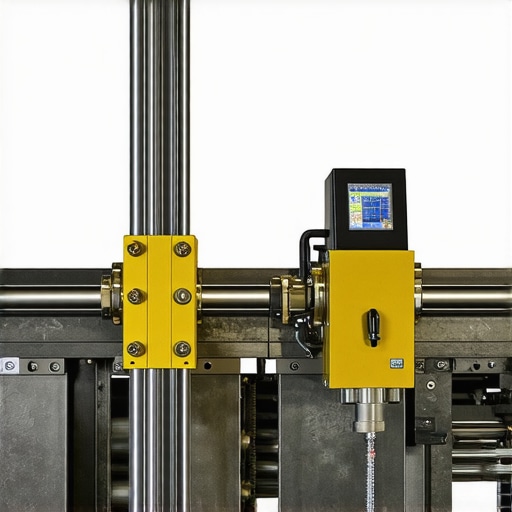
Illustration of a downhole sensor array integrated with automated mud weight control systems, optimizing stability during drilling operations.
How can predictive analytics transform our approach to maintaining borehole stability in unpredictable subsurface environments?
Predictive analytics, fueled by machine learning algorithms trained on extensive operational datasets, enable anticipatory adjustments to mud properties before issues manifest. This proactive stance enhances safety, reduces downtime, and optimizes resource utilization. Leading industry experts emphasize that embracing such digital transformation in mud management is crucial for tackling complex geological challenges effectively (see related guide).
Complex Soil Models: Moving Beyond Simplistic Assumptions
Traditional models often fail to account for heterogeneous and anisotropic soil behaviors. Incorporating complex soil mechanics models that simulate granular interactions and fracture propagation can improve mud weight calculations. Such models, combined with in-situ data, allow for nuanced strategies that mitigate risks like wellbore collapse or excessive formation loss, ultimately safeguarding both project timelines and environmental integrity. For further insights into soil modeling, consult industry-leading research in geotechnical journals and standards.
For professionals eager to refine their mud management practices, exploring adaptable fluid technologies and integrating high-fidelity sensors are critical steps toward operational excellence. To learn more about innovative site preparation techniques that complement these strategies, visit our latest trenching innovations or reach out through our contact portal.
Advanced Techniques for Preemptive Borehole Collapse Prevention
In the realm of complex subsurface environments, proactive measures are paramount to ensure borehole stability amidst unpredictable geological variables. The integration of real-time geomechanical data with adaptive drilling protocols enables operators to anticipate potential failure zones, adjusting mud weight and casing strategies dynamically. For example, deploying high-resolution microseismic monitoring combined with machine learning models can detect subtle shifts in formation stress, prompting preemptive interventions before collapse occurs.
How Can Real-Time Data Analytics Sharpen Your Collapse Mitigation Tactics?
By harnessing the power of big data analytics, drilling teams can sift through vast streams of sensor inputs—such as pore pressure fluctuations, acoustic emissions, and mud flow rates—to identify patterns indicative of impending instability. As documented by the Society of Petroleum Engineers in theirTechnical Review, integrating these analytics into operational decision-making significantly reduces non-productive time and minimizes costly downtime caused by borehole failures. Embracing such data-driven approaches marks a shift from reactive to predictive management in challenging formations.
What Are the Most Effective Fluid Innovations for Reinforcing Fragile Strata?
Emerging fluid technologies, such as non-damaging polymer-based drilling muds and tailor-made viscosifiers, enhance borehole support without exerting excessive pressure on delicate formations. These advanced formulations can be customized based on formation permeability and stress regimes, effectively acting as a cushion against collapse. Furthermore, nanotechnology-infused fluids are showing promise in creating resilient mud cakes that seal microfractures, thereby stabilizing the borehole wall with minimal formation alteration. Insights into these innovations can be found in recent publications by the American Petroleum Institute.
The Critical Role of Adaptive Casing and Patch Techniques in Complex Operations
Beyond fluid systems, the strategic use of adaptive casing schemes—such as expandable casings and inflatable liners—offers additional layers of security against collapse in heterogeneous lithologies. Combining these mechanical solutions with cementing techniques tailored to variable formation properties results in a robust hydraulic barrier, effectively isolating unstable zones. For instance, sectional cementing with specialty additives ensures uniform support, accommodating the irregular stress fields encountered in layered formations.
In tandem, recent advances in zonal isolation technologies allow for targeted reinforcement of problematic intervals, significantly reducing the risk of formation ingress or collapse propagating along the borehole. Industry leaders advocate for integrating these mechanical measures with real-time sensor feedback to create an intelligent stabilization system that adapts throughout the drilling process.
Shaping the Future: Digital Twins and Simulation-Driven Stability Planning
Leveraging digital twin technology—detailed virtual replicas of the physical borehole environment—enables engineers to simulate various collapse scenarios and optimize intervention strategies preemptively. By incorporating comprehensive geomechanical models, fluid dynamics, and equipment parameters, these simulations afford unparalleled foresight into borehole behavior under diverse operating conditions. This foresight aids in selecting optimal mud compositions, casing configurations, and operational pressures, ultimately forging a path toward near-zero failure rates.
According to recent case studies published in the Journal of Rock Mechanics, companies employing digital twin frameworks report significant improvements in prediction accuracy and response time, particularly in high-risk geological settings. As these technologies continue to mature, their integration with autonomous drilling systems promises a future where borehole stability management becomes more precise, efficient, and resilient.
For professionals aiming to elevate their expertise in borehole stability, exploring these cutting-edge methodologies and investing in adaptable operational frameworks is vital. To deepen your understanding of simulation-based stability planning and its real-world applications, consider participating in specialized workshops or consulting with industry leaders at upcoming technical conferences.
Harnessing the Power of Advanced Geomechanical Modeling for Precision Drilling
Effective borehole stability management hinges on the precision of geomechanical predictions, which are increasingly refined through sophisticated modeling techniques. These models incorporate complex variables such as anisotropic stress fields, heterogeneous soil properties, and fracture networks, enabling engineers to simulate and anticipate formation responses with exceptional accuracy. By integrating high-resolution seismic data and lab-derived parameters into finite element simulations, practitioners can devise adaptive mud weight and casing strategies that preemptively address formation vulnerabilities.
How does the integration of real-time geomechanical data revolutionize stability protocols in unpredictable terrains?
Empowered by real-time data acquisition from microseismic sensors and borehole imaging, geomechanical models become dynamic tools that adapt to evolving subsurface conditions. This synergy facilitates immediate adjustments in operational parameters, significantly reducing risks associated with unexpected stress redistributions or fracture propagation. Such advancements are documented in recent publications by the Society of Petroleum Engineers, highlighting their impact on drilling safety and efficiency.
< >
>
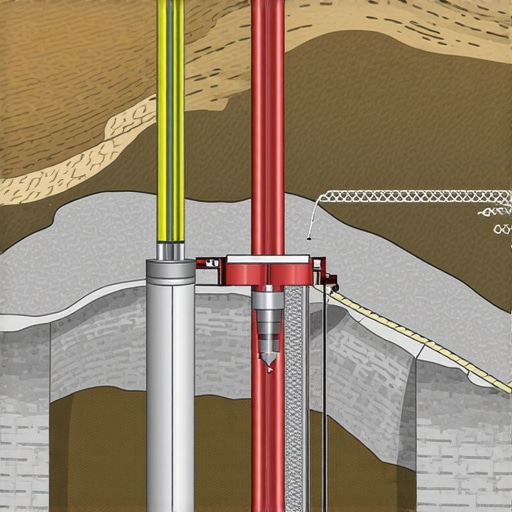
Visual representation of integrated real-time geomechanical data streams influencing borehole stability decisions during complex drilling operations.
Leveraging Machine Learning to Predict Fluid-Soil Interactions
The complex interactions between drilling fluids and surrounding formations dictate both borehole integrity and operational success. Machine learning algorithms trained on extensive datasets can identify subtle patterns in mud response and formation reactions, enabling proactive adjustments to fluid composition and properties. These predictive insights help mitigate issues such as formation swelling, mud cake destabilization, and differential sticking, particularly in sensitive formations like shales or clay-rich strata.
What are the cutting-edge machine learning techniques transforming fluid management in deep, unstable formations?
Deep learning models utilizing convolutional neural networks analyze continuous sensor data, providing granular control over mud formulation in response to real-time formation feedback. Reinforcement learning approaches further optimize fluid parameters through iterative scenarios, learning optimal adjustment strategies for evolving geological conditions. Industry case studies demonstrate that implementing these techniques reduces non-productive time and enhances borehole stability in complex environments.
Incorporating Nano-Engineering into Drilling Fluids for Microfracture Sealing
Emerging nanotechnology applications present an innovative avenue for reinforcing borehole walls and sealing microfractures. Nano-additives—such as nanoparticles of zirconia or silica—disperse uniformly within drilling fluids, creating resilient, self-healing mud cakes that resist fracture development. These materials enhance the sealing capability against micro-scale fluid ingress, particularly crucial in formations with high compressive or tensile stresses susceptible to microfracture propagation.
As research advances, customizing nanoparticle surface functionalization allows for targeted interaction with specific formation minerals, further elevating the effectiveness of stabilization strategies. Detailed results and experimental data can be found in recent issues of the Journal of the American Chemical Society.
Adapting Mechanical Support with Hybrid Casing Technologies
Mechanical support innovations, such as expandable casing systems combined with inflatable liners, provide flexible solutions to extend borehole stability in heterogeneous formations. These hybrid approaches enable in-situ modification of casing diameter and pressure containment, accommodating variable geological layers and stress conditions dynamically. Employing such systems allows engineers to reinforce weak zones selectively, minimizing the need for extensive remedial interventions.
Additionally, integrating these techniques with real-time monitoring creates an adaptive support network capable of responding proactively to subsurface shifts, thereby reducing collapse risk and optimizing resource utilization.
Simulation as a Foundation for Dynamic Stability Strategies
The advent of digital twin technology and high-fidelity simulation platforms empowers engineers to evaluate multiple stability scenarios virtually. Simulations incorporate geomechanical, fluid dynamic, and equipment performance data to forecast potential failure points accurately. This predictive capability facilitates the development of robust, adaptable drilling plans that can respond swiftly to unforeseen challenges, ultimately reducing costly downtime and environmental impact.
Leading industry journals emphasize that embracing simulation-driven design is vital for success in complex subsurface environments, where variability and unpredictability are the norm.
Explore further how these advanced methodologies can transform your drilling strategies by consulting our specialized resources or engaging with industry experts dedicated to pushing the boundaries of borehole stability management.
Expert Insights & Advanced Considerations
The Role of Adaptive Mud Weighting in Dynamic Environments
In challenging subsurface scenarios, static mud formulations fall short. Leveraging real-time geophysical data allows for precise adjustments to mud density, reducing the risk of borehole collapse or fracturing. Adaptive mud systems inform operators proactively, ensuring operational safety and efficiency.
The Integration of Digital Twin Technology for Predictive Stability Assessment
Digital twins create virtual replicas of drilling environments, enabling simulation of various stressors and fluid interactions. This foresight allows for preemptive modifications in drilling parameters, minimizing failures and optimizing resource allocation in unpredictable geological settings.
Microseismic Monitoring as a Forewarning System
Deploying microseismic sensors provides early detection of fracture initiation and propagation. Interpreting this data guides timely adjustments to mud weight and casing strategies, maintaining borehole integrity amid complex stress distributions.
Nanotechnology-Infused Drilling Fluids for Microfracture Prevention
Emerging nanomaterials enhance sealing capabilities by creating resilient mud cakes that withstand high stresses. These advanced fluids mitigate microfracture development, especially in sensitive formations, adding a layer of physical stability and environmental safety.
Strategic Use of Hybrid Casing Solutions
Expandable and inflatable casings provide flexible support tailored to formation variability. When combined with real-time data, they enable dynamic reinforcement of compromised zones, reducing downtime and improving wellbore stability.
Curated Expert Resources
- Society of Petroleum Engineers Publications: Offers peer-reviewed research on geomechanical modeling and innovative drilling techniques, essential for advanced stability strategies.
- International Journal of Rock Mechanics and Mining Sciences: Contains cutting-edge studies on dynamic mud control and fracture simulation, guiding practical applications.
- ScienceDirect’s Geotechnical Engineering Collection: Provides comprehensive resources on soil behavior modeling and subsurface characterization, vital for complex condition management.
- AI and Machine Learning in Drilling Operations: Industry whitepapers and technical reports showcasing predictive analytics applications for borehole stability.
- National Institute for Occupational Safety and Health (NIOSH) Guidance: Supplies safety protocols integrating technological advances into field practices, ensuring safe implementation of innovative methods.
Final Expert Perspective
Mastering borehole stability in complex subsurface conditions hinges on the seamless integration of real-time data, digital innovation, and advanced materials. Embracing adaptive strategies like dynamic mud weight control and digital twin simulations not only safeguards well integrity but also propels industry standards forward. Staying at the forefront requires continuous learning from authoritative sources and active engagement with technological developments. For professionals committed to pushing these boundaries, exploring specialized training and contributing insights can significantly influence collective expertise. Connect with industry leaders or consult our dedicated resources to deepen your approach and drive excellence in challenging drilling environments.