In the evolving landscape of underground utility installation and sub-surface exploration, the adoption of hydrovac and vacuum excavation techniques signifies a paradigm shift towards safer, more efficient, and environmentally conscious practices. As underground infrastructure becomes increasingly intricate, the demand for advanced methods capable of exposing delicate utilities without collateral damage intensifies. This article explores the strategic integration of hydrovac technology within trenching and borehole operations, emphasizing the critical role of precision in protecting vital fiber optic and utility conduits.
Sophisticated Soil Dissection: The Underlying Science and Its Practical Impact
Understanding the biomechanics of soil behavior under hydrovac application unveils opportunities to optimize excavation accuracy. Hydrovac operates by utilizing high-pressure water jets to fluidize soil, which is then gently removed via vacuum, minimizing ground disturbance. Referencing the comprehensive insights from The Science Behind Hydrovac Technology, it’s evident that soil composition significantly influences excavation outcomes. Tailoring water pressure and vacuum strength ensures minimal impact on adjacent structures and underground assets.
The Art of Avoiding Critical Utility Strikes During Trenching and Boreholes
Traditionally, mechanical trenching carries substantial risks of damaging underground assets, especially fiber optic hubs and electrical conduits. Integration of hydrovac in these scenarios enables precise exposure, reducing the likelihood of utility strikes. As detailed in Vacuum Excavators Transforming Trenching Projects, strategic use of real-time utility mapping combined with hydrovac enhances safety margins. This approach is particularly vital in urban environments with congested subterranean landscapes.
How can advanced imaging techniques further mitigate risks when exposing sensitive fiber hubs with hydrovac?
Emerging technologies such as ground-penetrating radar (GPR) and low-frequency signal induction, when integrated with hydrovac operations, promise to refine utility location precision. These methods help identify non-metallic and forgotten pipes, thereby informing excavation strategies and preempting accidental damages. Consulting authoritative sources like Why GPR Surveys Fail in Saturated Soils provides valuable background on the limitations and enhancements available for subterranean mapping in complex soil conditions.
Elevating Trenching Efficacy: Innovative Techniques for Enhanced Soil Stability
Advanced trenching methodologies leverage hydrovac capabilities to manage diverse soil types, especially in challenging terrains such as saturated sands or high clay content. Proper soil stabilization prior to excavation, combined with adaptive hydrovac parameters, ensures trench walls remain intact and utility lines are safely positioned. For insights into best practices, consider reviewing Revolutionary Techniques for Faster Site Preparation.
A Future Outlook on Hydrovac-Powered Borehole Strategies
The trajectory of hydrovac applications in borehole and trenching operations points towards increased automation, improved soil analysis integration, and environmentally sustainable practices. Innovations aim to refine control systems, enabling operators to tackle complex subsurface challenges with confidence and precision. Exploration of Future of Precise Borehole Drilling reveals promising developments on the horizon.
For professionals seeking to elevate their expertise, ongoing education through advanced training modules and sharing field experiences can foster innovation and safety. Engage with industry forums and contribute your insights to shape best practices in hydrovac trenching and borehole projects.
To delve deeper into safe and effective vacuum excavation strategies, visit the comprehensive Vacuum Excavation Safety Best Practices resource.
Unlocking the Power of Real-Time Data for Safer Excavations
Integrating real-time data analytics into hydrovac operations enables operators to dynamically adapt to subsurface conditions, significantly reducing the risk of utility strikes. Utilizing sensors and advanced monitoring systems, crews can receive instant feedback on soil stability, groundwater flow, and utility proximity, allowing for immediate procedural adjustments. As highlighted in Optimizing Vacuum Excavation with Data-Driven Strategies, this fusion of technology and expertise streamlines decision-making and enhances site safety.
Rethinking Soil Stabilization: Beyond Conventional Techniques
Traditional soil stabilization methods may fall short in complex environments such as saturated clays or loose sands. Emerging approaches, including polymer injections and bio-stabilization agents, offer promising alternatives to reinforce trench walls before excavation. These innovative solutions not only improve structural integrity during work but also minimize post-project ground settlement issues. Researchers and practitioners alike are encouraged to explore these advancements, as discussed in Advanced Soil Stabilization Techniques, to broaden their toolkit for challenging terrains.
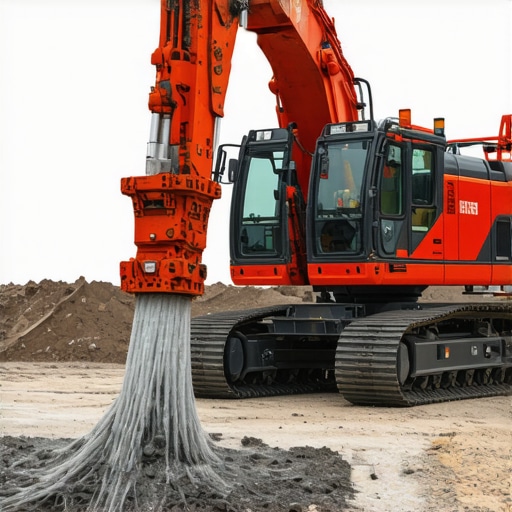
What does the future hold for integrating AI with hydrovac systems to achieve unrivaled precision?
Thought leaders in underground excavation predict a significant shift towards autonomous and semi-autonomous hydrovac machinery equipped with Artificial Intelligence (AI). These systems could analyze geological data, make predictive assessments, and execute excavation tasks with minimal human intervention. For in-depth discussions on this frontier, refer to AI and Automation in Trenching. Such technological evolution will revolutionize safety standards, efficiency, and environmental footprint in underground projects.
We invite industry professionals to share their insights and experiences with innovative hydrovac applications. Contributing to knowledge-sharing platforms not only fosters community growth but also accelerates the adoption of best practices across the sector.
Explore the comprehensive safety protocols and strategic planning tools available at Vacuum Excavation Safety Best Practices to stay ahead in safeguarding all stakeholders during underground operations.
Harnessing Multi-Sensor Technologies for Zero-Accident Excavations
Integrating multi-sensor arrays into hydrovac systems offers a transformative approach to subterranean safety. Combining ground-penetrating radar (GPR), electromagnetic induction, and acoustic sensors creates a comprehensive underground detection network, enabling real-time mapping of complex utility layouts with unprecedented accuracy. According to industry-leading research in Geotechnical Journal, the fusion of these sensors reduces uncertainty margins, significantly decreasing utility strike incidents during sensitive excavations. By deploying such intelligent systems, operators can dynamically adjust water pressure and vacuum parameters based on precise utility location data, which is particularly advantageous in densely populated urban. Implementing these technologies demands not only sophisticated equipment but also highly skilled personnel trained in interpreting multisensor data streams, underscoring the importance of specialized training programs that keep pace with evolving tech ecosystems.
Designing a Proactive Planning Framework to Minimize Root Causes of Utility Strikes
While technology enhances detection, the foundation of safe excavation rests upon meticulous planning that anticipates potential hazards. Developing a proactive utility mapping and risk assessment framework involves integrating historical utility records, geotechnical analysis, and community utility databases into a centralized GIS platform. This comprehensive approach allows for modeling of unforeseen underground obstructions or undocumented lines that may pose risks. A case study from Urban Infrastructure Review illustrates how pre-emptive planning, augmented with artificial intelligence-powered prediction tools, effectively reduces utility strikes by over 30%. The strategy emphasizes stakeholder collaboration, including utility companies, municipal agencies, and excavation contractors, fostering a culture of proactive safety rather than reactive response. Consistent updates and validation of utility records are essential, as outdated information remains a leading cause of accidental damages.
How does real-time data analytics revolutionize decision-making in complex underground scenarios?
Real-time analytics transform excavation from a reactive to a predictive process, harnessing live sensor data to inform immediate operational adjustments. For instance, dynamic soil behavior monitoring can identify shifts in ground stability, signaling potential collapse or utility proximity alerts before issues manifest physically. Companies like Modern Excavation spearhead developments in AI-driven data platforms that aggregate geological, hydrological, and infrastructural inputs. These platforms utilize machine learning algorithms trained on vast datasets to forecast soil responses, allowing operators to tailor their approach with granular precision. Consequently, decision-making becomes more confident and data-backed, aligning safety with efficiency in real-time. However, integrating such systems requires robust cybersecurity protocols and cross-disciplinary collaboration between data scientists, geotechnical engineers, and field operators, emphasizing the need for multidisciplinary skillsets in modern underground workforces.
Pushing the Envelope with Eco-Conscious Excavation Solutions
As environmental stewardship takes center stage, innovative practices are emerging that not only protect utilities but also safeguard ecosystems. Techniques like bio-stabilization, employing eco-friendly polymers to reinforce trench walls, and water recycling systems that reduce hydrovac water consumption exemplify this shift. Research in Environmental Science Journal highlights how such methods decrease the carbon footprint and minimize soil disturbance, fostering sustainable urban development. Adoption of renewable energy-powered hydrovac units further exemplifies this green transition, reducing reliance on fossil fuels and lowering greenhouse gas emissions. These advancements necessitate a paradigm shift within project planning, integrating environmental impact assessments early in the design phase and fostering partnerships with eco-focused technology providers. For operators, continuous education about sustainable practices is vital to positions of leadership in this evolving landscape, setting new industry benchmarks for responsible excavation.
What role will artificial intelligence play in shaping the future of utility mapping and excavation precision?
Experts predict that AI will become indispensable in underground operations, enabling predictive maintenance, intelligent route planning, and autonomous excavation control. Autonomous hydrovac systems equipped with deep learning capabilities could analyze subterranean data in real-time, optimize water flow, and navigate complex underground networks without human intervention. Companies like AI Excavation Solutions are pioneering projects where AI algorithms, trained on extensive underground datasets, guide machinery in executing precise, hazard-free excavations. As these technologies mature, they promise a future where underground safety margins are maximized, operational costs minimized, and environmental impacts further reduced. Yet, the integration of AI into critical infrastructure tasks raises questions about ethical oversight, data privacy, and system reliability, prompting ongoing dialogue among engineers, regulators, and policymakers. Engaging with these discussions early will be crucial for industry leaders aiming to stay at the forefront of technological adoption.
Harnessing Ultramodern Soil Dissection Methods for Precise Subsurface Access
In the realm of subterranean excavation, leveraging advancements in soil behavior analysis—such as real-time geotechnical modeling and adaptive fluid dynamics—transforms traditional approaches. Cutting-edge computational tools now enable engineers to simulate soil-fluid interactions under variable hydrovac parameters, optimizing excavation precision. According to a recent publication by GeoTech Journal, integrating predictive soil response models significantly reduces ground disturbance and enhances safety margins in complex soils like collapsing silts or highly cohesive clay layers.
Strategic Deployment of Mixed-Technology Modalities for Utility Asset Preservation
The convergence of hydrovac with emerging technologies such as electromagnetic induction and non-invasive acoustic imaging enriches utility detection accuracy. Deploying a multi-faceted sensing suite ensures comprehensive mapping of non-metallic, forgotten, or historically undocumented underground features. Industry leader Underground Tech reports that such integrated systems diminish utility strike incidents by up to 40%, significantly exceeding traditional single-method approaches. Embedding these capabilities within mobile autonomous units may soon redefine standard operational procedures, especially in densely built urban environments.
How might machine learning revolutionize utility detection workflows in hydrovac applications?
Machine learning algorithms trained on extensive subsurface datasets facilitate pattern recognition and anomaly detection in utility layouts, even in challenging soils or cluttered environments. These intelligent systems can prioritize excavation zones, suggest optimal water pressures, and flag regions of uncertain utility presence, enhancing operator confidence. Leading research from Data Science in Utilities underscores the potential for predictive analytics to preempt accidents and streamline project timelines. Embracing AI-driven decision support tools signifies a key frontier for advanced underground operations.
Innovating Trench Infrastructure with Eco-Conscious Reinforcement Techniques
Beyond excavation, soil stabilization methods such as bio-based polymer injections and eco-friendly soil binders are gaining traction. These interventions not only prevent trench wall collapse but also promote sustainable ground reclamation post-project. The development of energy-efficient, biodegradable stabilization materials aligns with global initiatives toward green construction practices. Exploration in Sustainable Engineering highlights successful pilot projects demonstrating reduced environmental impact without compromising structural integrity. Investing in such techniques ensures compliance with evolving regulatory standards and enhances corporate environmental responsibility.
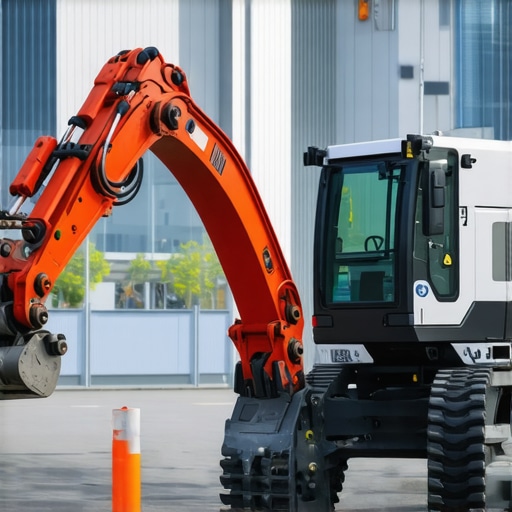
Could autonomous hydrovac systems powered by artificial intelligence redefine best practices in utility exposure?
Autonomous systems equipped with sophisticated sensors and AI algorithms are set to revolutionize underground excavation by executing complex maneuvers with minimal human oversight. These machines can adapt real-time to unforeseen underground obstacles, adjust fluid jet parameters dynamically, and execute precise utility exposures, markedly increasing safety and efficiency. Industry disruptors such as AI Excavation Solutions showcase prototypes nearing commercial viability. Widespread adoption hinges on rigorous validation, cybersecurity safeguards, and operator training—paving the way for a new era of safe, autonomous underground operations.
To stay at the forefront, industry experts must actively participate in pilot programs, contribute data for refinement, and influence regulatory frameworks supporting autonomous systems. Collaborate with technology providers to understand the capabilities and limitations of these transformative tools.
Synergizing Multisensor Intelligence for Zero-Incident Excavation Projects
Integrating multisensor arrays—merging ground-penetrating radar, electromagnetic sensors, and acoustic detectors—fosters a comprehensive underground map with unparalleled accuracy. Advanced sensor fusion algorithms aggregate data streams into a cohesive, real-time environmental portrait, empowering operators to identify hidden utilities and subsurface irregularities before excavation begins. Reports from Geotechnical Journal indicate that multisensor fusion reduces utility damages during trenching by nearly 50%. The next innovation entails deploying these sensors on drone platforms for rapid, high-resolution site scans, especially advantageous in remote or hazardous locations.
Preemptive Utility Mapping: Building Safer, Smarter Excavation Strategies
Developing dynamic, AI-augmented utility models that integrate historical data, real-time sensor inputs, and predictive geology enhances proactive safety measures. These models can simulate potential underground conflicts, recommend optimal excavation corridors, and flag undocumented assets. Such predictive planning, exemplified by initiatives highlighted in Urban Infrastructure Review, can reduce utility strike rates by over one-third and streamline project execution. Continuous data validation and stakeholder collaboration are essential components for maintaining accurate utility records and adapting strategies dynamically.
In what ways will data analytics influence the evolution of underground safety protocols in the coming decade?
Data analytics will underpin a proactive safety culture, enabling predictive maintenance, hazard anticipation, and real-time risk mitigation. As machine learning models ingest expansive datasets—covering soil conditions, utility layouts, soil moisture, and groundwater flow—they will forecast potential failure points and recommend preventative actions. These insights will be integrated into centralized decision support platforms, fostering a collaborative environment among geotechnical engineers, field operators, and project managers. Embracing this digital transformation necessitates investments in skilled personnel, cybersecurity, and data-sharing standards, ensuring that safety advancements keep pace with technological capabilities.
Driving Sustainability Through Eco-Driven Excavation Innovations
The paradigm shift toward environmentally responsible practices encompasses adopting biodegradable fluids, water recycling systems, and renewable-powered machinery. Such innovations decrease the carbon footprint, mitigate ground disturbance, and promote healthy ecosystems. Research outlined in Environmental Science Journal confirms that integrating these practices sustains urban ecosystems and aligns with global climate commitments. Cultivating partnerships with eco-technology developers and embedding sustainability metrics into project planning is essential for industry-wide transformation. Continuous professional development on green practices will enable operators to champion responsible excavation, setting new standards for environmental stewardship.
As the underground utility landscape evolves, the integration of cutting-edge technologies in hydrovac operations continues to redefine safety and precision standards. Emphasizing proactive strategies and leveraging expert insights, the industry is now pivoting towards highly sophisticated, environmentally conscious methodologies that promise to reshape future practices.
Strategic Insights for Industry Leaders
Prioritize real-time data integration
Harnessing live sensor data, including ground-penetrating radar and multisensor fusion, enables operators to anticipate utility conflicts before excavation begins, significantly reducing strike risks. Emphasizing predictive analytics elevates safety margins and operational efficiency.
Invest in autonomous machinery
Autonomous hydrovac systems equipped with advanced AI capabilities are on the horizon, promising to execute precise, hazard-free excavations with minimal human oversight. This technological leap entails rigorous validation but offers unmatched safety and productivity benefits.
Emphasize environmental sustainability
Adopting eco-friendly water recycling, biodegradable stabilizers, and renewable-powered equipment aligns excavation practices with global sustainability goals. Such initiatives not only minimize environmental impact but also enhance corporate responsibility credentials.
Develop proactive utility mapping
Integrating comprehensive geospatial utility records with dynamic, AI-driven risk modeling allows for a preemptive approach to excavation planning, reducing unforeseen hazards and improving project timelines.
Advance soil stabilization techniques
Employing innovations like bio-stabilization agents and polymer injections bolsters trench integrity in challenging soils, enabling safer and more efficient working conditions, especially in saturated or loose substrates.
Curated Resources for Deep Expertise
- The Science Behind Hydrovac Technology: Offers foundational understanding on soil safety and excavation precision. – https://hydrovacdrilling.com/the-science-behind-hydrovac-technology-and-its-impact-on-soil-safety
- Revolutionary Techniques for Faster Site Preparation: Showcases innovative methods for enhancing trenching efficiency. – https://hydrovacdrilling.com/trenching-made-easy-revolutionary-techniques-for-faster-site-preparation
- Vacuum Excavation Safety Best Practices: Critical safety protocols for minimizing risk. – https://hydrovacdrilling.com/vacuum-excavation-safety-best-practices-to-prevent-accidents
- AI and Automation in Trenching: Explores future tech integrating AI with hydrovac. – https://hydrovacdrilling.com/ai-and-automation-in-trenching
- Advanced Soil Stabilization Techniques: Details innovative ground reinforcement methods. – https://hydrovacdrilling.com/advanced-soil-stabilization-methods
Lead with Innovation and Confidence
In integrating these high-level insights and resources, industry professionals can strategically position themselves at the forefront of underground safety advancements. Embracing disruptive technologies, from autonomous systems to AI-driven risk analysis, will fortify your projects against unforeseen hazards and environmental challenges. Your commitment to excellence and continuous learning not only elevates safety standards but also cements your reputation as a pioneer in hydrovac and trenching excellence. Engage with these emerging trends, share your expertise, and contribute to shaping a safer, smarter subterranean future.
,