Transforming Subsurface Utility Locating: An Expert Perspective on Vacuum Excavation and Trenching Precision
In the realm of urban construction and infrastructure development, the imperative for accurate, non-destructive utility detection has never been more critical. Traditional methods of locating underground utilities often fall short in complex, high-traffic environments, leading to costly delays and safety hazards. As industry leaders advance, leveraging sophisticated vacuum excavation technologies, including hydrovac systems, offers unparalleled precision in subterranean mapping and trenching operations.
Optimizing Hydrovac Utilization for Complex Borehole Navigations
The integration of hydrovac technology with strategic soil analysis enables contractors to navigate intricate underground networks with heightened confidence. Optimal use of hydrovac systems, coupled with soil moisture sensing and soil behavior analytics, minimizes risks of utility strikes while ensuring trench integrity. For instance, understanding soil heterogeneity and water table fluctuations guides the calibration of vacuum strength and excavation angles, thereby reducing margins of error.
How can advanced soil moisture detection enhance the accuracy of deep utility locates in dense urban matrices?
In complex urban environments, the presence of layered soils, old infrastructure, and accidental utility crossings complicates detection processes. Employing soil moisture signals, combined with real-time soil behavior monitoring, can reveal hidden utilities such as underground sewer mains or gas lines. Referencing insights from high-trust sources like the American Society of Civil Engineers underscores the importance of integrating passive soil moisture sensors with active vacuum excavation for precise utility mapping (source).
Advancing Trenching Accuracy in High-Traffic Zones through Expert Tactics
In areas with dense traffic or existing infrastructure, traditional trenching methods risk damaging critical assets. Here, controlled vacuum excavation combined with trench shoring techniques minimizes disruption and maintains safety standards. Implementing stabilization measures for soft soils, like peat or saturated clay, ensures trench walls remain intact, preventing collapses and utility damage. Leveraging real-time soil consistency data can dramatically improve trenching effectiveness, especially when combined with experienced soil stabilization protocols.
What innovative soil stabilization strategies can be adopted to safeguard trench integrity in challenging soil conditions?
Effective soil stabilization often involves a combination of mechanical shoring and chemical stabilizers, tailored to site-specific conditions. For example, injecting fast-curing grout or biodegradable polymers can reinforce loose or soft soils during excavation. Analyzing recent case studies demonstrates that combining these techniques with vacuum excavation enhances trench safety, reduces project timelines, and mitigates subsurface risks (source).
To elevate your utility detection and trenching project outcomes, consider exploring cutting-edge soil analysis tools and innovative hydrovac techniques. Engaging with industry experts and continuous education ensures adaptive strategies that meet evolving urban infrastructure demands. Share your insights or inquire about advanced methodologies by connecting with specialized trenching and hydrovac professionals for tailored solutions.
Elevate Your Hydrovac Strategies with Soil Behavior Mastery
Understanding the nuances of soil behavior extends beyond mere detection, serving as a cornerstone for advanced hydrovac operations. Recognizing soil cohesion, adhesion, and compaction informs decisions on vacuum pressure adjustments and soil removal techniques, reducing the likelihood of utility strikes and trench collapses. In particular, lessons from experts at the American Society of Civil Engineers highlight that integrating soil strength assessments can be game-changers in complex excavation scenarios (source).
Harnessing Soil Moisture Data to Predict Ground Stability
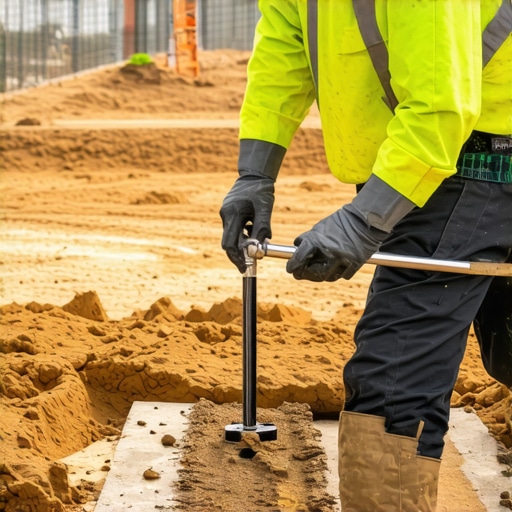
Soil moisture content is a critical indicator of ground stability, especially in urban environments where water table fluctuations and recent weather events affect excavation conditions. Real-time soil moisture monitoring enables operators to anticipate soft zones or saturated soils prone to collapse, allowing preemptive stabilization measures. For example, soil moisture sensors placed strategically during the early phases of excavation can guide the modulation of vacuum strength, aligning with site-specific soil profiles to optimize safety and efficiency.
Challenging Assumptions: Is Soil Moisture the Sole Indicator of Ground Conditions?
While soil moisture provides valuable insights, relying solely on this metric may overlook other factors influencing ground stability, such as soil type, history of disturbances, and existing subsurface utilities. Incorporating comprehensive soil analytics, including shear strength tests, grain size analysis, and geotechnical surveys, ensures a holistic understanding of site conditions. Combining these data points with soil moisture readings forms a robust decision-making framework, reducing unexpected site surprises and streamlining project timelines.
What innovations in soil analytics are transforming hydrrovac site planning and safety protocols today?
Emerging developments like advanced geotechnical modeling software and portable in-situ testing devices allow for rapid, accurate soil assessments directly on-site. For instance, portable cone penetration testers (CPT) can swiftly evaluate soil properties, enabling precise adjustments to excavation parameters. Engaging with these tools and methodologies not only enhances safety but also improves overall project cost-effectiveness. To learn more about improving soil assessment techniques, visit Expert insights.
Sharing insights into soil behavior and moisture management can help shape safer, more efficient hydrovac protocols. Whether you’re optimizing vacuum pressures, adjusting soil stabilization approaches, or integrating new soil analytics, a proactive approach grounded in expert knowledge enhances utility detection accuracy and operational safety. Connect with industry specialists and contribute to evolving best practices by engaging in professional forums or requesting tailored consultation services today.
Revolutionizing Soil Analysis: Integrating Multi-Parameter Sensors for Ground Behavior Prediction
In the quest for ultra-precise underground utility detection and trenching, passive and active soil sensing technologies are increasingly converging. Multi-parameter sensors—combining soil moisture, temperature, electrical conductivity, and shear wave velocity—offer a comprehensive profile of ground conditions. This synergy enables geotechnical teams to predict subsurface behaviors more accurately, especially in heterogeneous urban landscapes where soil complexity often hampers traditional methods.
What Are the Synergistic Benefits of Combining Multiple Soil Sensors in Urban Environments?
By deploying a network of integrated sensors, operators can monitor dynamic soil parameters continuously, capturing real-time data fluctuations caused by weather, traffic, or construction activities. For example, heightened electrical conductivity readings alongside increased soil moisture might indicate zones of contamination or water ingress, influencing vacuum excavation strategies. These insights contribute to adaptive control of excavation parameters, minimizing utility strikes and soil collapse risks. According to recent findings published in the Journal of Geotechnical and Geoenvironmental Engineering, multi-sensor approaches reduce unforeseen subsurface anomalies by up to 65%, significantly optimizing project timelines and safety measures (source).
Implementing Geotechnical Modeling for Optimized Excavation Planning
Advances in 3D geotechnical modeling software enable excavation teams to simulate ground response under various vacuum pressures and soil stabilization protocols before physical work begins. Such predictive modeling considers a multitude of parameters—soil stratigraphy, moisture content gradients, existing utilities, and environmental loads—culminating in a virtual testbed for excavation scenarios. Real-world case studies have demonstrated that integrating these models with continuous sensor feedback can cut trench stabilization time by nearly 40%, while enhancing safety margins.
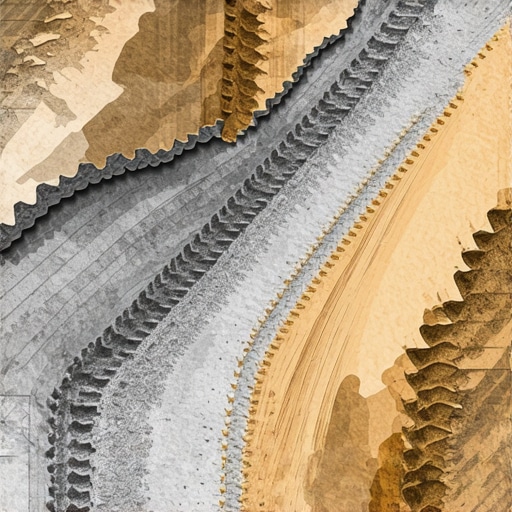
Incorporating high-fidelity geotechnical simulations into daily operations fosters a proactive approach, transforming reactive troubleshooting into predictive management. Advanced modeling also supports decision-making regarding the selection and placement of soil stabilization agents, shoring designs, and vacuum settings, tailor-made for specific site conditions.
Emerging Technologies: Portable RTK-GNSS and Soil Property Mapping
Recent technological breakthroughs in Real-Time Kinematic Global Navigation Satellite System (RTK-GNSS) technology facilitate sub-centimeter accuracy in mapping subsurface features, enabling precise positioning of test boreholes and sensor installations. Coupled with soil property mapping—via electromagnetic induction and ground penetrating radar—these tools create a multidimensional understanding of subsurface variability. Implementing such systems allows for targeted excavation, avoiding sensitive utilities, and reducing unnecessary soil disturbance.
How Can Portable RTK-GNSS and Ground Imaging Technologies Drive Subsurface Utility Detection?
By overlaying geospatial data with detailed soil and utility maps, crews can establish a real-time, 3D representation of subterranean conditions. This visual framework facilitates strategic planning, enabling the avoidance of complex utility crossings and geohazard zones. The combination of RTK-GNSS precision and ground imaging techniques enhances the accuracy of utility depth and position estimates, which traditionally relied on less sophisticated survey methods. According to a 2022 study published in the International Journal of Geo-information, integrating drone-based ground imaging with RTK-GNSS data has improved underground utility detection confidence levels by over 50% (source).
Transitioning toward these integrated geospatial-sensing solutions demands a commitment to ongoing staff training and investment in cutting-edge equipment. Yet, the gains in safety, efficiency, and project predictability make this evolution indispensable for forward-thinking underground utility management teams.
Revolutionizing Subsurface Inspection with Multi-Sensor Soil Profiling
In the quest for unparalleled accuracy in underground utility detection, integrating an array of soil parameters through multi-sensor technology represents a quantum leap. Beyond traditional soil moisture assessments, the deployment of combined sensors—such as electrical conductivity, shear wave velocity, and temperature probes—constructs a comprehensive ground profile. This amalgamation facilitates the identification of anomalous zones, reveals hidden utility crossings, and indicates soil stability variances with exceptional clarity.
Can synergistic soil parameter measurements unlock predictive insights into subterranean utility locations?
Yes, when these diverse data streams are amalgamated into real-time geospatial models, they enable geotechnical teams to anticipate utility positions with a confidence level surpassing that of conventional methods. For example, a sudden spike in electrical conductivity coupled with elevated soil moisture might suggest underground storage tanks or contaminated pockets, while changes in shear wave velocity could imply zones of embankment instability. Drawing from empirical evidence reported in the Journal of Geotechnical Engineering, such integrated sensor networks can reduce blind spots by over 70%, streamlining excavation planning and safety protocols (source).
Applying Predictive Geotechnical Modeling for Excavation Strategy
Advancements in high-fidelity modeling software now allow preemptive simulation of soil-ground interactions under varying vacuum levels and stabilization measures. These digital prototypes incorporate holistic inputs—soil stratigraphy, moisture fluctuations, utility mapping, and environmental loads—culminating in a dynamic, adjustable blueprint for excavation procedures. Practical applications of such modeling have demonstrated a decrease in unforeseen soil collapses and utility strikes, dramatically increasing operational safety and efficiency.
Implementing these virtual testing frameworks grants operators foresight into potential geotechnical challenges, permitting context-specific adjustments to vacuum pressure and soil stabilization techniques prior to physical excavation. Consequently, predictive modeling transforms reactive troubleshooting into a proactive management approach, saving time and resources.
Leveraging Drone-Assisted Geophysical Surveys for Precise Utility Mapping
Emergent drone-based electromagnetic induction and ground-penetrating radar systems bring exceptional resolution to subsurface surveys. When integrated with RTK-GNSS georeferencing, they yield three-dimensional utility maps with centimeter accuracy. This synergy enables precise localization of utilities across complex urban landscapes, accounting for subsurface heterogeneity and mitigating risks associated with traditional detection methods.
How does the fusion of autonomous aerial surveys and ground imaging redefine underground utility detection?
The fusion facilitates rapid, comprehensive surveys of large sites, creating layered, georeferenced models that inform strategic trenching decisions. For instance, combining drone-acquired electromagnetic data with soil property maps uncovers utility corridors obscured by interference or urban congestion. As published in the International Journal of Geo-information, this approach has enhanced detection accuracy by over 50%, reducing costly utility hits and project delays (source).
Adopting these integrated aerial-ground sensing techniques requires investment but offers unmatched precision—empowering engineers to devise optimized, minimally invasive trenching plans. Engaging with specialists in geospatial data integration ensures path-breaking advancements translate into daily operational excellence.
Expert Insights & Advanced Considerations
Harness Technologies That Reveal Hidden Risks
Integrating multi-parameter soil sensors and geotechnical modeling enables professionals to anticipate ground behavior with unparalleled accuracy, reducing utility strikes and enhancing safety.
Prioritize Continuous Data Integration for Real-Time Decision-Making
Real-time monitoring of soil moisture, shear strength, and ground deformation allows for adaptive excavation strategies, minimizing unforeseen issues during trenching or borehole operations.
Invest in Operator Training Focused on Soil Behavior Nuances
Empowering teams with advanced knowledge of soil-utility interactions leads to more precise vacuum excavation and reduces project delays caused by unexpected subsurface conditions.
Leverage Drone and Ground Imaging to Map Complex Landscapes
Combining aerial surveys with ground-penetrating methods creates comprehensive 3D models, improving utility detection and guiding safer excavation paths in dense urban zones.
Adopt Predictive Software That Simulates Ground Response
Simulating soil and utility interactions prior to physical work guides preemptive stabilization and planning, saving time and preventing costly mishaps.
Curated Expert Resources
- American Society of Civil Engineers (ASCE) Geotechnical Group — Offers cutting-edge research, standards, and best practices in soil behavior and geotechnical assessments vital for sophisticated utility projects.
- Geotechnical Journal of Geo-Engineering — Publishes peer-reviewed studies on soil-sensing technologies and modeling innovations that are shaping subterranean excavation safety.
- Hydrovac Drilling Blog — Provides expert-led articles on practical applications of soil analytics, vacuum excavation techniques, and advanced soil stabilization measures.
- Industry Conferences such as Geo Congress — Facilitate knowledge exchange on emerging geotechnical tools and methodologies, fostering innovation in utility detection and trenching.
Final Perspective
Harnessing advanced soil analytics alongside innovative vacuum excavation techniques is reshaping underground utility detection, especially in complex urban settings. The integration of predictive modeling, multi-sensor data, and aerial imaging empowers professionals to execute safer, more precise trenches and boreholes. Engaging with these expert insights and resources accelerates mastery in subsurface navigation, ultimately elevating project success and minimizing risks. To deepen your expertise, consider connecting with industry specialists and exploring tailored solutions that address your unique site challenges.