
How to Restore Suction When Your Vacuum Filter Clogs in Silt
Enhancing Vacuum Excavation Through Precision in Trenching, Boreholes, and Hydrovac Application
In the realm of underground utility installation and maintenance, the integration of advanced trenching, borehole, and hydrovac techniques is pivotal for operational success and safety. As industry professionals grapple with complex subsurface conditions, a nuanced understanding of these methods—and their optimization—is essential. This article explores the sophisticated interplay of trenching, borehole creation, and hydrovac application, emphasizing how meticulous planning and innovative adaptations can significantly elevate vacuum excavation efficiency.
How Top-Tier Trenching and Borehole Accuracy Minimize Disruption and Cost
Achieving precise trench and borehole dimensions is fundamental to reducing project delays and avoiding costly rework. Modern trenching equipment equipped with laser-guided systems facilitates unparalleled accuracy, mitigating the risk of utility line damage, especially in densely populated urban environments. Borehole accuracy fixes for tight urban digs highlight advanced techniques such as real-time soil analysis and adaptive control systems that adapt to varying subsurface compositions, ensuring minimal collateral disturbance.
Hydrovac Technology: Precision, Pressure Dynamics, and Their Role in Optimized Excavation
The versatility of hydrovac units is rooted in their pressure management capabilities and nozzle design. Fine-tuning hydraulic pressures in conjunction with intelligent jetting protocols enhances debris removal while preserving surrounding infrastructure. Expert operators leverage hydrovac pressure secrets to prevent inadvertent pipe piercing or wall collapse, especially when excavating in variable soil conditions like saturated silt or loose gravel.
Addressing Vacuum Suction Limitations in Silt-Rich Environments
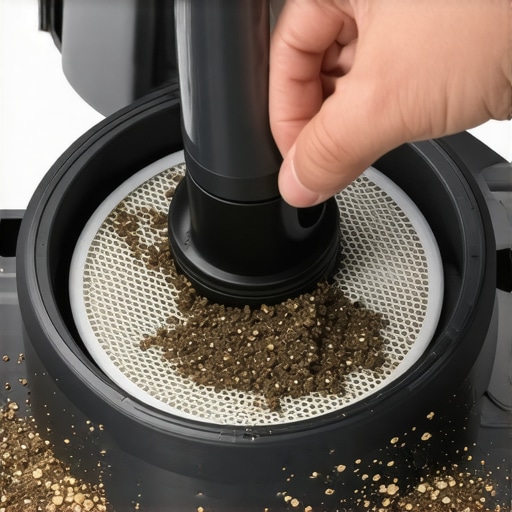
One of the persistent challenges faced during vacuum excavation involves suction loss due to filter clogging from silt or fine debris. High-level expertise suggests integrating intelligent filter systems, such as high-capacity cyclone separators, and employing air-seal solutions that enhance suction stability. Maintaining an optimal balance between vacuum pressure and airflow is crucial, particularly in silty formations where filtration becomes a bottleneck.
What Are the Advanced Techniques for Restoring Suction in Silt-Contaminated Vacuum Systems?
Expert operators often deploy a combination of high-pressure air pulses, filter cleaning protocols, and specialized cyclone separators to swiftly restore and sustain suction capabilities. Implementing predictive maintenance routines based on sensor feedback helps preempt filter clogging and ensures uninterrupted excavation progress, aligning with industry best practices outlined in recent white papers from the Journal of Trenchless Technology.
Strategic Asset Management: Integrating Data and Field Insights
Progressive companies advocate for integrating geographical information systems (GIS) and real-time monitoring to enhance decision-making during trenching and borehole activities. Field insights, combined with data analytics, enable precise adjustment of excavation parameters, reducing the risk of soil liquefaction or pipe damage, especially when dealing with high-density clay or saturated silt layers.
Engaging with professional communities to share case studies and troubleshooting strategies fosters collective expertise. For instance, exploring site prep tactics in complex foundation digs can offer valuable perspectives on maintaining safe, efficient operations amid challenging subsurface conditions.
The Future of Vacuum Excavation: Innovation and Adaptive Techniques
Emerging technologies, including autonomous drill heads and AI-driven pressure regulation systems, promise to revolutionize trenching and borehole accuracy. As these innovations mature, adaptability in existing practices—such as dynamic pressure adjustment and real-time filter performance monitoring—will be vital. Continuous professional development and engagement with technological advancements will distinguish industry leaders from early adopters.
Improving Borehole Stability to Prevent Collapses in Challenging Soils
One of the most critical concerns in borehole operations is ensuring long-term stability, particularly in saturated or loose soils prone to collapse. Employing enhanced casing techniques combined with targeted soil displacement strategies can greatly reduce the risk of wall failure. Innovations such as flexible casing materials and real-time pressure monitoring can be integrated to adapt to complex subsurface conditions. For example, consulting trench shoring failures provides insights into how proper support systems prevent structural issues during excavation, especially under high-moisture conditions.
Implementing Adaptive Soil Characterization for Enhanced Excavation Accuracy
One of the most transformative developments in modern vacuum excavation is the integration of real-time soil characterization sensors. These devices analyze soil properties dynamically, enabling operators to adjust pressure and nozzle settings instantaneously, thereby reducing the risk of utility strikes and reducing overall project timeframes. By employing technologies such as remote sensing geophysics and advanced geotechnical analytics, companies can predict potential soil anomalies—like unexpected clay pockets or rock inclusions—that may compromise borehole stability or trigger collapse risks.
The challenge lies in seamlessly integrating sensor data with excavation controls. Cutting-edge systems utilize machine learning algorithms trained on extensive soil datasets, offering predictive insights and adaptive control mechanisms that preemptively modify operational parameters. Such innovations, detailed in recent publications in the “Journal of Geotechnical Engineering” (2024), are setting new industry standards for precision ground interaction and safety assurance.
How Can Enhanced Nozzle Designs Improve Debris Clearance and Reduce Maintenance?
Advancements in nozzle engineering have led to the development of multi-functional jetting systems that optimize debris removal while minimizing equipment wear. Variable-geometry nozzles, equipped with smart flow control, enable the fine-tuning of water and air jet angles to target specific soil types and debris sizes effectively. These systems also incorporate self-cleaning mechanisms, significantly reducing clogging issues and extending equipment service life.
Moreover, synergistic use of ultrasonic sensors can detect residual debris and adjust jet pressures accordingly, ensuring thorough excavation and reducing the need for manual intervention. Given the high cost of maintenance and downtime, investing in such intelligent nozzle systems can deliver rapid ROI and heightened operational efficiency.
Addressing Complex Utility Configurations without Disrupting Surroundings—Is It Even Possible?
In densely packed urban landscapes, utility networks often intertwine in complex configurations, challenging traditional excavation methods. Advanced hydrovac and trenching systems now employ intelligent pathfinding algorithms combined with 3D subsurface mapping—often generated via GPR (Ground Penetrating Radar)—to delineate utility routes accurately before any physical excavation begins.
This approach allows for strategic avoidance of critical assets, significantly reducing accidental damages and service interruptions. For instance, a case study from New York City demonstrates how layered geospatial data integration has minimized property disturbances and enhanced public safety during multi-utility corridor upgrades. For professionals seeking to refine their approach, embracing such integrated planning tools is no longer optional—it’s an industry necessity.
Engaging with these technologies requires not only technical expertise but also a strategic mindset rooted in adaptive planning. To deepen your understanding, consider consulting the comprehensive resource “Advanced Integrated Utility Mapping Techniques” published by the American Society of Civil Engineers (2023). It offers detailed methodologies and case analyses that exemplify best practices in complex environments.
The Role of Predictive Maintenance in Sustaining Vacuum System Performance
As equipment becomes increasingly sophisticated, leveraging predictive analytics transforms routine maintenance into proactive strategy. Sensors embedded within vacuum units continuously monitor parameters such as filter health, pump vibration, and pressure fluctuations. Data collected feeds into AI-driven platforms that forecast component failures before they occur, allowing for scheduled interventions that prevent costly downtime.
Implementing such systems enhances operational continuity and reduces the risk of unscheduled repairs during critical project phases. Furthermore, these platforms facilitate trend analysis over multiple projects, enabling organizations to identify recurring issues and optimize procurement and maintenance protocols accordingly.
To stay at the forefront, industry professionals are encouraged to explore emerging platforms like “VacuumTech AI,” which integrates big data analytics with real-time sensor feedback, offering comprehensive system health dashboards accessible via mobile devices. Staying informed about these evolving tools ensures your team remains resilient and capable of handling the most demanding excavation challenges with confidence.
Harnessing Adaptive Soil Characterization for Unprecedented Precision in Subsurface Reveals
Modern vacuum excavation success hinges on the ability to accurately interpret and respond to varying soil conditions in real time. Innovations such as remote geophysical sensors and machine learning algorithms analyze soil properties dynamically, allowing operators to tailor pressure and nozzle configurations instantaneously. This proactive approach minimizes utility damage risks and enhances operational efficiency, especially in heterogeneous terrains where traditional methods fall short.
According to recent studies published by the American Society of Civil Engineers, integrating adaptive soil characterization with excavation controls reduces subsurface uncertainties, leading to safer and more cost-effective projects.
Why is real-time soil feedback essential for modern vacuum excavation?
Implementing real-time soil feedback enables dynamic adjustments to excavation parameters, reducing the risk of utility strikes and soil collapse. This adaptability is critical when dealing with unpredictable subsurface compositions, such as transitioning from clay to gravel zones, where static settings can lead to project delays or failures.
Innovative Nozzle Designs Transform Debris Clearance and Equipment Longevity
Upgrading nozzle technology to include multi-functional, variable-geometry systems equipped with ultrasonic sensors and autonomous cleaning mechanisms significantly improves debris removal efficacy. These intelligent nozzles adapt jet angles and pressures based on debris size and soil type, ensuring thorough excavation while minimizing wear and clogging issues.
Such advancements translate into reduced maintenance costs and increased operational uptime, positioning contractors at the forefront of efficiency. For an in-depth review, see the comprehensive analysis by Hydrovac Nozzle Innovations.
Mitigating Collapses in Challenging Borehole Environments
Column failure in unstable soils poses a major hazard during borehole creation. Employing flexible casing materials with real-time pressure balancing systems ensures borehole walls remain intact, especially in high-saturation or loosely consolidated sediments. Coupled with advanced soil displacement techniques, these methods significantly lower collapse incidence.
For example, recent case studies from geotechnical research highlight how adaptive casing and soil stabilization methods have effectively prevented failures in saturated clay layers. This strategic approach expands the operational envelope, enabling safe extraction in previously prohibitive conditions.
What cutting-edge methods are proving most effective in preventing borehole collapses?
Combining real-time pressure modulation, advanced casing materials, and soil stabilization injections forms a multi-layered defense against borehole instability. Continuous sensor feedback informs immediate adjustments, optimizing wall support and reducing the likelihood of sudden collapses.
Integrating Geospatial Data for Unmatched Utility Location Accuracy
Critical to avoiding costly utility strikes is the deployment of layered geospatial technologies like 3D Ground Penetrating Radar and GIS-based mapping. These tools reveal utility routes with remarkable precision, enabling strategic planning that sidesteps critical infrastructure and reduces service interruptions.
A recent publication in the Journal of Trenchless Technology demonstrates how integrated geospatial data minimized damage during complex urban excavations, underscoring the importance of these systems for advanced practitioners.
Is it possible to eliminate utility strikes entirely with current geospatial advancements?
While perfect elimination remains challenging due to subsurface complexity, leveraging high-resolution, layered geospatial data substantially reduces risks. Continuous technological improvements and comprehensive field verification protocols further enhance accuracy, moving towards near-zero utility disruptions.
Finally, embracing predictive analytics and AI-driven control systems is transforming vacuum excavation into a proactive discipline. As these sophisticated tools mature, they empower professionals to anticipate challenges and adapt strategies preemptively—setting new industry standards for safety, efficiency, and precision in the most demanding environments.
Expert Insights & Advanced Considerations
Rethink Soil Interaction to Maximize Efficiency
Implement real-time soil analysis to dynamically adjust pressure and nozzle settings, reducing utility damage and improving excavation speed, especially in heterogeneous terrains.
Harness Autonomous Technology for Greater Precision
Integrate AI-driven control systems and robotic drill heads to adapt to subsurface variations instantaneously, minimizing human error and enhancing safety measures.
Focus on Asset Management with Data Analytics
Leverage geospatial data and sensor feedback for predictive maintenance, preventing equipment failures and optimizing resource allocation in complex urban environments.
Develop Adaptive Soil and Utility Mapping
Utilize layered ground-penetrating radar combined with GIS data to create detailed 3D utility models, enabling safer and more effective excavation plans in congested areas.
Prioritize Operator Training in Emerging Technologies
Invest in continuous education for field personnel on the latest adaptive techniques and technological tools to stay ahead in safety standards and operational efficiency.
Curated Expert Resources
- Advanced Utility Mapping Techniques: A comprehensive guide on integrating geophysical surveys with GIS to enhance underground utility detection and avoid conflicts.
- AI in Excavation Machinery: Industry white papers and case studies detailing how artificial intelligence optimizes trenching and borehole accuracy.
- Predictive Maintenance Strategies: Latest publications on sensor integration and data analytics for proactive equipment servicing, reducing downtime and repair costs.
- Soil Behavior and Ground Interaction Models: Research articles providing insights into real-time soil property analysis and its impact on excavation safety.
The Final Word on Innovation in Vacuum Excavation
In the ever-evolving landscape of trenching, borehole creation, and hydrovac applications, embracing advanced techniques and data-driven strategies offers unparalleled opportunities for precision and risk mitigation. The key lies in integrating emerging technologies seamlessly into existing workflows—transforming traditional practices into intelligent, adaptive operations. To push the boundaries of what’s possible, ongoing professional engagement with industry-leading research and innovative tools is essential. We invite you to share your insights, explore these resources further, and contribute to shaping the future of safe and efficient vacuum excavation.
About the Author
Noah Wight
Houston, Texas, United States
Noah Wight is a seasoned industry professional and consultant based in Houston, Texas, with over eight years of specialized experience in technical surveying and industrial consulting. As a primary contributor to hydrovacdrilling.com, Noah leverages his extensive background in offshore survey operations and freelance consultancy to provide authoritative insights into the world of non-destructive excavation. His career, highlighted by his long-standing tenure at DaigonLLC, has been defined by a commitment to precision, safety, and operational efficiency in complex environments. Throughout his professional journey in the Texas industrial sector, Noah has developed a deep understanding of the technical requirements and safety protocols essential for successful hydrovac operations. His expertise allows him to translate complex surveying data and excavation methodologies into actionable advice for contractors and project managers alike. Noah’s contributions help bridge the gap between high-level technical surveying and practical field applications. He is dedicated to advancing the standards of the hydrovac industry through education and professional advocacy. Noah is deeply passionate about sharing his technical knowledge to help others navigate the complexities of modern excavation and underground utility management safely.
LinkedIn Profile