
How to Drain Wet Sites Without Collapsing Trench Walls
Revolutionizing Trenching and Borehole Operations: The Critical Role of Hydrovac and Vacuum Excavation
In the realm of underground utility installation and maintenance, precision and safety are paramount. Traditional excavation methods often expose trench walls to collapse risks, especially when dealing with complex soil compositions or sensitive infrastructure. Integrating advanced hydrovac and vacuum excavation approaches offers a strategic advantage, enabling engineers to mitigate risks associated with borehole stability and trench wall integrity. Recognizing these technologies’ significance is essential for professionals aiming to elevate operational efficiency and safety standards.
Understanding Soil Dynamics and the Impact on Trench Stability
Earthworks are inherently influenced by soil properties, including moisture content, compaction, and layering. Wet or cohesive soils, for instance, pose substantial challenges, increasing the likelihood of trench wall collapse. Analyzing soil behavior through geotechnical assessments guides the selection of optimal excavation pressures and techniques, such as dynamic pressure adjustments, to prevent undesired soil displacements. Employing hydro-jetting and high-precision pressure controls can significantly enhance borehole stability, especially in high-density clays or loose granular materials.
Harnessing the Advantages of Hydrovac and Vacuum Excavation in Borehole Precision
Hydrovac technology employs high-pressure water streams combined with vacuum suction to loosen and remove soil selectively. This method ensures minimal disturbance to surrounding structures and reduces the risk of trench wall failure. Vacuum excavation complements this by enabling the safe removal of debris, thereby maintaining borehole integrity during complex urban installations. Integrating these techniques with real-time soil mapping and pressure management ensures highly accurate drilling, reduces material waste, and prevents unintended collapses. Professionals often adapt pressure settings dynamically, leveraging insights from field data to optimize outcomes.
Advanced Pressure Management Strategies to Preserve Trench Walls
Effective pressure regulation is crucial to prevent trench wall collapse during hydro-jetting. Excessive pressure can erode earth formations or cause sudden fractures, while insufficient pressure results in inefficient soil removal. Fine-tuning pressure valves and incorporating feedback systems allow operators to maintain optimal force, particularly when navigating heterogeneous soil layers. Additionally, pressure management is vital when working near high-voltage utilities or fragile fiber optic conduits, where precise control minimizes the risk of damage and service disruption. For example, adapting pressure parameters can mitigate the risk of pipe piercing or line damage, as highlighted in industry white papers (see hydrovac pressure secrets).
Expert Strategies to Prevent Soil Liquefaction and Unintended Collapses
Soil liquefaction remains a pervasive challenge in saturated or loose sandy soils. Deploying vacuum excavation techniques offers a tactical advantage by reducing surface vibrations and pressure surges that contribute to soil destabilization. Furthermore, implementing moisture control, such as temporary soil grouting or dewatering, can enhance trench wall resilience. Real-world case studies demonstrate that coordinated pressure tweaking and the use of specialized soil stabilizers, combined with stress tests, significantly improve trench stability and prevent collapses. The importance of precise pressure control becomes evident in projects involving high water tables or urban fill soils.
How Can Field Operators Detect Early Signs of Trench Wall Instability in Complex Soil Conditions?
Identifying early warning indicators of trench wall failure requires a combination of visual inspection, pressure monitoring, and soil property analysis. Signs such as seepage, tilting shoring, or minor surface cracking should raise immediate concerns. Advanced sensor systems, including geotechnical stress gauges and real-time pressure feedback loops, facilitate proactive adjustments. Frequent soil assessments and adaptive pressure management strategies are essential to prevent catastrophic collapses, especially in unpredictable soil environments. For in-depth techniques, consult expert guides on pressure and soil stability control.
For professionals interested in advancing their technical expertise, exploring resources on hydrovac pressure adjustments can be invaluable. Consider reviewing articles such as hydrovac pressure secrets to refine your operational protocols. Engaging with industry forums and sharing practical insights further enhances collective knowledge, fostering safer and more efficient trenching practices.
Maximizing Safety with Real-Time Pressure Adjustments
As underground excavation becomes increasingly complex, particularly in urban environments with dense utility networks, the ability to adapt pressure settings dynamically is vital. This approach involves using advanced feedback systems that monitor soil response, enabling operators to finely tune hydro-jet pressures on-the-fly. Such real-time adjustments mitigate risks associated with unforeseen soil heterogeneity or water table fluctuations, ensuring borehole and trench wall stability. For example, integrating sensors with pressure control valves allows for immediate response to signs of soil loosening or excessive vibration, preventing potential collapses and minimizing utility damage.
Implementing Automated Systems for Consistent Pressure Management
Automation technology can revolutionize hydro-jet operations by providing consistency and minimizing human error. Automated pressure regulators, guided by soil response data, create an adaptive excavation process that maintains optimal force application. These systems can incorporate algorithms that interpret geotechnical feedback and adjust pressures based on soil type, moisture content, and equipment proximity to utilities. These innovations significantly reduce the reliance on manual oversight and decrease the occurrence of line damages from over-pressurization, aligning with expert insights on pressure management best practices (hydrovac pressure secrets).
Are We Approaching a Point Where Fully Autonomous Hydro-jetting Becomes Standard?
The integration of machine learning and sensor technology indicates a future where hydro-jetting could operate with minimal human intervention. Autonomous systems would continuously analyze soil conditions, utility proximities, and equipment status, executing pressure adjustments and operational decisions without manual input. Such innovation promises increased safety, efficiency, and consistency, but also raises questions about the necessary oversight and field adaptability. Industry stakeholders should consider how to balance technological advancements with practical field realities to ensure reliable implementation.
To deepen your understanding of pressure management’s impact on trench stability, explore our detailed guide on pressure tweak techniques (pressure tweaks for fluid loss). Sharing insights or experiences with pressure automation could be invaluable—join the conversation and help shape tomorrow’s excavation standards.
Elevating Excavation Precision with Innovative Soil Stabilization Methods
While pressure control remains fundamental, integrating sophisticated soil stabilization techniques can dramatically improve trench resilience. Applying fiber-reinforced soil additives or chemical grouting creates a semi-rigid matrix, resisting shear forces that typically cause collapse. Such measures become particularly vital in areas with high water tables or loose granular soils, where conventional methods fall short. Incorporating these solutions requires not only technical expertise but also a nuanced understanding of geotechnical interactions, emphasizing the need for interdisciplinary collaboration.
Can Real-Time Data Analytics Transform Trench Safety Protocols?
Absolutely. The advent of IoT-enabled sensors and advanced data analytics revolutionizes how operators perceive subterranean conditions. Continuous monitoring of parameters like soil moisture, vibration patterns, and shoring pressures offers a comprehensive situational awareness that was previously unattainable. Machine learning algorithms can predict potential failure points by analyzing historical data trends, enabling preemptive action. For example, a sudden uptick in soil deformation patterns might prompt immediate pressure adjustments or reinforcement deployment, preempting disaster scenarios.

This image illustrates an integrated sensor array monitoring soil movement and pressure in real time, exemplifying smart trench management systems.
Addressing the Challenges of Heterogeneous Soil Layers in Complex Environments
Urban landscapes often present a mosaic of soil types, from stiff clay trenches to sandy patches. Navigating these requires adaptive pressure protocols and dynamic excavation techniques. Employing geophysical surveys to generate detailed soil stratification maps guides tailored pressure adjustments, minimizing risks. Additionally, hybrid methods combining hydro-jetting with mechanical shoring allow for flexible responses to unexpected soil behaviors, such as sudden liquefaction or cohesion loss. Field operators must be adept at interpreting geotechnical data and translating insights into precise, situation-specific actions.
What Role Does Artificial Intelligence Play in Future Excavation Safety?
Artificial Intelligence (AI) holds enormous potential to refine excavation safety further. AI algorithms can process massive datasets from sensor networks, project plans, and historical incidents to identify patterns and suggest optimal pressure and shoring configurations. Autonomous excavators equipped with AI can execute complex, real-time decision-making processes, adjusting their operations dynamically based on soil feedback. Real-world pilot programs demonstrate that AI-driven systems not only enhance safety but also improve operational efficiency, reducing downtime and material wastage. However, integrating AI into existing workflows demands rigorous validation and a careful approach to maintaining human oversight.
For professionals eager to stay ahead, exploring AI’s evolving role in subterranean operations is essential. Participating in specialized webinars or industry working groups focusing on automation can provide valuable insights. As technology advances, embracing these innovations will become vital to maintaining a competitive edge and ensuring underground safety standards.
Unlocking the Secrets Behind Pressure Optimization for Safer Trenching
In the realm of advanced hydrovac operations, the fine-tuned calibration of water pressure emerges as a cornerstone of success. Experts recognize that a nuanced understanding of soil mechanics coupled with real-time feedback mechanisms can dramatically diminish risks of trench wall failures. Precision pressure modulation allows operators to adapt swiftly to heterogeneous soil conditions, ensuring maximum efficiency without compromising safety. Leveraging knowledge from geotechnical engineering and fluid dynamics enables a proactive approach to pressure management, shifting from reactive corrections to anticipatory adjustments.
How Can Digital Twin Technologies Revolutionize Borehole Stability?
The integration of digital twin models offers a transformative perspective on subterranean excavation. By creating dynamic, three-dimensional simulations of subsurface conditions, engineers can predict how soil responds to varying pressure inputs with remarkable accuracy. These virtual replicas facilitate scenario testing and stress analysis, helping to identify potential failure points before physical work commences. As a result, decision-makers can optimize pressure settings, select appropriate excavation techniques, and develop contingency plans, ultimately elevating operational safety and resource management. The adoption of digital twins signifies a leap toward fully predictive and adaptive trenching systems, powered by the convergence of IoT sensors, high-resolution geospatial data, and machine learning algorithms.
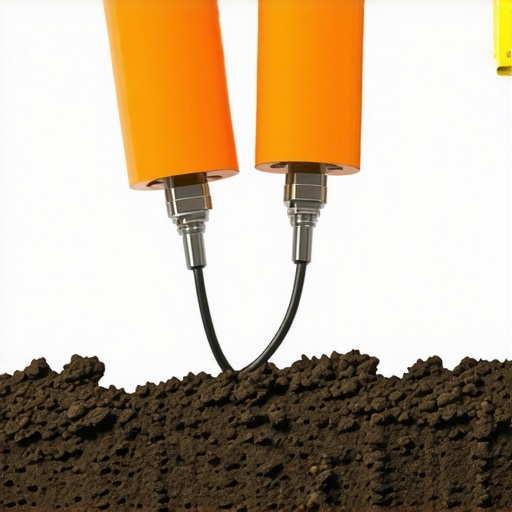
Insert a detailed visualization of a digital twin model measuring soil stress distribution in real-time during a hydrovac operation.
Can AI-Driven Analytics Foresee and Prevent Trench Failures in Complex Environments?
Artificial Intelligence has begun to permeate underground construction, offering predictive analytics that can foresee potential failures before they materialize. By synthesizing multisource data—from soil moisture levels and vibration patterns to utility proximity and equipment performance—AI algorithms can identify subtle anomalies indicative of impending collapse. This proactive intelligence enables operators to calibrate pressures dynamically, apply targeted stabilization, or adjust excavation strategies on the fly. Implementing these AI systems necessitates sophisticated sensor networks and robust data pipelines but promises unparalleled safety enhancements and operational resilience. Industry leaders advocate for adopting AI-powered decision-support tools as standard practice, especially in urban or geologically unstable zones.
To deepen your mastery of these innovative methods, explore recent case studies on AI applications in subterranean safety management provided by the Geotechnical Society of America.
The Future of Excavation Prescriptions: Automation and Autonomy
Looking ahead, the convergence of automation and machine learning portends a new era where fully autonomous hydro-jetting units could adapt independently to changing subterranean conditions. These intelligent systems would interpret sensor data in real time, adjust pressures, navigate soil heterogeneity, and even communicate with centralized control hubs for coordinated operations. Such advancements promise reduced manpower demands, minimized human error, and heightened safety standards. However, embracing autonomy also raises significant questions regarding oversight, reliability, and ethical considerations. Developing robust regulatory frameworks and field validation protocols becomes imperative to harness the full potential of these technologies responsibly.
Industry stakeholders should consider participating in pilot programs and collaborative research initiatives to shape the evolution of autonomous trenching solutions, ensuring they align with operational realities and safety imperatives.
Innovative Stabilization Techniques to Counteract Dynamic Soil Challenges
Beyond pressure control, employing advanced soil stabilization methods can substantially bolster trench wall resilience. Technologies such as fiber-reinforced grouting, chemically reactive soil modifiers, and geo-synthetics create semi-rigid barriers that resist shear forces and liquefaction. These measures are especially invaluable in sites with high groundwater tables, loose granular soils, or recent fill material. The strategic use of these techniques requires a multidisciplinary approach, integrating geotechnical expertise with hydraulic and chemical engineering principles. The result is a fortified trench environment capable of withstanding unforeseen geological disturbances, thereby safeguarding personnel and infrastructure alike.
Why Monitoring Soil Response Data Is Essential for Long-Term Excavation Safety
Implementing comprehensive sensor arrays that track soil deformation, moisture fluctuations, and shoring integrity provides a continuous stream of critical data. Advanced analytics can flag early signs of instability, prompting preventive actions such as pressure adjustments or soil reinforcement. These systems exemplify a shift from reactive to predictive safety protocols, ultimately reducing downtime and incident rates. The ongoing accumulation of soil response data also facilitates the development of adaptive models customized to specific site conditions, enabling continually refined excavation strategies that evolve with project complexities.
Expert Insights & Advanced Considerations
Precision Pressure Control Is Non-Negotiable in Complex Soil Conditions
Recognizing the critical role of dynamic pressure management allows professionals to adapt swiftly to heterogeneous underground environments, minimizing the risk of trench wall collapse and utility damage while optimizing soil removal efficiency.
Real-Time Soil Monitoring Transforms Safety Protocols
Implementing sensor networks that track soil response enables proactive adjustments, significantly reducing accidents caused by unforeseen geological shifts, especially in urban or water-saturated sites.
Automation as the Next Frontier in Safe Excavation
Automated pressure regulation systems driven by machine learning are paving the way for more consistent, error-free operations, promising heightened safety and productivity through adaptive, autonomous controls.
Soil Stabilization Methods Elevate Trench Resilience
Advanced stabilization techniques such as fiber-reinforced grouting bolster trench walls against liquefaction and shear failure, especially vital in high water table or loose soil environments, yet their integration requires multidisciplinary expertise.
Adaptive Pressure Protocols Are Crucial in Heterogeneous Soil Layers
Utilizing detailed geophysical surveys guides tailored pressure adjustments, allowing operators to navigate complex stratifications and avoid localized collapses or utility strikes effectively.
Curated Expert Resources
- Hydrovac Pressure Secrets: An in-depth exploration of pressure tweaking techniques for preventing pipe piercing, essential for refining operational protocols.
- Geotechnical Field Guides: Authoritative manuals on soil analysis and stabilization, providing insights into designing effective trench support strategies.
- IoT in Excavation: Industry reports on sensor integrations and real-time monitoring systems transforming trench safety and efficiency.
- Digital Twin Technology: Cutting-edge resources illustrating virtual modeling’s role in predicting soil behavior and optimizing excavation plans.
- AI for Subsurface Safety: Research articles demonstrating how artificial intelligence enhances failure prediction and adaptive pressure control during excavation.
Final Perspectives from the Trenches
As the complexity of underground excavation challenges intensifies, leveraging expert knowledge and advanced technologies becomes imperative. Precise pressure management — whether through real-time sensors, automation, or stabilization techniques — is the linchpin for safer, more efficient trenching operations. Embracing these innovations not only mitigates risks but also elevates industry standards, setting the stage for a future where subterranean work is characterized by sophistication and resilience. Dive deeply into these strategies, share your insights, and contribute to the evolution of expert excavation practices—your advanced understanding could be the key to safer jobsites across the industry.
About the Author
Noah Wight
Houston, Texas, United States
Noah Wight is a seasoned industry professional and consultant based in Houston, Texas, with over eight years of specialized experience in technical surveying and industrial consulting. As a primary contributor to hydrovacdrilling.com, Noah leverages his extensive background in offshore survey operations and freelance consultancy to provide authoritative insights into the world of non-destructive excavation. His career, highlighted by his long-standing tenure at DaigonLLC, has been defined by a commitment to precision, safety, and operational efficiency in complex environments. Throughout his professional journey in the Texas industrial sector, Noah has developed a deep understanding of the technical requirements and safety protocols essential for successful hydrovac operations. His expertise allows him to translate complex surveying data and excavation methodologies into actionable advice for contractors and project managers alike. Noah’s contributions help bridge the gap between high-level technical surveying and practical field applications. He is dedicated to advancing the standards of the hydrovac industry through education and professional advocacy. Noah is deeply passionate about sharing his technical knowledge to help others navigate the complexities of modern excavation and underground utility management safely.
LinkedIn Profile