
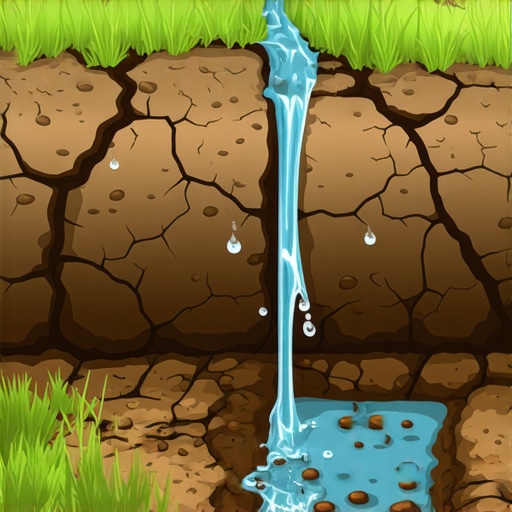
Why Your Trench Walls Crumble After Every Rain
Deciphering the Complex Dynamics of Post-Rain Crumble in Trench Walls
The persistent issue of trench walls crumbling after rainfall underscores a sophisticated challenge in subsurface engineering and vacuum excavation practices. It demands an expert understanding of soil mechanics, hydrogeology, and specialized excavation techniques such as hydrovac operations. Addressing this problem requires a nuanced approach that integrates advanced drilling insights, soil stabilization methods, and real-time monitoring protocols.
Unveiling the Role of Soil Hydraulics and Material Composition in Trench Stability
The primary contributor to trench wall failure after rain is the alteration in soil matrix properties driven by water infiltration. Fine-grained soils like clay tend to swell and lose cohesion, while sandy soils may experience rapid erosion. Effective management involves assessing soil textures through borehole drilling and mapping (borehole mapping techniques) to inform tailored stabilization strategies. Using high-capacity hydrovacs, operators can carefully excavate and remove unstable zones, reducing the risk of collapse.
Innovative Hydraulic and Mechanical Solutions for Soil Reinforcement
Implementing in-situ soil reinforcement, such as chemical stabilization or jet grouting, complements physical excavation methods. Hydrovac pressure adjustments can be fine-tuned to optimize soil disturbance and minimize pore water pressure buildup (hydrovac pressure management). Furthermore, installing shoring with adaptive support systems hinges on precise soil assessment and incorporating rapid response measures, like temporary bracing, especially in regions prone to seasonal rain events.
Why Does Moisture Content Govern Structural Integrity of Trench Walls?
Moisture content directly affects soil cohesion and shear strength; thus, heavy rainfall often incites instability. According to the Journal of Geotechnical Engineering, maintaining optimal moisture levels through dewatering or soil amendment can significantly reduce collapse risk. In vacuum excavation, understanding water flow behavior and pore pressure dynamics is critical for controlling soil conditions during and after the operation.
How can operators anticipate and mitigate unseen groundwater effects that cause wall failure?
This question addresses a core concern in deep trenching and utility installation projects. Employing smart mapping and continuous monitoring technologies, including piezometers and sensor arrays, offers an early warning system for groundwater fluctuations. This proactive approach enables engineers to implement timely interventions, such as installing drainage layers or adjusting hydrojetting techniques, ensuring trench stability over seasonal cycles.
For comprehensive soil stabilization methods tailored to complex subsurface conditions, exploring detailed excavator and hydrovac operation guidelines is invaluable. Engaging with expert literature and contributing field insights can foster safer, more reliable trenching practices (trenching and pavement stabilization).
Interested in mastering advanced trench stabilization techniques? Dive into our detailed guides or share your expertise on managing subsurface stability in challenging weather conditions to elevate industry standards.
Harnessing Real-Time Monitoring for Proactive Stability
One of the most effective ways to anticipate trench wall failures caused by unexpected water infiltration is deploying cutting-edge sensor networks that monitor moisture levels, pore pressure, and soil displacement in real-time. Such systems enable operators to receive immediate alerts, facilitating rapid response actions like adjusting pressure settings or deploying temporary shoring before collapse occurs. Integrating these sensors with data analytics platforms enhances predictive accuracy and operational decision-making, ultimately reducing costly downtime and safety risks.
Can Adaptive Hydraulic Control Reduce the Impact of Seasonal Rain on Trench Integrity?
Yes, adaptive hydraulic control systems in hydrovac operations offer significant potential in managing soil stability amid changing moisture conditions. By fine-tuning pressure and flow rates based on live feedback, operators can minimize excessive soil disturbance or pore water pressure buildup (pressure management techniques). This approach not only enhances excavation precision but also mitigates the risk of wall failure during unpredictable rain events, reinforcing the importance of integrating intelligent control systems into modern trenching practices.
How Do Soil Stabilization Additives Influence Long-Term Trenchant Durability?
Incorporating chemical stabilization agents, such as lime or cement emulsions, into trench walls can dramatically improve soil cohesion and shear strength, making them more resilient against rain-induced destabilization. When combined with mechanical reinforcement methods like shoring and targeted excavation, these additives create a multi-layered defense system. Recent research indicates that proper soil stabilization can extend the lifespan of trench walls, reduce maintenance needs, and ensure compliance with safety standards, especially in high-risk seasonal conditions (pavement and soil stabilization techniques).”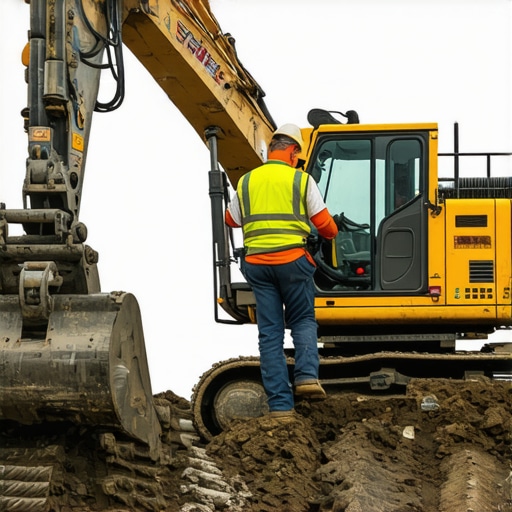
Implementing comprehensive soil stabilization strategies calls for a nuanced understanding of material properties and site-specific conditions. Consulting expert literature and leveraging field data ensures that chosen solutions align with environmental factors and project timelines, fostering safer and more durable trenches during the rainy seasons.
If you’re keen to explore innovative soil stabilization and monitoring solutions, consider engaging with industry forums or subscribing to our professional updates to stay ahead of evolving best practices.
Integrating Geo-Informatics for Precision Soil Behavior Predictions
Modern trench engineering increasingly leverages geo-informatics and spatial data analysis, enabling precise modeling of subsurface water flow and soil response under varying environmental conditions. High-resolution LIDAR, drone surveys, and GIS mapping facilitate detailed visualization of soil heterogeneity, aiding in anticipating zones prone to water accumulation and instability. By integrating these advanced tools, engineers can develop predictive models that inform targeted interventions, reducing risk and optimizing resource deployment.
Addressing the Challenge of Unseen Groundwater Sources
Unanticipated groundwater influxes present significant hazards to trench integrity. To combat this, deploying multi-parameter sensor arrays—measuring parameters like hydraulic head, soil moisture, and pore pressure—provides a comprehensive picture of groundwater dynamics. Coupling these sensors with machine learning algorithms enhances predictive capabilities, offering early warnings and enabling proactive measures such as temporary dewatering or real-time flow redirecting. This continual monitoring becomes indispensable when planning projects across geologically complex terrains with fluctuating aquifer levels.
Can hyperlocal weather data improve the management of rain-triggered trench failures?
Absolutely. Incorporating hyperlocal weather forecasting, combined with real-time atmospheric sensors, allows for precise prediction of rainfall onset, intensity, and duration at project sites. This information enables dynamic adjustment of excavation procedures, such as delaying or modifying hydrovac pressure settings, to accommodate imminent weather changes. The integration of weather data into operational decision-making enhances resilience against rain-induced collapses, making project timelines more predictable and safety protocols more robust. For instance, studies in urban flood zones have shown that localized weather models significantly reduce unforeseen soil destabilization incidents (Geotechnical Weather Dynamics).
To deepen your mastery of subsurface water management, engaging with multidisciplinary teams—including meteorologists, hydrogeologists, and geotechnical engineers—is crucial. Collaborative approaches foster innovative solutions uniquely tailored to site-specific challenges, particularly in high-stakes urban or environmentally sensitive environments.
Implementing Adaptive Reinforcement Systems: The Future of Trenches in Rainy Climates
Emerging technologies in adaptive reinforcement—such as smart shoring systems embedded with sensors—offer real-time feedback on soil conditions. These systems automatically adjust support levels based on monitored data, providing continuous stabilization even during intense rainfalls. When synchronized with advanced data analytics, such systems can predict impending failure points and activate preemptive countermeasures, significantly enhancing safety margins. Conceptually, these innovations embody a shift towards resilient, self-adjusting infrastructures capable of withstanding extreme environmental variations.
Investing in such intelligent support systems aligns with the broader goal of sustainable and reliable underground construction practices. Wide-scale adoption necessitates rigorous testing, standardization, and training, yet the potential benefits in terms of risk mitigation and cost savings are formidable. For further insights into this developing field, reviewing case studies from recent pilot projects provides valuable perspectives on implementation hurdles and success factors.
Harnessing Soil Microstructure Insights to Predict Collapse Risks
Beyond basic soil classification, an emerging frontier involves analyzing microstructural properties such as pore size distribution, mineralogy, and particle bonding. Recent advances in microscopy and spectroscopic techniques allow geotechnical experts to develop high-resolution models that forecast how specific soils respond to moisture infiltration. Incorporating these micro insights into predictive algorithms enhances accuracy, enabling proactive intervention before visible signs of instability manifest.
Employing Remote Sensing Technologies for Site-Wide Water Flow Analysis
Integrating remote sensing tools, such as drone-based multispectral imaging and ground-penetrating radar, offers unparalleled spatial coverage of subsurface water movement. These technologies detect moisture anomalies, track water accumulation zones, and identify potential failure hotspots. When combined with GIS platforms, they create dynamic 3D models that inform intelligent excavation planning, reducing unforeseen collapses caused by hidden water pathways that standard methods might overlook.
What Are Cutting-Edge Chemical Stabilizers to Strengthen Soils Post-Rain?
Recent developments in nanotechnology have introduced novel chemical stabilizers that penetrate soil matrices at a molecular level, forming durable bonds under moisture exposure. These agents, such as nano-silicates or polymeric binders, significantly boost cohesion and shear strength, even in highly saturated conditions. Their application in hydrovac operations presents a promising avenue to extend trench lifespan, particularly in variable weather climates where traditional stabilization falls short.
Can Integrated Sensor Networks Revolutionize Real-Time Trench Safety?
This question encapsulates a paradigm shift from reactive to truly predictive safety protocols. Deploying sensor arrays equipped with wireless communication and machine learning algorithms enables continuous monitoring of critical parameters like pore pressure, soil displacement, and moisture content. These systems can autonomously trigger protective measures—such as adaptive shoring adjustments—approaching the ideal of autonomous, self-optimizing trench management. The latest field trials suggest substantial reductions in collapse incidents and operational costs, marking a significant milestone in geotechnical automation (Geotechnical Journal).
Engagement with multidisciplinary research teams and adoption of innovative sensing tech will be vital in transforming trench safety standards, especially as urban infrastructures face increasing weather variability. Join industry forums that focus on integrating geotechnical science with smart construction practices to stay at the forefront of this evolution.
Leveraging Data-Driven Models to Customize Soil Behavior Predictions
The leap from static soil models to dynamic, data-driven simulations emphasizes incorporating real-time inputs—such as weather forecasts, sensor data, and geo-informatic analyses—to predict trench wall stability with unprecedented precision. Machine learning algorithms trained on extensive site-specific datasets can identify subtle precursors to failure, guiding targeted reinforcement or drainage interventions. These adaptive models are especially crucial in terrains with complex hydrogeological patterns or during rapid weather changes, where traditional methods lag behind.
Could Urban Hydrology Heavy Rainfall Lead to Hidden Groundwater Hazards?
Urban landscapes, with their impermeable surfaces and inadequate drainage, often conceal groundwater fluctuations that threaten trench integrity. Implementing a network of advanced piezometers, combined with AI-powered data analytics, can unravel these subterranean nuances. This approach anticipates sudden aquifer rises that compromise trench walls, allowing engineers to preemptively deploy emergency dewatering or soil modification techniques. Recognizing and forecasting these hidden groundwater surges is essential for urban infrastructure resilience.
Physically Reinforcing Trenches with Adaptive Materials—Is It the Future?
Progressive materials such as shape-memory alloys and self-healing composites are gaining interest for structural reinforcement in geotechnical applications. When embedded into shoring systems, these materials respond dynamically to soil movement and stress changes, automatically adjusting support levels or initiating healing processes. Such innovations promise to reduce manual oversight and improve safety margins during unpredictable weather patterns, facilitating adaptive, resilient trenching strategies.
To capitalize on these technologies, ongoing collaboration with material scientists and geotechnical engineers is crucial. Participation in specialized pilot projects and staying abreast of material innovation breakthroughs will be the keystones of the next generation of trench stability management.
Expert Strategies for Ensuring Trench Resilience During Rainy Seasons
Advanced trench management hinges on integrating real-time monitoring systems with innovative soil stabilization techniques. Deploying sensor networks that track moisture levels, pore pressure, and soil displacement provides invaluable data to preempt wall failures. Moreover, adopting chemical stabilizers like nano-silicates enhances soil cohesion, especially in moisture-variable environments. Combining these tactics fosters a proactive approach, safeguarding infrastructure against unpredictable rainfall impacts.
Harnessing Cutting-Edge Resources for Deep Soil Insights
To stay at the forefront of trench stability practices, experts recommend consulting authoritative platforms such as the Borehole Mapping Techniques guide or engaging with ongoing research from the Journal of Geotechnical Engineering. These sources provide nuanced insights into soil behavior under variable water content, empowering engineers to tailor stabilization and monitoring solutions precisely.
Looking Beyond Conventional Methods
The most impactful advancements emerge when integrating geospatial data analysis with physical stabilization. Employing tools like drone-based multispectral imaging coupled with advanced soil microstructure analysis enables the prediction of failure zones before signs surface. This multidimensional approach not only refines soil stability models but also elevates safety standards, especially in urban environments with complex subsurface conditions.
Engaging with industry-specific forums or subscribing to professional updates can catalyze the adoption of these innovative practices, ensuring projects remain resilient amid evolving weather patterns and subsurface challenges.
About the Author
Noah Wight
Houston, Texas, United States
Noah Wight is a seasoned industry professional and consultant based in Houston, Texas, with over eight years of specialized experience in technical surveying and industrial consulting. As a primary contributor to hydrovacdrilling.com, Noah leverages his extensive background in offshore survey operations and freelance consultancy to provide authoritative insights into the world of non-destructive excavation. His career, highlighted by his long-standing tenure at DaigonLLC, has been defined by a commitment to precision, safety, and operational efficiency in complex environments. Throughout his professional journey in the Texas industrial sector, Noah has developed a deep understanding of the technical requirements and safety protocols essential for successful hydrovac operations. His expertise allows him to translate complex surveying data and excavation methodologies into actionable advice for contractors and project managers alike. Noah’s contributions help bridge the gap between high-level technical surveying and practical field applications. He is dedicated to advancing the standards of the hydrovac industry through education and professional advocacy. Noah is deeply passionate about sharing his technical knowledge to help others navigate the complexities of modern excavation and underground utility management safely.
LinkedIn Profile