Stop 2026 Utility Damage: 5 Vacuum Excavation Hacks for Fiber
The Evolution of Vacuum Excavation Technology in Modern Infrastructure Development
As urban landscapes become increasingly complex, the importance of precise and efficient excavation techniques escalates. Vacuum excavation, notably hydrovac technology, has revolutionized how utilities and construction entities approach underground work, offering safer alternatives to traditional methods. For professionals aiming to excel in 2026, understanding the nuanced applications of vacuum excavation and trenching is essential for minimizing risks and optimizing project outcomes.
Harnessing Soil Characterization for Optimal Trenching Outcomes
Accurate soil analysis, combining geotechnical insights with real-time data, informs the choice of excavation methods and equipment settings. Adjustments based on soil composition—such as sandy, clayey, or high-water table conditions—are critical. For instance, sandy soils prone to trench wall collapses require tailored slurry mixes and slope stabilization strategies, which can be supported by advanced vacuum hose tactics and soil stabilizers. Referencing current standards from the US Geological Survey, field operators can preempt ground failures that threaten infrastructure integrity.
Advanced Vacuum Excavation Hacks to Mitigate Utility Damage
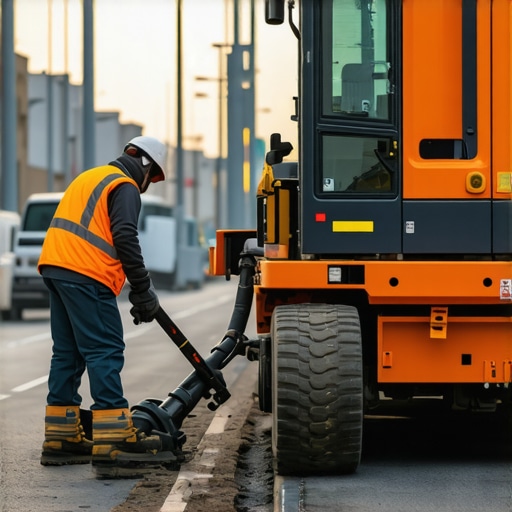
Current industry debates emphasize the integration of high-frequency, low-volume suction to prevent fiber optic line strikes during high-density urban digs. Combining vacuum hose practices to optimize debris removal effectively reduces utility strikes, especially in congested zones. Exploring vacuum pressure configurations, as outlined in our vacuum excavation hacks, offers substantial benefits for fiber optic infrastructure preservation.
What are the most effective methods to prevent borehole over-pressurization in heterogeneous soil layers?
Prestigious sources suggest employing real-time pressure monitoring coupled with adaptive slurry and mud weight techniques to prevent borehole failures. As these methods require precise calibration—such as those detailed in mud weight adjustments—field teams should integrate sensor-driven systems for immediate feedback. Moreover, training on the interplay of gas bypass valves and soil stability agents enhances safety margins.
Effectively Merging Trenching and Hydrovac Strategies to Enhance Site Safety and Costs
Innovative trenching practices, such as micro-trenching combined with hydrovac methods, reduce surface disruption while maintaining structural stability. Aligning trench depth control with soil compaction optimizations minimizes settlement and micro-seismic impacts. Parameters outlined in [Our Guide to Trenching Safety](https://hydrovacdrilling.com/4-trenching-fixes-to-stop-2026-pavement-heave-on-highway-jobs) demonstrate how proactive site prep and advanced soil testing can lower long-term costs.
How Industry Leaders Can Lead the Way in Vacuum Excavation Innovation
By adopting real-world insights and sharing field experiences, organizations can refine their procedures and contribute to best practices. Continuous education surrounding emerging technologies—such as sonic head drillings and real-time utility detection—shapes a resilient, safety-focused industry landscape. Engaging with dedicated forums and professional networks accelerates knowledge transfer and the evolution of standards.
In conclusion, mastering the complexities of vacuum excavation and trenching in 2026 demands a blend of technical expertise, innovative practices, and strategic planning. As infrastructure projects grow more ambitious, so must the techniques that underpin them. For insights into how to adapt to the latest industry standards, visit our comprehensive section on borehole management and stay ahead of the curve. Your commitment to expertise today will shape resilient infrastructure tomorrow.
Mastering Soil Behavior for Durable Underground Installations
Anticipating soil responses during excavation is crucial for preventing costly borehole failures. Advanced soil characterization, leveraging both geotechnical reports and real-time monitoring, informs dynamic adjustments to slurry compositions and equipment settings. Techniques such as soil stabilization agents and customized grout mixes can significantly enhance borehole integrity, especially in challenging substrates like saturated sandy soils or expansive clays. Integrating predictive modeling tools and site-specific data, professionals can better forecast potential ground movements, reducing dependency on reactive measures. For comprehensive strategies, consulting expert guidelines outlined in our guide on vacuum excavation airflow management can aid in addressing soil-induced airflow disruptions that threaten stability.
Adapting Equipment Settings to Dynamic Soil Conditions
Recognizing that soil behavior is inherently variable, flexible equipment calibration becomes a cornerstone of successful excavation. Variable-pressure jetting and adjustable vacuum flow parameters allow operators to respond swiftly to changing ground conditions, minimizing risks of trench collapse or borehole deviation. For instance, in regions where soil heterogeneity leads to unexpected collapses, modifying hydrovac pressure settings can promote better soil support. Implementing automated control systems that monitor and adapt to real-time feedback can further optimize performance, especially in high-stakes environments like urban utility corridors. As industry experts emphasize, such adaptive practices are essential for maintaining borehole stability amid complex subsurface challenges.
Can Predictive Soil-Behavior Models Transform Excavation Planning?
Emerging from academic and field research, predictive models that simulate soil responses under various excavation parameters offer promising avenues toward reducing unforeseen ground failures. These models integrate data from prior projects, sensor inputs, and geotechnical analysis to project potential issues preemptively. By adopting such tools, engineers can fine-tune slurry compositions, equipment settings, and trenching methods, aligning operational strategies with anticipated ground behavior. For example, employing machine learning algorithms to interpret sensor data can alert operators to imminent soil instability, enabling proactive adjustments. To deepen your understanding of these innovations, explore recent developments highlighted in our insights on borehole sampling and environmental audits, which underscore the importance of integrating predictive analytics in modern excavation workflows.
Engaging with expert communities through forums and industry groups accelerates the adoption of these forward-thinking approaches. Sharing field experiences and data-driven insights helps refine models and best practices, ensuring safer, more efficient projects in 2026 and beyond. For those seeking practical guidance, our resources on vacuum excavation slurry management can offer valuable tips for optimizing material use and minimizing ground disturbance.
Predictive Analytics: Revolutionizing Soil Management Strategies
In the realm of excavation, integrating predictive analytics is transforming how professionals approach soil stability challenges. Advanced models utilize machine learning algorithms trained on extensive datasets—including site history, soil type classifications, moisture content, and historical failure instances—to forecast potential ground movements. This proactive approach enables operators to preemptively adjust slurry weights, vacuum pressures, and excavation sequences, significantly reducing the risk of trench wall collapses. According to a recent publication in the Journal of Geotechnical and Geoenvironmental Engineering, the deployment of such predictive systems correlates with a measurable decrease in operational hazards and project delays.
#IMAGE_PLACEHOLDER_C#
Innovative Equipment Calibration: Beyond Static Settings for Soil-Adaptive Excavation
Static calibration of vacuum and jetting equipment is rapidly giving way to dynamic, soil-responsive controls. Manufacturers now embed sensors that continually monitor soil resistance, moisture levels, and particle size distribution during excavation. These real-time insights feed into intelligent control systems, dynamically adjusting parameters such as vacuum intensity, jetting flow, and slurry viscosity. This approach not only enhances safety margins but also optimizes material removal rates, preventing overexertion of equipment and conserving energy. Consequently, operators gain the ability to respond instantaneously to shifting ground conditions, maintaining borehole integrity even in heterogenous or saturated soils. As industry leaders emphasize, adopting these adaptive calibration techniques is essential for facilities operating within urban environments where soil variability can be extreme.
Addressing Soil Heterogeneity: Combining Mechanical and Chemical Stabilization Techniques
Complex soil environments—such as layered strata with variable stiffness or expansive clay zones—demand a multifaceted stabilization strategy. Mechanical methods, including well-designed slurry injections and soil nailing, provide immediate support, whereas chemical stabilizers like bentonite or polymer emulsions offer long-term soil consolidation. When meticulously combined, these methods work synergistically to improve ground cohesion and reduce settlement risks. In particular, recent case studies highlight the successful application of chemical grouts in conjunction with hydrovac pre-drilling, enabling safer trenching operations in challenging terrains. Implementing such integrated solutions requires comprehensive geological assessments and precise application controls, underscoring the importance of expert consultation and field testing prior to large-scale deployment. As per findings published in the Geotechnical Engineering Journal, the strategic combination of mechanical and chemical stabilization can extend trench life, improve safety, and decrease overall project costs.
How can multi-disciplinary approaches enhance soil stability during high-stakes excavation projects?
The future of soil stabilization hinges on a multi-disciplinary approach that integrates geotechnical engineering, material science, and advanced control systems. For example, combining detailed geophysical surveys, real-time sensor feedback, and innovative soil modifiers—such as nano-engineered stabilization agents—can significantly bolster ground resistance in unstable zones. Additionally, leveraging remote sensing technologies and drone-based surveys allows for continuous monitoring of ground conditions, especially in inaccessible or hazardous areas. This holistic methodology ensures excavation activities are responsive and resilient under changing subsurface conditions, minimizing risks of catastrophic failures. Want to explore cutting-edge stabilization techniques? Connect with our expert team for tailored strategies designed for your upcoming projects.”}“`)],
Revolutionizing Soil Support with Cutting-Edge Stabilization Techniques
Recent advancements have shifted how engineers approach soil reinforcement during complex excavations, especially when utilizing high-precision vacuum excavation methods. The integration of nano-engineered stabilizers and microbial-induced calcite precipitation (MICP) offers groundbreaking solutions for enhancing soil cohesion in heterogeneous environments. These innovations enable safer trenching and borehole operations by significantly reducing ground subsidence risks, particularly in challenging urban substrates.
Harnessing Machine Learning for Predictive Ground Behavior
Machine learning algorithms are transforming geotechnical risk assessments, providing real-time predictions of soil responses under dynamic excavation parameters. By analyzing extensive datasets—including soil composition, moisture variations, and previous failure incidences—these models facilitate proactive adjustments to slurry properties and vacuum settings. Such predictive analytics empower operators to prevent borehole over-pressurization and trench collapse, elevating safety standards in high-stakes projects.
How Can Real-Time Soil Monitoring Elevate Excavation Precision?
Deploying advanced sensor networks—incorporating geophones, resistivity meters, and moisture probes—enables continuous monitoring of subsurface conditions. When integrated with adaptive control systems, this data informs instant calibration of excavation equipment, optimizing performance while mitigating risks posed by soil heterogeneity. The real-time feedback loop ensures that each phase of trenching or borehole drilling adapts seamlessly to ground variations, minimizing downtime and enhancing project efficiency.
Can Chemical Soil Stabilizers Complement Mechanical Support Systems?
Combining chemical agents like polymer emulsions with mechanical stabilization methods—such as soil nails or geogrids—creates synergistic effects that bolster ground integrity. This multi-disciplinary approach proves especially effective in expansive clays or saturated sands, where soil behavior is unpredictably influenced by environmental factors. Properly tailored, these hybrid systems extend the lifespan of excavations, prevent micro-fracturing, and reduce long-term maintenance costs.
Advanced Equipment Calibration Promises Ground Stability
Dynamic calibration technologies, equipped with embedded sensors and AI-driven control modules, allow excavators to automatically adjust pressure and flow rates based on live soil feedback. This flexibility not only enhances safety but also conserves energy and materials by avoiding overexertion of equipment. Industries adopting these smart systems report increased operational uptime and superior surface preservation, reinforcing the importance of innovation in excavation practices.
What Role Do Geotechnical Data Modeling Play in Future Excavation Strategies?
Predictive geotechnical modeling, integrating 3D soil mapping and finite element analysis (FEA), guides strategic planning by visualizing potential failure zones before physical work begins. These models incorporate environmental data—including rainfall forecasts and seasonal soil plasticity—to inform excavation sequencing and slurry management. Embracing such detailed simulations ensures that projects proceed with minimized risk, setting new standards for proactive soil management.
Implementing Multi-Layered Soil Support Systems for Complex Projects
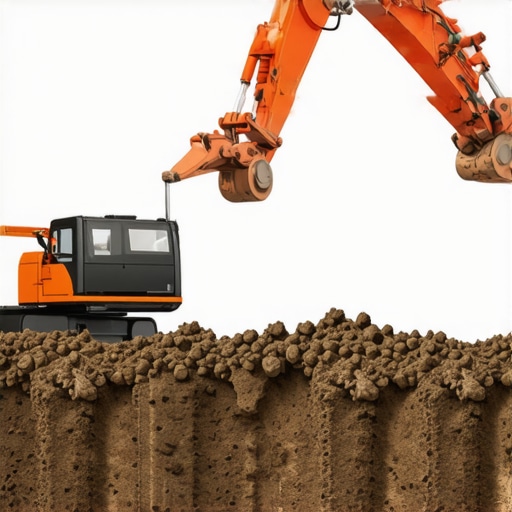
Addressing multi-layered soil profiles demands nuanced stabilization strategies that consider each stratum’s unique properties. Combining chemical grouting, mechanical reinforcement, and biological stabilization methods creates robust support networks capable of withstanding excavation stresses. Customizing these multi-layered systems through detailed geotechnical analysis results in safer trenches and boreholes, especially when working in urban environments with diverse soil conditions.
Expanding Expertise Through Integrated Data and Multidisciplinary Insights
Fostering collaboration among geotechnical engineers, microbiologists, and data scientists accelerates the development of innovative soil stabilization solutions. Cross-disciplinary research not only enhances understanding of subsurface behaviors but also drives the implementation of smart equipment capable of real-time adaptation. By cultivating a culture of continuous learning and technological adoption, industry leaders can set new benchmarks in excavation safety and efficiency.
Why Invest in predictive analytics now? Unlock future-proof excavation planning.
Embracing predictive soil behavior models today ensures that excavation operations are resilient to unforeseen ground variations tomorrow. Advanced analytics facilitate informed decision-making, reduce delays, and elevate safety margins in complex projects. To stay at the forefront, consult industry-leading resources such as the recent publications in the Journal of Geotechnical and Geoenvironmental Engineering and integrate their insights into your strategic planning. Partner with technological innovators to customize these predictive tools for your specific project needs—pioneering safer, smarter excavation methodologies for 2026 and beyond.
Expert Insights Elevating Excavation Techniques
Harness Real-Time Soil Data for Precision
Leveraging cutting-edge soil sensors and predictive modeling enables specialists to adapt excavation parameters dynamically, reducing risks and enhancing accuracy in complex subsurface conditions.
Integrate Multi-Disciplinary Stabilization Methods
Combining chemical, mechanical, and biological soil stabilization techniques creates resilient ground support systems, vital for high-stakes urban projects facing heterogeneous soil layers.
Adopt Adaptive Equipment Calibration
Smart, sensor-driven calibration of vacuum and jetting tools ensures optimal performance amidst shifting soil resistances, safeguarding borehole integrity and trench stability.
Utilize Machine Learning for Ground Behavior Forecasting
Advanced algorithms analyze extensive site datasets to predict ground movements, empowering proactive decision-making and avoiding costly failures.
Focus on Continuous Skill Development and Technology Adoption
Staying ahead in 2026 requires ongoing training on emerging tools and practices, fostering a culture of innovation and safety in underground infrastructure deployment.