The Complex Dynamics of Vacuum Pump Overheating in Vertical Hydrovent Operations
In the realm of hydro excavation, especially when performing extended vertical suction tasks, the overheating of vacuum pumps emerges as a critical indicator of underlying systemic and operational issues. This phenomenon not only impacts equipment longevity but also influences the safety and efficiency of trenching and borehole procedures. Understanding the nuanced interplay between soil characteristics, fluid dynamics, and engineering design is paramount for advanced practitioners seeking to optimize performance and mitigate risks.
Unraveling the Subtle Interplay Between Soil Composition and Pump Thermal Loads
During prolonged vertical excavations, soil heterogeneity—ranging from saturated clays to loose sands—affects fluid flow rates and pressure differentials within the hydro excavator. In particular, high clay content with low permeability can cause considerable resistance, forcing pumps to operate at elevated pressures and increased power consumption. This heightened workload generates excess heat, risking thermal failure if cooling systems are insufficient. As explained in the science behind hydrovac technology, soil properties critically influence hydraulic efficiency and equipment thermal management.
Assessing Pump Design and Its Role in Managing Thermal Stress
Expert operators recognize that pump configurations—such as internal component materials, cooling mechanism efficacy, and flow path design—directly impact overheating tendencies during high-demand vertical work. For instance, pumps with superior heat dissipation capabilities or variable speed controls can adapt better to fluctuating workload demands, reducing thermal buildup. Conversely, systems lacking adequate thermal regulation are susceptible to breakdowns, especially under continuous operation in challenging soil conditions.
How Does Hydrogeological Variability Affect Pump Performance?
Geological formations with high water tables or aquifer systems complicate vacuum operations due to sudden changes in hydrostatic pressure, impacting pump load and heat generation. Real-world scenarios in urban utility trenching demonstrate that unanticipated water influxes trigger temperature spikes, emphasizing the necessity for adaptive control strategies and comprehensive site assessment prior to deep vertical excavations. For in-depth insights on managing such complexities, refer to vacuum excavation safety best practices.
What Advanced Techniques Can Prevent Vacuum Pump Failures During Extended Vertical Suctions?
Innovative solutions include integrating real-time thermal monitoring systems, employing high-capacity cooling methods, and optimizing pump operational parameters based on soil and fluid feedback. Advanced predictive maintenance practices, combined with soil stabilization techniques—such as grouting or shoring—can significantly mitigate overheating risks. For professionals engaged in complex trenching projects, investing in these strategies translates into enhanced equipment reliability and project success.
To elevate your expertise further, explore our comprehensive guide on borehole drilling strategies with advanced vacuum systems. Sharing professional insights and exchanging practical experiences remains vital for innovation and safety in hydro excavation technology.
Beyond Basics: Implementing Dynamic Cooling Strategies for Vertical Hydro Excavation
As vertical hydro excavation tasks intensify in complexity, static cooling solutions often fall short in preventing vacuum pump overheating. Adaptive cooling systems—such as variable flow cooling channels, heat exchangers with smart controls, and liquid cooling loops tailored to soil and fluid conditions—offer a proactive approach for maintaining optimal operating temperatures. These innovations enable operators to respond to fluctuating workload demands and soil variability, reducing equipment downtime and safeguarding soil integrity.
Re-evaluating Soil Compaction and Moisture Content Impact on Thermal Loads
Emerging research emphasizes that altered soil moisture levels and compaction states significantly influence hydraulic efficiency and heat dissipation during deep, vertical excavations. Looser soils with higher water content facilitate heat transfer away from pump components, whereas compacted or dry soils hinder thermal regulation. Techniques such as real-time soil moisture sensors and soil stabilization mechanisms can inform operational adjustments, ensuring thermal loads stay within safe limits. To deepen your understanding of soil behavior’s role in equipment performance, review the science behind hydrovac technology.
Engineering Excellence: Designing Pumps for High-Demand Vertical Applications
Modern pump engineering incorporates thermally resilient materials, enhanced heat sink geometries, and integrated cooling channels to combat overheating during prolonged vertical operations. Variable-speed drives and smart control algorithms enable real-time adjustments to flow rates, balancing performance with thermal safety. These design enhancements position operators to handle challenging soil scenarios without compromising equipment longevity or soil stability.
Could Soil-Informed Predictive Analytics Revolutionize Hydro Excavation Safety?
By harnessing the power of predictive analytics—using machine learning algorithms that analyze soil composition, moisture variability, and operational data—companies can forecast overheating risks and schedule preemptive maintenance. Such data-driven approaches foster a proactive safety culture, reducing unplanned downtime and preventing soil destabilization caused by equipment failures. Integrating these tools into routine workflows enhances both soil protection and operational efficiency.
For practical implementation insights, explore our detailed guide on future innovations in vacuum excavation technology. Engaging with peer-reviewed studies and industry leaders ensures that your practices stay at the forefront of soil safety and equipment resilience.
Transforming Thermal Management with Cutting-Edge Cooling Innovations
As the demands of vertical hydro excavation escalate, static cooling approaches become increasingly insufficient. Enter dynamic cooling solutions—these systems leverage smart control algorithms and real-time thermal data to modulate coolant flow, adapt to fluctuating workload intensities, and preempt overheating scenarios. Technologies such as electronically controlled heat exchangers and liquid cooling loops with feedback mechanisms not only extend equipment lifespan but also optimize energy consumption, embodying a paradigm shift towards intelligent thermal regulation in high-demand scenarios.
Integration of Soil Behavior Models for Predictive Thermal Risk Assessment
Advanced soil behavior modeling, grounded in geotechnical analytics and augmented by sensor data, provides invaluable insights into soil moisture, compaction levels, and permeability characteristics. Incorporating these models into operational planning allows for predictive assessments of thermal loads, enabling preemptive adjustments to pump operation parameters. As documented in recent industry studies, such integrated approaches significantly reduce unexpected thermal failures, promoting safer and more efficient vertical excavations.
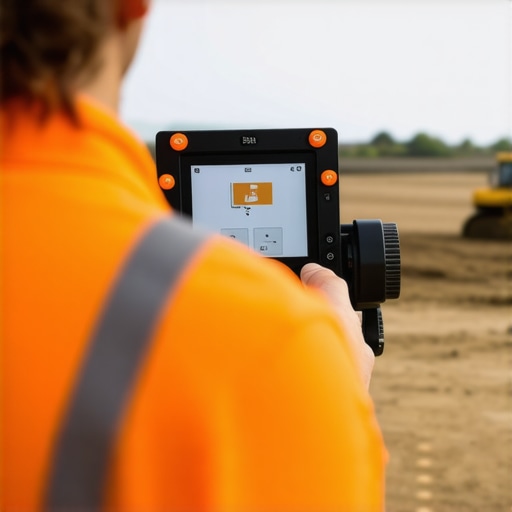
Imagine a sophisticated soil sensor array coupled with a real-time data analytics interface monitoring the excavation site. This visualization exemplifies the future of proactive thermal management, where predictive insights directly inform equipment control strategies, minimizing downtime and enhancing soil stability.
Machine Learning-Driven Maintenance: A New Frontier in Hydro Excavation
The convergence of machine learning and hydro excavation technology heralds a new era of predictive maintenance. By analyzing vast datasets encompassing pump performance metrics, soil conditions, and ambient environmental factors, algorithms can forecast component wear, thermal stress points, and failure probabilities with remarkable accuracy. Implementing these systems enables operators to schedule targeted maintenance proactively, reducing unplanned outages and preventing soil destabilization due to equipment malfunction. This data-centric approach not only safeguards equipment but also preserves soil integrity, ensuring sustainable and responsible excavation practices.
Empowering Operators with Virtual Reality for Complex Training
As equipment complexity intensifies, so does the necessity for comprehensive operator training. Virtual reality (VR) simulation modules offer immersive environments where technicians can experience high-fidelity scenarios—ranging from thermal system malfunctions to rapid soil influxes—without risk. These training tools accelerate skill acquisition, improve decision-making in critical situations, and foster a deeper understanding of the interplay between soil behavior, equipment performance, and thermal regulation. Embracing VR-based training underscores a commitment to safety, innovation, and operational excellence in vertical hydro excavation.
Revolutionizing Soil Stabilization Techniques for Thermal Optimization
Innovative soil stabilization methods are emerging as pivotal in managing thermal loads during deep excavations. Techniques such as chemical grouting, biopolymer injections, and controlled dewatering not only enhance soil stability but also modify thermal conductivity properties. By tailoring soil conditions, operators can facilitate heat dissipation, reduce thermal resistance, and mitigate overheating risks. Current research underscores the importance of integrating soil stabilization strategies with thermal management protocols, promising a future where excavation safety and soil preservation go hand in hand.
When Soil Meets Sophistication: The Hidden Factors Influencing Pump Overheating
In complex trenching operations, subtle soil variations—such as mineral composition and organic content—significantly impact fluid viscosity and pressure fluctuations within vertical hydro excavation systems. These micro-level geotechnical factors, often overlooked, influence thermal loads on vacuum pumps. Recent studies in geotechnical engineering highlight that soil heterogeneity can induce unpredictable hydraulic stresses, compelling pumps to operate beyond their thermal design parameters. Harnessing advanced soil analysis tools, like geophysical surveys and soil spectroscopy, allows for precise pre-operation assessments, minimizing thermal risks and optimizing equipment performance.
Innovative Pump Design: Elevating Thermal Resistance Beyond Conventional Limits
Modern pump engineering transcends traditional cooling paradigms by integrating thermally conductive composite materials and microchannel heat exchangers. These innovations facilitate rapid heat dissipation even under prolonged, demanding vertical excavations. Variable frequency drives (VFDs) further enable dynamic adjustment of operational speeds, aligning workload with soil conditions and reducing unnecessary thermal buildup. As industry benchmarks progress, adopting integrated thermal management architectures becomes essential for maintaining pump integrity under high-stress scenarios.
Can Intelligent Monitoring Secure the Future of Hydro Excavation?
Implementing real-time thermal imaging coupled with IoT-enabled sensor networks empowers operators with unparalleled visibility into equipment health. This synergy enables predictive diagnostics, flagging imminent overheating concerns before failures occur. By analyzing patterns in vibrational and thermal data, machine learning algorithms can forecast maintenance needs, reducing unplanned downtime and limiting soil destabilization caused by equipment failures. Leading industry case studies underscore that such proactive strategies markedly extend pump service life and preserve soil integrity in high-stakes environments.
How Do Adaptive Cooling Technologies Revolutionize Vertical Excavation Safety?
Emerging cooling solutions leverage phase-change materials and electronically controlled heat exchangers to respond adaptively to fluctuating thermal loads. These systems actively modulate coolant flow rates and heat transfer surfaces based on operational feedback, ensuring optimal operating temperatures at all times. This approach not only mitigates overheating but also enhances energy efficiency, aligning with sustainable excavation practices. For professionals committed to pushing operational boundaries, integrating these technologies promises a leap forward in reliability and safety.
For in-depth strategies, consider exploring our comprehensive analysis on thermal management innovations for hydro excavation. Staying ahead requires embracing cutting-edge solutions that anticipate and address thermal challenges before they escalate.
Revolutionizing Soil Management for Cooler Operations
Soil conditioning techniques, utilizing chemical or biological amendments, can alter thermal conductivity and moisture retention properties. For instance, the application of soil stabilizers can promote uniform moisture distribution, enhancing heat transfer away from critical pump components. Coupling these methods with real-time soil moisture sensors facilitates adaptive operation protocols, preventing localized dry zones that hinder thermal dissipation. Implementing comprehensive soil management strategies directly correlates with reduced pump overheating and enhanced excavation precision.
Expert Insights & Advanced Considerations
The Role of Soil Composition in Thermal Dynamics
Soil heterogeneity, particularly in saturated clay versus loose sandy deposits, significantly influences hydraulic efficiency and heat dissipation in high-demand vertical excavation. Recognizing the specific soil profile allows for tailored pump operation strategies that mitigate overheating risks.
The Impact of Pump Material Innovations on Thermal Resilience
Adoption of thermally conductive composites and advanced cooling channels within pump design enhances resistance to thermal stress, prolonging operational lifespan during intensive vertical tasks. Such materials enable quicker heat transfer away from critical components.
Adaptive Operational Protocols Based on Real-Time Data
Integrating sensor feedback, such as soil moisture levels and temperature readings, with machine learning algorithms facilitates dynamic adjustment of pump parameters, effectively preventing thermal overloads during variable soil conditions.
Synergizing Soil Stability and Equipment Performance
Employing soil stabilization techniques, like chemical grouting, not only ensures site safety but also improves heat transfer properties, reducing thermal loads on vacuum systems in vertical hydrovent applications.
Future-Proofing Through Predictive Analytics
Leveraging predictive models derived from geotechnical and operational data enables proactive maintenance and operational decision-making, ultimately minimizing downtime caused by pump overheating.
Curated Expert Resources
- Science Behind Hydrovac Technology: Provides an in-depth exploration of soil behavior and hydraulic efficiency, essential for optimizing thermal management strategies (Read more).
- Vacuum Excavation Safety Practices: Offers comprehensive guidelines on safe equipment operation, including thermal considerations (Explore here).
- Advanced Borehole Drilling Strategies: Discusses innovative techniques and equipment choices pertinent to thermal resilience (Learn more).
Final Perspective on Hot Challenges and Cold Solutions
Addressing vacuum pump overheating in vertical hydrovent operations demands a confluence of soil physics, innovative engineering, and intelligent control systems. Recognizing soil-specific thermal behaviors, embracing advanced materials, and leveraging data-driven operational adjustments are the touchstones of modern solutions. Industry leaders who incorporate predictive analytics and adaptive cooling strategies position themselves at the forefront of safe, efficient, and sustainable hydro excavation. Your insights and experiences are invaluable—consider sharing your perspectives or exploring our comprehensive resources to refine your expertise further.
,