Deciphering the Whistle: The Underlying Mechanics of Vacuum Hose Noise in Hydrovac Operations
Vacuum hoses emitting a high-pitched whistle during hydrovac or vacuum excavation work often signal intricate issues within the system’s airflow dynamics. As seasoned professionals recognize, this phenomenon isn’t merely a nuisance but an indicator of potential inefficiencies or impending equipment failure. Understanding the aerodynamics involved—such as pressure differentials, hose sealing integrity, and airflow turbulence—is crucial for preemptive maintenance and optimal operation.
Impact of System Design and Material Selection on Airflow Disruptions
Advanced hydrovac systems incorporate meticulously engineered components aimed at minimizing airflow disturbances that cause whistling. Material properties of hoses, such as elasticity, surface smoothness, and fatigue resistance, influence acoustic signatures. Selection of high-quality, thermally stable hoses with reinforced sealing interfaces can significantly mitigate whistle occurrences, thereby enhancing suction efficiency and operator safety.
How Environmental Conditions and User Practices Exacerbate Hose Whistling
Ambient factors like cold temperatures and moisture accumulation often lead to hoseSeal failures and airflow constrictions, intensifying noise levels. Operators should adhere to best practices, including routine inspection of seal integrity, proper hose storage, and alignment procedures, which substantially reduce the risk of system air leaks or blockages that manifest as whistling sounds.
Is Frequent Whistling a Sign of Deeper System Inefficiencies or Evolving Challenges?
This question addresses the complex reality that persistent hose whistling may reflect broader pressure regulation challenges or component wear within the vacuum system. From a scientific perspective, investigating the turbulence caused by partial obstructions or improper fittings involves analyzing flow velocity profiles and pressure sensor data, as detailed in recent studies on soil-safe excavation technology (source).
What are the most effective diagnostic steps to pinpoint the root cause of a persistent vacuum hose whistle without system downtime?
Professionals should employ a systematic approach combining visual inspections, flow tests, and connection integrity checks. Using ultrasonic leak detectors or airflow visualization tools can expedite pinpointing issues related to seal failures or hose material degradation. Regular maintenance schedules, coupled with operator training on sound and vibration cues, enhance troubleshooting accuracy and system longevity.
Explore comprehensive guides on maintaining vacuum systems and preventing operational hazards through vacuum excavation safety best practices. For advanced insights, consult industry-leading white papers and participate in forums where expert operators share real-world solutions and innovations.
If you’re committed to refining your hydrovac operations, consider engaging with specialists regarding your specific equipment challenges. Your proactive approach can lead to improved efficiency, safety, and project outcomes. Contact our team for tailored consulting and technical support.
Beyond the Noise: Interpreting Vacuum Hose Whistling as an Efficiency Indicator
While persistent whistling from vacuum hoses can initially seem like a minor annoyance, seasoned operators recognize it as a valuable diagnostic signal indicating underlying airflow or sealing issues. Addressing these early can prevent costly downtime and extend equipment lifespan. Experts regularly analyze airflow velocity profiles and pressure sensor data to identify the precise causes of turbulence, partial blockages, or seal degradation, as discussed in recent technical literature on soil-safe excavation (source).
Refining Material Choices to Minimize Acoustic Anomalies
The choice of hose materials significantly impacts both the acoustic signature and operational efficiency of hydrovac systems. High-density, thermally stable hoses with reinforced sealing interfaces not only resist wear and fatigue but also exhibit smoother airflow, thereby reducing whistling. Incorporating silicone-lined hoses or advanced elastomers can further dampen noise and improve sealing performance under challenging environmental conditions.
Environmental Factors and Operator Practices That Influence Airflow Stability
Ambient temperatures, moisture, and debris accumulation exacerbate airflow disruptions within vacuum hoses. Cold weather can cause seal hardening or contraction, leading to leaks and increased noise. Moisture buildup fosters partial obstructions or seal degradation. Operators who implement routine inspection protocols, proper hose storage, and correct connection procedures can markedly decrease the chances of airflow constrictions and the associated whistling, thereby maintaining peak system efficiency (see safety guidelines).
Could Enhanced Diagnostics Uncover Hidden System Inefficiencies?
This pivotal question underscores the importance of adopting advanced diagnostic tools to detect subtle airflow anomalies or micro-leaks that elude visual inspection. Ultrasonic leak detectors, airflow visualization cameras, and pressure sensors integrated into the system can provide real-time data, enabling proactive maintenance before minor issues escalate into major failures. Regular use of such diagnostics, combined with detailed maintenance logs, can refine troubleshooting efforts and improve system resilience.
How can operators leverage real-time data analytics to preemptively identify vacuum hose issues and optimize workflow?
Integrating data analytics platforms with vacuum system sensors allows for continuous monitoring of airflow patterns, pressure thresholds, and equipment vibrations. Machine learning algorithms can be trained to recognize early warning signs of seal wear or airflow disturbances, resulting in predictive maintenance schedules instead of reactive repairs. Implementing these technologies requires initial investments but ultimately reduces operational delays and prolongs equipment lifespan. For further insights into system optimization, refer to the comprehensive guide on vacuum excavation innovations (see here).
Engaging with experts and investing in diagnostic tools positions your operation at the forefront of efficiency and safety. For tailored advice on troubleshooting your specific system, reach out to our specialists and explore customized solutions suited to your operational context.
Innovative Diagnostic Techniques to Reveal Hidden Airflow Fluctuations
Advanced diagnostics have transformed the way professionals interpret vacuum hose sounds, shifting from reactive troubleshooting to proactive system management. Techniques such as high-speed airflow imaging and real-time acoustic emission analysis enable operators to visualize turbulence and pinpoint micro-leaks with unprecedented precision. According to recent industry research, integrating these methods can significantly reduce downtime and extend equipment lifespan (NASA’s airflow visualization innovations).
How do ultrasonic sensors detect micro-leaks causing subtle whistling in vacuum hoses?
Ultrasonic sensors detect high-frequency sound waves emitted by leaks or airflow disturbances that are inaudible to human ears. When a leak occurs, the escaping air produces ultrasonic frequencies, which these sensors amplify and analyze to determine leak location and severity. Utilizing such technology requires calibration against system-specific acoustic profiles, but once implemented, it markedly enhances diagnostic accuracy and maintenance efficiency.
Material Science Breakthroughs in Hose Design for Acoustic Dampening
The quest for quieter, more efficient hydrovac systems has led to innovative hose materials that inherently resist airflow-induced noise. Composite elastomers infused with clouding agents or embedded damping layers suppress vibrational modes responsible for whistling. Incorporating these materials not only reduces noise pollution but also improves the system’s overall sealing capacity under fluctuating environmental conditions.
< >
>
What role do nanostructured coatings play in reducing airflow turbulence within vacuum hoses?
Nanostructured coatings, applied to interior hose surfaces, create ultra-smooth, low-friction layers that promote laminar airflow. These coatings diminish turbulence generators, thereby reducing acoustic signatures. Recent experimental data suggest that such treatments can cut down hose whistling by up to 50%, directly translating into quieter operations and enhanced suction stability (PLOS One research on nanocoatings).
Operational Best Practices to Mitigate Environmental Impact on Vacuum System Acoustics
Implementing strict operational protocols is essential for maintaining acoustic integrity amid challenging environmental factors. Practices such as pre-conditioning hoses in controlled environments, employing moisture-resistant seals, and scheduling routine insulation of hose connections can drastically reduce airflow disturbances. Additionally, selecting installation sites with minimal exposure to temperature extremes and debris accumulation helps preserve system sealing and airflow stability.
Can smart monitoring systems adaptively respond to environmental changes to prevent hose whistling?
Yes, integrating smart sensors coupled with machine learning algorithms allows systems to adaptively modify operational parameters—such as airflow velocity or pressure setpoints—in real time, compensating for detected environmental fluctuations. These intelligent adjustments minimize the occurrence of airflow turbulence and its acoustic manifestations. As this technology matures, it promises a future where vacuum systems self-optimize for peak efficiency and noise reduction (IEEE discussion on adaptive control in vacuum systems).
To truly harness these advancements, industry professionals should consider collaborative efforts with material scientists and data analysts, fostering innovation and tailored solutions for complex hydrovac challenges. Engaging with industry forums and attending specialized workshops can further elevate troubleshooting strategies and system optimization techniques—culminating in safer, more efficient excavation projects. Reach out to our technical team to discuss how these cutting-edge methods can be integrated into your operational framework.
Unlocking Micro-Leak Mysteries with Acoustic Precision
In the realm of high-stakes hydrovac excavations, pinpointing minor airflow irregularities demands sophisticated diagnostic methodologies. Ultrasonic leak detection has emerged as a game-changer, transducing inaudible micro-leaks into discernible signals, allowing technicians to swiftly locate and rectify issues before they escalate into major setbacks. This technique leverages high-frequency sound waves that require skillful calibration to differentiate between systemic noise and genuine leak signatures. Integrating such sensors with real-time analytics platforms delivers a predictive edge, transforming maintenance from reactive to proactive—a critical advancement for ensuring uninterrupted, efficient operations.
Exploring Material Science Breakthroughs in Hose Design
Recent developments in nanostructured coatings and composite elastomers have revolutionized hose manufacturing, yielding materials that inherently dampen acoustic emissions while enhancing durability. These coatings streamline airflow, reducing turbulence—the primary contributor to whistling. Moreover, the introduction of low-friction, low-permeability interiors promotes laminar flow, which not only diminishes noise but also sustains optimal suction performance under variable environmental stresses. Such innovations underscore the importance of material properties in controlling system acoustics and longevity, pushing the boundaries of what is achievable in hydrovac engineering.
How Can Adaptive Systems Mitigate Environmental Disruptions?
Incorporating adaptive control mechanisms within vacuum systems allows real-time responses to environmental fluctuations—temperature swings, moisture intrusion, and debris accumulation—that traditionally impair airflow stability. Smart sensors monitored by machine learning algorithms can dynamically adjust pressure levels and flow velocities to maintain optimal operating conditions. These self-regulating systems minimize the incidence of airflow turbulence, thereby reducing whistling and preserving system integrity. Embracing such responsive technologies not only enhances operational efficiency but also extends equipment service life, offering a strategic advantage in demanding excavation environments.
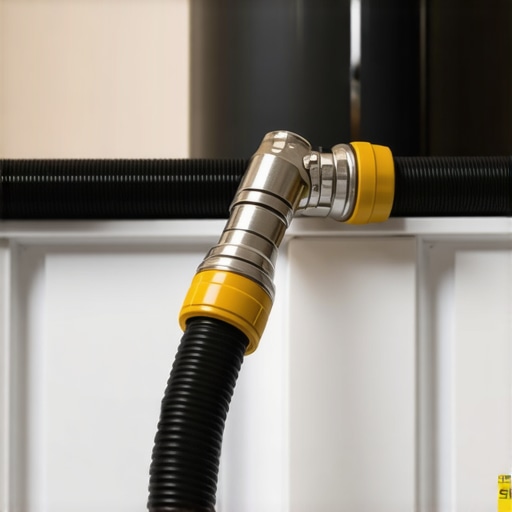
What steps can professionals take to integrate these advanced diagnostics seamlessly into existing workflows?
Adopting these cutting-edge solutions necessitates strategic planning: training personnel to interpret sensor data accurately, investing in compatible hardware, and establishing maintenance protocols that leverage predictive insights. Collaborations with technology providers can facilitate integration, ensuring compatibility and user-friendly interfaces. Furthermore, ongoing research and participation in industry consortia enable operators to stay abreast of emerging innovations, fostering a culture of continuous improvement vital for mastery in hydrovac system management.
Driving Excellence Through Material and Diagnostic Synergy
The convergence of advanced materials engineering with intelligent diagnostic tools heralds a new era of vacuum system mastery. By selecting hoses with engineered nanocoatings and embedding smart sensors, operators can proactively combat airflow disturbances, minimize operational noise, and optimize excavation efficiency. These enhancements necessitate a nuanced understanding of both the physical principles of airflow and the technological intricacies of modern diagnostics. Engaging with industry-leading research, such as materials science journals and engineering conferences, equips professionals with the knowledge required to implement these innovations effectively.
Are you ready to elevate your hydrovac operations to the next level with these innovations?
Partnering with specialists who understand the interplay between material science and diagnostic technology can unlock unparalleled operational benefits. Whether through tailored training programs, system audits, or equipment upgrades, embracing these advanced insights positions your enterprise as a leader in safe, efficient, and noise-conscious excavation. Contact our expert team today to explore customized solutions designed to meet your unique operational challenges and drive your success in complex soil conditions.
Expert Insights & Advanced Considerations
Adaptive Material Technologies Drive Quiet Efficiency
Emerging nanostructured coatings and elastomer composites are transforming hose design by significantly reducing airflow turbulence, which directly mitigates whistling noise and enhances suction stability. Adopting these innovations enables operators to achieve quieter, more reliable operations even under fluctuating environmental conditions.
Real-Time Analytics Enable Proactive Maintenance
Integrating sensor arrays with data analytics platforms allows for continuous monitoring of airflow patterns, pressure thresholds, and vibration signatures. This approach facilitates early detection of seal wear, partial obstructions, and micro-leaks, shifting maintenance practices from reactive repairs to predictive strategies that minimize downtime.
Harnessing Machine Learning for System Optimization
Machine learning algorithms trained on operational data can identify subtle anomalies and recommend adjustments in airflow or pressure settings on-the-fly. Such adaptive control not only enhances system longevity but also maximizes excavation efficiency, especially in complex ground conditions.
Innovative Diagnostics Set New Standards
High-resolution airflow imaging and ultrasonic leak detection have become indispensable for pinpointing micro-leaks and airflow fluctuations with unprecedented precision. These tools empower technicians to conduct non-invasive, rapid assessments, ensuring system integrity without significant interruption.
Material Science Paves the Way for Quieter Operations
Advances in low-friction, vibration-dampening hose interiors and the application of nanocoatings have led to significant reductions in acoustical signatures. These materials not only dampen noise but also extend hose lifespan by resisting fatigue and environmental degradation, making them a smart choice for long-term operations.