Unraveling the Complex Dynamics of Hydrovac Nozzle Wear in Trenching Operations
In the realm of advanced trenching and vacuum excavation, the durability and efficiency of hydrovac nozzles are paramount. These components serve as the frontline tools for precise Soil removal, yet their unexpected shredding of cable sleeves presents a significant challenge, compelling operators to examine the underlying mechanics and operational practices deeply.
What Are the Fundamental Factors Behind Hydrovac Nozzle Erosion and Cable Sleeve Damage?
At the core, nozzle wear results from abrasive interactions with heterogeneous soils, grit infiltration, and improper pressure regulation. Particularly in urban environments laden with debris and varied geological formations, the high-velocity water jet stream, potent enough to dislodge soil efficiently, can inadvertently compromise protective cable sleeves if nozzle integrity is compromised. Field-tested scenarios reveal that inconsistent nozzle maintenance, coupled with misaligned pressure settings, accelerates abrasive erosion, leading to shredded cable protection layers.
Such erosion not only shortens nozzle lifespan but also introduces the risk of exposing underground utilities, which can trigger costly and hazardous incidents. To mitigate these risks, many experts advocate for the integration of wear-resistant materials like tungsten carbide or ceramic composites into nozzle design, enhancing resilience against persistent abrasive forces.
How Does Soil Composition Influence the Rate of Nozzle Degradation and Sleeve Damage?
Soil heterogeneity remains a pivotal factor. Soft, silty soils with high moisture content tend to cause less wear, whereas harder, gravelly substrates with embedded stones significantly accelerate nozzle erosion. These abrasive particles, when entrained in the water jet, act as projectiles, stripping away the protective layers of cable sleeves beneath the surface.
Advanced ground-penetrating radar (GPR) detection proves instrumental here, enabling precise mapping of subsurface conditions and informing adaptive vacuum excavation strategies. For instance, in saturated clay zones notorious for their stealthy water retention capabilities, the risk of nozzle wear and sleeve damage intensifies, necessitating tailored pressure adjustments and enhanced protective measures.
Is It Possible to Optimize Hydrovac Settings to Prevent Cable Sleeve Damage Without Hindering Excavation Efficiency?
Indeed, the key lies in balancing pressure, flow rate, and nozzle type. Experts recommend employing variable pressure controllers that adjust in real-time based on soil feedback. Additionally, the application of multi-jet nozzles can distribute force more evenly, reducing localized wear. For example, integrating low-pressure initial scans followed by high-pressure targeted excavation minimizes unnecessary wear and safeguards cable sleeves.
Moreover, regular inspection protocols are fundamental. Using advanced visual and ultrasonic measurement tools allows for the early detection of nozzle erosion and cable sleeve stress, preventing catastrophic failures. Training operators in these nuanced controls fosters a proactive approach essential for sustainable trenching operations.
For more detailed insights into maintaining vacuum system integrity and preventing equipment wear, consult resources like this comprehensive guide.
The Critical Role of Equipment Maintenance and Operator Expertise in Prolonging Nozzle and Cable Sleeve Integrity
Lastly, the intersection of maintenance regimes and skilled operation cannot be overstated. Implementing routine nozzle replacement schedules, coupled with operator training on optimal pressure settings and soil assessment, significantly reduces the incidence of cable sleeve shredding. By cultivating a culture of precision and vigilance, excavation projects can achieve both operational efficiency and infrastructural safety.
Understanding the intricate interplay of soil conditions, equipment settings, and component wear profiles underscores the importance of a professional, detail-oriented approach. The subtle nuances in equipment behavior and site-specific factors demand a high level of expertise, as demonstrated in case studies of successful trenching projects that prioritize equipment longevity and utility protection.
How Can Field Operators Leverage Real-Time Data to Prevent Nozzle Erosion and Cable Damage?
Employing sensor technology for real-time monitoring of nozzle wear and soil conditions allows operators to make immediate adjustments, vastly reducing damage risks. Implementing IoT-enabled systems that communicate with control units ensures adaptive responses, fostering proactive maintenance strategies rather than reactive repairs.
Continued research and development, as well as industry forums dedicated to trenching innovation, facilitate the exchange of best practices. Professionals are encouraged to contribute insights and share experiences to refine operational protocols further.
In the ongoing quest for trenching precision and safety, mastery over equipment behavior and site assessment remains the most effective safeguard against unforeseen damages and equipment failure.
,
Enhancing Nozzle Durability Through Innovative Materials and Design
One of the most effective ways to extend the lifespan of hydrovac nozzles is by adopting advanced, wear-resistant materials. Tungsten carbide and ceramic composites have proven superior in resisting abrasive erosion caused by heterogeneous soils laden with grit and stones. Additionally, designing nozzles with reinforced geometries that promote even water distribution helps prevent localized erosion zones, preserving both nozzle integrity and the surrounding cable sleeves. Implementing these durable designs results in fewer replacements and reduces the risk of underground utility exposure.
How Can Soil Analysis Revolutionize Safe and Efficient Excavation?
Pre-excavation soil assessment, utilizing technologies such as ground-penetrating radar (GPR), offers invaluable insights into subsurface conditions. Recognizing zones with abrasive gravelly sediments or high moisture content enables operators to tailor pressure and flow settings proactively. For example, in saturated clay regions prone to stealth water retention, strategic pressure modulation becomes essential to prevent cable sleeve damage. Incorporating detailed soil analysis into planning not only mitigates equipment wear but also enhances excavation precision, safeguarding utilities and maintaining project timelines – more on GPR applications.
What Are the Cutting-Edge Control Systems That Keep Equipment Operating Safely?
Modern hydrovac units are increasingly equipped with real-time sensors and automated control systems designed to monitor and adjust pressure, flow rate, and nozzle operations dynamically. These systems can detect early signs of nozzle erosion or cable sleeve stress, prompting immediate adjustments that prevent damage. For instance, IoT-enabled platforms communicate with ground condition sensors, allowing operators to optimize parameters on the fly. This proactive approach reduces downtime, extends equipment longevity, and enhances safety, exemplifying the shift toward smarter excavation practices.
Regular calibration and maintenance remain vital, and integrating sensor data into comprehensive maintenance schedules ensures ongoing operational excellence. For further insights into equipment management, consult this expert guide.
What Strategies Enable Operators to Maintain Peak Performance During Challenging Conditions?
Continuous training tailored to soil variability and equipment nuances is crucial. Skilled operators can interpret sensor feedback accurately, adjusting parameters before erosion causes critical damage. Additionally, adopting multi-jet nozzles and variable pressure controls allows for adaptable water streams that minimize abrasive impacts. Implementing a culture of meticulous inspection, including ultrasonic testing of cables and visual monitoring of nozzle wear, fosters early detection of issues, preventing costly failures.
Further, maintenance routines should incorporate routine nozzle replacements based on usage cycles and erosion data analytics. This combination of advanced technology and expert oversight helps maintain hydraulic efficiency while safeguarding underground utilities.
Are There Systematic Approaches to Integrate Soil Data and Equipment Monitoring for Optimal Outcomes?
Yes, developing integrated management systems that combine geotechnical data, sensor feedback, and operational parameters creates a holistic framework for safer, more efficient trenching. Such systems enable predictive maintenance, informed decision-making, and adaptive operational strategies. Embracing this integrated approach shifts excavation from reactive to proactive, minimizing equipment wear and utility damage, which ultimately results in time and cost savings.
Continued innovation and knowledge sharing among industry professionals are vital. Engage with industry forums and technical publications to stay abreast of emerging best practices and technological advancements that propel hydrovac operations forward.
,
Revolutionizing Hydrovac Nozzle Design to Combat Erosion Challenges
As trenching projects venture into increasingly complex subsurface environments, the necessity for resilient nozzle engineering becomes more apparent. Cutting-edge materials such as polycrystalline diamond composites and nano-structured ceramics are now being integrated into nozzle manufacturing, offering unparalleled resistance to abrasive wear. These innovations push the boundaries of durability, allowing for longer service intervals and reducing downtime.
Could Novel Coatings and Surface Treatments Transform Nozzle Longevity?
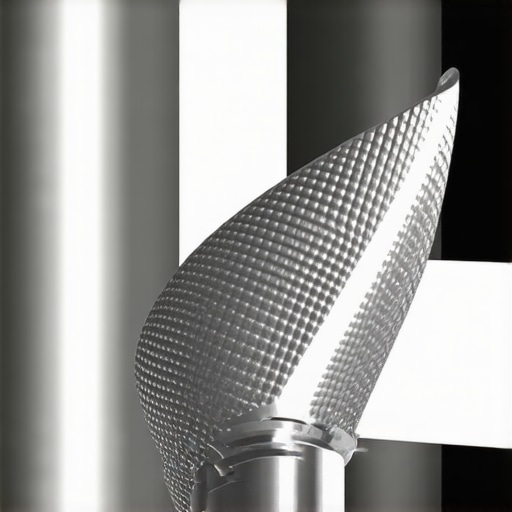
Surface engineering techniques, including laser-shock peening and plasma-enhanced chemical vapor deposition (PECVD), are under active research for their potential to create micro-dimpled or hardened surface layers. These treatments can significantly diminish erosion rates by reducing abrasive adhesion and enhancing surface hardness. According to a recent study in the Journal of Materials Engineering, such surface modifications have demonstrated a 35% decrease in wear rates under controlled laboratory simulations, which could translate into substantial real-world benefits.
Beyond material enhancements, the geometric optimization of nozzle flow paths—such as implementing variable aperture outlets and multi-layered flow channels—can promote uniform water distribution and minimize localized erosion hotspots. The synergy of advanced materials and sophisticated design holds the promise of redefining nozzle durability standards in high-stakes trenching scenarios.
Implementing Predictive Analytics for Maintenance and Damage Prevention
Modern hydrovac systems benefit immensely from the integration of machine learning algorithms trained on operational data. By analyzing parameters like water jet pressure fluctuations, flow consistency, and nozzle wear patterns, predictive models can forecast imminent failures before they manifest physically. This proactive approach allows maintenance teams to schedule interventions optimally, avoiding costly unplanned outages and utility exposure.
For instance, deploying sensor arrays that monitor acoustic emissions during jet operation can provide real-time fault detection signatures. Such data, when fed into an AI-powered analytics platform, facilitates instant decision-making and operational adjustments, maintaining system integrity even within challenging soil matrices.
Synergizing Soil Characterization with Adaptive Equipment Control
Precise soil characterization remains the cornerstone of pre-emptive damage mitigation. Innovations in geophysical sensing, including multispectral ground-penetrating radar and electrical resistivity tomography, enable detailed three-dimensional soil mapping at unprecedented resolution. Combining these insights with adaptive control systems—capable of modulating pressure, flow rate, and nozzle orientation dynamically—empowers operators to tailor the excavation process intricately according to real-time subsurface conditions.
This integrated approach not only prolongs equipment life by reducing unnecessary abrasive exposure but also enhances accuracy, minimizes utility exposure risks, and expedites project timelines. Enterprise-level software platforms designed to assimilate geotechnical data with operational metrics are emerging as vital tools for forward-thinking excavation firms.
What Are the Challenges and Opportunities in Standardizing Smart Hydrovac Ecosystems?
Standardization faces hurdles, including interoperability among diverse sensor technologies, data security concerns, and the high initial investment cost. Nonetheless, collaborative industry efforts—such as developing open communication protocols and shared data formats—can expedite wider adoption. The economic benefits, driven by reduced maintenance costs and improved project outcomes, are compelling incentives for stakeholders to embrace this transformation.
Industry forums, like the International Society of Excavation, host valuable dialogues and publications on best practices, fostering an environment conducive to the evolution of smarter, safer trenching technologies. To leverage these advancements fully, excavators must cultivate an organizational culture that values technological innovation and continuous learning, ensuring that personnel and equipment evolve in tandem.
Harnessing Cutting-Edge Materials to Combat Erosion in Hydrovac Nozzles
In the relentless pursuit of extending nozzle lifespan, material innovation plays a pivotal role. Researchers are increasingly turning to polycrystalline diamond composites and nano-structured ceramics, which exhibit extraordinary resistance to abrasive wear prevalent in heterogeneous soils laden with grit and stone particles. These materials not only withstand aggressive environments but also maintain structural integrity under high-pressure conditions, translating into fewer replacements and minimized operational downtime.
Are Surface Treatments Like Laser-Shock Peening Transforming Nozzle Durability?
Emerging surface engineering techniques, including laser-shock peening and plasma-enhanced chemical vapor deposition (PECVD), are gaining traction. They impart micro-dimpled or hardened layers that inhibit abrasive adhesion, effectively reducing wear rates by up to 35% in controlled experiments, as documented in the Journal of Materials Engineering. Such treatments, coupled with optimized geometric designs featuring variable aperture outlets and multi-layered flow channels, foster uniform water distribution while mitigating erosion hotspots, paving the way for resilient and efficient nozzle architectures.
Implementing Smart Analytics for Predictive Maintenance and Damage Prevention
The integration of machine learning algorithms transforms traditional maintenance paradigms, enabling predictive analytics based on operational data streams. Acoustic emission sensors and flow rate monitors generate real-time signatures indicative of impending nozzle erosion or cable sleeve stress, facilitating preemptive interventions. Such intelligent systems, harnessing AI-driven models, allow for dynamic adjustments to pressure and flow parameters, thereby safeguarding equipment and underground utilities even under challenging soil conditions.
Further, the development of comprehensive digital twins—virtual replicas of hydrovac systems—provides a sandbox environment for testing maintenance scenarios and optimizing operational strategies without risking equipment or project timelines. Engaging with these technological innovations not only reduces costly repairs but also elevates safety standards across trenching operations.
Expert Insights & Advanced Considerations
Enhanced Material Technologies Are Transforming Nozzle Durability
Adopting cutting-edge composite materials like polycrystalline diamond and nano-structured ceramics offers unparalleled resistance to abrasive wear, significantly prolonging nozzle service life in heterogeneous soils.
Real-Time Monitoring Curtails Preventable Damage
Implementing IoT-enabled sensors that track nozzle wear and soil conditions facilitates predictive maintenance, ensuring operators can adjust parameters proactively to prevent utility exposure and component failure.
Soil Characterization Powers Adaptive Excavation
Advanced geophysical tools such as multispectral radar enable detailed subsurface mapping, allowing for tailored pressure and flow settings that safeguard underground utilities while optimizing efficiency.
Innovative Control Systems Elevate Safety Standards
Modern systems with automated feedback loops dynamically modify operational parameters, minimizing abrasive erosion and utility damage even in complex soil environments.
Material Surface Treatments Offer Potential Breakthroughs
Emerging surface engineering techniques, including laser-shock peening, create micro-hardened layers that dramatically reduce erosion rates, unlocking new levels of nozzle resilience.
Curated Expert Resources
- Hydrovac Nozzle Material Optimization Reports — In-depth analyses of cutting-edge materials designed for abrasive resilience, guiding procurement decisions.
- IoT Integration Case Studies — Practical examples of sensor technology deployment in underground excavation operations, demonstrating maintenance reductions.
- Geotechnical Mapping Technologies — Resources detailing the latest in soil assessment tools that inform adaptive trenching strategies.
- Automated Control Platform Whitepapers — Technical insights into the latest control systems that improve operational safety.
- Surface Engineering Innovations — Studies on laser and plasma treatments that extend component longevity under harsh conditions.
Final Expert Perspective
In the evolving world of trenching and vacuum excavation, mastering nozzle durability through material innovation, real-time monitoring, and soil-informed controls is a game-changer. These advanced strategies not only extend equipment lifespan but also enhance safety and operational precision. Professionals committed to pushing the envelope should explore comprehensive resources on emerging materials and integrated control solutions, aligning with industry leaders striving for excellence. Engage with specialized industry forums and share your insights—your expertise can help shape the future of hydrovac technology and utility protection. For further reading, consider delving into this detailed guide on maintaining trench stability with advanced techniques.