Understanding the Complexity of Trench Stability in Fluctuating Water Tables
Experienced geotechnical engineers know that the integrity of trench shoring systems hinges on a nuanced understanding of soil behavior, hydrological factors, and advanced excavation techniques. When the water table unexpectedly rises, traditional shoring methods often falter, risking dangerous collapses and costly project delays. This article delves into the intricate reasons behind such failures, integrating insights from cutting-edge research and field data to inform best practices in safety and efficiency.
The Physics of Soil-Fluid Interaction and Trench Integrity
At the core, emergent failures during water table spikes are rooted in the dynamic interplay between soil particles, pore water pressure, and material cohesion. As groundwater levels ascend rapidly, the increased pore pressure diminishes the effective stress within soil matrices, leading to reduced shear strength. The phenomenon is especially pronounced in fine-grained soils like clays and silts, where permeability is low, and fluid infiltration disrupts existing structural frameworks.
Limitations of Conventional Shoring Systems Under Hydrostatic Stress
Standard trench shoring strategies—such as hydraulic, timber, or trench boxes—assume relatively stable subsurface conditions. However, they often lack the adaptability required to withstand sudden hydrostatic load increases. Hydraulic shoring, in particular, may be overwhelmed if groundwater infiltrates through soil interfaces or breaches barriers, causing lateral pressures to escalate beyond design tolerances. These systems also underperform when soil conditions transition from dry to saturated states rapidly, compromising their capacity to prevent trench walls from sloughing.
Why Does Water Table Spiking Lead to Shoring Failures?
Spike events typically occur due to weather phenomena, surface water runoff, or uncontrolled dewatering failures. The abrupt hydrostatic pressure increment exerts additional lateral force on trench walls, exceeding the passive earth pressure limits. Furthermore, the reduction in soil cohesion diminishes the trench’s ability to resist shear stress, particularly in layered or heterogeneous soils. The timing of such events often coincides with inadequate dewatering planning or unforeseen groundwater flow pathways, making preemptive measures ineffective.
Innovative Strategies for Maintaining Stability Amid Water Variability
Field experts advocate for integrating real-time groundwater monitoring systems with adaptive shoring solutions. Techniques such as installing high-quality dewatering wells, employing geo-synthetics with controlled permeability, and employing soil stabilization polymers can significantly mitigate failure risks. Additionally, the adoption of advanced soil modeling—like finite element analysis—enables predictive assessment of trench stability under variable water conditions, thus allowing for dynamic shoring adjustments.
Expert-Level Inquiry: How Can Predictive Soil Behavior Models Prevent Shoring Failures?
Advanced modeling of soil mechanics, incorporating factors like transient pore pressure and anisotropic stress distributions, is essential. These models enable engineers to simulate potential failure modes during sudden water level spikes, informing proactive reinforcement strategies. The integration of soil sensors that feed data into these models facilitates a continuously updated risk profile, ultimately safeguarding personnel and infrastructure. For more on soil safety in vacuum excavation, see this detailed review.
Elevating Practice: Engaging with Industry Experts for Improved Outcomes
Professionals engaged in trenching and borehole projects should consider contributing insights and experiences to broader industry dialogue. Collaborating through technical forums and subscribing to specialized journals ensures the dissemination of innovative solutions to complex challenges like water table fluctuations. Exploring detailed strategies for borehole stabilization and vacuum excavation safety can be further supported by resources such as this comprehensive guide.
Harnessing Real-Time Data to Reinforce Trench Safety
Implementing continuous groundwater monitoring is transformative for proactive trench management, especially during unpredictable water table fluctuations. Utilizing sensors that track pore water pressure and soil moisture levels allows engineers to receive instant alerts to changing conditions. These insights enable timely shoring adjustments, avoiding catastrophic failures. Advances in sensor technology and data analytics empower site teams to anticipate water ingress scenarios based on localized soil responses, refining safety protocols in real-time. For an in-depth understanding of how technology revolutionizes soil safety, visit this comprehensive review.
Reevaluating Traditional Shoring: Are Our Assumptions Adequate?
Many engineers rely on conventional shoring designs rooted in static soil and water conditions, which often underestimate the impact of sudden groundwater rises. It’s crucial to question whether these methods are sufficient or if adaptive systems are necessary to address the dynamic nature of subsurface hydrology. For example, integrating geo-synthetics with adjustable permeability or modular shoring components can provide the flexibility needed to respond swiftly to evolved conditions. Rethinking our assumptions about soil and water stability ensures safer, more resilient excavation strategies. To explore innovative shoring solutions, see this expert guide.
How Can Predictive Soil Behavior Modeling Revolutionize Trench Design and Safety?
Advanced predictive models that incorporate transient pore pressures, layered soil responses, and anisotropic stress distributions are setting new standards in excavation safety. By simulating worst-case scenarios during water level spikes, engineers can identify potential failure points before the physical process begins. Incorporating soil sensors that relay real-time data into these models enables a dynamic risk assessment, allowing for adaptive shoring adjustments on the fly. This combination of predictive analytics and sensor technology offers a promising pathway toward virtually eliminating trench collapses caused by water table variability. Engaging with cutting-edge soil modeling techniques enhances decision-making and safeguards personnel and infrastructure alike. For a detailed overview of soil modeling innovations, visit this resource.
If you have experience managing water table challenges during trenching, share your insights or strategies in the comments below to contribute to industry-wide safety improvements.
,
Embracing Smart Sensors: The Future of Groundwater Management in Excavation
Real-time data acquisition has transitioned from a supplementary tool to a cornerstone of modern trench safety. Deploying smart sensors capable of detecting minute changes in pore water pressure, soil moisture, and temperature empowers engineers with unprecedented situational awareness. These devices utilize wireless connectivity to transmit continuous streams of critical information, enabling immediate response to rising water levels or unexpected soil instability. The integration of such technological solutions not only enhances proactive safety measures but also optimizes resource allocation, reducing downtime and mitigating risks effectively.
Can Algorithm-Driven Data Analytics Foresee Trench Collapse Risks?
Absolutely. Advanced data analytics platforms harness machine learning algorithms trained on vast datasets encompassing soil properties, hydrological patterns, and historical failure instances. These systems identify subtle correlations and predict potential failure scenarios with remarkable accuracy. For example, predictive analytics can evaluate the likelihood of pore pressure exceeding safe thresholds during forecasted weather events, prompting preemptive shoring reinforcement. Such anticipatory strategies transform trench management from reactive to proactive, significantly elevating safety standards across the industry.
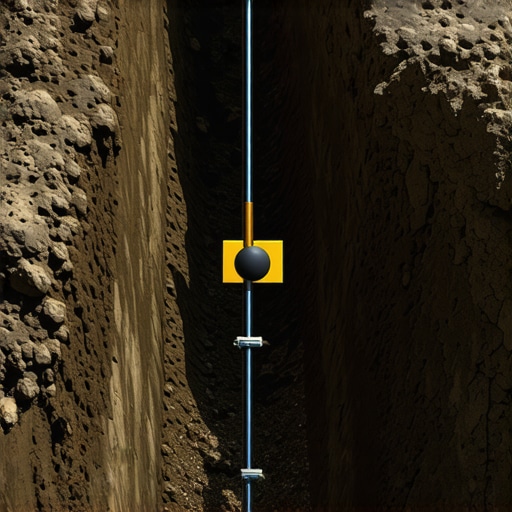
The Role of Soil-Structure Interaction Models in Dynamic Environments
Developing comprehensive soil-structure interaction (SSI) models allows engineers to simulate how shifting water tables influence trench wall stability under varying loads. These models integrate geotechnical parameters, fluid dynamics, and material heterogeneity to generate multifaceted simulations. By accommodating transient water influxes and soil response hysteresis, SSI models inform the design of adaptable shoring systems capable of adjusting to real-time conditions. Such approaches facilitate the development of resilient excavation strategies, especially in complex stratified terrains where layered responses can precipitate unforeseen failures.
How Can Multi-Modal Monitoring Synergies Reduce Excavation Downtime?
Combining multiple monitoring modalities—such as seismic sensors, resistivity measurements, and visual inspections—creates a holistic view of trench conditions. This multi-layered approach enhances detection sensitivity and provides cross-validation of potential hazards. For instance, seismic data indicating increased wall vibrations, coupled with resistivity shifts suggesting groundwater ingress, can trigger immediate safety protocols. The synergistic use of diverse data streams enables more nuanced decision-making, minimizing unnecessary excavations and ensuring continuous progress without compromising safety.
Looking to stay ahead in the field? Engage with industry webinars, participate in specialized training, and subscribe to expert journals focused on geotechnical innovations. Contributing your observations and case studies helps refine emerging practices and fosters a collaborative movement towards safer excavation environments.
Harnessing Innovative Geotechnical Insights for Adaptive Excavation Strategies
In the realm of advanced trenching, the convergence of real-time geotechnical analytics and adaptive structural solutions signifies a paradigm shift. Recognizing the limitations inherent in static design assumptions, industry leaders increasingly advocate for integrative frameworks that encompass soil heterogeneity, transient hydrological influences, and dynamic load responses. This approach not only enhances safety margins but also optimizes operational efficiency amidst unpredictable water table behaviors, challenging conventional excavation paradigms.
The Subtle Art of Soil-Fluid Synergism and Its Impact on Structural Resilience
At the microscopic level, the interplay between pore water pressure fluctuations and soil matrix cohesion defines the threshold of trench wall stability. Innovations in nano-scale soil characterization reveal that microstructural alterations—such as clay platelet reorientation—can either mitigate or exacerbate failure risks during hydrostatic surges. Incorporating these nuanced understandings into predictive models allows for tailored shoring solutions that adapt seamlessly to evolving subsurface conditions.
Beyond Conventional Shoring: Embracing Modular and Smart Reinforcement Systems
Traditional shoring methods—while historically reliable—often lack the flexibility to accommodate rapid hydrogeological shifts. The advent of modular, sensor-embedded shoring components offers a transformative avenue, permitting real-time adjustments based on live data inputs. These intelligent systems facilitate a proactive stance, dynamically redistributing stresses and mitigating failure probabilities even during abrupt water level spikes. The integration of such innovations necessitates revisiting design standards to establish new benchmarks in trench safety.
Expert Inquiry: How Can Machine Learning Enhance Predictive Capacities in Water-Induced Trench Failures?
Machine learning algorithms trained on extensive geological and hydrological datasets enable the development of predictive models with unprecedented accuracy. They can identify subtle precursors to failure—like minute shifts in pore pressure, soil electrical conductivity, or micro-seismic activity—before catastrophic events materialize. By deploying these models within monitoring systems, engineers can receive early warnings, triggering nuanced interventions. This symbiosis of AI and geotechnics heralds a new era of resilient excavation practices. For an in-depth exploration, see this authoritative resource.
Engage and Innovate: Share Your Experience to Shape Future Standards
Practitioners empowered with cutting-edge tools and insights are encouraged to contribute case studies and validated methodologies. Active participation in technical forums, workshops, and peer-reviewed publications fosters a collective intelligence vital for refining risk mitigation strategies. Your expertise could catalyze the next breakthrough in safe, efficient trenching amid hydrological uncertainties—join the dialogue today.
Visualizing the Invisible: The Future of Soil and Water Dynamics Modeling
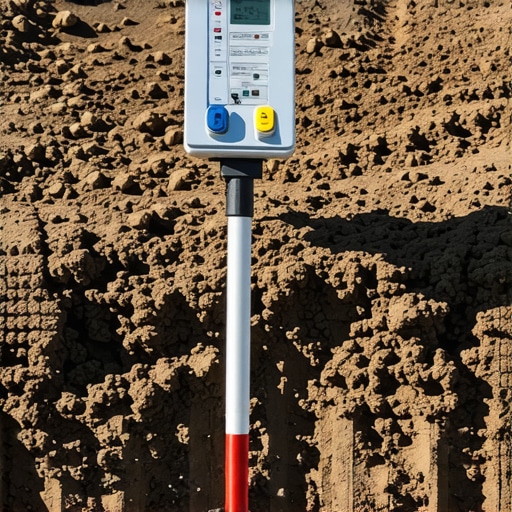
The synthesis of 3D soil-fluid interaction models with real-time sensor data visualization enables practitioners to perceive and respond to subsurface phenomena dynamically. As computational power advances, these simulations can incorporate complex variables—layer anisotropy, chemical interactions, and climate-induced hydrological variability—delivering unprecedented predictive precision and operational agility in trench management.
From Reactive to Proactive—Reconceptualizing Safety Protocols with AI and Sensor Fusion
The synthesis of multi-modal data streams—combining seismic, resistivity, and moisture sensors—creates a comprehensive environmental fingerprint. AI-driven analytics then decipher these signals, forewarning of imminent instability with remarkable sensitivity. Transitioning from reactive inspections to anticipatory interventions ensures uninterrupted excavation workflows while safeguarding personnel and infrastructure against water-induced failures.
Expert Insights & Advanced Considerations
Anticipate Water Movements with Dynamic Modeling
Employing sophisticated soil-fluid interaction models allows engineers to simulate real-time water level fluctuations, providing a proactive approach to trench stability management. This foresight enables the deployment of adaptive shoring solutions tailored to transient conditions, significantly reducing failure risks during unexpected hydrostatic surges.
Harness Real-Time Data to Prevent Collapse
Integrating sensor networks that monitor pore water pressure, soil moisture, and seismic activity offers continuous insights into subsurface conditions. This data-driven approach facilitates immediate decision-making, allowing for swift adjustments in excavation strategies before risks escalate.
Innovate with Modular Shoring Technologies
Implementing modular, sensor-enabled shoring systems introduces flexibility and responsiveness into trench safety protocols. These systems can adapt dynamically to changing waterTable scenarios, offering enhanced protection and operational efficiency in complex or variable terrains.
Explore Predictive Soil Mechanics with AI
Applying machine learning algorithms to geotechnical datasets uncovers subtle failure precursors linked to water fluctuations. Such predictive analytics empower engineers to anticipate instability and reinforce trench walls accordingly, elevating safety standards significantly.
Invest in Multimodal Monitoring Synergy
Combining seismic, resistivity, and soil moisture sensors creates a comprehensive subsurface surveillance network. This integrated system improves hazard detection sensitivity, enabling site teams to act preemptively and maintain uninterrupted excavation flows.
Curated Expert Resources
- Hydrovac Safety Technologies and Innovations: Showcases cutting-edge tools and techniques in vacuum excavation and trenching safety, providing actionable insights for practitioners.
- Advanced Geotechnical Modeling Resources: Offers in-depth guides on finite element analysis and soil-structure interaction modeling, critical for understanding complex trench stability scenarios.
- AI in Geotechnical Engineering Publications: Explores how machine learning and data analytics are transforming predictive capabilities and risk mitigation strategies in subsurface projects.
- Sensor Integration in Excavation Sites: Provides best practices for deploying and managing multimodal sensor networks to enhance real-time monitoring and safety responses.
The Value of Embracing Next-Gen Approaches in Trench Safety
Integrating advanced predictive modeling, real-time data acquisition, and adaptable shoring structures marks a pivotal evolution in excavation safety. Recognizing these innovations enables industry professionals to move beyond reactive practices, fostering resilient and efficient operations amid unpredictable subsurface conditions. Engagement with these high-level insights and scholarly resources equips you to lead the future of geotechnical safety—share your expertise, explore new methodologies, and contribute to the ongoing enhancement of trench stability strategies.