Harnessing Precision in Urban Trenching through Vacuum Excavation Innovations
In densely populated urban environments, the complexity of underground infrastructure presents a formidable challenge for excavation projects. The integration of technologies such as hydrovac and trenchless methods demands meticulous planning and execution to prevent utility damage, minimize service disruption, and ensure safety. Expert practitioners recognize that leveraging advanced vacuum excavation techniques offers a strategic advantage in navigating these high-interference zones, especially when facing subterranean maze-like networks.
Complexity of Signal Interference and Non-Destructive Detection
One critical aspect of urban utility mapping involves distinguishing live conduits amid a cacophony of electromagnetic signals and underground clutter. The deployment of sophisticated detection equipment and the utilization of multi-sensor array systems enhance accuracy, reducing the risks of inadvertent damage. Cross-referencing data from multiple sources, including radio frequency locators and ground-penetrating radar, allows for a layered approach to subsurface asset identification. Referencing authoritative methodologies from the Utility Technology Council, experts can devise robust detection protocols tailored for high-interference districts.
Dynamic Strategies for Managing Hydrovac Debris with Contaminated Soil
Handling debris in contaminated soil zones necessitates not just effective extraction but also compliance with safety and environmental standards. Effective management involves real-time debris classification, containment, and disposal strategies aligned with environmental regulations. Techniques such as on-site treatment tents and debris segregation stations can streamline operations, preventing cross-contamination. For comprehensive insights, consult Hydrovac Drilling’s expertise on debris management.
How can professionals effectively prevent borehole wall collapse in layered rock formations?
Addressing borehole stability requires an understanding of geological layering, stress distribution, and appropriate mud-weight adjustments. Implementing dynamic mud management schemes tailored to formation behavior, along with real-time monitoring of borehole parameters, can prevent wall sloughing and collapse. Advanced modeling software and geotechnical assessments are indispensable tools for pre-drilling analysis, ensuring the structural integrity of boreholes in complex strata.
For further development in this area, industry specialists are encouraged to explore methods to prevent sidewall sloughing and share innovative practices within professional forums dedicated to underground excavations.
Engaging with emerging research and field trials enables practitioners to adaptively refine their techniques, ultimately elevating the safety, efficiency, and precision of utility installation and repair projects in challenging urban settings.
,
Innovative Methods Elevate Soil Stability in Complex Environments
Urban trenching projects often confront unpredictable soil conditions that threaten to compromise structural integrity and project timelines. Traditional stabilization methods can fall short in the face of saturated, loose, or layered soils, necessitating more sophisticated approaches. Modern techniques, such as chemical soil stabilization and geosynthetic reinforcement, offer promising solutions to enhance soil cohesion and support trench stability under demanding conditions.
Exploring Chemical Soil Stabilization for Improved Support
Applying specialized chemical admixtures, like lime or cement-based binders, can significantly reduce soil permeability and increase shear strength, thereby minimizing risks of wall collapse or subsidence. Site-specific soil testing guides the selection of appropriate stabilizers, ensuring compatibility and optimal performance. When execution is precise, chemical stabilization can extend the lifespan of trenches and reduce the need for continuous maintenance.
Leveraging Geosynthetic Reinforcement for Layers and Ledges
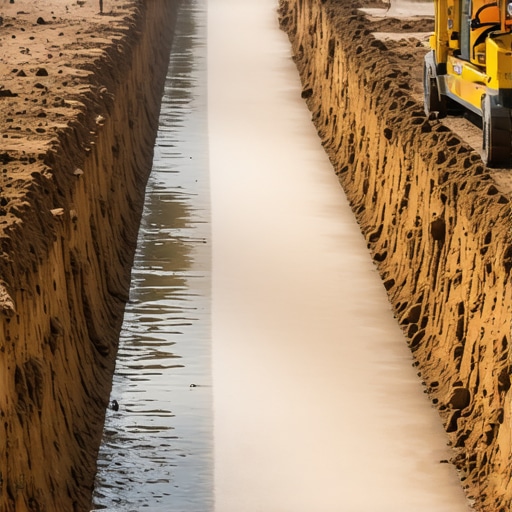
Integrating geosynthetics—such as geogrids and geomembranes—within soil matrices provides reinforcement that resists deformation and maintains alignment during excavation. This tactic is particularly effective in layered or loose soils where traditional supports might falter. Proper installation, including adequate tensioning and anchoring, is vital to realize the full benefits, demanding keen expertise and adherence to best practices.
Can emerging soil stabilization technologies outpace conventional methods in urban conditions?
The rapid advancement of innovations like microbial soil stabilization and nano-engineered additives shows potential in transforming urban trenching practices. Microbial solutions, for example, utilize bacteria to cement soil particles, offering environmentally friendly, cost-effective support. According to recent research in geotechnical engineering journals, these approaches could soon rival or surpass traditional stabilizers in terms of durability and eco-friendliness (source). For professionals aiming to stay ahead, exploring the latest developments in soil stabilization is essential for adapting to evolving project demands.
Interested in expanding your knowledge? Consider reviewing advanced borehole casing techniques that complement stabilization efforts and safeguard against unexpected ground shifts in challenging soils.
,
Optimizing Utility Detection Amidst Urban Underground Clutter
In the labyrinthine networks beneath our cities, pinpointing utilities with precision remains an ongoing challenge. Traditional locating methods often falter against electromagnetic interference and dense underground infrastructure. To surmount these obstacles, employing multi-sensor data fusion, integrating electromagnetic, acoustic, and ground-penetrating radar systems, offers a nuanced approach. Such layered detection protocols enable practitioners to differentiate live assets from artifacts, reducing the risks associated with accidental strikes. Recent advancements by the Urban Utility Mapping Consortium demonstrate that combining sensor data with machine learning algorithms significantly enhances asset recognition accuracy, fostering safer excavation practices in interference-rich zones.
What role does real-time data integration play in preventing utility strikes during high-density exaction?
Real-time data assimilation allows operators to dynamically adjust excavating parameters, verifying utility locations as work progresses. Integrating GPS-based tracking with sensor feedback creates a live map of underground conditions, thereby enabling proactive decision-making. The deployment of cloud-connected detection modules ensures that data is accessible across the crew, facilitating immediate cross-verification and swift responses to emerging anomalies. To achieve this, adopting standards like the ISO 22475:2014 for geotechnical data exchange reinforces consistency and reliability, elevating safety margins in complex urban environments.
Innovative Debris Management in Contaminated Soil Zones
Effective debris handling extends beyond simple removal—it’s about implementing sustainable and compliant practices that address soil contamination concerns. Employing on-site bioremediation techniques, such as microbial consortia tailored to degrade specific pollutants, can transform waste into environmentally benign material. Coupled with sealed containment systems and real-time monitoring sensors, these approaches minimize the risk of contaminant runoff and airborne hazards. Additionally, utilizing mobile treatment units equipped with soil washing and filtration methods ensures continuous operation without delaying project timelines. Industry leader Eco Environmental Services underscores that integrating these systems into the excavation workflow creates a safer, more sustainable operation, aligning with increasingly stringent environmental regulations.
How can adaptive debris segregation techniques improve environmental compliance in urban trenching?
Adaptive segregation involves using sensor-guided robotics and AI algorithms to quickly classify debris on-site. By distinguishing between contaminated, recyclable, and inert waste, companies can tailor disposal streams efficiently, reducing cross-contamination risks. For instance, integrating Near-Infrared Spectroscopy with machine learning models enables rapid identification of hazardous materials, facilitating immediate segregation. This proactive approach not only streamlines compliance with environmental standards but also reduces disposal costs and mitigates potential legal liabilities. Referencing recent case studies published by the Environmental Technology Journal, demonstrates that such smart segregation systems are increasingly vital in complex urban operations where soil and debris profiles are highly variable.
Enhancing Borehole Stability in Heterogeneous Rock Formations
In layered geological settings, the risk of borehole collapse escalates due to differential stress distributions and variable mineral compositions. To combat this, employing advanced real-time geomechanical monitoring—such as fiber optic strain sensors—provides immediate feedback on stress shifts and wall deformation. This data enables operators to adapt mud weights dynamically, optimize casing placement, and implement controlled overpressure techniques carefully calibrated for each stratigraphic layer. Utilizing predictive modeling software that incorporates geological survey data enhances pre-drilling planning, allowing for simulations that identify potential failure zones before excavation commences. For comprehensive guidelines and innovative solutions, consulting latest geotechnical research articles is invaluable for advancing borehole management in complex formations.
How might emerging nanotechnology advance borehole stabilization strategies in heterogeneous terrains?
Nanomaterials such as nanoclays and nano-engineered polymers are showing promise in enhancing soil and rock cohesion at microstructural levels. When integrated into slurry formulations or as grouting agents, these nanomaterials can improve penetration, reduce permeability, and increase shear strength drastically. Studies published in the Nano Engineering Journal indicate that nano-enhanced grouts penetrate fissures more effectively, creating a more homogenous and stable borehole environment. As research progresses, these materials could revolutionize stabilization methodologies—reducing the reliance on traditional, bulkier solutions and enabling more precise control in complex stratigraphy. Inspection of ongoing field trials suggests that combining nanotechnology with autonomous monitoring systems may set new standards in underground stability management, especially in urban settings where precision and safety are paramount.
,
Leveraging Fiber Optic Sensing for Borehole Integrity in Challenging Strata
In the realm of complex geological formations, maintaining borehole stability necessitates real-time, high-resolution monitoring solutions. Deploying fiber optic sensors—such as Distributed Acoustic Sensing (DAS) and Distributed Strain Sensing (DSS)—provides continuous data on stress changes and deformation patterns within heterogeneous rock layers. This technological integration facilitates immediate corrective measures, minimizes collapse incidents, and enhances overall excavation safety. The nuanced application of these sensors, combined with predictive geomechanical modeling, exemplifies cutting-edge practices that only seasoned geotechnical professionals can effectively implement.
What Role Do Nanoengineered Materials Play in Ground Reinforcement Strategies?
Emerging nanotechnology offers promising avenues for soil and rock stabilization. Nanoclays and nano-polymer composites, when incorporated into grouts and soil matrices, improve permeability barriers and shear strength substantially. This microscopic reinforcement allows for intricate tailoring of support systems, especially in urban environments with limited space and delicate existing utilities. According to the Nano Engineering Journal, ongoing research indicates these innovations could redefine traditional stabilization paradigms, providing more sustainable and less invasive solutions for underground stability challenges.
Enhancing Asset Detection with Multi-Modal Sensing Fusion
Accurate underground utility mapping has evolved beyond conventional electromagnetic locators; integration of multi-modal sensors generates a holistic subsurface view. Combining electromagnetic, seismic, acoustic, and Ground Penetrating Radar (GPR) data, coupled with machine learning algorithms, markedly improves asset recognition in cluttered environments. This fusion diminishes false positives and mitigates strikes during excavation, especially critical in densely built urban settings. The Urban Utility Mapping Consortium demonstrates that such sophisticated approaches are recognized industry standards, reducing operational risks and enhancing project precision.
Why Is Adaptive Soil Stabilization Crucial in Modern Trenching?
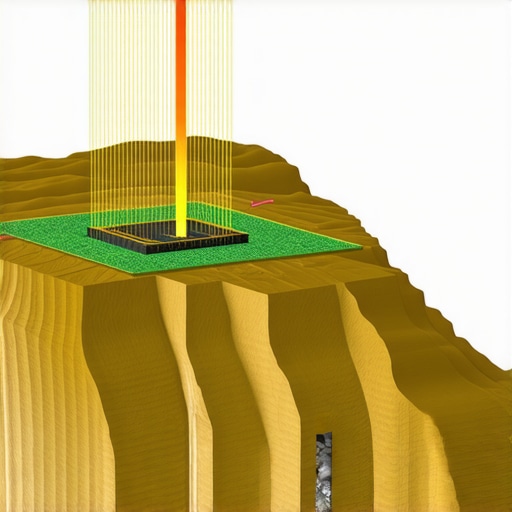
Adaptive soil stabilization techniques, which employ real-time data and responsive injection systems, allow operators to dynamically address variability in ground conditions. This flexibility ensures effective support in saturated, layered, or loose soils. For instance, the use of sensor-activated chemical injectors can adjust formulation strengths on-the-fly, preventing wall collapse and minimizing environmental impact. As urban excavations become increasingly complex, embracing these intelligent systems, supported by ongoing research from organizations like The Geotechnical Society, will be vital for practitioners seeking to align safety, efficiency, and sustainability.
Expert Insights & Advanced Considerations
Seamless Utility Mastery Unlocks New Efficiency
Integrating multi-sensor fusion techniques and real-time data analytics transforms underground utility detection, minimizing disruptions and enhancing safety. Staying ahead requires embracing emerging technologies that enable precise, non-destructive mapping in complex urban settings.
Soil Behavior Knowledge Prevents Costly Collapses
Deep understanding of layered geology and dynamic mud management software are essential for borehole stability. Investing in geotechnical assessments ensures adaptive support strategies, reducing risks associated with heterogeneous formations.
Innovative Stabilization Tactics Enhance Project Durability
Adoption of nanomaterials and geosynthetic reinforcements offers durable, eco-friendly solutions for challenging soils. Continuous research and field trials indicate these methods outperform traditional supports, promising extended trench longevity.
Advanced Debris Handling Elevates Environmental Compliance
Implementing AI-driven segregation and bioremediation techniques ensures contaminated soils are managed sustainably. These practices reduce environmental impact while maintaining project momentum in urban areas.
Fiber Optic Monitoring Protects Critical Infrastructure
Distributed acoustic and strain sensors provide high-resolution insight into borehole integrity, enabling proactive responses. Leveraging predictive models based on this data elevates safety standards in complex strata.
Curated Expert Resources
- Utility Technology Council: Renowned for developing robust utility detection protocols suited for interference-rich environments, critical for urban excavation safety.
- International Geotechnical Society: Offers cutting-edge research on soil stabilization innovations, including nanotechnology and geosynthetics, instrumental for advanced trench support.
- Ground Penetrating Radar Society: Provides industry-leading training and updates on multi-sensor detection systems, enhancing underground asset recognition skills.
- Environmental Protection Agency (EPA): Guides sustainable debris management practices, ensuring compliance with environmental standards during contaminated soil handling.
- Society of Soil Scientists: Delivers valuable insights into soil behavior under various stabilization techniques, supporting informed decision-making in trench construction.
Final Expert Perspective
In the evolving realm of urban trenching, harnessing precision detection, innovative stabilization, and smart debris management elevates project safety and efficiency. Incorporating these advanced insights and leveraging authoritative resources ensures practitioners stay at the forefront of underground construction excellence. Engage with these materials, share your expertise, and contribute to shaping the future of underground infrastructure development in complex environments.