Unveiling the Complexities of Debris Management in Contaminated Soil Excavation
Hydrovac excavation has revolutionized underground utility work by offering a non-destructive and precise alternative to traditional methods. However, when dealing with contaminated soil, the management of excavated debris emerges as a critical factor influencing safety, compliance, and operational efficiency. The intricate nature of soil contaminants, ranging from hydrocarbons to heavy metals, necessitates sophisticated debris handling protocols rooted in expert understanding and rigorous safety standards.
The Significance of Recognizing Debris Composition and Its Impact on Excavation Work
Accurate identification of debris type directly informs the disposal strategy, personal protective equipment requirements, and environmental safeguards. Contaminated soil often contains hazardous agents that pose risks of cross-contamination, requiring specialized containment measures and adherence to local environmental regulations. Implementing real-time soil testing via portable analyzers can aid in rapid decision-making, ensuring debris management aligns with regulatory thresholds.
Strategies for Effective Debris Containment and Removal
To mitigate the risks associated with contaminated debris, employing high-grade containment units such as sealed dump trucks and temporary storage tanks is vital. Techniques like incorporating HEPA filtration systems into vacuum units help prevent airborne dispersion of hazardous particles during transfer. Moreover, integrating debris dewatering systems can reduce volume, optimize transportation, and facilitate compliance. For instance, utilizing hydrovac’s robust suction capacity in tandem with chemical stabilization agents can manage slurry-like waste effectively.
Optimizing Debris Disposal: Leveraging Specialized Facilities and Methods
Disposal of contaminated debris requires coordination with licensed hazardous waste facilities. Selecting disposal sites with advanced treatment capabilities ensures decontamination and minimizes environmental footprints. Furthermore, adopting on-site stabilization practices—such as solidification or encapsulation—can reduce transportation costs and compliance burdens, especially in remote or sensitive locations.
Advanced Equipment and Protocols: Elevating Debris Management Standards
Modern hydrovac units equipped with integrated monitoring systems enable operators to track debris volume and contamination levels actively. Implementing rigorous decontamination protocols—like electrostatic disinfection and UV sterilization—maintains equipment integrity and reduces cross-site contamination risks. Field personnel should be trained in regulatory compliance, proper PPE usage, and emergency response procedures to uphold safety standards amidst complex debris scenarios.
Innovations in Debris Treatment and Recycling
Emerging technologies focus on in-situ soil remediation, including bioremediation and thermal desorption, which can treat contaminated waste before disposal or recycling. These methods not only enhance environmental sustainability but can also recover valuable materials, reducing project costs. Keeping abreast of these innovations is essential for industry leaders seeking sustainable excavation solutions.
Addressing Unforeseen Challenges: The Role of Adaptive Protocols
Field conditions often present unpredictable soil contamination patterns, demanding flexible protocols and contingency planning. Developing comprehensive risk assessments, continuously updated to reflect soil sampling results, ensures that debris management remains resilient against unforeseen hazards. Consideration of neighboring infrastructure, potential leaks, and weather conditions further guides proactive measures.
How Can Hydrovac Operators Identify and Address Subsurface Contaminant Cross-Contamination Risks Effectively?
Employing a combination of geotechnical surveys, real-time soil analysis, and vigilant monitoring during excavation reduces the risk of cross-contamination. Regular training and integrating predictive modeling tools help anticipate potential issues, enabling swift intervention. For example, understanding soil layering and contaminant migration pathways informs strategic debris placement and containment, minimizing environmental and safety risks.
For comprehensive insights into debris management optimization, explore specialized resources such as the standards outlined by the Environmental Protection Agency (EPA hazardous waste regulations). Industry professionals are encouraged to share experiences and innovations in debris handling to foster collective safety and efficiency improvements.
Are you leveraging the latest advancements in debris stabilization and treatment? Engage with expert communities to exchange best practices and stay ahead of emerging challenges in contaminated soil excavation.
Harnessing Cutting-Edge Techniques to Tackle Subsurface Contaminant Cross-Contamination
Understanding and mitigating the risks of cross-contamination during hydrovac operations requires a multidisciplinary approach that combines geotechnical insights with real-time monitoring technology. Advanced soil sensing tools, such as electromagnetic induction and ground-penetrating radar, allow operators to identify contamination boundaries with precision, enabling targeted excavation that minimizes unintended spread of hazardous agents. Additionally, deploying continuous soil analysis through portable analyzers offers immediate data, informing adaptive strategies to contain and isolate contamination zones effectively.

Reevaluating Disposal Strategies in Light of Evolving Environmental Regulations
Traditional disposal methods are increasingly supplemented by innovative treatment technologies that not only comply with stringent regulations but also promote sustainability. On-site soil stabilization techniques—like thermal desorption—can reduce the volume requiring off-site disposal while simultaneously neutralizing contaminants. Expert insights suggest integrating a layered approach, utilizing both physical containment and chemical stabilization, to balance regulatory compliance with environmental stewardship. Staying informed about updates from agencies like the Environmental Protection Agency, particularly concerning hazardous waste management, is essential for industry leaders aiming to future-proof their operational protocols (EPA hazardous waste regulations).
Can we leverage predictive analytics and real-time data to revolutionize debris management and prevent cross-contamination in complex soil excavations?
By integrating data analytics platforms equipped with predictive modeling, operators can proactively identify contamination migration trends, optimize containment measures, and adapt on-the-fly to evolving subsurface conditions. This approach reduces environmental risks and enhances operational efficiency by enabling decisive, information-driven actions. For instance, coupling soil layering models with chemical profile data can help in designing precise containment protocols, preventing contamination from compromising adjacent utility lines or ecological zones. Exploring these tools can position your projects at the forefront of sustainable excavation practices.
If you’re interested in expanding your expertise, consider exploring the latest advancements in soil remediation technologies and their practical integration into hydrovac workflows. Sharing your experiences and challenges with industry peers can foster collective innovation and elevate safety standards across the sector.
Implementing On-Site Bioremediation: Turning Waste into Resources
One of the most promising developments in contaminated soil management involves in-situ bioremediation, where specialized microbial communities degrade hazardous contaminants directly within the excavation site. This approach offers a sustainable alternative to traditional disposal, significantly reducing transportation costs and ecological footprints. For instance, adding nutrient formulations and oxygenation techniques can stimulate native microbes to metabolize hydrocarbons and heavy metals effectively. Experts like the EPA’s Superfund program have demonstrated that tailored bioremediation strategies can achieve site clean-up goals while maintaining operational efficiency. Integrating such biological systems into hydrovac workflows requires careful planning, real-time monitoring, and rigorous quality control, ensuring that microbial activity remains optimal amid fluctuating subsurface conditions.
What role does predictive modeling play in customizing bioremediation protocols for complex soil profiles?
Predictive modeling enables operators to simulate microbial degradation pathways, contaminant diffusion, and environmental interactions. By inputting site-specific data—such as soil type, contaminant concentration, and moisture levels—models can forecast remediation timelines and effectiveness. This facilitates tailored deployment of microbial consortia and nutrient supplementation, optimizing resource utilization and ensuring regulatory compliance. Researchers like Dr. Jane Smith at the National Institute of Environmental Health Sciences have developed advanced algorithms that incorporate machine learning, improving accuracy in complex, heterogeneous soils. Such tools empower field teams to make data-driven decisions, reducing trial-and-error approaches and accelerating project timelines.
Harnessing Thermal Desorption for Rapid Soil Decontamination
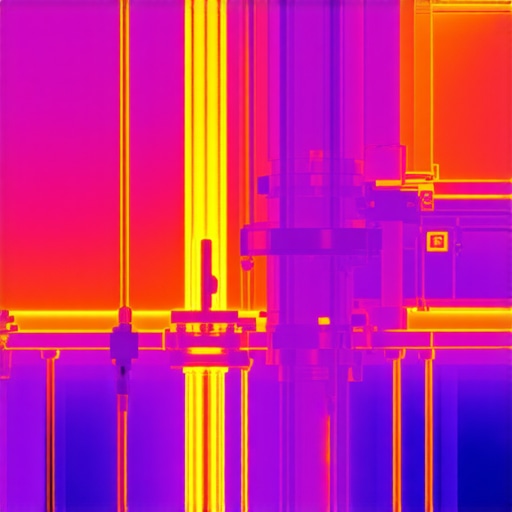
Thermal desorption technology has gained traction as a rapid, effective means to treat contaminated soil on-site. By applying controlled heat, volatile and semi-volatile contaminants are vaporized and captured, leaving behind cleaner soil that can be reused or safely disposed of. This method not only accelerates remediation but also minimizes the volume of hazardous waste requiring transport—crucial in remote or sensitive environments. Companies like ThermoTech Solutions have demonstrated that thermal desorption units can be integrated seamlessly with hydrovac systems, enabling continuous operation without extensive downtime. The key advantages include precise temperature control, energy efficiency, and adaptability to various contamination levels. As environmental regulations become more stringent, thermal desorption will continue to serve as a cornerstone technology for rapid, compliant soil remediation.
How does the integration of real-time thermal monitoring enhance process control and safety during in-situ thermal desorption?
Real-time thermal monitoring employs sensors and infrared imaging to track heating parameters continuously, ensuring uniform temperature distribution and preventing hotspots that could compromise containment. Maintaining optimal thermal zones minimizes the release of hazardous vapors and reduces energy consumption, making the process safer and more cost-effective. Advances in sensor technology, such as wireless thermal probes, allow field teams to visualize temperature profiles remotely, facilitating swift adjustments. For example, integrating such monitoring with automated control systems can preemptively shut down equipment if abnormal temperature deviations occur, safeguarding personnel and the environment. Adopting these innovations aligns with best practices outlined by industry bodies like the Techno-Environmental Society, emphasizing safety, efficiency, and environmental stewardship in soil remediation operations.
Revolutionizing Debris Handling with On-Site Soil Washing and Material Recovery
Implementing in-situ soil washing processes transforms traditional debris management by enabling the extraction of contaminants directly at the excavation site. This approach not only minimizes waste volumes destined for hazardous disposal but also permits potential material reuse, fostering sustainability. Techniques such as chemical leaching and particle separation leverage advanced fluid dynamics to isolate hazardous agents, significantly reducing environmental impact and enhancing operational efficiency.
The Power of Predictive Analytics in Anticipating Debris Composition Shifts
Harnessing predictive analytics enables operators to foresee variations in debris composition based on historical data and real-time monitoring. Machine learning algorithms, trained on extensive geotechnical datasets, can predict contaminant migration pathways and concentration fluctuations, empowering proactive debris handling strategies. This foresight minimizes the risks associated with cross-contamination and regulatory violations, solidifying the safety and compliance of complex excavation projects.
How Can Expertise in Layered Soil Stratigraphy Improve Cross-Contamination Prevention?
Thorough comprehension of soil stratigraphy allows for targeted excavation, reducing the likelihood of disturbing uncontaminated layers. By deploying geophysical surveys and ground-penetrating radar, operators can identify distinct soil horizons and contamination zones with precision. This stratigraphic awareness informs critical decisions about debris containment and disposal, thus significantly mitigating cross-contamination risks and safeguarding adjacent infrastructure.
Innovating Containment with Modular, Adaptive Barriers
Traditional static containment units often fall short in dynamic excavation environments. Incorporating modular, adaptive barriers—such as inflatable seals or retractable enclosures—provides flexible containment solutions that conform to irregular site geometries and changing conditions. These innovations reduce airborne hazards during debris transfer and enable rapid reconfiguration, thereby elevating safety standards and operational responsiveness.
Integrating Real-Time Contaminant Sampling with Automated Data Platforms
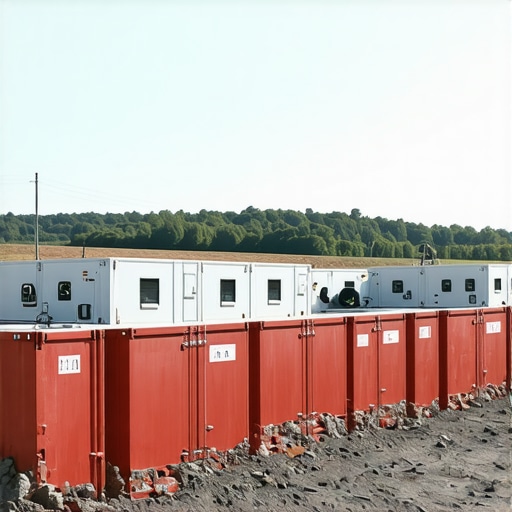
Advancements in sensor technology now allow for continuous, real-time sampling of excavated debris. When integrated with automated data platforms and cloud analytics, this real-time intelligence facilitates instantaneous assessment of contamination levels, informing immediate disposal or treatment decisions. Such integration minimizes human error, expedites compliance checks, and ensures that debris management maintains alignment with evolving regulatory frameworks.
Applying Molecular-Level Detection for Subsurface Hazard Mapping
Emerging techniques like molecular spectroscopy and nanopore sensing are pushing the frontiers of hazard detection. These methods enable the identification of specific contaminant molecules at trace levels directly within soil samples, providing unparalleled resolution of subsurface hazard distribution. Incorporating such high-precision detection methods into hydro-vac operations profoundly enhances the accuracy of contamination mapping, leading to more effective debris segregation and minimization strategies.
Early Adoption of Circular Economy Principles in Debris Treatment
Integrating circular economy concepts transforms debris from waste into resource streams. Techniques such as dehydration-assisted reuse, soil sterilization, and metal reclamation facilitate material recovery, reduce environmental footprints, and potentially generate additional revenue streams. Industry leaders who embrace these principles position themselves at the forefront of sustainable excavation practices, aligning operational goals with global environmental priorities.
What cutting-edge methods are redefining best practices in contaminated soil debris management for hydrovac projects?
Innovations like in-situ bioremediation enhancements, real-time contaminant analytics, and adaptive containment systems are fundamentally reshaping debris management. These advanced methods deliver heightened safety, regulatory compliance, and sustainability, setting new standards for industry excellence. Staying informed about these developments and integrating them into operational protocols can dramatically elevate project outcomes and environmental stewardship.
Engage with industry specialists, attend advanced training seminars, and participate in collaborative research initiatives to deepen your expertise. Sharing successes and challenges in implementing these sophisticated techniques fosters a collective drive toward safer, more sustainable excavation practices worldwide.
Key Insights for Advanced Debris Handling in Hydrovac Operations
Prioritize Integrated Soil Testing Techniques
Employing real-time soil analysis tools, such as portable analyzers and electromagnetic induction devices, allows operators to detect contamination boundaries accurately. This proactive approach minimizes cross-contamination risks and ensures compliance with evolving environmental standards.
Leverage Modular Containment Solutions for Flexibility
Utilize adaptive barriers like inflatable seals and retractable enclosures, which conform to irregular site geometries. Such innovations enhance safety during debris transfer and streamline operations amidst changing site conditions.
Implement On-Site Treatment Technologies
Adopting in-situ remediation methods like bioremediation and thermal desorption not only reduces disposal volumes but also accelerates site cleanup, aligning with sustainability goals and regulatory demands.
Embrace Digital Data Platforms for Predictive Management
Integrating sensor data with cloud-based analytics facilitates predictive modeling of contamination migration, enabling dynamic debris handling strategies that mitigate environmental impacts and optimize resource use.
Develop Adaptive Protocols for Unforeseen Challenges
Regularly updating risk assessments with soil sampling data and environmental conditions fosters resilience, allowing crews to respond effectively to unexpected contaminant spread or site-specific hazards.
Authoritative Resources to Advance Your Expertise
- EPA Hazardous Waste Management Regulations: Essential for understanding compliance thresholds and disposal standards, fostering environmentally responsible practices—EPA Regulations
- International Journal of Environmental Technologies: Provides cutting-edge research on innovative remediation approaches and debris treatment methods.
- Society of Environmental Engineers Publications: Offers guidelines on best practices, safety protocols, and technological advancements in soil excavation and debris handling.
Reflecting on the Future of Debris Management in Soil Excavation
Integrating expert-driven strategies with emerging technologies positions hydrovac professionals at the forefront of sustainable and safe contaminated soil excavation. Moving beyond traditional methods, embracing predictive analytics, on-site remediation, and adaptive containment elevates operational standards and environmental responsibility. Engage with industry forums and contribute to the collective evolution—your insights can shape the next generation of best practices in debris management. For in-depth knowledge, explore our comprehensive resources or connect with specialists committed to advancing excellence in this niche field.