Mastering Suction Efficiency in Heavy Slurry Conditions: An Expert Perspective
In the realm of advanced hydrovac technology, maintaining robust suction power amidst challenging slurry compositions is crucial for operational success. Heavy slurry, often laden with cohesive particles and high moisture content, poses significant obstacles that can diminish vacuum effectiveness, jeopardizing safety and project timelines.
What sophisticated techniques enable sustained suction during high-density slurry pull?
Field experience and academic research underscore the importance of integrating optimized vacuum system design with adaptive operational strategies. For instance, employing variable-frequency drive (VFD) systems allows precise control of the vacuum pump speed, accommodating fluctuations in slurry density and preventing pressure drops that compromise suction. Additionally, customizing the cyclone separators and filters ensures unobstructed airflow, which is vital when extracting viscous or particulate-rich materials.
Furthermore, pre-conditioning the slurry through controlled agitation or dilution can stabilize consistency, facilitating easier removal without overwhelming the vacuum system. Operators equipped with real-time monitoring tools—measuring parameters like pressure differential, airflow rate, and slurry viscosity—can proactively adjust settings, ensuring persistent suction performance even when pulling through challenging boreholes or soil strata.
Engineered Solutions That Combat Vacuum Losses in Heavy-Duty Applications
Implementing a comprehensive maintenance routine is equally vital. Routine inspection and timely replacement of filters and hoses prevent clogging and pressure loss, which are common when dealing with heavy slurry. High-quality, durable hoses with reinforced linings resist the abrasion caused by gritty or coarse materials, maintaining integrity during prolonged operations.
In the context of trenching, the relevance of advanced vacuum seal technologies cannot be overstated. Seals that adapt dynamically to pressure fluctuations sustain suction integrity, reducing downtime stemming from seal failures. As discussed in vacuum excavation safety practices, a focus on equipment sealing and integrity directly influences suction power, especially in the presence of heavy slurry.
The Role of Soil Composition and Material Characterization
Expert operators recognize that the diverse soil and subsurface material matrix significantly impacts slurry flow and vacuum efficiency. Boreholes in clay-rich or silt-heavy soils generate higher slurry densities, requiring tailored adaptations such as increased vacuum pressure or supplemental jetting to loosen material. Advanced soil testing and borehole drilling guides help identify these variables beforehand, enabling strategic adjustments.
Therefore, understanding the lithology and fluid dynamics within the borehole environment informs the selection and calibration of vacuum equipment, reducing the risk of suction loss or system overloads.
Balancing Power, Safety, and Environmental Impact
Expert practitioners emphasize the importance of harmonizing maximized suction power with safety protocols to prevent blowouts, slurry spillage, or environmental contamination. Using pressure relief valves calibrated to specific slurry loads ensures venting systems mitigate sudden pressure surges. Integrating spill containment measures and environmental controls aligns with best practices outlined by leading industry standards.
Ultimately, the nuanced management of vacuum systems in slurry-rich conditions demands both sophisticated equipment and deep field knowledge, underscoring the value of ongoing training and innovation in this specialized sector.
If you seek to advance your expertise or contribute insights on maintaining suction efficiency under complex conditions, explore our detailed expert guide to vacuum excavation safety or join a professional discussion forum.
Innovative Approaches for Soil Stabilization in Challenging Conditions
Achieving optimal soil stability is fundamental for the safety and accuracy of borehole drilling and hydrovac procedures. Traditional methods like sheet piling or chemical stabilization can be invasive and time-consuming. However, recent advancements have introduced innovative techniques, such as jet grouting and foam injection, that provide temporary yet effective stabilization, especially in loose or saturated soils. Understanding the soil’s lithology and dynamic behavior through comprehensive site assessments allows operators to select appropriate stabilization strategies—thereby reducing the risk of wall collapses and maintaining precise borehole trajectories.
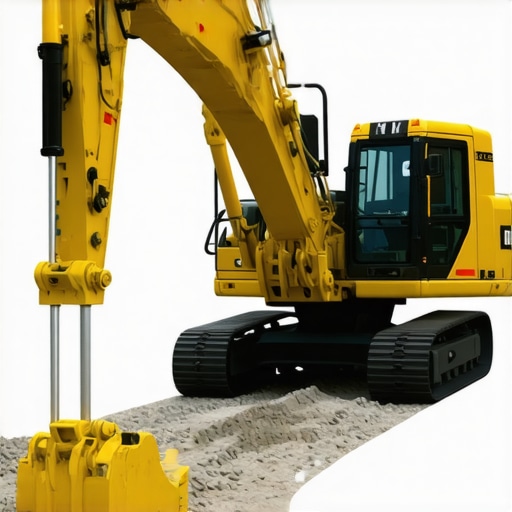
How can emerging soil stabilization technologies revolutionize underground construction safety?
Emerging innovations such as environmentally friendly nano-based stabilizers and real-time soil monitoring sensors are transforming site safety paradigms. These technologies afford on-the-fly adjustments to stabilization measures, significantly decreasing the chances of unintended ground movement or collapse. By employing advanced data analytics and machine learning, operators can predict soil behavior under different loading scenarios, enabling proactive adjustments that enhance both safety and project efficiency. These developments, as highlighted in recent industry reports, underscore the importance of integrating cutting-edge materials and digital tools into routine practices to mitigate risks associated with complex subsurface conditions ([source](https://hydrovacdrilling.com/urgent-need-for-smart-soil-stabilization-tech)).
If you’re interested in deepening your understanding of soil stabilization methods, explore our comprehensive guide on stabilizing excavation walls for diverse soil types.
Leveraging Data-Driven Decision Making for Precise Excavation
Incorporating data analytics into excavation workflows enhances both precision and safety. Pre-excavation soil analysis, coupled with real-time monitoring tools like ground-penetrating radar and laser scanning, allows practitioners to map subsurface anomalies, voids, or unstable zones with high accuracy. Such insights inform strategic planning—dictating bore path adjustments or the application of specific support measures—thus minimizing unforeseen issues and preventing costly delays.
Furthermore, integrating geographic information systems (GIS) and machine learning algorithms enables predictive modeling of soil behaviors under various stress conditions. These tools facilitate proactive decision-making, allowing operators to simulate potential failure scenarios and implement contingency plans accordingly. As the industry advances, the fusion of digital technologies with traditional excavation methods will continue to enhance safety margins and operational efficiency.
To stay ahead in this technological evolution, reviewing our detailed guide to innovative borehole drilling techniques can provide valuable insights into integrating technology into your projects.
Harnessing Smart Control Algorithms to Adapt to Variable Soil Dynamics
In the pursuit of consistent suction power amid unpredictable subsurface conditions, leveraging intelligent control algorithms becomes a game-changer. Adaptive systems equipped with machine learning models analyze real-time data—such as slurry rheology, pressure fluctuations, and flow rates—to automatically fine-tune vacuum parameters. This dynamic adjustment prevents system overloads and maintains optimal extraction performance. Researchers at the American Society of Mechanical Engineers have demonstrated that integrating predictive algorithms significantly enhances operational stability in heavy slurry contexts, especially in unpredictable geological formations.
How do real-time data analytics reshape decision-making in high-stakes excavation?
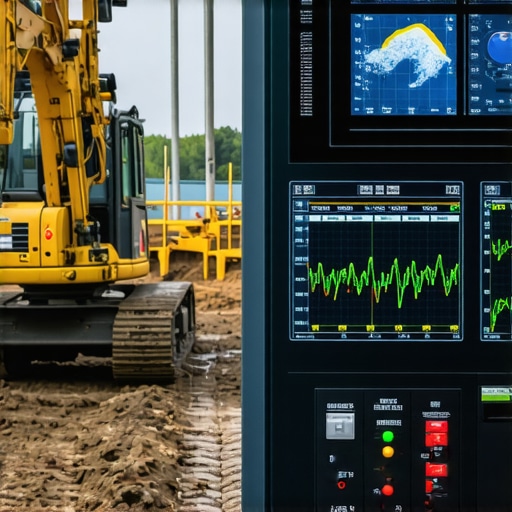
Data-driven insights enable operators to anticipate potential system failures or material blockages, triggering preemptive responses that avert costly downtime. For example, early detection of viscosity spikes allows for timely slurry conditioning adjustments, thus preserving vacuum integrity. Advanced visualization dashboards synthesize complex sensor inputs into actionable intelligence, empowering field teams to respond swiftly and effectively. Such technological synergy not only minimizes operational risks but also facilitates compliance with increasingly stringent safety standards outlined by organizations like OSHA.

The Critical Role of Material Consistency in Vacuum Efficiency
Achieving reliable vacuum performance hinges on understanding and controlling material variability. Variations in moisture content, particle size distribution, and soil cohesion directly influence slurry behavior and, consequently, vacuum efficacy. Deploying comprehensive material characterization tools—such as near-infrared spectroscopy or nuclear magnetic resonance (NMR)—equips operators with detailed compositional insights. This data informs the calibration of pump speeds, filter selection, and pressure settings tailored to specific material profiles, thus enhancing robustness across diverse operational environments.
What are cutting-edge methods for in-situ material assessment during active excavation?
Innovations like portable sensor arrays and machine vision analysis are advancing real-time material assessment. For instance, hyperspectral imaging can rapidly identify changes in soil composition, while ultrasonic sensors gauge particle density. Coupled with cloud-based analytics, these tools deliver immediate feedback, enabling precise adjustments to vacuum settings. Incorporating such technologies into standard procedures ensures that even the most variable subsurface conditions are effectively managed, reducing the likelihood of vacuum decline or system overloads.
As the industry moves forward, investing in adaptive material assessment systems will be vital in optimizing vacuum operations in complex geological terrains.
Refining Safety Protocols Through Hydraulic and Pneumatic Innovations
Safety in heavy slurry operations extends beyond system robustness to innovations in hydraulic and pneumatic controls. The development of fail-safe valves with redundant actuation mechanisms ensures immediate venting during pressure surges, preventing blowouts. Additionally, implementing smart pressure relief systems linked to real-time sensors allows for rapid response to abnormal conditions, safeguarding personnel and environment. Industry-standard references, such as the protocols outlined in the OSHA Venting Systems Guidelines, emphasize the importance of integrating these advanced controls into comprehensive safety frameworks.
Further, adopting modular sealing solutions that adapt dynamically to pressure variations enhances the long-term integrity of vacuum seals, reducing maintenance downtime. An emphasis on innovative safety components—testament to ongoing R&D efforts—underline a proactive approach to risk mitigation in complex excavation scenarios.
If advancing your safety protocols with cutting-edge hydraulic and pneumatic solutions interests you, explore our detailed comprehensive safety system guide for modern hydrovac operations.
Advanced Modulation of Vacuum Dynamics for Variable Subsurface Conditions
In high-stakes hydro-vac operations, dynamically tailoring vacuum parameters in response to fluctuating soil and slurry characteristics is paramount. Utilizing adaptive control systems empowered by real-time data analytics allows operators to modify pump speed, pressure settings, and airflow rates instantaneously, maintaining optimal suction even amidst unpredictable geological formations. Such systems harness machine learning algorithms to predict potential pressure drops, facilitating preemptive adjustments that preclude vacuum failures.
How can predictive analytics reshape vacuum management in geotechnically challenging contexts?
By integrating comprehensive sensor arrays and IoT devices, operators gain valuable foresight into subsurface variations, enabling anticipatory control over system parameters. This proactive approach minimizes downtime, enhances safety, and maximizes efficiency. Forces such as varying moisture content, particle size, and stratification layers can now be mitigated through tailored, data-driven responses, establishing a new paradigm in excavation precision.
For professionals committed to pushing the boundaries of hydraulic vacuum technology, adopting predictive analytics isn’t merely progressive—it’s essential. Explore further with industry-leading solutions that meld sensor technology, AI, and robust control algorithms to transform conventional practices into intelligent, adaptable systems.
Material Profiling and its Influence on Vacuum System Calibration
Accurate, in-situ material characterization profoundly influences the calibration of vacuum systems tailored to complex soil matrices. Employing non-invasive techniques such as acoustic emission analysis and advanced spectroscopic methods provides granular insight into soil composition, cohesion, and moisture profiles prior to and during excavation. This data-driven approach enables customization of vacuum pressure thresholds and filter configurations, reducing the risk of clogging, pressure loss, or equipment overloads.
What emerging technologies are elevating real-time material assessment for excavations?
Innovations like hyperspectral imaging combined with autonomous drone surveys are revolutionizing site diagnostics. These tools facilitate continuous, high-resolution mapping of subsurface variations, informing immediate adjustments to system settings. As the cost of portable spectrometers diminishes, integrating such technology into routine workflows will empower excavators to pre-emptively adapt to changing material conditions, optimizing operational resilience.
To stay at the forefront, industry professionals should embrace these emerging assessment techniques, ensuring their systems are precisely calibrated for each unique subterranean scenario. The synergy between material science and digital monitoring heralds a new era of efficiency and safety innovation.
Controlling Environmental and Safety Risks Through Intelligent System Design
Mitigating environmental impact and ensuring personnel safety in heavy slurry operations demand innovative control solutions. Deploying smart venting systems equipped with pressure sensors and fail-safe actuators allows for immediate response to pressure anomalies, preventing blowouts or slurry spills. Incorporating redundant safety pathways and adaptive sealing technologies ensures system integrity during extreme conditions, even in highly saturated or cohesive soils.
Are current safety systems sufficient against unpredictable geological surprises?
While many setups adhere to baseline standards, integrating AI-powered safety management platforms elevates risk mitigation. These platforms synthesize sensor data, predict potential failures, and automate safety responses faster than manual interventions. As regulatory bodies tighten standards, such proactive, intelligent safety architectures are becoming indispensable for responsible, compliant operations.
If safeguarding your excavation environment with next-generation safety mechanisms interests you, consider integrating these intelligent solutions into your operational protocols to stay compliant and secure.
Expert Insights & Advanced Considerations
Stay Ahead with Adaptive Vacuum Control Strategies
Leveraging real-time sensor data to dynamically adjust vacuum parameters can significantly enhance efficiency, especially in variable soil conditions, reducing downtime and optimizing power usage.
Prioritize Equipment Durability in Challenging Environments
Using reinforced hoses, high-quality seals, and consistent maintenance routines ensures system integrity against abrasive slurry and minimizes unexpected failures during critical operations.
Integrate Soil Characterization for Precise Planning
Employing portable geotechnical sensors and advanced imaging techniques allows for better anticipation of subsurface complexities, enabling tailored excavation approaches that mitigate risks.
Implement Environmental Safeguards Vigilantly
Incorporating smart venting systems and spill containment measures not only complies with regulations but also maintains site safety and reduces ecological impact.
Harness Digital Technologies for Decision Support
Adopting AI-driven analytics and GIS mapping enhances predictive capabilities, helping operators make informed choices that improve project outcomes and safety margins.
Curated Expert Resources
- Hydrovac Technology Science — Offers foundational understanding of vacuum systems, guiding advanced operational decisions (details here).
- Vacuum Excavation Safety Practices — Provides industry-standard protocols to ensure safety compliance and risk mitigation (explore more).
- Advanced Borehole Drilling Guide — In-depth resource on integrating soil testing and equipment calibration for complex terrains (learn more).
- Soil Stabilization Innovations — Focuses on emerging materials and techniques to safeguard excavation walls and improve safety (see details).
- Digital Monitoring Systems in Excavation — Discusses software solutions that enhance real-time decision making (more info).
Final Expert Perspective
In mastering the nuances of vacuum excavation, the integration of adaptive controls, durable equipment, and precise soil characterization remains paramount. These advanced insights not only push operational efficiency but also elevate safety standards across complex projects. Embracing innovative technologies and authoritative resources accelerates the journey toward excellence in this specialized field. For professionals committed to excellence, continuous learning and engagement with the latest developments are vital—consider contributing your insights or exploring further expert guidance to keep your skills at the forefront of the industry.
,