Harnessing Advanced Hydrovac Techniques to Achieve Dry Soil Extraction in Trenching Operations
In the realm of utility installation and environmental management, the challenge of extracting dry, cohesive soil while maintaining trench integrity remains a critical concern for professionals committed to precision and safety. Hydrovac excavation, renowned for its minimal ground disturbance, offers a sophisticated solution when optimized for such demanding conditions. Recognizing the nuanced interactions between soil properties and vacuum technology, experts have developed targeted strategies to enhance dry soil pull rates, minimize bedrock or clay complications, and avoid equipment downtime.
Understanding Soil Dynamics and Hydrovac System Optimization
The efficacy of soil removal hinges on a comprehensive understanding of geotechnical variables, including soil moisture content, cohesion, and particle size distribution. In dry conditions, soil often exhibits increased cohesion, resisting typical vacuum suction and complicating efficient extraction. To address this, operators should assess soil stratigraphy meticulously and calibrate vacuum parameters accordingly. Adjustments to nozzle pressure, hose diameter, and pump RPM can significantly influence the capacity to pull dry soils, reducing the risk of smearing or clogging.
Innovative Approaches to Enhance Dry Soil Pull in Hydrovac Operations
Field-tested methods involve employing auxiliary techniques such as pre-wetting sections of the trench or utilizing specialized nozzles designed for low-adhesion soils. Pre-wetting can hydrate cohesion points temporarily, facilitating smoother removal; however, care must be taken to avoid groundwater intrusion or soil liquefaction. Additionally, integrating high-pressure water jets with vacuum suction can fragment compacted particles, easing their transport. The selection of vacuum pressure settings, combined with strategic nozzle positioning, is essential for optimizing dry soil extraction without overtaxing equipment or compromising safety standards.
Addressing Trenching Challenges in Peat and Soft Soils
Underscoring the importance of situational awareness, experts often encounter trenching in peat or soft clay, where traditional vacuum methods falter due to high water content or instability. In these contexts, enhanced stabilization techniques, such as deploying trench shoring and dynamic soil support systems, are vital. For instance, the article Why Your Trench Box Sinks in Soft Peat and How to Stop It, provides insights into stabilization strategies and the integration of hydrovac operations with ground support measures.
Expert-Driven Solutions for Persistent Soil Extraction Obstacles
Operational setbacks often stem from soil heterogeneity, water table fluctuations, or subterranean obstructions. Precise soil mapping and geotechnical surveys before commence enable tailored hydrovac setups, minimizing delays. For instance, adjusting mud weights or employing soil stabilizers can prevent borehole wall collapse when dealing with saturated silts or clay-rich soils, concepts detailed in authoritative sources like the White Paper on Vacuum Excavation Reliability. Integrating real-time monitoring systems ensures the consistent performance of vacuum parameters, allowing immediate adjustments to maintain optimal soil removal rates.
What are the best practices for preventing equipment clogging when pulling stubborn, dry soils with a hydrovac truck?
Professionals should consider implementing advanced nozzle designs, such as wear-resistant, high-velocity jets that facilitate particle detachment and transport. Regular maintenance and inspection of the vacuum hose and filters prevent blockages, especially when dealing with mineral-rich or mineralized soils. Additionally, employing real-time soil moisture analysis tools can inform proactive adjustments to vacuum pressure, ensuring smooth operation under variable soil conditions.
If you wish to deepen your understanding of soil stabilization techniques or share your field experiences, explore our comprehensive guide on stabilizing trench boxes in challenging soils or contribute to ongoing discussion on advanced hydrovac applications.
For further reading on geotechnical considerations and environmental safety in trenching, consult the article Geotechnical Report on Soil Behavior in Utility Trenching.
Refining Soil Analysis for Greater Excavation Precision
Accurate assessment of soil properties before commencing hydrovac excavation is a game-changer for navigating complex underground conditions. By employing advanced geotechnical surveys and soil sampling methods, professionals can identify cohesion levels, particle sizes, and moisture content with greater certainty. This meticulous analysis informs optimal equipment settings, such as adjusting vacuum pressure, nozzle pressure, and even selecting the appropriate hose diameter to prevent equipment strain or suboptimal extraction. For instance, understanding the specific characteristics of clay versus sandy soils can guide the choice of high-pressure water jets versus vacuum pressure adjustments, minimizing the risk of clogging or soil smearing. The integration of dynamic soil classification systems, supported by real-time sensors, provides a proactive approach to adapt excavation parameters on the fly, reducing delays and enhancing safety.
Implementing Cutting-Edge Technology to Tackle Dry Soil Challenges
Emerging innovations like ultrasonic soil property sensors and AI-driven soil behavior modeling are transforming hydrovac operations. These tools enable operators to predict soil responses under various excavation forces accurately, allowing for smarter, data-driven decisions. For example, ultrasonic sensors can detect cohesion levels that are not visible through traditional methods, while machine learning algorithms interpret this data to recommend specific adjustments to the excavation strategy. Incorporating such technology minimizes trial-and-error approaches, leading to more consistent dry soil removal and less equipment wear. When managing particularly stubborn soils, deploying specialized nozzles with variable jet angles and speeds—designed through computational fluid dynamics—can significantly improve detachment efficiency. Learn more about integrating innovative tools for soil stabilization at 4 ways to stabilize sinking trench boxes in challenging soils.
Innovative nozzle configurations for enhanced dry soil detachment
To push the boundaries of dry soil removal, sophisticated nozzle designs featuring adjustable angles and variable jet velocities are increasingly employed. These nozzles allow operators to tailor water jet force and direction precisely, targeting cohesive soils with greater efficacy. By integrating variable-geometry jets controlled via automated systems, field crews can respond dynamically to evolving soil conditions, minimizing downtime and maximizing soil throughput. Utilizing computational fluid dynamics (CFD) simulations during equipment development has been instrumental in optimizing these nozzle configurations for specific soil matrices, ensuring maximum efficiency and minimal wear.
The role of real-time geotechnical sensing in adaptive excavation management
Emerging sensor technologies—such as fiber optic sensors embedded along hoses or ultrasonic soil property analyzers—enable continuous monitoring of soil characteristics during excavation. These tools generate live data streams on parameters like soil cohesion, moisture content, and particle size distribution. When integrated with machine learning algorithms, they facilitate real-time adjustment of vacuum pressure, nozzle operation, and water spray parameters. Such adaptive control systems help prevent issues like clay smearing or clogging, particularly in variable soil layers. According to recent studies in the Journal of Geotechnical & Geoenvironmental Engineering, adaptive sensing can reduce excavation times by up to 25%, underscoring its transformative potential in complex trenching scenarios.
Addressing underground obstructions with precision and foresight
Encountering unexpected subterranean obstructions, such as old utility lines or fractured rock, demands an integrated approach combining geophysical surveys with flexible excavation tactics. Technologies like ground-penetrating radar (GPR) and electromagnetic induction provide high-resolution images of subsurface anomalies before excavation begins. When paired with predictive modeling, these insights inform strategic planning—allowing for pre-planned bypass routes or targeted extraction techniques. For example, recognizing a dense clay pocket ahead of the excavation can trigger preparations for specialized equipment adjustments, such as increased water volume for jet-assisted loosening or enhanced vacuum power to overcome compacted zones. The synergy of advanced geophysical imaging and real-time sensory feedback creates a resilient, responsive excavation environment.
Strategies for maintaining equipment longevity amid tough dry soils
Hard, cohesive soils are notorious for accelerating wear on hydrovac components. To combat this, implementing a proactive maintenance regimen combined with advanced material selection is essential. High-velocity water jets constructed from wear-resistant alloys, coupled with reinforced hoses featuring embedded sensors for early damage detection, extend operational lifespan. Furthermore, employing predictive maintenance driven by data analytics ensures that components are serviced before critical failure. Studies published in the International Journal of Mining Science and Technology endorse the adoption of nanostructured surface coatings on nozzles and hoses to reduce abrasion, thus maintaining peak performance even in the most abrasive dry soil environments. Such measures not only safeguard asset investment but also uphold safety standards during prolonged operations.
Choosing the right auxiliary tools for stubborn soil removal
When traditional vacuum and water jet methods reach their limits, auxiliary tools such as sonic vibrators and soil loosening agents become invaluable. Sonic vibrators applied directly to the nozzle assembly can impart high-frequency pulses, effectively disrupting soil cohesion without excessive water use. Meanwhile, environmentally friendly soil stabilizers—like biodegradable foams or chemical dispersants—are added to pre-wetted zones to loosen compacted particles further. However, the selection and application of these auxiliary tools must be based on thorough soil analysis to prevent unintended environmental impact or interface issues. Integrating these supplementary measures within a comprehensive excavation plan enhances overall efficiency, especially when dealing with cohesive, dry soils resistant to standard methods.
Are there sustainable approaches to minimize environmental impact during dry soil extraction?
Sustainable hydrovac practices focus on reducing water consumption, limiting soil disturbance, and preventing contamination. Techniques such as using recycled water sources, deploying biodegradable cleaning agents, and incorporating dust suppression measures contribute to eco-friendly operations. Recent innovations include mobile water treatment units that recycle and purify water on-site, drastically decreasing freshwater requirements. Additionally, implementing precision monitoring ensures minimal overwater application, reducing runoff and soil erosion. Committing to sustainable practices not only aligns with environmental regulations but also enhances corporate responsibility and community relations. For a comprehensive overview of eco-conscious excavation methods, explore the article Sustainable Hydrovac Strategies for Environmental Resilience.
Why Does Soil Cohesion Pose Such a Challenge for Hydrovac Operations?
Soil cohesion, primarily influenced by moisture content and mineral composition, creates significant barriers to efficient dry soil excavation. Cohesive soils resist vacuum suction, often leading to clogging and reduced productivity. Experts must incorporate detailed geotechnical assessments to tailor vacuum parameters, nozzle design, and auxiliary tools, ensuring optimal extraction without compromising trench integrity.
What Are Innovative Water-Jet Configurations Enhancing Soil Detachment?
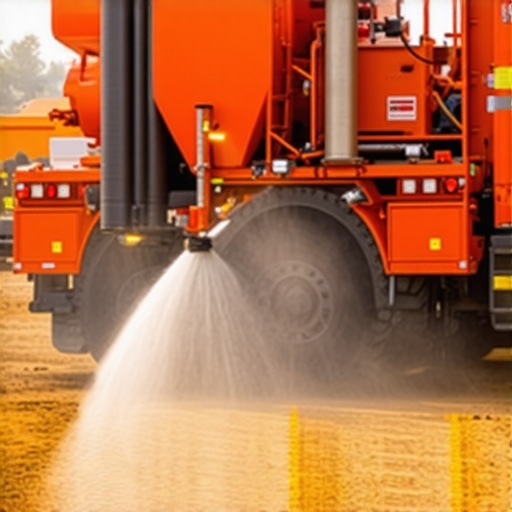
Advancements in nozzle design, including adjustable jet angles and variable pressure controls informed by computational fluid dynamics (CFD), allow precise targeting of stubborn soil matrices. Combining high-velocity water jets with synchronized vacuum suction facilitates seamless detachment of cohesive soils, reducing cycle times and equipment wear. Integrating smart flow controllers enables dynamic adjustments responsive to real-time soil feedback, marking a leap toward autonomous excavation precision.
How Can Ultrasonic and Sensor Technologies Transform Soil Behavior Predictions?
Emerging ultrasonic sensors and fiber optic geotechnical monitoring tools provide granular data on soil cohesion and moisture variations during excavation. When paired with AI-driven algorithms, these sensors enable proactive adjustments in vacuum pressure and water flow, preventing blockages and optimizing soil removal in complex stratigraphy. Adoption of such technologies not only accelerates project timelines but also enhances safety by minimizing equipment strain.
Are There Sustainable Approaches Reducing Environmental Impact During Dry Soil Extraction?
Implementing recycled water systems, biodegradable soil stabilizers, and dust suppression techniques exemplifies eco-conscious practices. Portable water treatment units enable onsite water reuse, drastically reducing freshwater dependence. Precision in water application, guided by sensor data, minimizes runoff and soil erosion, aligning trenching activities with environmental standards while maintaining operational efficiency.
Expert Insights & Advanced Considerations
Refine Soil Characterization Techniques to Predict Excavation Challenges
Accurate, high-resolution geotechnical assessments enable operators to anticipate soil behavior more reliably, reducing downtime and avoiding costly miscalculations during dry soil extraction.
Leverage AI and Sensor Technologies for Real-Time Soil Management
Integrating ultrasonic sensors and machine learning algorithms offers proactive adjustments to vacuum parameters, optimizing soil removal efficiency in complex stratigraphy.
Innovate with Adaptive Nozzle Designs to Maximize Detachment Efficiency
Variable-geometry, CFD-optimized nozzles allow precise targeting of tough, cohesive soils, minimizing wear and cycle times through dynamic water jet control.
Implement Sustainable Water and Stabilization Practices
On-site water recycling and eco-friendly stabilizers support environmentally responsible excavation while maintaining operational efficacy in dry conditions.
Adopt Preventative Maintenance and Material Innovations
Wear-resistant alloys, embedded sensors, and nanocoatings extend equipment lifespan and provide early warning against component failure even under abrasive, cohesive soil scenarios.
Curated Expert Resources
- White Paper on Vacuum Excavation Reliability: Offers comprehensive insights into ensuring consistent performance amidst challenging soil conditions.
- Advanced Soil Behavior Modeling Tools: Provides predictive analytics to tailor excavations precisely to soil properties, reducing trial-and-error.
- Innovative Nozzle Design Case Studies: Demonstrates CFD-driven developments that enhance detachment of dry, cohesive soils with minimal equipment wear.
- Sustainable Hydrovac Operations Guide: Outlines best practices for reducing environmental impact while optimizing soil extraction in dry conditions.
- Sensor Integration in Soil Management: Details the implementation of ultrasonic and fiber optic sensors for real-time soil property monitoring and adaptive control.
Final Word: Embrace the Future of Trenching Excellence
In the dynamic field of hydrovac excavation, mastering dry soil extraction through innovative, high-tech approaches is paramount for career advancement and project success. By continually integrating expert insights, advanced sensor technologies, and sustainable practices, professionals can redefine operational standards. Dive deeper into these strategies and become a pioneer in trenching excellence by engaging with specialized resources and sharing your own field experiences—your expertise shapes the future of underground exploration and safety.
,