5 Hydrovac Pressure Settings to Protect 2026 Aging Fiber
Maximizing Efficiency and Safety in Hydrovac Operations through Strategic Pressure Control
In contemporary underground excavation practices, hydrovac technology has emerged as an indispensable tool, especially when aiming to preserve existing utilities and fragile subsurface formations. The sophistication of pressure settings within hydrovac systems directly influences the quality of excavation, safety standards, and operational costs. As we approach 2026, understanding the nuanced interplay between pressure regulation and subsurface integrity offers a competitive edge for industry professionals.
The Critical Role of Hydraulic Pressure in Preventing Utility Damage
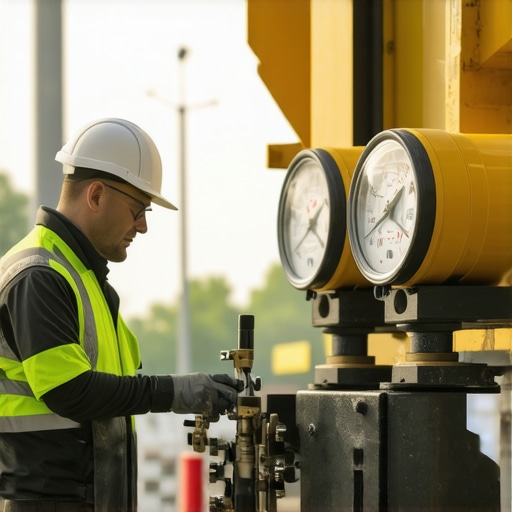
Hydrovac excavation operates fundamentally via a controlled high-pressure water jet combined with vacuum extraction. The pressure applied governs the size and precision of the excavation portal, impacting the risk of utility strikes, soil disturbance, and collapse. Fine-tuning pressure parameters—typically ranging from 1000 to 3000 psi—requires an expert grasp of soil composition, utility proximity, and project scope. Misjudging pressure can result in costly line damages or unstable trench walls, emphasizing the necessity for adaptive pressure management strategies.
How do variations in pressure settings mitigate the risk of fiber-optic line damage in urban environments?
Adjusting hydrovac pressure can significantly reduce the chance of damaging sensitive fiber-optic cables, which are often embedded closely to other utilities. Lower pressure levels, around 1500 psi, combined with precise nozzle control, minimize lateral soil movement and stress on the conduit, preserving fiber integrity. Advanced operators implement real-time soil feedback and pressure adjustments, emphasizing the importance of experience and sophisticated equipment in urban settings. For comprehensive guidance on protecting utilities with hydrovac, consult this detailed resource.
Balancing Pressure Settings with Soil and Utility Characteristics
Sophisticated excavation demands a tailored approach; for instance, cohesive clay soils respond differently to pressure than loose sandy deposits. High pressures are advantageous for hard soils but pose risks of utility disruption in soft terrains. Conversely, lower pressures favor delicate operations but may prolong excavation times. The integration of soil analysis, often via cone penetrometer testing, informs decision-making, allowing operators to select optimal pressure thresholds aligned with specific subsurface conditions.
Technological Advances Enable Greater Control over Pressure Dynamics
Emerging equipment innovations, such as intelligent pressure feedback systems and AI-driven nozzle control, facilitate dynamic adjustment during excavation. These tools analyze soil resistance, utility proximity, and environmental variables in real-time, modulating pressure settings to enhance safety and efficiency. The adoption of such technologies signifies a paradigm shift from static pressure parameters to adaptive, data-driven protocols, critical for the complex infrastructure projects slated for 2026 and beyond.
Operational Impacts of Pressure Optimization on Project Outcomes
Strategic pressure management reduces utility strike incidents, accelerates project timelines, and cuts operational costs. Moreover, it aligns with safety standards mandated by organizations like the Occupational Safety and Health Administration (OSHA) and industry best practices. Field case studies demonstrate that calibrated pressure settings enable minimal disturbance in sensitive areas, supporting sustainable urban development and infrastructure resilience.
How Can Industry Stakeholders Improve Pressure Protocols for Future Projects?
Adopting standardized testing procedures, investing in operator training, and integrating advanced pressure modulation technology are essential steps. Continuous monitoring and post-project analysis further refine pressure settings, fostering a learning environment that adapts to evolving soil conditions and utility layouts. Engaging with expert associations and accessing current white papers ensures clear understanding and compliance with emerging standards.
In summary, the mastery of pressure adjustment strategies within hydrovac excavation not only safeguards vital infrastructure but also propels operational efficiency. As subterranean work becomes increasingly complex by 2026, industry professionals must leverage technological innovations and soil analytics to refine pressure protocols. For additional insights into trench safety and utility protection, explore these safety measures.
Implementing Real-Time Pressure Monitoring for Optimal Subsurface Protection
Advancements in sensor technology have paved the way for real-time pressure monitoring systems that adapt dynamically to soil conditions during excavation. By integrating IoT-enabled pressure sensors with AI analytics, operators can receive instant feedback, enabling precise adjustments that minimize utility risks and soil disturbance. This proactive approach not only enhances safety but also streamlines operational workflows, reducing delays and unforeseen expenses. For insights into how these innovations are transforming traditional practices, review top strategies in hydrovac excavation technology.
Addressing Soil Variability: When Static Pressure Setting Falls Short
While static pressure guidelines serve as useful starting points, the heterogeneous nature of subsurface environments demands a more nuanced strategy. Variations in soil composition, moisture content, and nearby utility density require adaptive pressure management. Implementing geotechnical surveys prior to excavation allows for customized pressure parameters that reflect the unique challenges of each site. This approach not only reduces the likelihood of utility damage but also extends the lifespan of excavation equipment by preventing overexertion and undue stress.
Can standardized pressure protocols accommodate the complexities of urban underground landscapes in 2026?
This question challenges industry leaders to consider whether one-size-fits-all standards are sufficient in the face of increasingly dense and diverse underground utilities. A comprehensive solution involves developing flexible, site-specific protocols guided by soil analytics and AI-driven simulations. Such tailored standards promote safer operations across varying urban terrains, paving the way for more reliable utility mapping and reduced incident rates. For a deeper dive into implementing adaptive pressure controls, see this guide on borehole stability.
If you’re interested in learning how to integrate these cutting-edge pressure management techniques into your projects, consider participating in industry forums and training sessions dedicated to underground safety innovations. Collaboration and shared knowledge are key to advancing best practices in urban excavation.
Harnessing Variable Pressure Strategies for Unmatched Excavation Control
Modern hydrovac operations increasingly leverage dynamic pressure modulation to adapt to fluctuating subsurface conditions, especially in densely utility-populated urban terrains. The integration of sensor fusion and machine learning algorithms enables real-time adjustments, transforming static protocols into responsive systems that anticipate soil resistance and utility proximity. This proactive approach minimizes utility strikes and soil destabilization, underscoring a paradigm shift toward precision excavation. For practitioners seeking to refine their techniques, exploring industry-specific case studies reveals how intelligent pressure control reduces project risk profiles significantly.
Unpacking the Nuances of Soil-Utility Interaction under Variable Pressures
At the intersection of geotechnical engineering and operational hydraulics lies complex soil-utility interaction. When applying dynamic pressure adjustments, understanding how different soil matrices—permeable sands versus cohesive clays—respond to stress differentials becomes critical. For instance, softer soils may require oscillating pressures to prevent utility displacement, while harder substrates benefit from sustained higher pressure pulses for efficient excavation. Advanced soil characterization, such as shear-wave velocity testing, informs these pressure profiles, facilitating tailored strategies that safeguard utility lines without compromising efficiency.
What role does soil anisotropy play in designing pressure modulation protocols during hydrovac excavation?
Soil anisotropy—the directional variability in soil properties—can impact how stress propagates through subsurface layers under pressure. Recognizing anisotropic behavior allows operators to predict potential zones of utility disturbance, enabling preemptive pressure adjustments. Researchers emphasize that incorporating geophysical surveys like electrical resistivity tomography (ERT) enhances the spatial resolution of soil heterogeneity, leading to safer and more effective excavation strategies. For comprehensive guidance, consult recent publications from the International Journal of Geotechnical Engineering.
Innovations Paving the Way for Autonomous Hydrovac Systems
As automation permeates underground excavation, autonomous hydrovac units equipped with advanced pressure controls are emerging on the frontier. These systems utilize AI to interpret sensor data continuously, adjusting water pressure and vacuum parameters autonomously for optimal safety and productivity. The advantages are substantial: reduced human error, consistent adherence to safety protocols, and the ability to operate in hazardous or hard-to-access zones. Industry leaders are investing heavily in this technology, aiming to reduce response times and improve adaptability in unpredictable subsurface environments. To stay ahead, industry stakeholders should monitor developments published in industry-leading journals like the Autonomous Construction Technologies Review.
The Criticality of Post-Excavation Pressure Verification
Even with sophisticated real-time control, post-operation verification of pressure effects and utility integrity remains indispensable. Techniques such as electromagnetic utility detection and borehole inspection ensure that no unseen utility damage has occurred. Modal analysis using ground-penetrating radar (GPR) can visualize soil displacement patterns, providing insights into whether pressure regimes caused unintended subsidence or utility movement. Embedding these verification protocols into standard operating procedures not only enhances safety but supports a culture of continuous improvement—vital as urban infrastructure expands in complexity.
How can industry standards evolve to include real-time control data and post-excavation diagnostics?
This question pushes regulation toward embracing technological advancements. The consensus points toward developing comprehensive standards that mandate integrated data logging, safety thresholds based on sensor feedback, and mandatory post-excavation inspections. Such standards would necessitate collaboration among equipment manufacturers, geotechnical experts, and regulatory agencies. The ultimate goal: establish a universally accepted framework that ensures safety, efficiency, and accountability in the evolving landscape of hydrovac operations. For detailed proposals, industry professionals can consult emerging policy papers from the National Association of Utility Contractors.
Maintaining an active dialogue with technological innovators and participating in specialized training sessions will be crucial for practitioners aiming to harness these advancements effectively. As we continue to push the boundaries of underground excavation safety and precision, embracing a holistic view that combines adaptive pressure control, soil analytics, and post-excavation verification will define the leaders of tomorrow’s infrastructure projects.
Revolutionizing Deep Excavation Techniques with Advanced Pressure Control Systems
The evolution of hydrovac technology in urban infrastructure projects hinges on sophisticated pressure modulation capabilities. As subterranean utility networks become denser and more complex, traditional static pressure settings are insufficient to ensure safety and precision. Cutting-edge pressure control systems leverage real-time data analytics, integrating sensor feedback and AI-driven algorithms to dynamically adjust water and vacuum pressures, yielding unprecedented accuracy and risk mitigation. These innovations facilitate meticulous excavation, minimizing utility disruption and soil instability, and are poised to redefine standards by 2026.
Why does Soil Heterogeneity Demand Adaptive Pressure Strategies?
Subsurface environments rarely conform to uniform compositions, presenting a tapestry of cohesion, permeability, and compaction variances. Hard, rocky zones necessitate elevated pressures to breach obstacles effectively, while soft or saturated soils require gentle adjustments to prevent utility damage or soil collapse. Implementing pre-excavation geotechnical assessments, such as cone penetrometer and resistivity surveys, allows operators to tailor pressure regimes meticulously, aligning operational parameters with localized soil characteristics. This nuanced approach enhances excavation safety and efficiency, especially in complex urban landscapes where utility lines are interwoven with unpredictable soil layers.
< >
>
Incorporating adaptive pressure protocols based on soil variability reduces incident rates and promotes sustainable excavation practices. By embracing this meticulous level of site-specific planning, engineers can optimize resource use, extend equipment lifespan, and uphold stringent safety standards.
Can Implementing AI Elevate Underground Utility Preservation to New Heights?
Artificial intelligence integration into hydrovac systems marks a significant leap forward, enabling predictive analytics and autonomous pressure adjustments. Machine learning algorithms process multidimensional data streams—from soil resistance metrics to utility proximity sensors—anticipating structural responses and modifying pressures proactively. This proactive orchestration diminishes chances of utility strikes, soil settlement, and equipment overload. The shift towards intelligent systems underscores a future where human oversight is augmented rather than replaced, cultivating safer, faster, and more reliable excavation workflows.
To capitalize on these advances, industry stakeholders should consider investing in training that emphasizes AI system diagnostics, data interpretation, and emergency override procedures, ensuring maximum return on technological investment.
Reining in Urban Complexity Through Precision Pressure Modulation
Urban excavation sites often feature overlapping utilities, variable soil conditions, and strict regulatory requirements—creating an environment where precision becomes paramount. Advanced pressure modulation techniques, underpinned by geospatial mapping and real-time feedback loops, empower operators to maintain ideal pressure thresholds tailored for each subsurface situation. Such precision reduces utility disturbances, accelerates project timelines, and ensures compliance with evolving safety standards. This meticulous control is particularly crucial when working in protected zones or near sensitive infrastructure.
How do We Standardize Complex Pressure Protocols in an Ever-Changing Landscape?
As technology pushes boundaries, industry-wide standards must evolve to encapsulate dynamic pressure control methodologies. Developing adaptive, evidence-based protocols involves collaboration among equipment manufacturers, geotechnical experts, and regulatory bodies. Establishing benchmarks for sensor calibration, data reporting, and emergency response procedures ensures consistency and safety across projects. Regular cross-sector audits and knowledge-sharing platforms facilitate continuous refinement of standards, guiding practitioners through the intricacies of modern excavation challenges.
Active engagement with leading technical associations and participation in symposiums can accelerate this standardization process, fostering a unified approach to underground safety practices.
Driving the Future: The Promise of Autonomous Hydrovac Systems
Autonomous hydrovac units embody the confluence of robotics, AI, and precision engineering, heralding an era where excavation is conducted with minimal human intervention yet maximum safety. Equipped with sophisticated pressure sensors and decision-making algorithms, these systems adapt instantaneously to evolving site conditions, optimizing utility preservation and soil stability. Their deployment reduces human error, enhances site safety, and allows for extended operation in hazardous zones or limited-access environments. Industry pioneers are investing heavily in this technology, making it a focal point of future underground infrastructure projects.
Post-Excavation Verification: The Final Layer of Safety Assurance
Achieving optimal pressure settings is only part of the safety equation; confirming that no utility damage has occurred post-operation is equally critical. Techniques such as electromagnetic utility detection, ground-penetrating radar, and borehole inspections verify the integrity of utility lines and soil conditions after excavation. These diagnostic tools provide valuable feedback, enabling continuous improvement of pressure protocols and operational methods. Embedding rigorous post-excavation review processes ensures accountability, supports regulatory compliance, and promotes a culture of safety within the industry.
What Role Will Regulatory Frameworks Play in Shaping Next-Gen Pressure Management?
Progressive regulations that accommodate technological advancements are essential to standardize best practices and mitigate risks associated with dynamic pressure systems. Developing comprehensive standards that mandate real-time monitoring, data logging, and post-operation diagnostics will guide industry implementation and accountability. Collaborations between governmental agencies, industry associations, and technology providers can facilitate the establishment of clear, adaptable regulatory frameworks. These standards will serve as a cornerstone for a safer, more resilient underground construction industry, ultimately protecting public infrastructure and subterranean ecosystems alike.
Engaging with policy development processes, advocating for research-backed regulations, and participating in industry coalitions will position professionals at the forefront of this transformation. Embracing these evolving standards today ensures that future excavation endeavors are both innovative and impeccably safe.
In the rapidly evolving landscape of underground excavation, staying ahead requires a nuanced understanding of pressure dynamics and soil interactions. As we approach 2026, experts recognize that the most effective hydrovac strategies are those that embrace technological innovation and soil-specific adjustments, ensuring safety and efficiency soar hand in hand.
Optimize Pressure Through Precise Soil Characterization
Accurate soil analysis enables tailored pressure settings—harder soils demand higher pressures while soft, saturated soils benefit from gentle modulation. Techniques like cone penetrometer testing and resistivity surveys provide critical data, guiding pressure adjustments that safeguard utilities and prevent soil collapse. This targeted approach minimizes utility damage and extends equipment longevity, representing a leap forward for project reliability.
Embrace Real-Time Data for Adaptive Control
Integrating advanced sensors and AI-driven feedback systems transforms static pressure protocols into dynamic operations. Real-time soil resistance data empowers operators to fine-tune pressures instantly, responding to subsurface variability with agility. This adaptive control not only enhances safety but accelerates project timelines by reducing delays caused by utility strikes or soil instability.
Innovate with Autonomous Pressure Modulation
The advent of autonomous hydrovac units equipped with intelligent pressure regulation signifies a paradigm shift. These systems leverage machine learning algorithms to predict optimal pressure levels, adapting proactively to changing conditions. As automation becomes more accessible, its adoption promises to reduce human error, ensuring consistency and elevating safety standards across complex underground projects.
Prioritize Post-Operation Verification
Technologies such as ground-penetrating radar and electromagnetic utility detection are critical for confirming utility integrity after excavation. These diagnostic tools validate that pressure management strategies effectively protected underground assets, fostering a culture of continuous improvement. Embedding verification protocols into standard procedures enhances accountability and reinforces safety commitments.
Navigate Towards Standardized, Data-Driven Protocols
Industry standards must evolve to incorporate data-rich pressure control methodologies. Developing flexible, soil-adapted guidelines—supported by sensor data and AI analytics—will unify practices, reduce incident rates, and streamline regulatory compliance. Active engagement with industry consortia and standardization bodies accelerates this transition, ensuring protocols keep pace with technological advances.
To excel in future underground excavation, professionals should explore authoritative resources such as the definitive guide on safe subsurface work and participate in ongoing training on AI-driven control systems. Harnessing these insights translates into safer, more efficient, and economically sound operations, solidifying your leadership in the field as we move into 2026 and beyond.