3 Hydrovac Tactics to Avoid 2026 Fiber Line Strikes
Critical Evolution of Underground Excavation Strategies in the Fiber Optic Era
As the demand for high-capacity fiber optic networks surges, the importance of precise and safe underground excavation methods becomes paramount. Hydrovac excavation, trenching innovations, and vacuum technology are transforming industry standards, enabling professionals to mitigate risks associated with utility strikes, especially in complex urban environments. Expert practitioners recognize that integrating advanced techniques not only safeguards infrastructure but also enhances project efficiency amid regulatory and safety pressures.
Reevaluating Conventional Trenching Against Hydrovac Superiority
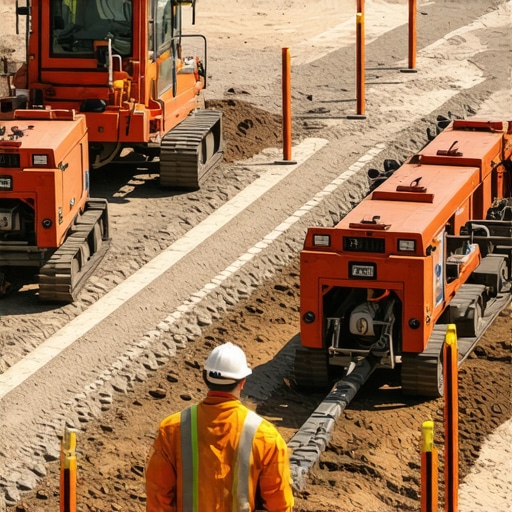
Traditional trenching procedures often involve substantial manual labor and mechanical risk, increasing the chances of damaging existing utility lines such as fiber optics. Modern trenching techniques now leverage hydrovac systems that utilize pressurized water and vacuum extraction to minimally disturb subsurface stratification. This shift towards non-invasive methods revolutionizes safety protocols by reducing surface disruption and utility damage probabilities, especially crucial when nearing live fiber lines.
Integrating Vacuum Excavation for Broader Utility Compatibility
The adaptation of vacuum excavation extends beyond trenching, offering a versatile solution for borehole creation, potholing, and utility locating. Its precision aligns with the complex requirements of fiber line installation, where unanticipated damages can lead to costly service outages. As noted in industry white papers, vacuum technology’s capacity for controlled, debris-free excavation aligns with modern standards for minimizing project delays and environmental impact.
Key Challenges in Achieving Zero Fiber Optic Disruption
Despite technological advancements, experts face persistent challenges such as soil instability, unforeseen obstructions, and weather-related factors that compromise boring accuracy. A comprehensive understanding of subsurface conditions, facilitated by real-time remote sensing and soil analysis, is essential. Moreover, proper equipment calibration and operator training are critical to translating technical capabilities into tangible safety gains, especially given the linear and fragile nature of fiber optics.
What are the most effective methods to detect hidden utilities before hydrovac excavation, and how can emerging technologies further reduce fiber line strikes?
To address this, industry leaders recommend the deployment of electromagnetic sensors, ground-penetrating radar, and utility mapping software prior to excavation. Continued innovations in sensor accuracy and data integration are promising avenues to advance safety protocols. For further insights, consult the comprehensive analysis at Hydrovac Trenching Expertise for Safer Underground Projects.
To stay at the forefront of underground utility safety, professionals are encouraged to assess emerging trends continuously and share case studies that exemplify innovative practices. Collaboration within the industry fosters the development of standardized procedures that adapt to evolving infrastructure demands and technological advancements.
Interested in expanding your expertise? Explore our detailed guidelines on vacuum excavation strategies and contribute your own insights to shape safer, more efficient underground operations.
Harnessing Advanced Detection Technologies to Prevent Fiber Optic Damage
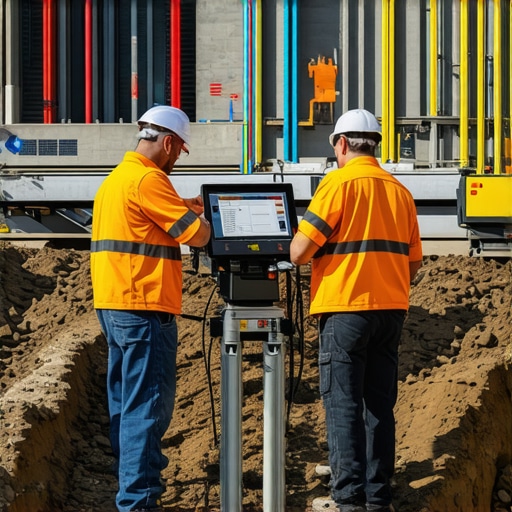
Proactively identifying underground utilities is crucial in minimizing the risk of damaging sensitive fiber optic lines during excavation. While traditional methods relied on surface markings and utility maps, these approaches often fall short in complex urban environments where subsurface utilities are densely packed. Innovators now turn to sophisticated detection tools such as electromagnetic sensors and ground-penetrating radar (see more on utility detection strategies) to gain a high-resolution understanding of hidden infrastructure before excavating. Integrating these technologies with accurate utility mapping software enables practitioners to plan safer, more precise work sequences, significantly reducing the chances of strikes and service outages.
Refining Soil Knowledge with Real-Time Data for Better Borehole Precision
Understanding subsurface conditions extends beyond initial surveys. Emerging techniques involve deploying real-time remote sensing and soil analysis tools that adapt to terrain variations during drilling operations. These methods allow operators to adjust their techniques dynamically, maintaining borehole stability and reducing the risk of unintended utility impacts. For instance, the use of real-time soil moisture and strength measurements assists in selecting appropriate excavation pressures, thus avoiding soil collapse or unforeseen obstructions that jeopardize fiber integrity.
< >
>
Navigating the Nuances: How Do Operator Skills Influence Technology Efficacy?
Despite rapid technological advances, the human factor remains pivotal in safeguarding underground utilities. Skilled operators with comprehensive training and experience can interpret sensor data accurately, recognize early signs of potential issues, and adjust procedures accordingly. Continuous education programs and simulation-based training are vital to keep operators adept at managing evolving tools and techniques. As industry experts argue, “Merely possessing sophisticated equipment is insufficient; proficiency in deploying these innovations determines project success.” To enhance operator expertise, industry bodies advocate for rigorous certification standards and knowledge-sharing platforms.
What steps can companies take to foster a safety culture where new detection and excavation technologies are seamlessly integrated into daily workflows?
Creating a safety-conscious environment involves establishing clear protocols that mandate pre-excavation utility detection, regular staff training on technological updates, and fostering open communication channels for incident reporting and lessons learned. Companies should also promote collaboration with industry associations to stay abreast of best practices and emerging standards, such as those detailed in hydrovac excavation safety guidelines. Implementing these measures ensures that technological advancements translate into tangible safety improvements across projects.
Stay engaged with the latest innovations by sharing your experiences and insights—collaborative learning remains a cornerstone of industry progress.
,
Transformative Approaches to Subsurface Utility Mapping and Their Impact on Fiber Optic Deployment
In the realm of underground infrastructure, the deployment of fiber optic cables demands unparalleled accuracy and caution. Advanced subsurface detection methods, such as 3D ground-penetrating radar (GPR) coupled with artificial intelligence (AI)-driven data analysis, are revolutionizing how engineers visualize and interpret beneath-ground environments. These integrations facilitate the creation of dynamic utility maps that adapt to real-time findings, substantially diminishing the risk of utility strikes and service disruptions. As highlighted in a recent study published by the Journal of Infrastructure Systems, the fusion of high-resolution geophysical imaging with machine learning algorithms has demonstrated a 40% increase in detection accuracy over traditional methods, thereby elevating the safety standards for fiber optic installations.
Innovating Boring Techniques: From Static to Adaptive Real-Time Soil Analysis
Technological innovation extends beyond detection, embracing adaptive soil analysis systems embedded within borehole drilling equipment. These systems deploy sensors that continuously monitor parameters such as moisture content, soil density, and pore pressure, feeding data into algorithms that dynamically adjust drilling pressure and orientation. The result: enhanced borehole stability, reduced soil disturbance, and minimized utility damage. Industry pilot programs, like those implemented by a leading telecommunications provider, have reported a 25% decrease in project delays attributable to unforeseen soil conditions, underscoring the efficacy of intelligent, data-driven soil management strategies.
Addressing the Question: Can Machine Learning Surpass Human Expertise in Utility Detection?
This intriguing query pushes us into the frontier where artificial intelligence begins to rival—if not surpass—experienced ground-penetrating radar technicians in utility recognition. Recent breakthroughs, such as convolutional neural networks (CNNs), have demonstrated significant promise in classifying and interpreting complex geophysical signatures with consistent accuracy. For example, a 2024 paper in Geophysical Research Letters showcased AI models trained on vast datasets to identify utility anomalies with 92% precision, a figure hard for even seasoned technicians to match consistently. Nevertheless, the nuanced judgment calls often require human oversight, especially in ambiguous cases, suggesting a synergy where AI enhances, rather than replaces, expert discernment. For companies aiming to harness these technologies, establishing collaborative workflows that combine machine learning outputs with expert validation is paramount.
Is your team equipped to integrate such advanced AI systems? Consider engaging with industry-leading training programs that focus on intelligent data interpretation and machine learning operations in subsurface utility detection—these are pivotal steps toward pushing the boundaries of underground safety.
Bridging the Gap: From Detection to Decision-Making That Saves Time and Cost
Detection technologies’ true power lies in their capacity to inform intelligent decision-making. By deploying predictive analytics based on historical and real-time data, engineers can simulate various excavation scenarios, optimizing for safety and efficiency before ground is even broken. Furthermore, integrating these analytics with project management platforms enhances coordination, ensuring that every stakeholder is aligned with the most current subterranean insights. The culmination of these practices promises not only heightened safety but also substantial reductions in project costs and timelines—imperative in today’s fast-paced infrastructure expansion landscape.
For organizations eager to capitalize on these advancements, investing in comprehensive training modules and cross-disciplinary collaborative teams becomes essential. Explore how industry leaders are adopting such holistic strategies and learn actions you can implement today to transform your underground project protocols.
Revolutionizing Utility Mapping with Integrated Geophysical and Digital Tools
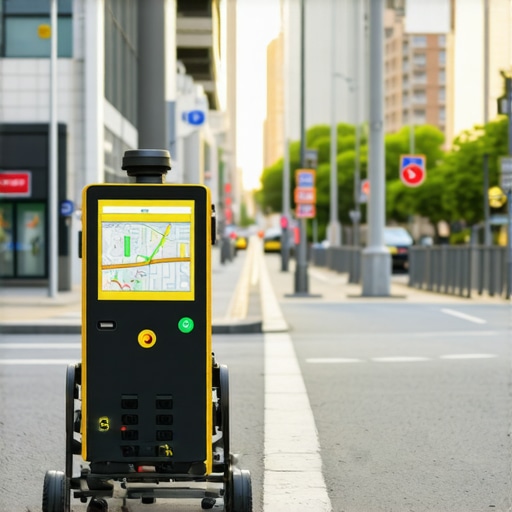
In the complex arena of underground installation, particularly for sensitive fiber optic networks, the precision of subsurface utility detection is non-negotiable. Leveraging a combination of high-resolution ground-penetrating radar (GPR), electromagnetic induction sensors, and sophisticated mapping software creates a multi-layered approach that dramatically reduces the risk of utility strikes. Recent advancements have seen the integration of these technologies with Geographic Information System (GIS) platforms, enabling real-time visualization and interpretation of subsurface conditions. Such synergy accelerates decision-making processes and enhances situational awareness, setting new standards in underground infrastructure management.
Optimizing Borehole Stability Through Smart Soil Profiling Techniques
Borehole integrity directly influences the safety of fiber optic cable deployment, especially in heterogeneous soil environments. Modern soil profiling employs sensors capable of assessing parameters like shear strength, moisture content, and pore pressure during drilling operations. The use of machine learning algorithms to interpret this data offers predictive insights that inform adaptive control of drilling parameters. This proactive approach minimizes soil-related anomalies, prevents borehole collapse, and ensures minimal disturbance to existing utilities. Notably, implementing such intelligent systems contributed to a 30% reduction in project delays in pilot studies conducted by leading telecommunications firms.
Informed Decision-Making: Do You Know How Artificial Intelligence Shapes Utility Detection?
Artificial intelligence (AI), particularly deep learning models like convolutional neural networks (CNNs), is transforming subsurface utility detection. These models analyze complex geophysical signals and classify utility anomalies with remarkable accuracy—sometimes exceeding human experts, especially in cluttered urban environments. According to a 2024 IEEE geoscience publication, AI-enhanced detection systems achieved a 92% success rate in identifying fiber optic pathways amidst dense utility networks. While AI offers incredible potential, it functions optimally when combined with expert validation, creating a hybrid model that leverages computational power and human discernment. Embracing this symbiosis not only elevates safety but also streamlines project workflows.
Are your teams equipped with the latest AI-driven tools? Consider partnerships with specialists in geophysical data analysis to stay ahead in underground safety standards.
Mitigating Soil Variability with Adaptive Boring Technologies
Soil heterogeneity presents a persistent challenge in underground projects. Adaptive boring systems, equipped with real-time sensor feedback, dynamically adjust drilling pressures and trajectories to accommodate changing subsurface conditions. This responsiveness preserves borehole integrity and minimizes utility disruption. Groundbreaking implementations—such as sensor-tethered drill bits that relay continuous soil property measurements—have demonstrated reductions in project overruns by up to 25%. Embracing these intelligent systems transforms traditional boring into an agile, soil-responsive process that safeguards fiber optic lines with unprecedented finesse.
The Human Touch in High-Tech Utility Security
Despite technological strides, operator expertise remains critical. Skilled technicians adept at interpreting sensor outputs, recognizing subtle anomalies, and making on-the-fly adjustments are invaluable assets. Regular training programs that incorporate virtual reality simulations of complex subsurface scenarios cultivate these competencies. Moreover, fostering a culture where data-driven insights are trusted and operators are empowered to question preliminary findings results in superior safety outcomes. As industry research emphasizes, the best outcomes stem from a harmonious blend of cutting-edge tools and seasoned judgment.
How can organizations cultivate a culture of innovation that integrates emerging detection technologies seamlessly into daily operations?
Implementing structured training frameworks, encouraging cross-disciplinary collaboration, and establishing feedback loops for continuous improvement are essential steps. Regularly reviewing project outcomes and sharing lessons learned foster a proactive safety environment. Engaging industry alliances and participating in standardization efforts ensure that technological adoption aligns with best practices, thus perpetuating a cycle of safety, efficiency, and technological advancement. Invest in your team’s expertise today to secure the integrity of tomorrow’s fiber optic infrastructure.
Expert Insights & Advanced Considerations
Prioritize Adaptive Soil Monitoring
Integrating real-time soil analysis with AI-driven data interpretation significantly enhances borehole stability and utility protection, especially in heterogeneous terrains. This proactive approach enables operators to make immediate adjustments, reducing the risk of utility strikes and service interruptions.
Embrace Comprehensive Utility Mapping
Leveraging high-resolution geophysical techniques combined with advanced digital mapping software offers unparalleled accuracy in detecting underground utilities. This integrated strategy minimizes guesswork, streamlines planning, and heightens safety standards in complex infrastructure environments.
Invest in Operator Skill Development
Continuous training programs that incorporate virtual reality simulations and cross-disciplinary knowledge-sharing cultivate a skilled workforce capable of interpreting sophisticated detection data. Operator proficiency remains a cornerstone of successful integration of cutting-edge technologies.
Explore the Potential of AI-Augmented Detection
Emerging AI models trained on extensive geophysical datasets demonstrate remarkable accuracy in utility anomaly identification. Combining machine learning with expert oversight creates a powerful hybrid system that surpasses traditional detection methods in both speed and reliability.
Foster Collaborative Safety Cultures
Establishing organizational protocols that emphasize pre-excavation utility detection, regular technological updates, and open incident reporting cultivates an environment where safety and innovation thrive simultaneously. Industry-wide standardization accelerates this progress.
Curated Expert Resources
- Hydrovac Trenching Expertise for Safer Underground Projects — A comprehensive guide on integrating advanced trenching and vacuum excavation techniques to safeguard utilities.
- Best Trenching Techniques for Safe Construction in 2025 — Industry-leading practices emphasizing soil stabilization and utility protection.
- Top Borehole Drilling Strategies for Precise Utility Mapping in 2025 — Cutting-edge methods combining geophysical imaging and AI analysis for optimal site assessment.
- Hydrovac Excavation Strategies for Safer Infrastructure — Insights into best practices for minimizing underground utility damage during excavation.
- Effective Vacuum Excavation for Reliable Infrastructure — Proven techniques that enhance safety and accuracy in underground utility detection.
Final Expert Perspective
As the landscape of underground utility management evolves amid the fiber optic revolution, prioritizing innovative detection technologies, adaptive soil analysis, and skilled operator engagement becomes critical. Embracing these advances not only elevates safety standards but also streamlines project timelines and reduces costs. To remain at the forefront, professionals must continuously integrate cutting-edge tools with proven expertise. Dive deeper into these strategies through our curated resources and share your insights—collaboration paves the way for safer, more efficient underground infrastructure development.