Vacuum Excavation and Hydrovac Techniques for Safer Underground Work
Redefining Subsurface Excavation: The Role of Advanced Methods in Modern Infrastructure Development
In the realm of underground construction, the integration of sophisticated techniques such as hydrovac and trenchless excavation has revolutionized safety protocols and operational precision. Understanding the nuanced applications of borehole drilling, trenching, and vacuum excavation is essential for professionals aiming to mitigate risks and optimize project outcomes in complex urban environments.
Leveraging Hydrovac Technology for Precision Utility Detection
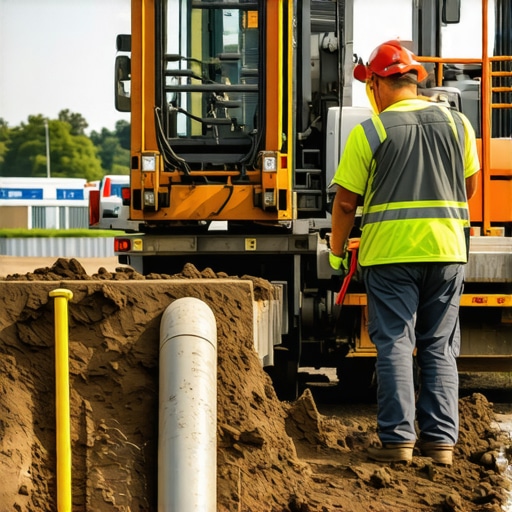
The adoption of hydrovac vacuum excavation has shifted precedent by enabling precise subsurface material removal without disturbing existing underground utilities. Its pressure-controlled water jet combined with vacuum suction minimizes the risk of utility strikes and improves site safety—a crucial advancement given the increasing density of subterranean infrastructure.
Trenching Advances: From Traditional to Streamlined Solutions
Traditional trenching methods are evolving with the implementation of streamlined vacuum excavation approaches, which enhance workload efficiency and safety. These innovations facilitate faster project timelines while significantly reducing the exposure to potential accidents caused by manual shoveling or mechanical trenching risks.
The Strategic Significance of Borehole and Surface Penetration Techniques
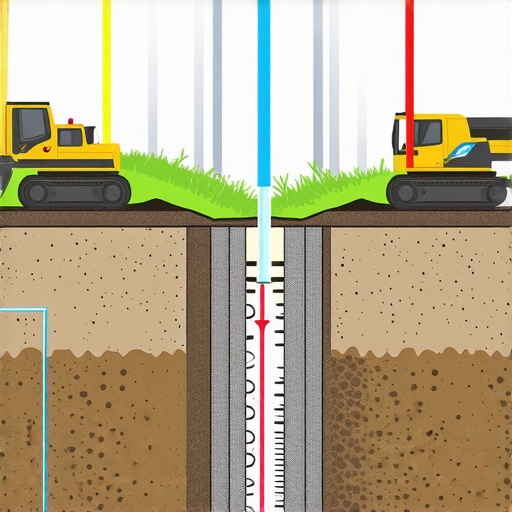
Borehole drilling remains a cornerstone in utility mapping and geological assessment, with methods such as rotary drilling and sonic drilling offering tailored solutions for varied soil conditions. Coupled with top-tier borehole hydrovac techniques, these processes ensure the accuracy and reliability necessary for complex underground infrastructure projects.
Optimizing Safety through Integrated Methodologies: A Comparative Perspective
Emerging debate in the field centers around the optimal combination of trenchless techniques and hydrovac applications to bolster reliability. While traditional trenching provides direct access, the integration with hydro-vac operations can dramatically increase precision, particularly in congested or environmentally sensitive sites. This synergy underscores the importance of selecting appropriate methods aligned with project-specific constraints, soil conditions, and risk profile.
What are the critical considerations when selecting between borehole drilling and trenchless excavation in urban environments?
Choosing the appropriate excavation method necessitates evaluating soil stability, utility density, environmental impact, and project urgency. Experts recommend conducting comprehensive site assessments and leveraging advanced geotechnical data to inform decision-making. For a detailed comparison, review this authoritative guide on utility mapping strategies.
For those interested in pushing the boundaries of underground work safety and efficiency, exploring our advanced content on vacuum excavation innovations and trenchless technologies can provide strategic insights. Engage with industry peers or share your experience to foster a community dedicated to safer, smarter underground operations.
Mastering the Art of Subsurface Planning for Complex Sites
Effective underground construction begins long before excavation begins. Integrating precise utility detection methods with innovative borehole techniques ensures minimal disruption and optimal safety. For example, employing cutting-edge borehole drilling strategies allows engineers to gather detailed geological data, reducing unforeseen challenges and cutting project costs.
Adopting Trenchless Techniques for Urban Resilience
Urban environments demand solutions that are not only efficient but also minimally invasive. Trenchless technology, such as horizontal directional drilling combined with hydrovac support, exemplifies this approach. These methods facilitate utility installation and repairs without extensive surface disruption, a benefit increasingly vital in densely populated areas. For insights on how these techniques can enhance project safety and efficiency, visit this comprehensive resource.
Ensuring Reliability through Data-Driven Method Selection
The decision matrix for choosing between traditional trenching and advanced trenchless methods relies heavily on geotechnical data. Implementing robust data collection and analysis frameworks can dramatically improve project planning. This is especially true when considering soil variability, environmental restrictions, and utility complexity. Leveraging data-driven insights leads to better predictability and reduced risk, making your underground projects more resilient.
Could hybrid approaches revolutionize underground construction safety and precision?
Combining methods such as hydrovac excavation with strategic borehole drilling can create a hybrid workflow that optimizes safety and accuracy. This synergy allows for tailored solutions that adapt dynamically to site-specific conditions, minimizing risks associated with utility strikes and unstable ground. Industry leaders increasingly endorse this integrated approach—see their expert analysis for detailed frameworks.
As technology advances, staying informed about emerging techniques becomes essential. Sharing your experiences with integrated excavation strategies can foster a community committed to safer, smarter underground development. Consider commenting below or exploring our in-depth guides to elevate your project outcomes and industry standards.
Harnessing AI and Data Analytics for Utility Detection Accuracy
As urban landscapes become increasingly complex, integrating artificial intelligence (AI) and big data analytics has revolutionized underground utility management. By utilizing machine learning algorithms trained on vast datasets, engineers can predict utility locations with unprecedented precision, reducing the risks associated with manual detection methods. This convergence of technology not only accelerates project timelines but also minimizes costly errors that could compromise safety or cause delays.
Can advanced predictive models outperform traditional utility mapping techniques?
Research indicates that AI-driven predictive models can analyze historical utility data, soil conditions, and construction patterns to generate highly accurate utility maps. For instance, a 2022 study published in the Journal of Construction Engineering and Management demonstrated that machine learning approaches outperformed conventional electromagnetic detection by up to 35% in accuracy, especially in congested urban areas.1 Incorporating such data-driven insights into planning workflows enhances decision-making and strategic resource allocation.
To explore this frontier further, practitioners are encouraged to collaborate with data scientists and invest in digital twin technologies, which create dynamic virtual replicas of underground environments for simulation and analysis.
Deciphering the Intricacies of Soil Behavior in Advanced Utility Exploration
Understanding the complex interactions between soil properties and excavation methods is paramount for optimizing efficiency and safety. Particularly in heterogeneous urban environments, the application of geotechnical analysis combined with real-time monitoring allows engineers to adapt strategies dynamically, reducing risks of ground collapses or utility damage.
Could Modular Vacuum Excavation Systems Elevate Project Flexibility?
Emerging modular designs in vacuum excavation equipment offer unprecedented adaptability for varied site conditions. These systems enable quick reconfiguration, allowing for tailored pressure and suction parameters, which are instrumental when dealing with sensitive underground utilities or fragile geological layers. Such flexibility minimizes excavation footprint and supports iterative project phases seamlessly.

The Role of Multi-Modal Data Integration in Precision Utility Mapping
The future of underground operations hinges on integrating diverse data streams—from electromagnetic surveys, ground-penetrating radar, to spatial sensors—into cohesive models. This holistic approach affords unprecedented accuracy, enabling preemptive problem detection and more strategic resource allocation. Implementing machine learning algorithms on combined datasets further enhances predictive capabilities, leading to smarter planning and execution.
How to Balance Cost-Efficiency with Regulatory Compliance in Urban Excavations
Navigating the labyrinth of local regulations and environmental standards demands a nuanced approach. Cost-effective solutions such as trenchless technology and predictive analytics must be judiciously aligned with compliance mandates to avoid penalties and project delays. Building early collaborations with regulatory bodies and engaging in continuous environmental impact assessments ensure that innovative techniques remain within legal bounds while delivering optimal results.
What Are the Latest Breakthroughs in Non-Invasive Geotechnical Characterization?
Recent advances include the development of sonic and acoustic tomography, allowing detailed subsurface imaging without intrusive methods. These technologies deliver high-resolution data crucial for planning complex underground installations, especially in urban cores where disturbance minimization is priority. Leveraging these breakthroughs facilitates informed decision-making, reducing uncertainties inherent in subterranean work.
Engaging with cutting-edge research and adopting a proactive stance on integrating innovative technologies can markedly enhance the safety, efficiency, and sustainability of underground construction endeavors. For senior engineers and project managers, staying abreast of these developments is not just advantageous—it’s imperative for maintaining industry leadership.
,
Expert Insights for Cutting-Edge Underground Construction
Prioritize Data-Driven Decision Making
Leveraging comprehensive geotechnical data and real-time monitoring enhances safety and optimizes resource allocation, reducing unforeseen obstacles and project delays in complex underground environments.
Integrate Hybrid Techniques for Superior Safety
Combining trenchless methods like horizontal directional drilling with advanced hydrovac support creates a versatile workflow that minimizes surface disruption while maximizing precision and safety in utility installation or repair projects.
Embrace Modular Equipment for Adaptability
Utilizing flexible vacuum excavation systems allows rapid reconfiguration to suit diverse soil conditions and project phases, fostering efficiency and reducing operational risks across varied site scenarios.
Utilize AI for Precise Utility Mapping
Implementing machine learning algorithms trained on extensive datasets enables highly accurate utility detection, significantly lowering the incidence of utility strikes and improving planning accuracy in densely built urban landscapes.
Evaluate Cost and Compliance Synergies Carefully
Balancing innovative trenchless strategies with regulatory requirements demands meticulous planning, early stakeholder engagement, and ongoing environmental assessments to ensure projects remain compliant and economically feasible.