Elevating Trenching Precision: The Role of Advanced Vacuum Excavation Technologies
In the realm of modern excavation, the integration of vacuum excavation and hydrovac methods revolutionizes site preparation, offering safer, more accurate alternatives to traditional trenching. By leveraging these innovations, professionals can significantly reduce risks associated with underground utilities and soil disturbance, leading to enhanced project efficiency and environmental stewardship.
Deciphering Soil Dynamics for Optimal Borehole and Trench Design
Understanding soil behavior is paramount when deploying trenching systems that utilize hydro-vac technology. Factors such as soil composition, moisture content, and root penetration impact the effectiveness of vacuum-based excavation methods. Advanced geotechnical analysis enables engineers to anticipate challenges and tailor trenching strategies that minimize soil collapse and utility strikes.
The Engineering Behind Hydro-Vac Trenching and its Advantages
Hydrovac excavation employs high-pressure water and vacuum suction to expose underground utilities with pinpoint accuracy. This technique circumvents the common pitfalls of mechanical trenching, such as soil blowouts or damage to existing infrastructure. Moreover, its precision results in less surface disruption, making it ideal for sensitive urban environments where contamination and surface stability are critical concerns. For a comprehensive comparison of traditional vs. vacuum-assisted trenching, consult the detailed analysis available at this resource.
Strategic Considerations in Borehole and Utility Line Installation
When installing boreholes in challenging substrates like dense clay or granular soils, the compatibility of vacuum excavation techniques with drill bits and ancillary equipment becomes pivotal. Embracing innovations such as adaptive jetting systems and real-time soil monitoring enhances borehole stability and precision. Understanding these tools’ capabilities helps prevent common issues like bit deflection or borehole collapse, thereby ensuring structural integrity and project longevity.
How Can Operators Mitigate Root Encroachment During Trenching Without Causing Soil Disruption?
Addressing dense tree root systems during trenching poses a significant challenge. Experts advise employing root-specific hydrovac techniques combined with strategic pre-treatment of soil zones to loosen roots before excavation. Utilizing high-pressure water jets capable of selectively severing roots while preserving surrounding soil stability minimizes environmental impact and maintains trench integrity. For case studies on this approach, explore this analysis.
To advance your expertise in vacuum excavation applications, consider engaging with professional forums or contributing insights based on current field experiences. Continuous learning and adaptation remain vital in this evolving industry.
For expert guidance and tailored solutions, contact our specialists through our contact portal.
Why Hybrid Approaches Elevate Trenching Efficiency to New Heights
Integrating traditional mechanical methods with modern hydrovac technology can unlock unprecedented levels of precision and safety in trenching projects. Hybrid systems allow operators to adapt to complex soil conditions dynamically, leveraging the strength of mechanical tools for bulk excavation and the finesse of vacuum excavation for delicate areas near utilities or environmentally sensitive zones. This strategic synergy reduces overall project timelines and minimizes soil disturbance, aligning with sustainable excavation practices. To see how these combined methods revolutionize site prep, read about the latest innovations in trenching-ready technology that marries these approaches seamlessly.
What Soil Traits Determine the Success of Advanced Vacuum Excavation?
Soil characteristics such as cohesion, grain size, and moisture content directly influence the performance of vacuum excavation tools. Cohesive clay soils, for instance, can pose challenges due to their stickiness, leading to slower excavation and potential equipment clogging. Alternatively, loose sandy soils may cause collapse risks but allow for quicker removal. Incorporating real-time soil analysis sensors and adaptive jetting systems empowers operators to tailor their approach dynamically, ensuring stability and efficiency. Emerging innovations in soil testing and precision jetting are pivotal to overcoming these challenges.
Is Soil Compaction the Silent Threat to Trench Stability?
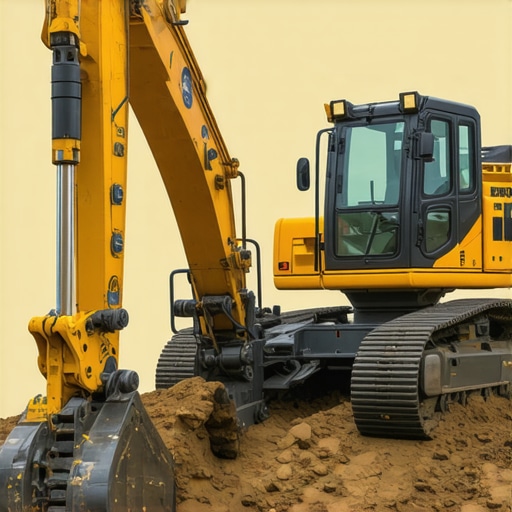
While often overlooked, soil compaction significantly influences trench integrity and safety. Overly compacted soils resist excavation yet increase the likelihood of wall collapses during backfilling, especially after heavy rains or seismic activity. Employing advanced compaction monitoring tools and adjusting trenching techniques accordingly can prevent future stability issues. For practical guidance, exploring this expert resource offers actionable insights to optimize your site conditions.
Engaging with industry-specific forums or technical briefings fosters ongoing learning—keeping your skillset aligned with evolving best practices in vacuum excavation and trench safety.
For personalized strategies on collaborative solutions, connect with our team through our contact portal.
,
Optimizing Utility Placement Through Multilayered Soil Analysis
Precision in utility line installation depends heavily on a comprehensive understanding of subsurface conditions. Advanced geotechnical instruments now enable field teams to map soil heterogeneity at subsentimeter levels, revealing zones of weakness or anomalies that could compromise trench stability. Implementing machine learning algorithms trained on historical soil data enhances predictive accuracy, allowing operators to adapt trenching parameters proactively. This foresight minimizes utility damage and accelerates project timelines, ensuring that each trench bore aligns with the site’s complex geodynamic profile. For industry leaders seeking a competitive edge, integrating such analytical tools is no longer optional but essential for sustainable infrastructure growth.
Innovative Approaches to Managing Soil Moisture During Hydrovac Excavation
Moisture content remains one of the most challenging factors affecting vacuum excavation efficiency. Excessively wet soils lead to fluid entrapment and surface slumping, while overly dry soils tend to produce dust, risking health and environmental standards. Cutting-edge solutions include adjustable jetting systems that modulate water pressure based on real-time moisture readings, enhancing soil loosening without over-saturation. Additionally, deploying environmentally friendly desiccants in the excavation zone can stabilize moisture levels, preserving soil structure for subsequent backfilling. Mastering this delicate balance significantly reduces surface remediation costs and the risk of utility line exposure inaccuracies.
Does soil stabilization technology hold the key to reliable trenching in unstable substrates?
Emerging soil stabilization techniques, such as bio-based binders and nanoclay infusions, have shown promising results in fortifying problematic soils. According to a recent study in the Journal of Geotechnical Engineering, nanoclay particles can significantly improve shear strength in slack soils, minimizing subsidence risks. When combined with vacuum excavation, these stabilization methods provide a dual safeguard—reducing soil collapse and enhancing utility line longevity. Further research suggests that pre-treatment with such agents can transform previously untractable sites into viable zones for trenching, opening new avenues for urban development and infrastructure upgrades. Consider integrating these innovations into your planning to elevate your project resilience.

Evaluating the Environmental Footprint of Trenching Operations: Beyond Soil Disruption
Environmental considerations extend beyond just preserving soil integrity. The carbon footprint of extensive trenching projects involves fuel consumption for machinery, emissions from water use, and the potential for contaminant migration. Sophisticated computational models now simulate ecological impacts, accounting for variables such as local flora and underground aquifer interactions. Implementing green trenching practices—like utilizing electric-powered equipment, recycling excavated material, or employing biodegradable water additives—drastically reduces environmental impact. Incorporating these sustainable tactics not only aligns with regulatory standards but also positions companies as industry leaders committed to responsible infrastructure development.
Are you ready to redefine your trenching strategy by integrating eco-conscious practices? Engage with sustainability-focused consultants today to uncover customized solutions tailored to complex site requirements.
Unlocking Soil Secrets: How Deep Geotechnical Analytics Transform Trenching Accuracy
In nuanced excavation projects, deploying state-of-the-art geotechnical sensors and machine learning algorithms has become essential for interpreting subterranean heterogeneity with high fidelity. These advanced tools facilitate real-time soil profile mapping, revealing anomalies such as moisture pockets or soil stratification layers that influence trench stability and utility alignment.
Seamless integration of these insights into trenching plans reduces the risk of utility strikes and soil collapses, especially in complex urban environments. Such technological synergy epitomizes precision engineering—ensuring that each excavation is optimized for safety and longevity.
Why Are Soil Moisture Profiles Critical for Vacuum Excavation Success?
Variations in subsurface moisture dramatically impact vacuum excavation efficacy, influencing water pressure controls, soil cohesion, and dust mitigation strategies. Excessively wet soils may cause fluid entrapment, leading to surface slumping, while dry soils generate airborne particulates that pose health risks. Adaptive jetting systems equipped with moisture sensors dynamically modulate water flow, maintaining an optimum moisture balance for each unique condition.
Incorporating desiccants and moisture-tracking drones enhances precision further, enabling preemptive measures that preserve trench integrity and environmental standards. Recognizing these critical parameters allows operators to tailor their approaches for maximum safety and efficiency.
How Does Soil Stabilization Revolutionize Unstable Substrate Trenching?
Recent breakthroughs in nanoclay and bio-based binders have enabled unprecedented soil stabilization capabilities, particularly in slack or loose substrates. Nanoclay suspensions, when applied prior to excavation, bolster shear strength and reduce deformation risks, effectively transforming hazardous zones into reliable trench sites.
These innovations, supported by peer-reviewed studies like in the Journal of Geotechnical Innovation, empower operators to preempt failures proactively. Combining stabilization techniques with hydrovac methods ensures that even the most challenging soils can be excavated safely and precisely, expanding possibilities for infrastructure development in previously untenable locations.
Can Real-Time Soil Feedback Systems Prevent Disastrous Collapse Events?
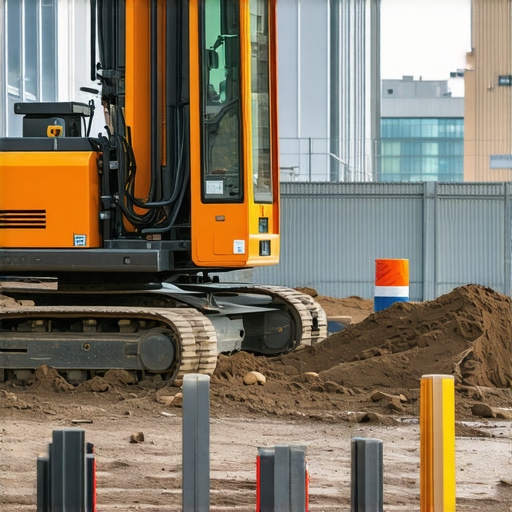
In high-stakes excavations, instantaneous soil response monitoring—leveraging embedded sensors and AI-driven analytics—can provide early warnings of instability. These systems analyze parameters such as shear strength, pore pressure, and soil deformation, alerting operators to potential collapse risks before they materialize.
Adopting such proactive measures allows for adaptive trenching strategies, including controlled water jets and mechanical adjustments, minimizing the likelihood of catastrophic failures. Investing in these sophisticated feedback loops exemplifies the future-proofing of trenching operations.
Is Scenario-Based Planning the Key to Successful Urban Utility Installations?
Preemptive scenario modeling, incorporating complex variables like existing underground utilities, water table fluctuations, and urban subsurface profiles, enables planners to devise highly resilient trenching strategies. These simulations, powered by expert GIS and geostatistical software, identify optimal trench routes and depths to mitigate conflicts and environmental disturbance.
Real-world case studies in dense metropolitan zones have demonstrated that such meticulous planning substantially reduces project timelines and costs, while elevating safety standards. Embracing scenario-based approaches positions operators at the forefront of innovative underground infrastructure development.
How Will Future Innovations Reshape Trenching Methodologies?
Emerging technologies, including autonomous robotic trenchers, AI-enhanced soil analysis, and eco-friendly stabilization agents, promise to redefine the soil interaction landscape. These advancements aim to maximize accuracy, reduce environmental impact, and automate complex decision-making processes.
Engaging with pioneering research and pilot programs—like those featured in the Geotechnical Innovation Journal—can provide industry leaders with a competitive edge. Staying abreast of these developments ensures your practices remain both effective and sustainable in the face of evolving standards and challenges.
,
Mastering Soil Behavior for Unmatched Precision
Knowing soil properties isn’t just academic—it’s the cornerstone of successful trenching with vacuum excavation. Expert practitioners leverage detailed geotechnical data and real-time sensors to adapt techniques dynamically, preventing collapses and utility strikes in complex conditions.
Effective Techniques for Root Zone Management
Roots can threaten trench integrity, especially near mature trees. Advanced hydrovac methods like targeted high-pressure jets and pre-treatment soil loosening enable precise root removal without destabilizing the surrounding earth, reducing environmental impact and project delays.
Leveraging Hybrid Trenching Approaches for Urban Sites
Combining traditional mechanical excavation with hydrovac technology offers a flexible, efficient strategy for urban utility installation. This synergy allows for quicker excavation in stable soil while maintaining finesse around sensitive infrastructure, minimizing surface disruption.
Incorporating Cutting-Edge Soil Stabilization in Challenging Grounds
Emerging materials such as nanoclay infusions and eco-friendly binders can transform unstable soils into reliable trenches. Integration of these innovative agents with vacuum excavation expands possibilities in difficult terrains, enhancing safety and durability.
Adopting Smart Real-Time Soil Feedback
Sensor-driven soil response monitoring systems provide near-instant data on stability parameters, empowering operators to make immediate adjustments. This proactive approach reduces risks, saves costs, and elevates safety standards in trenching operations.
Harnessing Geospatial Data for Precise Utility Planning
State-of-the-art GIS and underground utility mapping technologies enable detailed subsurface visualization, reducing unforeseen conflicts. Such spatial awareness accelerates project timelines and improves outcome accuracy, especially in dense urban environments.
Optimizing Moisture Levels with Adaptive Controls
Dynamic moisture management systems that respond to real-time soil conditions prevent issues like slumping or dust generation. These controls ensure trench stability and environmental compliance, critical for sensitive project sites.
Expert Resources to Expand Your Knowledge
- Mastering Vacuum Excavation: Comprehensive guide offering industry-leading techniques.
- Advanced Soil Stabilization Technologies: Latest research on innovative stabilization agents available in geotechnical journals.
- Real-Time Monitoring Systems: Case studies on sensor integration improving trench safety.
- Underground Utility Mapping Solutions: Cutting-edge GIS tools for precise subterranean planning.
- Soil Moisture Management Innovations: Emerging controls for optimized excavation conditions.
Embracing Future Tech, Setting Industry Standards
With the relentless evolution of vacuum excavation and trenching methods, staying ahead requires a commitment to innovation and continuous learning. Integrating expert strategies—like real-time soil analytics and advanced stabilization—translates into safer, more efficient projects that ascend beyond traditional limits. Engage with industry leaders, share insights, and contribute to this dynamic field. Your expertise could redefine what’s possible in modern trenching—so why not start today? Connect with our specialists for bespoke guidance or further exploration of these cutting-edge practices.