Why Conventional Trench Shoring Systems Falter After Heavy Rain: A Deep-Dive
In the realm of excavation, trench shoring serves as a critical safety and efficiency component. However, the performance of these systems often deteriorates following substantial rainfall events, undermining project integrity and safety protocols. The complexity arises from soil property alterations, hydrological factors, and equipment limitations. As industry professionals, understanding the multifaceted reasons behind these failures allows for advanced mitigation strategies that ensure stability and compliance.
Soil Dynamics and Hydromechanical Interactions at Play
Heavy rain significantly impacts soil cohesion and internal friction angles, especially in clayey and silt-rich substrates. The infiltration of water increases pore pressure, reducing shear strength—a phenomenon well documented in geotechnical studies and detailed in the science behind hydrovac technology. When pore pressure surpasses the soil’s drained strength, even robust shoring systems become susceptible to deformation or collapse.
Material Degradation and Structural Compromise
Beyond soil-water interactions, material fatigue and degradation compromise the integrity of shoring components. Exposure to saturated conditions accelerates corrosion in metallic supports and weakens wooden or polymer-based structures. This deepens the challenge, necessitating the adoption of corrosion-resistant materials and real-time monitoring to preempt failure.
Professional Techniques to Mitigate Post-Rain Trenching Risks
Implementing advanced dewatering solutions such as well-point drainage or sump pumps reduces pore water pressure effectively. Simultaneously, adopting flexible shoring systems that accommodate soil movement enhances safety. Field experiments indicate that integrating soil stabilization compounds can reinforce trench walls temporarily, compensating for soil weakening caused by rainfall.
Can Geophysical Monitoring Foresee Trench Collapse Risks?
Is there a reliable way to predict and prevent trench wall failures caused by unforeseen water ingress?
Yes, recent advancements in geophysical sensing, including seismic and electromagnetic techniques, enable real-time soil stability assessments. Such technologies assist engineers in anticipatory decision-making, aligning with best practices outlined in industry White Papers. For instance, dielectric permittivity measurements can detect rising pore pressures before visible signs appear, aiding preemptive interventions.
To further explore these innovative approaches, consider reviewing how advanced detection methods improve underground utility safety.
Emphasizing Sustainable Solutions for Long-Term Stability
Incorporating environmentally sustainable practices, such as permeable soil reinforcements and biodegradable stabilizers, not only mitigate failure risks but also align with modern environmental standards. These strategies extend the longevity of shoring systems and reduce project downtime, proving beneficial in the context of climate-adaptive infrastructure development.
For expert insights on efficient trenching techniques under challenging conditions, visit innovative trenching techniques for faster site preparation.
Harnessing Innovative Soil Stabilization Methods for Wet Environments
To combat the destabilizing effects of heavy rain, professionals are increasingly turning to advanced soil stabilization technologies. Incorporating geosynthetic reinforcement layers, such as geogrids or geotextiles, can significantly enhance trench wall resilience by distributing stresses and reducing volumetric deformation. These materials, when properly installed, create a semi-rigid barrier that accommodates soil movement without compromising safety. Furthermore, the use of biodegradable soil binders offers an eco-friendly alternative that temporarily cements soil particles, providing a protective layer against water infiltration and reducing pore pressure buildup.
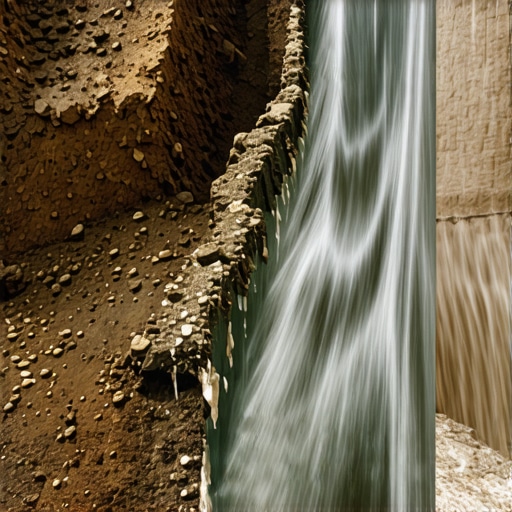
Reevaluating Equipment Choices in Water-Heavy Conditions
One often-overlooked factor is the selection and maintenance of shoring and protective equipment after rainfall events. Modular hydraulic shoring systems with quick-attach features enable rapid deployment and adjustments in response to changing ground conditions. Additionally, integrating real-time monitoring sensors into support structures offers immediate feedback on stress levels, alerting operators to potential hotspots. These innovations reduce downtime caused by equipment failure and extend the lifespan of shoring components, aligning with industry standards for best practices in safe and efficient trenching.
Is there a Quantifiable Effect of Rain-Induced Soil Weakening on Shoring Longevity?
How can we develop predictive models that quantify the impact of post-rain soil conditions on trench support system durability?
Recent research suggests that integrating hydrological data with geotechnical parameters can improve the accuracy of predictive models for trench stability. Utilizing machine learning algorithms trained on past rainfall events, soil moisture levels, and failure instances, engineers can forecast potential support failures with higher confidence. Such models not only inform preemptive reinforcement strategies but also optimize resource allocation during emergency responses, elevating standards in environmental and safety compliance. For further insights on these technological integrations, explore the science behind hydrovac technology.
Professionals aiming to stay ahead should consider adopting real-time soil monitoring systems that continuously assess pore pressure and soil cohesion, fostering a proactive safety culture on-site.
Adopting Eco-Friendly Solutions for Long-Term Trench Integrity
Beyond immediate stabilization, sustainable practices are gaining momentum to ensure environmental compatibility and durability. The application of bio-inoculants—microbial solutions that strengthen soil structure—has shown promising results in reducing erosion and maintaining wall stability in wet conditions. Paired with permeable backfill materials that promote natural drainage, these techniques help sustain trench integrity during unpredictable weather patterns. Embracing such eco-conscious practices aligns with evolving regulations and demonstrates industry leadership in climate-resilient construction.
If you’re interested in implementing innovative trenching methods that blend safety with sustainability, check out how to prevent trench wall collapse after heavy rain for expert guidance.
Advancing Soil Stabilization Techniques for Challenging Conditions
Traditional soil stabilization methods, while effective under standard conditions, often fall short when confronted with the unpredictable moisture variations caused by heavy rainfall. To bridge this gap, engineers are now integrating cutting-edge geosynthetic materials such as high-strength geogrids and injectable polymeric binders that adapt dynamically to fluctuating saturation levels. These materials not only reinforce soil particles but also facilitate early detection of micro-movements within trench walls, enabling proactive maintenance.
The Role of Real-Time Data Integration in Predictive Safety Models
Leveraging big data analytics and sensor networks, modern trench management systems synthesize real-time hydrological and geotechnical data to generate predictive failure models. For example, by correlating rainfall intensity data with pore pressure readings, algorithms can forecast potential collapse zones before they manifest physically. Integrating these insights into a centralized dashboard allows field teams to make data-driven decisions swiftly, minimizing downtime and ensuring personnel safety.
Addressing the Complexity of Groundwater Flow and Its Effect on Trench Stability
Understanding groundwater dynamics is pivotal in defining mitigation strategies. The interactions between infiltrating water, subsurface permeability, and existing aquifer systems introduce a layer of complexity that requires sophisticated modeling. Numerical simulations based on finite element analysis incorporate these variables, helping professionals predict zones of heightened risk and prescribe targeted dewatering solutions. Such precision reduces unnecessary excavation and preserves the ecological balance of surrounding terrains.
For practitioners seeking to deepen their expertise in integrating groundwater considerations into trench safety planning, consulting the geotechnical frameworks outlined in the Journal of Geotechnical Research can provide valuable insights.
Emerging Eco-Friendly Stabilizers: Meeting Sustainability Goals
Amid growing environmental consciousness, the adoption of biodegradable soil amendments—such as biochar-infused composites—has gained momentum. These materials enhance soil cohesion while promoting microbial activity that further strengthens the trench walls naturally. Complemented by permeable backfills that facilitate rapid drainage, these solutions create resilient and environmentally sustainable trench structures capable of withstanding heavy rainfall without compromising ecological integrity.
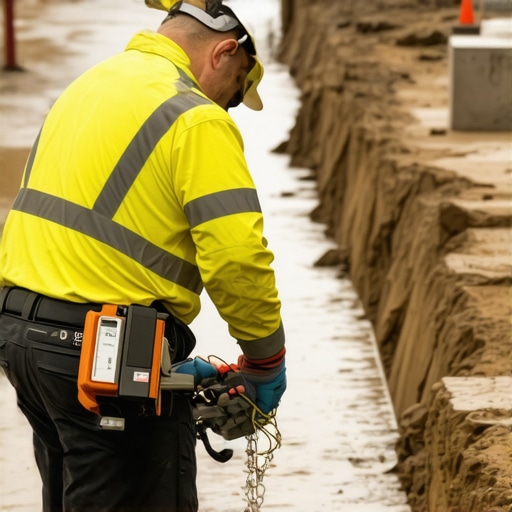
Innovations in Shoring Material Science
The evolution of shoring components themselves is instrumental in addressing post-rain vulnerabilities. Researchers are exploring composite materials that combine lightweight durability with corrosion resistance—think carbon fiber reinforced polymers—that withstand moisture-induced degradation far better than traditional steel or wood. Incorporating smart sensors directly into these materials offers continuous structural health monitoring, alerting operators to early signs of fatigue or failure and enabling timely intervention.
Strategies for Maintaining Equipment Integrity During Wet Conditions
Operational reliability hinges on equipment resilience. Modular hydraulic shoring systems with sealed, waterproof actuators and quick-attach adaptations streamline adjustments in soggy environments. Regular maintenance, coupled with automated diagnostic tools that assess hydraulic pressure and structural stress, diminishes unexpected breakdowns. This proactive approach ensures that safety protocols remain uncompromised, even amidst persistent moisture challenges.
How Might Machine Learning Transform Post-Rain Evaluation Protocols?
Harnessing machine learning to analyze vast datasets comprising rainfall history, soil composition, and support system performance trends offers transformative potential. By identifying subtle patterns indicative of impending failure, these algorithms can suggest tailored reinforcement strategies or schedule targeted inspections. As the dataset expands with ongoing project data, predictive accuracy improves, fostering a proactive safety culture across the industry.
To explore these advancements further, industry professionals should consider engaging with specialized geotechnical AI platforms like GeoSmart Insights, which are swiftly becoming industry standards.
Deepening the Safety-Environmental Symbiosis
Finally, aligning safety initiatives with ecological responsibilities involves deploying moisture-sensitive bio-engineering solutions that not only stabilize trenches but also restore native vegetation, enhancing soil cohesion in eco-sensitive zones. Adaptive management practices, supported by continuous environmental monitoring, ensure that developments remain resilient against climate variability while minimizing adverse impacts.
Harnessing Predictive Analytics to Foresee Trench Failures
Integrating machine learning algorithms with real-time hydrological and geotechnical data transforms hazard assessment. By analyzing historic rainfall patterns, soil moisture metrics, and support system stress indicators, engineers can develop predictive models that flag potential failure zones with alarming precision. This proactive approach shifts safety protocols from reactive to anticipatory, reducing downtime and risk exposure.
How Can Sophisticated Data Modeling Elevate Safety Standards in Water-Compromised Environments?
Tools like neural networks and ensemble learning techniques assimilate vast, multidimensional datasets, unveiling subtle correlations and risk thresholds undetectable through conventional analysis. Such models articulate the influence of variables like aquifer fluctuations, regional climate shifts, and material fatigue, enabling customized mitigation strategies. Consulting advanced geotechnical journals, such as the Geotechnical Research Journal, offers insight into these cutting-edge methodologies.
Engaging with these innovative predictive systems empowers industry leaders to optimize resource deployment and enhance personnel safety in the face of complex, moisture-driven soil behaviors.
Innovating Soil Stabilization for Unpredictable Hydrological Events
Emerging soil stabilization techniques extend beyond traditional methods, focusing on adaptive materials capable of responding dynamically to fluctuating water tables. The utilization of injectable polymeric solutions that form micro-scale bonds consolidates soil particles while allowing permeability essential for drainage. When combined with geosynthetic reinforcements like high-tensile geogrids, these strategies significantly bolster trench wall resilience against saturated conditions.
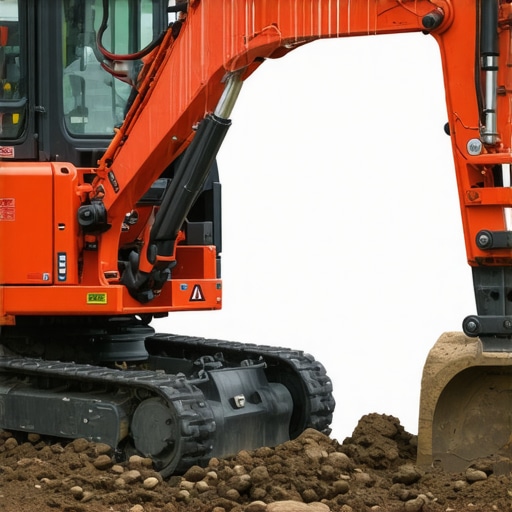
Elevating Material Science for Durable Shoring Components
The development of composite materials incorporating carbon fibers, advanced polymers, and embedded sensors revolutionizes shoring durability. These materials offer superior corrosion resistance, lightweight handling, and continuous health monitoring. Such integration instills confidence in prolonged support systems, supporting safety during extended or unpredictable rainfall periods.
Strategic Equipment Deployment Under Moist Conditions
Modern equipment design emphasizes modularity and sealed, waterproof components. Quick-attach hydraulic supports paired with wireless sensor networks deliver real-time integrity assessments, guiding operators to make informed adjustments swiftly. Regular maintenance routines utilizing automated diagnostics further prevent unexpected failures, maintaining safety and operational efficiency during adverse weather phases.
Can Smart Equipment Be the Key to Preventing Post-Rain Trench Collapses?
Absolutely, smart equipment equipped with IoT sensors offers predictive insights into structural health, alerting teams to stress accumulations before catastrophic failure occurs. Continuous data streams enable dynamic adjustments, ultimately extending equipment lifespan and reinforcing safety frameworks. Industry leaders should explore partnerships with IoT innovation firms to implement these advanced tools effectively.
Adopting these technological innovations signifies a pivotal move toward resilient, efficient trenching practices amid challenging weather conditions, setting new industry benchmarks.
Expert Insights & Advanced Considerations
Innovate Monitoring Technologies
Implementing real-time geophysical sensing, like dielectric permittivity measurements, offers a proactive edge in detecting pore pressure increases, enabling timely interventions before failures occur.
Prioritize Material Advancement
Integrating corrosion-resistant composites with embedded structural health sensors enhances durability and continuous performance monitoring of shoring systems under wet conditions.
Adopt Adaptive Soil Stabilizers
Utilize biodegradable soil binders and geosynthetic reinforcements that adapt dynamically to saturated environments, providing reliable trench wall support amid unpredictable weather patterns.
Optimize Equipment Use
Deploy quick-attach hydraulic shoring units with integrated wireless diagnostics for swift adjustments, ensuring support systems stay resilient during persistent rainfall challenges.
Incorporate Eco-Conscious Practices
Applying microbial soil stabilizers and permeable backfills promotes ecological sustainability while enhancing trench stability in humid conditions.
Curated Expert Resources
- Geotechnical Journal of Stability: Provides cutting-edge research on soil behavior under saturated conditions, essential for advanced mitigation planning.
- HydrovacTechnology Insights: Offers detailed case studies on innovative trenching and soil stabilization methods tailored for heavy rain scenarios.
- Environmental Construction Standards: Guides sustainable practices that align with industry regulations and eco-friendly project execution.
Final Expert Perspective
Mastering soil dynamics and material science advances in hydrovac and trenching operations positions industry leaders at the forefront of safety and efficiency. By leveraging sophisticated monitoring, resilient materials, and eco-integrated strategies, professionals can mitigate post-rain risks effectively. Engage with industry resources regularly and contribute your insights to foster continuous improvement within this critical niche. For further comprehensive knowledge, explore the science behind hydrovac technology.