Revolutionizing Urban Trenching with Advanced Hydrovac Solutions
In the complex landscape of modern excavation, especially within densely built environments, traditional trenching methods often fall short of operational efficiency and safety standards. Embracing hydrovac and vacuum excavation technologies offers a transformative approach, enabling precise, minimal-disturbance digging essential for safeguarding underground utilities and infrastructure.
Strategic Integration of Borehole and Trenching Technologies
Leveraging borehole drilling methods alongside hydrovac systems facilitates comprehensive site analysis, allowing for targeted excavation that mitigates risk and expedites project timelines. Combining these techniques enhances soil stability management and provides accurate subsurface mapping, critical under tight urban constraints.
Innovative Solutions for Saturated Slurry Management in Urban Environments
Dealing with saturated slurry on congested sites demands a nuanced understanding of slurry control dynamics. Experts emphasize the importance of vacuum extraction safety protocols and slurry dewatering techniques to prevent soil destabilization and environmental contamination.
What are the recent breakthroughs in controlling saturated slurry during tight spacing excavations?
Recent advancements include adaptive slurry separation systems and real-time monitoring sensors that optimize vacuum efficiency, reduce fluid backup, and maintain soil integrity. These innovations are pivotal for executing trenching projects within high-density urban zones where space and environmental compliance are critical.
Harnessing Vacuum Excavation for Minimal Disruption and Utility Protection
Vacuum excavation stands as a cornerstone for safe utility exposure, especially when locating and protecting underground services. Its benefits include reduced surface disruption, decreased risk of utility strikes, and enhanced precision in excavating around critical infrastructure, making it indispensable in modern urban projects.
Future Orientation: Embracing Smart Trenching with Real-Time Data Analytics
Field practitioners are increasingly adopting integrated sensor networks and data analytics platforms to predict soil behavior and optimize excavation parameters dynamically. This technological trajectory signifies a shift toward intelligent trenching systems that adapt to soil and environmental variables for safer, faster operations.
For engineering professionals committed to innovative urban excavation, continuous learning about best practices in vacuum excavation remains crucial. As new challenges emerge, sharing insights and field-tested solutions fosters a more resilient and efficient infrastructure development landscape.
Explore comprehensive resources and share your expertise to advance the industry standards in safe, efficient trenching practices.
Adopting High-Precision Geophysical Techniques for Safer Excavations
To elevate safety and efficiency in hydrovac operations, integrating advanced geophysical surveying methods is proving transformative. Techniques such as ground-penetrating radar (‘GPR in Utility Locating’) and electromagnetic induction provide detailed subsurface images, enabling operators to identify hidden utilities and natural features with remarkable accuracy. This proactive approach minimizes the risk of utility strikes and ground disturbances, especially in complex underground environments.
Leveraging Multisensor Data Fusion for Accurate Soil and Utility Detection
Combining data from multiple sensing modalities—like seismic, electromagnetic, and acoustic sensors—creates a rich, layered understanding of subsurface conditions. Data fusion algorithms synthesize these inputs to counteract limitations inherent in single-sensor methods, delivering high-confidence utility mapping. Such integration supports decision-making processes, facilitating precise targeted excavation and reducing unforeseen complications on-site.
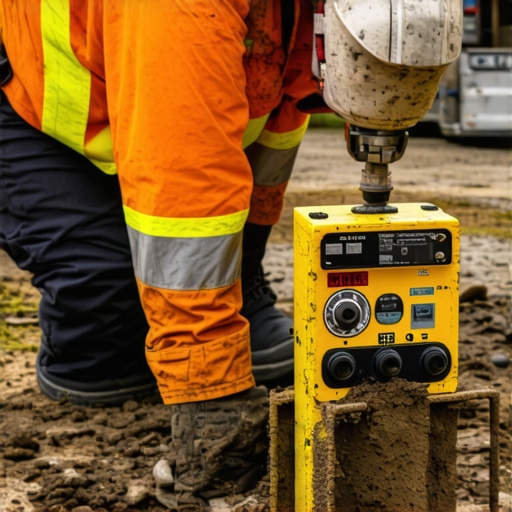
![Advanced geophysical sensors deployed in trenching site for comprehensive mapping]
Overcoming Challenges of Heavy Moisture and Complex Soil Types
High soil moisture, clay-rich deposits, and layered stratigraphy often impair the accuracy of traditional detection methods, leading to false positives or overlooked utilities. Experts recommend deploying adaptive sensor calibration and real-time data validation strategies to address these issues, ensuring robust results even under adverse conditions. A thorough understanding of soil science, as documented by the Science Behind Hydrovac Technology, supports the development of resilient mapping protocols adaptable to environmental variability.
How can we refine geophysical data interpretation to distinguish between underground utilities and natural soil features in challenging conditions?
Precisely differentiating utilities from soil anomalies requires sophisticated signal processing, machine learning algorithms, and contextual knowledge. Incorporating historical utility records, soil sampling, and cross-referencing multiple detection techniques enhances reliability. Staying abreast of emerging technologies, such as hyperspectral imaging and drone-assisted surveys, can further elevate subsurface mapping accuracy, ensuring safer hydrovac operations. To explore how innovative methods are shaping the future, visit the future of precise borehole drilling.
Engaging with these advanced geophysical approaches and expert tools enables professionals to mitigate risks effectively, especially in densely packed urban environments with complex underground networks. Sharing experiences and insights on these methodologies can propel industry standards, fostering safer and more efficient excavation practices.
Innovative Approaches to Handling Saturated Slurry Amid Urban Constraints
As urban excavation projects increasingly encounter challenging soil and environmental conditions, managing saturated slurry has become a focal point for industry experts. Traditional dewatering and slurry management techniques often fall short in densely populated settings, where spatial limitations and environmental regulations demand innovative solutions. Recent advancements center around adaptive slurry separation systems and real-time monitoring technologies that can be tailored to the unique characteristics of each site, ensuring both efficiency and compliance.
Which cutting-edge methods are redefining slurry control in congested urban environments?
Emerging methods include high-capacity centrifugal separator modules integrated with smart sensors that continuously assess slurry composition and volume. These systems dynamically adjust processing parameters, optimizing separation efficiency and reducing downtime. Additionally, the application of mobile slurry treatment units equipped with modular filtration units allows for flexible deployment across tight spaces, facilitating rapid response to fluctuating saturated soil conditions. External citations, such as a comprehensive study published in the Journal of Trenchless Technology, showcase field data supporting these integrative approaches, providing a benchmark for best practices in slurry management under complex urban settings.
Synergy of Technological Integration for Soil Stability and Environmental Safeguards
Achieving soil stability while safeguarding environmental integrity requires a harmonious blend of multiple technologies. For instance, the deployment of geospatial monitoring combined with bio-inorganic stabilization agents can mitigate erosion caused by slurry handling processes. These agents, formulated with environmentally benign compounds, reinforce soil matrices, preventing subsidence and inadvertent soil destabilization—especially crucial when working in sensitive ecological zones.
Coupled with advanced surface water management systems—such as temporary containment barriers and filtration fences—these measures serve to contain and treat slurry effluents, minimizing ecological impact. According to a recent report by the Environmental Protection Agency’s guidelines, implementing a layered approach to slurry and soil management not only enhances operational safety but also aligns with regulatory sustainability targets, fostering community trust and project approval.
How can predictive analytics optimize slurry management workflows in complex excavations?
Predictive analytics, leveraging historical data, soil profiles, and real-time input from sensor networks, enables preemptive adjustments to slurry handling processes. Machine learning algorithms can forecast slurry behavior, sedimentation rates, and potential clogging events, empowering operators to proactively modify flow rates, chemical admixtures, or treatment sequences. This anticipatory capacity reduces reactive interventions, accelerates project timelines, and lowers operational costs. For insights into implementing such analytics, consulting resources from industry-leading firms like Smart Excavation Technologies can be invaluable.
Advancing slurry management through predictive modeling embodies a shift toward truly intelligent excavation ecosystems—where data-driven decision-making enhances safety, efficiency, and environmental stewardship. As we continue to refine these technologies, collaboration among geotechnical engineers, environmental scientists, and data analysts remains crucial to unlocking their full potential.
Revolutionizing Urban Excavation through Intelligent Soil Discrimination
Modern hydrovac operations benefit immensely from cutting-edge geophysical techniques that facilitate precise utility detection amidst complex soil compositions. Integrating hyperspectral imaging with electromagnetic induction extends the capabilities of subsurface mapping, enabling operators to differentiate between natural geological features and man-made underground utilities with high confidence. Such innovations significantly reduce the incidence of utility strikes, especially in environments where traditional detection methods struggle due to soil heterogeneity or metallic interferences.
How can emerging sensor fusion algorithms enhance utility discrimination in challenging urban soils?
Advanced sensor fusion combines seismic, electromagnetic, and acoustic data streams into a coherent, multi-layered subsurface profile. Using machine learning models trained on extensive datasets, these algorithms can accurately parse utility signatures from soil anomalies, even in the presence of moisture fluctuations or layered deposits. This data-driven approach empowers operators to make informed decisions rapidly, ultimately safeguarding infrastructure and accelerating project timelines.
As industry professionals seek to refine their precision, collaborating with research institutions and investing in adaptive detection platforms become imperative. These efforts ensure safety yet demand a nuanced understanding of the latest technological advancements, as outlined by authoritative sources such as the Ground Penetrating Radar Applications Guide.
Engage with these innovative methods to elevate your underground mapping accuracy and contribute to safer, more efficient urban trenching projects.
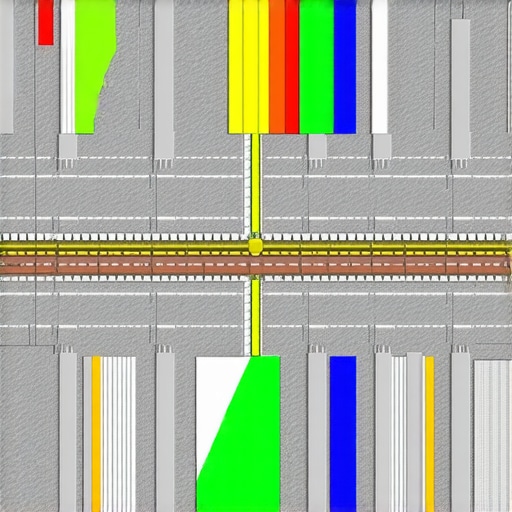
![Composite visualization of multi-sensor subsurface mapping techniques in urban trenching]
Expert Insights & Advanced Considerations
Embrace predictive analytics to anticipate soil behavior, enabling proactive adjustments that enhance safety and efficiency in hydrovac operations.
Utilizing historical data and real-time sensor inputs, predictive models can forecast potential ground instability or utility interference, empowering operators to make informed decisions before issues arise.
Invest in integrated geophysical survey techniques, such as ground-penetrating radar and electromagnetic induction, to achieve unparalleled subsurface clarity, minimizing utility strikes in complex urban settings.
These advanced methods provide detailed utility maps, allowing for precision excavation around underground infrastructure, thereby reducing project delays and costs.
Prioritize slurry management innovations like adaptive separation systems that dynamically respond to changing soil conditions, ensuring environmental compliance and operational continuity.
Smart slurry control enhances dewatering efficiency and mitigates environmental impact, making it essential for projects with strict regulatory standards.
Develop multi-sensor data fusion platforms that combine seismic, acoustic, and electromagnetic data, delivering high-confidence utility detection even in challenging soil types.
This layered approach enhances accuracy, supports risk mitigation, and guides precise trenching activities—key for urban densification projects.
Harness high-resolution geophysical tools to refine underground utility differentiation, especially amidst challenging conditions like saturated soils or layered deposits.
Employing technologies such as hyperspectral imaging combined with electromagnetic sensors elevates subsurface mapping, reducing the likelihood of costly utility damages.
Curated Expert Resources
- Ultimate Guide to Borehole Drilling with Advanced Vacuum Excavation Equipment: Offers comprehensive insights into cutting-edge borehole techniques essential for precise site analysis.
- Vacuum Excavation Safety Best Practices: Provides authoritative protocols to ensure safe and effective trenching operations in urban environments.
- Ground Penetrating Radar Applications in Utility Locating: Delivers practical knowledge on high-precision geophysical detection methods to prevent underground strikes.
- Science Behind Hydrovac Technology and Soil Safety: Explores the soil Science underpinning safe excavation practices and advanced soil stabilization approaches.
Final Perspective: Navigating Industry Evolving Horizons
The fusion of predictive analytics, sophisticated geophysical imaging, and innovative slurry management defines the next chapter of urban trenching excellence. Such advancements elevate safety protocols, reduce operational risks, and bolster environmental responsibility—crucial for the modern engineer committed to industry leadership. As this knowledge deepens, professionals are invited to actively contribute insights, share field experiences, and stay engaged with this dynamic evolution. Embracing these high-level insights ensures our practices remain at the forefront of precision and safety in hydrovac and trenching operations, ultimately driving smarter, safer urban infrastructure development.