Enhancing Subsurface Work: Advanced Strategies in Trenching and Hydrovac Technology
In the realm of subterranean construction and utility installation, precision and safety are paramount. Trenching and vacuum excavation have revolutionized standard practices, offering safer alternatives to traditional mechanical digging. Leveraging the latest in borehole and hydrovac innovations enables professionals to navigate complex soil conditions while minimizing risks associated with soil collapse and utility damage.
The Critical Role of Soil Conditions and Geotechnical Assessments
Understanding soil stratification and moisture content is fundamental. Advanced geotechnical analyses inform the selection of appropriate excavation techniques, whether it’s a high-pressure hydrovac or a more traditional trench box. Proper assessment reduces the likelihood of trench wall failures, which can lead to dangerous cave-ins, property damage, and project delays.
Implementing Real-time Monitoring for Dynamic Soil Stability
Emerging technologies such as real-time soil stress sensors and ground-penetrating radar significantly enhance safety protocols. These tools facilitate immediate detection of shifting soil masses or void formation, allowing operators to adjust procedures proactively, thus avoiding the catastrophic consequences of trench wall collapse.
How Does Hydrovac Equipment Adapt to Challenging Soil Environments?
Hydrovac systems are uniquely adaptable, utilizing high-pressure water and vacuum suction to excavate without disturbing adjacent utilities or soil structures. Customizable nozzles and adjustable pressure settings enable operators to manage varied soil compositions, from sandy loam to compacted clay, ensuring excavation integrity and safety.
What Complexities Arise When Drilling Boreholes in Urban Settings with High Utility Density?
Urban environments present intricate challenges. The density of existing utilities demands meticulous mapping and non-destructive exploration methods, such as electromagnetic locators combined with borehole logging. These techniques help avoid accidental strikes, which can have severe safety and economic repercussions.
Can Vacuum Excavation Detect and Safeguard Against Subsurface Hazardous Materials?
Indeed, by integrating vacuum excavation with ground-penetrating radar and soil sampling, operators can identify potential hazardous zones, such as contaminated soils or uncharted underground tanks. Such comprehensive approaches elevate safety standards and ensure compliance with environmental regulations.
For more insights into precision trenching techniques, visit Mastering Vacuum Excavation and explore how cutting-edge equipment can transform your projects.
Engaging with professional communities on forums like the GeoTech Forum can also enrich your understanding through shared field experiences and case studies.
Harnessing Data Analytics for Smarter Excavation Decisions
Modern trenching projects benefit enormously from integrating data analytics to predict soil behavior and optimize excavation workflows. Real-time data collection from ground sensors combined with historical soil performance records enables professionals to anticipate potential risks such as soil liquefaction or unexpected instability, thereby reducing delays and safety hazards. Advanced modeling tools, including 3D soil mapping, empower engineers to plan more precise excavation paths, minimize soil disturbance, and streamline backfill operations.
Are Conventional Safety Protocols Sufficient in Complex Urban Settings?
The complexity of urban utility networks necessitates a reevaluation of traditional safety measures. Incorporating automated hazard detection systems, such as ultrasonic piping locators and fiber optic monitoring, can provide early warnings of utility proximity breaches. Moreover, adopting a layered approach—combining non-destructive evaluation with integrated GIS mapping—enhances accuracy and reduces reliance on outdated site plans. These innovations align with the best practices outlined in vacuum excavation safety standards.
Could Exploring New Soil Stabilization Materials Transform Trenching Outcomes?
Emerging soil stabilization agents—such as bio-based polymers and nanomaterials—offer promising avenues to enhance trench wall stability, especially in loose or high-moisture soils. These materials can be applied in situ to reinforce the soil structure temporarily or permanently, thereby preventing collapses during excavation and backfilling. Such innovations can significantly reduce the need for extensive shoring or dewatering, resulting in cost savings and environmental benefits, as discussed in the recent research by the Soil Stabilization Institute.
If you’re interested in the latest advancements, reading https://hydrovacdrilling.com/mastering-vacuum-excavation-expert-tips-for-safe-and-efficient-trenching can provide deeper insights into how cutting-edge techniques can be integrated into your projects. Sharing experiences and tips with industry peers through professional forums like the GeoTech Forum can further elevate your operational strategies.
Harnessing Advanced Soil Stabilization for Quicker, Safer Trenches
Modern trenching increasingly depends on innovative soil stabilizers that can adapt to heterogeneous ground conditions. Bio-based polymers and nanotechnologies present a paradigm shift in soil reinforcement strategies, providing temporary and permanent solutions that significantly reduce collapse risks. For instance, nanomaterials like nano-silica have demonstrated remarkable permeability reduction in loose soils, enhancing shear strength and overall stability while minimizing excavation disturbance.
What are the latest breakthroughs in eco-friendly soil reinforcement that align with sustainable engineering?
Recent research, such as the study published in the Journal of Geotechnical and Geoenvironmental Engineering, highlights biodegradable polymer blends that reinforce soil structure without long-term environmental footprint. These materials facilitate easier backfill procedures and can be reclaimed or degraded at project’s end, meeting both safety and sustainability goals.
Implementing Digital Twins for Dynamic Excavation Management
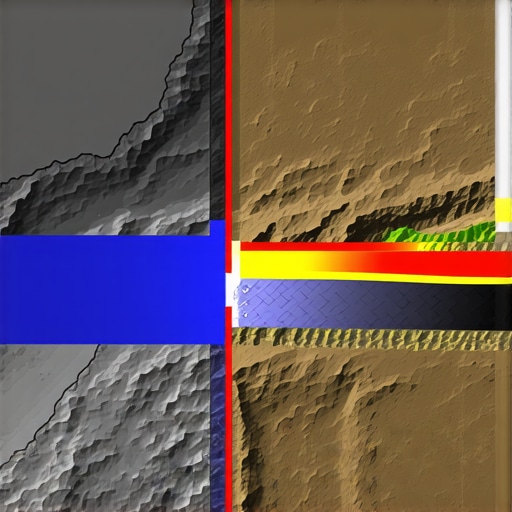
The integration of digital twin technology into trenching operations is transforming how geotechnical uncertainties are addressed in real time. By creating a virtual replica of the subsurface environment, experts can simulate various excavation scenarios, predict soil responses, and preemptively identify zones prone to instability or utility interference. Combined with IoT-enabled sensors, these virtual models facilitate an adaptive workflow that responds instantly to changing conditions, greatly reducing delays and cost overruns.
How does the use of digital twins enhance decision-making under complex urban utility landscapes?
Digital twin simulations, supported by real-time sensor data, allow for continuous assessment of soil behavior amidst dynamic variables like groundwater fluctuations or residual construction debris. This proactive approach enables operators to adjust pressures, modify excavation angles, or reinforce areas before failure occurs, ensuring safety and precision. The transformative potential of this technology is detailed in the recent case studies from the International Journal of Geomechanics.
Want to explore how digital twins are reshaping excavation planning? Delve into the latest industry reports and connect with specialists pioneering these innovations through professional associations like the GeoTech Society. Embracing these tools can give your projects a substantial edge amid today’s complex underground environments.
Leveraging Multidisciplinary Approaches to Subsurface Engineering
Integrating geotechnical, environmental, and technological insights fosters a comprehensive strategy for subterranean projects. Employing multidisciplinary assessments ensures that soil variability, contamination risks, and utility density are simultaneously addressed, minimizing unforeseen complications.
What Role Do Advanced Geophysical Methods Play in Pre-Excavation Planning?
High-resolution seismic tomography and electromagnetic surveys provide detailed imaging of subsurface heterogeneity, significantly reducing exploratory uncertainties. As per the findings in the Journal of Applied Geophysics, these methods offer unparalleled clarity in complex urban settings, guiding precise trench alignments and borehole placements.
How Can Deep Learning Enhance Real-Time Soil Behavior Predictions?
Machine learning algorithms analyze vast datasets from soil sensors, historical excavation records, and environmental conditions to forecast soil stability trends. This predictive capability enables proactive adjustments during excavation, reducing risks associated with unexpected soil liquefaction or collapse. Recent studies published in Geotechnical Data Science highlight the transformative potential of AI in underground construction safety.
Engaging with industry experts through platforms like the GeoTech Forum allows practitioners to exchange real-world insights on applying these emerging technologies effectively.
Innovative Use of 3D Modeling Transforms Excavation Precision
Advanced 3D geospatial modeling, combined with building information modeling (BIM), provides immersive visualization of subsurface conditions. Incorporating these tools streamlines coordination among engineers, planners, and contractors, leading to more accurate trenching and reduced material waste. As highlighted by the BIM & Geospatial Integration Review, such integration marks a paradigm shift in underground project management.
Empowering Safety with Intelligent Utility Locating Technologies
Emerging sensor arrays and fiber-optic sensing systems deliver real-time utility detection with heightened sensitivity, reducing the incidence of utility strikes. These devices are capable of mapping utility pathways with centimeter-level accuracy, facilitating safer excavation in dense urban grids. Notably, the Utility Mapping Consortium provides guidelines for implementing these technologies effectively.
What Innovations Are Paving the Way for Eco-Conscious Soil Stabilization?
Biodegradable polymers, nanomodified cements, and microbial-induced calcite precipitation (MICP) are at the forefront of environmentally friendly soil reinforcement. These innovations offer temporary or permanent stabilization solutions with minimal ecological footprints. Recent experimental data from the Journal of Sustainable Geotechnics demonstrate their efficacy in diverse soil types, promising safer trenches aligned with sustainability objectives.
Enhancing Excavation Efficiency Through Automated Soil Management
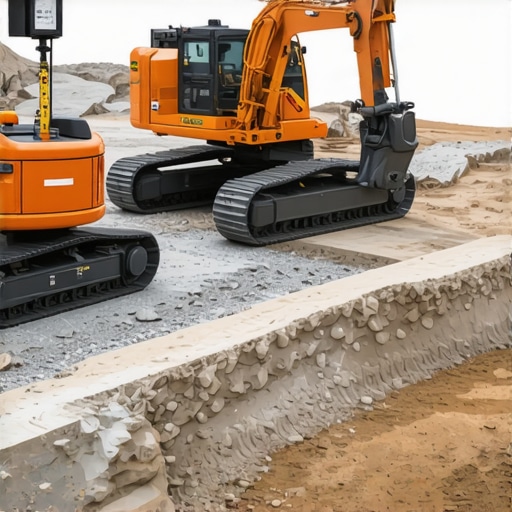
The deployment of autonomous robotic systems equipped with adaptive digging algorithms increases operational speed and precision. Coupled with sensor feedback, these systems can modify excavation parameters on-the-fly, improving safety margins in unpredictable soil conditions. Industry case studies illustrate how automation reduces human exposure and enhances project timelines.
Can Virtual Reality Offer a New Dimension in Trenching Training?
Immersive VR environments enable underground construction personnel to simulate complex scenarios, including utility conflicts and unstable soils, without physical risks. This immersive preparation fosters better decision-making and preparedness, as evidenced by training program assessments published in the International Journal of Construction Education and Innovation. Embracing VR training elevates safety protocols and operational confidence in challenging environments.
Expert Insights & Advanced Considerations
Integrate Real-Time Data to Preempt Soil Failures
Employing cutting-edge sensors and geotechnical modeling allows engineers to predict soil stability dynamically, reducing risks and enhancing safety during trenching operations.
Adopt Environmentally Conscious Stabilization Techniques
Emerging bio-based polymers and nanomaterials offer sustainable solutions for soil reinforcement, minimizing ecological impact while providing durable support for critical excavations.
Leverage Digital Twins for Precise Planning
Creating virtual replicas of subsurface environments facilitates scenario testing, enabling proactive decision-making and optimized excavation strategies in complex urban landscapes.
Utilize Advanced Geophysical Imaging
High-resolution seismic and electromagnetic surveys improve the detection of subsurface anomalies, guiding safer borehole placement, especially in utility-dense areas.
Enhance Safety Protocols with Autonomous Systems
Robotics equipped with adaptive algorithms and sensor integration increase operational accuracy, reduce human error, and elevate safety standards in challenging soil conditions.
Curated Expert Resources
- Mastering Vacuum Excavation: An authoritative guide on safe and efficient trenching, emphasizing latest technological advancements.
- The Science Behind Hydrovac Technology: Provides in-depth analysis of soil safety impacts and innovative applications.
- Vacuum Excavation Safety Practices: Essential reading on preventing accidents through procedural and technological safeguards.
- Advanced Geophysical Methods: Explores how seismic and electromagnetic techniques improve subsurface imaging accuracy.
- Geotechnical Sensors and Digital Twins: Offers insights into digital modeling for proactive earthwork management.
Final Expert Perspective
Sophisticated approaches to trenching and borehole drilling, like integrating real-time data analytics and eco-friendly soil stabilization materials, are redefining industry standards. These innovations enhance safety, sustainability, and precision, positioning subsurface excavation as a highly advanced engineering pursuit. For practitioners aiming to stay ahead, engaging with authoritative resources and embracing emerging technologies is paramount. Explore comprehensive insights and share your expert experiences to contribute to this evolving field—your project success depends on it. Dive deeper into these topics through our curated references, and connect with industry pioneers to continue advancing your practice.