Optimizing Hydrovac Systems: The Crucial Role of Pressure Relief Valve Performance in Trenching Operations
The efficacy of vacuum excavation and trenching procedures heavily depends on precise control of hydrovac pressure dynamics. Among the pivotal components ensuring operational safety and efficiency are pressure relief valves, which act as safeguards against over-pressurization. When these valves trip prematurely, it not only hampers productivity but also poses significant risks to underground utility integrity and crew safety.
Deciphering the Underlying Causes of Early Pressure Relief Valve Activation
Pressure relief valves are engineered with fail-safe mechanisms designed to activate once preset thresholds are exceeded. However, in complex excavation environments, several factors can precipitate their early trip signals. These include inaccuracies in system calibration, debris accumulation, or fluctuations in hydrostatic pressure during high-intensity hydro-vac operations. Professional excavators often encounter scenarios where high-pressure anomalies trigger unanticipated relief activation, disrupting project timelines.
The Impact of System Design and Maintenance on Pressure Relief Reliability
Expert consensus emphasizes that robust system design—incorporating appropriate pressure settings and high-quality relief valves—is foundational. Regular maintenance routines, including toggling pressure settings and inspecting for debris ingress, are equally vital. Failures often stem from neglected calibration or the ingress of soil and mud particles that clog sensing mechanisms, leading to false trips. In practice, integrating borehole casing hacks into the system can indirectly contribute to maintaining stable pressure conditions.
Advanced Solutions for Preventing Early Relief Valve Activation in Vacuum Excavation
Achieving consistent hydrovac pressure management requires a multifaceted approach. The deployment of electronic pressure sensors with real-time feedback allows for adjustments tailored to soil conditions. Moreover, implementing protective measures for underground utilities can mitigate unforeseen pressure fluctuations. Professional operators also scrutinize soil moisture content and adapt mud weight accordingly, preventing sudden pressure surges that could trip relief valves prematurely.
How Can Field Operators Fine-Tune Pressure Relief Settings to Minimize Early Trips?
Fine-tuning involves a comprehensive assessment of site-specific soil characteristics, hydrostatic pressure patterns, and equipment parameters. Training operators to recognize the signs of incipient relief activation enables preemptive adjustments. For example, adjusting pressure thresholds during borehole breakthroughs or managing the flow rate of the hydrovac jet can prevent unnecessary relief activations. Such practices demand a deep understanding of soil mechanics and equipment hydraulics, highlighting the necessity of ongoing professional development.
For further insights into managing vacuum excavation systems effectively, consider exploring resources on safe utility mapping and the latest industry standards provided by organizations such as the American Water Works Association.
To contribute your expertise or learn more about preventing pressure relief valve failures, visit our comprehensive Hydrovac drilling resource hub.
Mastering Hydraulic Variability for Consistent Pressure Management
One often overlooked aspect influencing pressure relief valve performance is the inherent variability in hydraulic conditions during excavation. Fluctuations in soil composition, moisture content, and hydrostatic pressures create a dynamic environment where static system settings may fall short. Adaptive control systems equipped with real-time sensors can significantly improve response accuracy, minimizing false trips. Integrating advanced pressure monitoring technology helps operators maintain optimal system stability amidst unpredictable underground conditions.
The Role of Soil Mechanics in Pressure Dynamics
Understanding soil properties extends beyond basic geotechnical data; it’s a critical factor in managing pressure fluctuations. Loose gravel, saturated silt, and swelling clay each respond differently under hydraulic load, affecting pressure stability. For instance, in zones with high fines content, mud filtration can clog sensing devices, leading to misreadings and unnecessary relief activation. Employing comprehensive soil assessments and adjusting mud weights accordingly can prevent such issues, enhancing overall system reliability. For detailed insights, review our guide on mud weight adjustments for swelling shale.
Innovative Solutions to Prevent Premature Relief Activation
Emerging technologies are revolutionizing pressure regulation, with some systems now incorporating AI-driven analytics that predict pressure trends based on real-time data. These intelligent systems can preemptively adjust hydraulic parameters, reducing the risk of relief valve trips. Additionally, installing secondary relief mechanisms or buffer chambers can absorb transient pressure spikes, protecting primary valves and maintaining continuous operation. As the industry advances, adopting such innovations is crucial for companies aiming to optimize performance while safeguarding underground utilities.
Can we Develop a Standardized Protocol for Dynamic Pressure Adjustment Across Varied Soil Conditions?
Creating a standardized approach for real-time pressure modulation involves collaborative efforts among geotechnical engineers, system designers, and operators. Establishing adaptable protocols that account for site-specific soil profiles and operational parameters can elevate safety standards. Such frameworks might include preset adjustment matrices or AI-assisted decision trees guiding operators through optimal pressure settings, reducing human error and enhancing consistency. Engaging with industry experts and participating in knowledge-sharing forums can accelerate adoption of these best practices.
For those interested in further refining their pressure control strategies, exploring resources on site preparation near high-voltage lines can offer additional safety insights.
Share your experiences or ask questions about pressure regulation challenges in our community—your expertise helps shape industry standards and improves safety across the board.
Maximizing the Lifespan of Relief Valves with Innovative Materials
Recent advancements in material science have opened new avenues for enhancing relief valve durability under demanding excavation conditions. High-performance composites and corrosion-resistant alloys improve resistance to abrasive particles and chemical degradation, which are common culprits behind valve malfunction. Implementing these advanced materials not only prolongs component life but also maintains consistent performance, reducing unexpected failures that can compromise safety and productivity.
How Advanced Diagnostics Are Revolutionizing Pressure System Maintenance
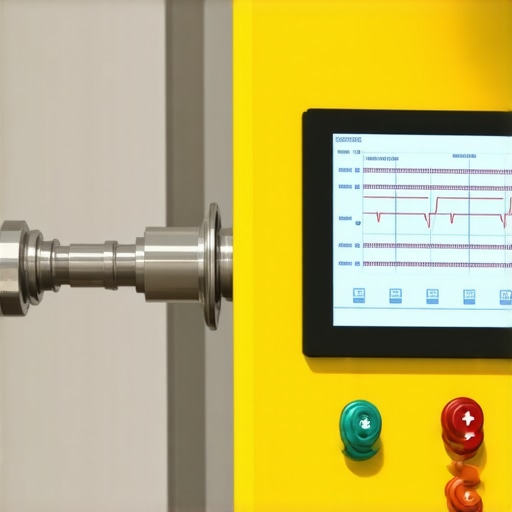
The integration of smart diagnostic tools allows field operators to monitor pressure relief valve health remotely. Wireless sensors can detect early signs of wear, clogging, or calibration drift, alerting maintenance teams before a trip occurs. This proactive approach minimizes downtime and averts potentially hazardous over-pressurization scenarios, fostering a culture of predictive maintenance. Embracing data analytics enables operators to discern patterns and optimize settings tailored to specific soil and operational conditions.
Community-Driven Innovations for Safer Excavation Practices
Collaborating with industry peers through forums and workshops accelerates the development of best practices and novel solutions. Sharing case studies on successful pressure management strategies fosters collective learning, sparks innovation, and promotes standards that prioritize safety. Experienced operators can contribute insights on adjustment techniques, while engineers can offer tailored technological upgrades, ultimately shifting the industry toward more resilient and intelligent hydrovac systems.
Implementing Dynamic Pressure Control: Challenges and Opportunities
While adaptive pressure regulation systems present exciting possibilities, they also introduce complexities such as integration with existing equipment, calibration requirements, and cost considerations. Addressing these challenges involves meticulous planning, pilot testing, and collaboration with manufacturers to develop user-friendly interfaces. Embracing automation not only reduces human error but also enables real-time responsiveness to subterranean variability, cultivating safer work environments and higher efficiency levels.
What Proven Strategies Enable Smooth Transition to Smart Pressure Management Systems?
Transitioning to intelligent pressure control involves comprehensive training, phased implementations, and ongoing support. Establishing standardized procedures for calibration, data analysis, and emergency response ensures consistency. Additionally, fostering a safety-first mindset among operators encourages adoption and maximizes system benefits. Companies that invest in continuous education and stakeholder engagement position themselves at the forefront of technological innovation—pioneering safer, more reliable excavation practices.
Interested in revolutionizing your hydrovac operations? Dive deeper into industry-leading solutions and connect with experts dedicated to advancing excavation safety—your next breakthrough could redefine standards in underground utility management.
Maximizing Efficiency with Precision Pressure Control in Hydrovac Operations
In the intricate realm of hydro-vacuum excavation, the nuanced calibration of pressure systems extends beyond basic setup, demanding a mastery of real-time adjustments and soil-responsive strategies. Sophisticated pressure regulation, leveraging AI-driven analytics and adaptive control algorithms, enables operators to respond dynamically to subterranean variability, minimizing the risk of over-pressurization and equipment strain. These innovations transform traditional systems into intelligent platforms capable of preemptively modulating hydraulic parameters, thereby ensuring both safety and efficiency at unprecedented levels.
Can Real-Time Soil Characterization Drive Smarter Pressure Management?
Emerging technologies facilitate continuous soil property assessment through integrated sensors and geotechnical modeling. High-resolution data on soil moisture, density, and composition feed adaptive algorithms that tailor pressure settings instantaneously. This synergy between soil science and hydraulic control not only reduces false relief trips but also optimizes excavation speed. Implementing such systems can significantly lower operational costs while bolstering underground utility protection. For authoritative insights into soil-monitoring integration, consult publications by the American Society of Civil Engineers.
Enhancing Relief Valve Longevity Through Material Innovation and Design
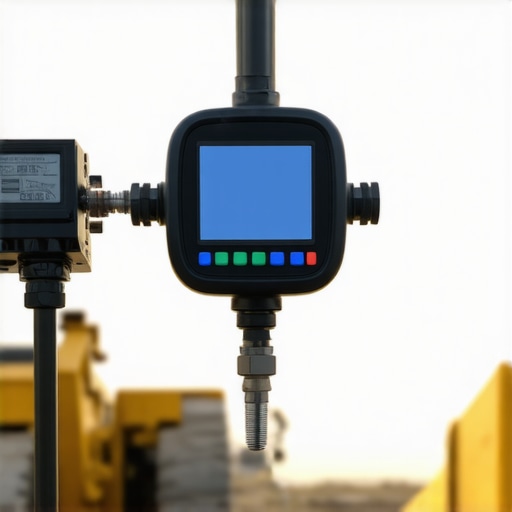
Material science breakthroughs have paved the way for high-performance relief valves capable of withstanding abrasive debris, chemical corrosion, and cyclic stress. Advanced composites and alloy formulations extend service life and maintain calibration integrity under demanding excavation conditions. Additionally, modular design approaches facilitate easy maintenance and component replacement, reducing downtime and preventing pressure-related system failures. Leveraging these innovations demands collaboration with manufacturers committed to pushing the boundaries of durability and precision in relief valve technology.
Is Sophisticated Diagnostics the Future of Excavation Safety?
Integrating IoT-enabled diagnostic tools allows for continuous monitoring of relief valve health and hydraulic integrity. Predictive analytics analyze sensor data to detect early signs of wear, contamination, or calibration drift, enabling preemptive maintenance schedules. This proactive paradigm shift minimizes unexpected failures, enhances operator confidence, and safeguards underground infrastructure. Industry leaders emphasize that adopting full-scale diagnostic ecosystems accelerates safety protocols and operational resilience, aligning with the highest standards of geotechnical and hydraulic engineering excellence.
#
Expert Insights & Advanced Considerations
Precision Calibration Is Non-Negotiable
Ensuring pressure relief valves are accurately calibrated to site-specific conditions prevents premature activations, safeguarding both operational efficiency and underground utility integrity.
Soil Composition Demands Adaptive Strategies
Variations in soil type and moisture content require dynamic pressure management, emphasizing the importance of real-time sensors and intelligent control systems to maintain system stability.
Material Innovation Extends Valve Lifespan
Incorporating advanced composites and corrosion-resistant alloys in relief valves enhances durability and performance longevity under abrasive underground conditions.
Predictive Maintenance Transforms Reliability
Utilizing IoT-enabled diagnostics facilitates early detection of wear or clogging, enabling proactive interventions that reduce downtime and prevent hazardous failures.
Integrated Soil and Pressure Modeling Is a Game Changer
Sophisticated geotechnical modeling combined with hydraulic simulations allows operators to anticipate pressure fluctuations and adjust settings preemptively for optimal safety and productivity.
Curated Expert Resources
- American Water Works Association (AWWA) — Offers comprehensive standards and best practices for pressure regulation in water and utility systems, vital for high-pressure hydrovac operations.
- Geotechnical Society Publications — Provides in-depth research on soil behavior under hydraulic loads, informing smarter pressure management strategies.
- Hydrovac Industry Journals — Features case studies and technological advancements in relief valve technology and system design tailored for excavation professionals.
- IoT and Automation Whitepapers — Discuss innovations in predictive maintenance and real-time diagnostics applicable to pressure relief systems.
Final Expert Perspective
In the realm of trenching and hydro-vacuum excavation, pressure relief valve performance isn’t just a component—it’s a cornerstone of operational success and underground safety. Embracing cutting-edge materials, advanced diagnostics, and adaptive control mechanisms transforms traditional pressure management into a proactive, highly reliable process. As industry best practices evolve, integrating these insights ensures your systems remain resilient against the unpredictable challenges of subsurface conditions. Dive deep into these strategies, share your expertise, and contribute to shaping safer, more efficient excavation standards—collaboration is the key to tomorrow’s breakthroughs in hydrovac technology.