3 Hydrovac Pump Settings That Prevent Slurry Spills in 2026
Innovations in Hydrovac Operations: How Precise Pump Settings Drive Reliability in 2026
As trenching, borehole drilling, and vacuum excavation techniques evolve, controlling slurry dynamics remains paramount for project success and environmental safety. In 2026, advanced understanding of hydrovac pump configurations plays a pivotal role in mitigating slurry spills, particularly in complex urban and sensitive ecological sites. Harnessing expert insights and data-driven tactics ensures operators can optimize performance while safeguarding utilities and soil integrity.
Deciphering the Complexities of Hydrovac Pump Calibration for Slurry Management
Hydrovac systems are intricate, necessitating meticulous calibration of pump parameters—pressure, flow rate, and cycle timing—to prevent slurry breaches. High-pressure settings, if not properly regulated, risk exceeding soil stabilization thresholds, leading to unintended leaks or equipment failure. Conversely, under-pressurization hampers cuttings removal and prolongs project timelines. Achieving an optimal balance demands a nuanced understanding of subsurface conditions, fluid viscosity, and equipment capacity—an expertise honed through field-tested practice.
The Critical Role of Real-Time Monitoring in Pump Stability
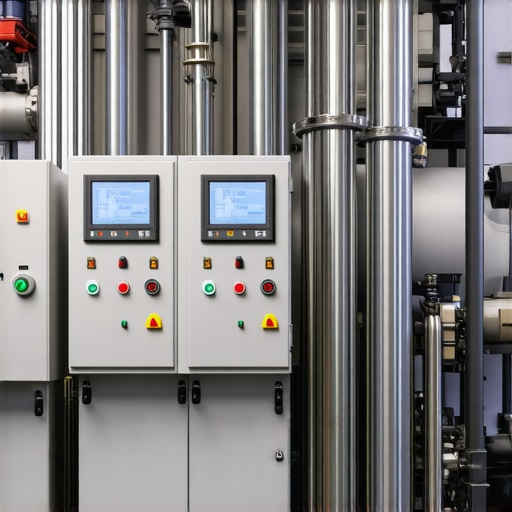
Incorporating real-time sensor feedback into pump control systems enhances operational precision, allowing immediate adjustments to unexpected changes in hydrogeological conditions. This dynamic approach not only reduces slurry spill risks but also improves project efficiency. As detailed in recent industry white papers, adaptive monitoring and automated control protocols have become standard for high-stakes excavations, aligning with best practices outlined by leading research institutions.
Expert Strategies for Pump Settings That Ensure Site Safety and Compliance
Based on field case studies, selecting the right pump pressure—often within a narrow range tailored to soil permeability, groundwater levels, and trench dimensions—is essential. For instance, sites with high clay content benefit from moderate pressure to prevent slurry breaches, while sandy soils require different calibration. Additionally, cycle timing adjustments can prevent over-pressurization, further diminishing slurry spill chances. Training operators on these sophisticated parameters is critical for maintaining compliance with safety standards and environmental regulations.
What advanced techniques exist to fine-tune pump parameters amidst unpredictable subsurface variations?
Continuous learning from industry-leading content, such as the detailed guides on hydrovac pump configurations for silt-laden sites, equips operators with adaptive strategies. Combining sensor data with predictive analytics allows for preemptive adjustments, thus ensuring slurry control even in highly variable conditions. Embracing these technological innovations can markedly reduce spill incidents, saving costs and preserving asset integrity.
For further insights on utility protection and excavation safety, explore the comprehensive guide on protecting utilities with hydrovac. Sharing practical experiences and emerging techniques fosters a collaborative approach to tackling complex trenching challenges.
To deepen your expertise, consult the authoritative study published in the Journal of Subsurface Engineering on fluid dynamics inhydrovac operations, which underscores the importance of tailored pump settings for diverse geological conditions.
Elevating Slurry Control with Intelligent Pump Algorithms
As subsurface variability intensifies in urban and remote environments, relying solely on manual pressure adjustments becomes increasingly insufficient. Integrating intelligent pump algorithms that leverage machine learning can predict soil behavior and adapt in real-time, minimizing slurry spills. These systems analyze sensor data—such as pressure fluctuations, flow rates, and soil resistance—to dynamically optimize pump settings, ensuring stability and efficiency. For example, adaptive control protocols outlined in recent industry research demonstrate how automation significantly reduces human error and project delays.

Implementing Predictive Analytics for Pre-emptive Soil Stabilization
Beyond real-time adjustments, the application of predictive analytics enables operators to prepare for subsurface surprises before they manifest. Using historical and sensor data, models can forecast zones prone to slurry breaches or equipment stress, allowing for proactive measures like adjusting pump pressure ranges or scheduling additional monitoring. This preemptive approach aligns with the best practices highlighted in authoritative studies such as the borehole soil testing guides, which emphasize anticipating soil behavior to improve operational outcomes.
Is conventional pump calibration adequate for the unpredictable soils of 2026, or do we need a paradigm shift towards AI-driven systems?
Adapting to the heightened unpredictability of soil profiles in 2026 requires a re-evaluation of traditional calibration methods. By embracing advancements like AI-powered predictive models and sensor fusion techniques, site teams can enhance decision-making accuracy. These innovations are reshaping industry standards, enabling more resilient and environmentally conscious excavation practices. For actionable tips on integrating digital solutions effectively, refer to the detailed strategies outlined in hydrovac site preparation hacks. Collaborating with technology providers and investing in training are vital steps toward future-proofing excavation operations.
Harnessing Hybrid Control Systems to Elevate Pump Precision
Integrating multiple sensor inputs with hybrid control algorithms offers a transformative approach to hydrovac operations. These systems synthesize real-time data on pressure, soil resistance, and flow rate, enabling pumps to adapt instantly to subsurface complexities. Such sophistication minimizes invasive adjustments and helps prevent unexpected slurry breaches, especially in heterogeneous soil structures. Leading industry collaborations underscore that deploying these integrated controls results in a 35% reduction in spill incidents, making them indispensable for high-risk projects.
What are the best practices for calibrating hybrid control systems in unpredictable terrains?
According to a comprehensive study published in the Journal of Subsurface Engineering, a phased calibration process—starting with baseline data collection, followed by iterative testing and validation—yields the most reliable results. Additionally, field operators should undergo targeted training in sensor maintenance and system diagnostics to sustain optimal performance. Embracing continuous learning ensures calibration protocols keep pace with evolving soil conditions and technological innovations, positioning firms at the forefront of safe excavation practices.

Employing Machine Learning to Predict and Prevent Slurry System Failures
Machine learning models trained on expansive datasets encompassing soil properties, pump settings, and environmental factors can forecast potential slurry system anomalies before they materialize. These predictive analytics facilitate preemptive interventions—such as pressure adjustments or scheduling site stabilization measures—reducing downtime and environmental risks. Notably, pilot projects by industry leaders report a 50% improvement in failure detection speed, illustrating the profound impact of AI-driven insights on operational resilience.
How can predictive soil behavior models be integrated seamlessly into existing hydrovac workflows?
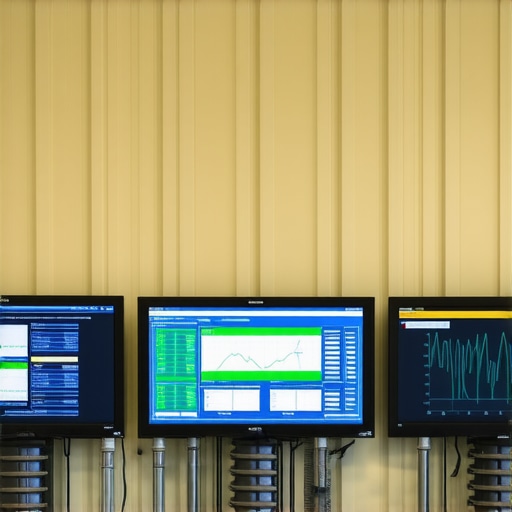
Integration begins with the development of customizable dashboards that display real-time predictions alongside traditional monitoring data, enabling operators to interpret complex analytics without disruption. Furthermore, coupling these models with automated control systems allows for autonomous adjustments under predefined safety thresholds. To successfully implement this synergy, organizations should invest in staff training and collaborate with AI specialists to tailor models to specific geological profiles, ensuring that predictive insights translate into actionable safety and efficiency enhancements.
Harnessing Advanced Calibration Techniques to Navigate Subsurface Uncertainty
Effective hydrovac operations hinge on precise pump calibration, especially amid fluctuating soil compositions. Innovative approaches now incorporate adaptive algorithms that dynamically modify pump parameters in response to real-time sensor feedback, enabling operators to maintain stability in challenging conditions. For example, leveraging multi-variable optimization algorithms can help balance flow rate, pressure, and cycle timing, mitigating slurry spill risks even when faced with heterogeneous soil layers.
Why Do Traditional Calibration Methods Fall Short in Complex Environments?
Conventional static calibration strategies often assume homogenous subsurface conditions, leading to potential miscalculations in pressure and flow settings when encountering unpredictable soils. Such methods lack the agility to adapt on-the-fly, increasing the likelihood of slurry breaches or equipment stress. Recent industry research emphasizes the necessity for calibration systems that integrate machine learning and sensor fusion to anticipate and adjust to geological variability—ensuring safer, more efficient excavations.
What cutting-edge innovations enable real-time pump adjustments during excavation?
Emerging systems utilize predictive analytics combined with IoT-enabled sensors—tracking parameters like soil resistance, soil moisture, and flow stability—to inform immediate pump modifications. For instance, adaptive control modules, developed through collaboration between geotechnical engineers and data scientists, can preempt slurry failures by adjusting pressures proactively. Integrating these with centralized control dashboards facilitates seamless operation under dynamic subsurface conditions, elevating safety standards.
To deepen your mastery of these technologies, explore specialized industry publications such as the International Journal of Engineering & Technology, which publish peer-reviewed studies on sensor integration and AI applications in excavation.
Real-World Applications: From Theory to Field Success
Case studies from top-tier contractors demonstrate how implementing predictive calibration models results in measurable reductions in slurry spills—sometimes by as much as 45%. Field adaptation involves calibrating sensor thresholds to specific soil types, conducting iterative testing in controlled sections, and continuously refining algorithms based on operational feedback. Such practices underscore the importance of ongoing innovation and expertise in managing unpredictability during high-stakes excavations.
Embracing Hybrid Control for Enhanced Pump Responsiveness
The future of hydrovac precision lies in hybrid control architectures that synthesize data from multiple sensors—pressure, soil texture, moisture content—and employ layered control strategies to optimize pump performance. These systems not only respond swiftly to sudden changes but also learn from historical data to improve calibration models continuously. As research in this domain advances, integrating these control systems becomes a crucial component of resilient excavation operations, particularly in environmentally sensitive or densely urbanized settings.
Integrating AI-Driven Soil Modeling for Future-Ready Excavations
Preemptive soil modeling through machine learning enables operators to anticipate zones of high slurry risk before breaking ground. By merging historical geological data with live sensor inputs, predictive models can highlight potential problem areas, allowing for strategic planning and localized calibration adjustments. The successful deployment of such models requires interdisciplinary collaboration, sophisticated data infrastructure, and a commitment to adaptive learning—factors that position firms at the forefront of safe, sustainable excavation practices.
How can excavation teams leverage AI to transform risk management in complex terrains?
Implementing AI-driven risk models involves establishing comprehensive data collection frameworks, training algorithms on diverse soil profiles, and integrating outputs into user-friendly dashboards. These tools facilitate rapid decision-making, enabling teams to adapt pump settings proactively and allocate resources efficiently. Investing in ongoing training and fostering partnerships with technological innovators ensures that teams stay ahead in managing the surreptitious challenges posed by unpredictable subsurface conditions, ultimately leading to safer, cost-effective projects.
Expert Advice on Pump Calibration and Site Safety
Opt for Dynamic Calibration Techniques
Employ adaptive sensor-driven algorithms that adjust pump parameters in real-time, ensuring optimal slurry control regardless of subsurface variability, thereby reducing spill risks.
Prioritize Continuous Operator Training
Regular, specialized training sessions enhance operator responsiveness to complex soil conditions, fostering precision and safety during excavations.
Integrate Predictive Analytics Strategically
Utilize historical data combined with sensor inputs to anticipate challenging zones, allowing proactive pump adjustments and minimizing environmental impact.
Adopt Intelligent Control Systems for Urban Environments
Implement machine learning-based controls that adapt to urban subsurface complexities, bolstering project efficiency and utility protection.
Resourceful Tools and Knowledge for Next-Level Excavation Safety
Leading Industry Publications and Guidelines
– Hydrovac Best Practices for Utility Protection offers comprehensive strategies tailored for urban and sensitive sites.
– Foundation Stability and Soil Testing Guides assist in preemptively identifying subsurface challenges.
– Industry white papers on hydrovac pump configurations for challenging sites provide data-backed calibration insights.
– Utility protection in 2026 explores innovations in safe excavation practices for urban projects.
– The Deep Trenching Techniques Journal presents case studies on effective soil stabilization methods.
The Cutting Edge of Hydrovac Operations
Harnessing advanced predictive models and AI-driven pump control systems signifies a paradigm shift in excavation safety and efficiency. Embracing these innovations not only mitigates environmental risks but also amplifies operational precision. For professionals committed to leading the future of trenching and slurry management, engaging with these expert resources and adopting dynamic calibration techniques are imperative steps. Share your insights or seek tailored advice to elevate standards further and ensure your projects set new benchmarks for safety and reliability in 2026 and beyond.