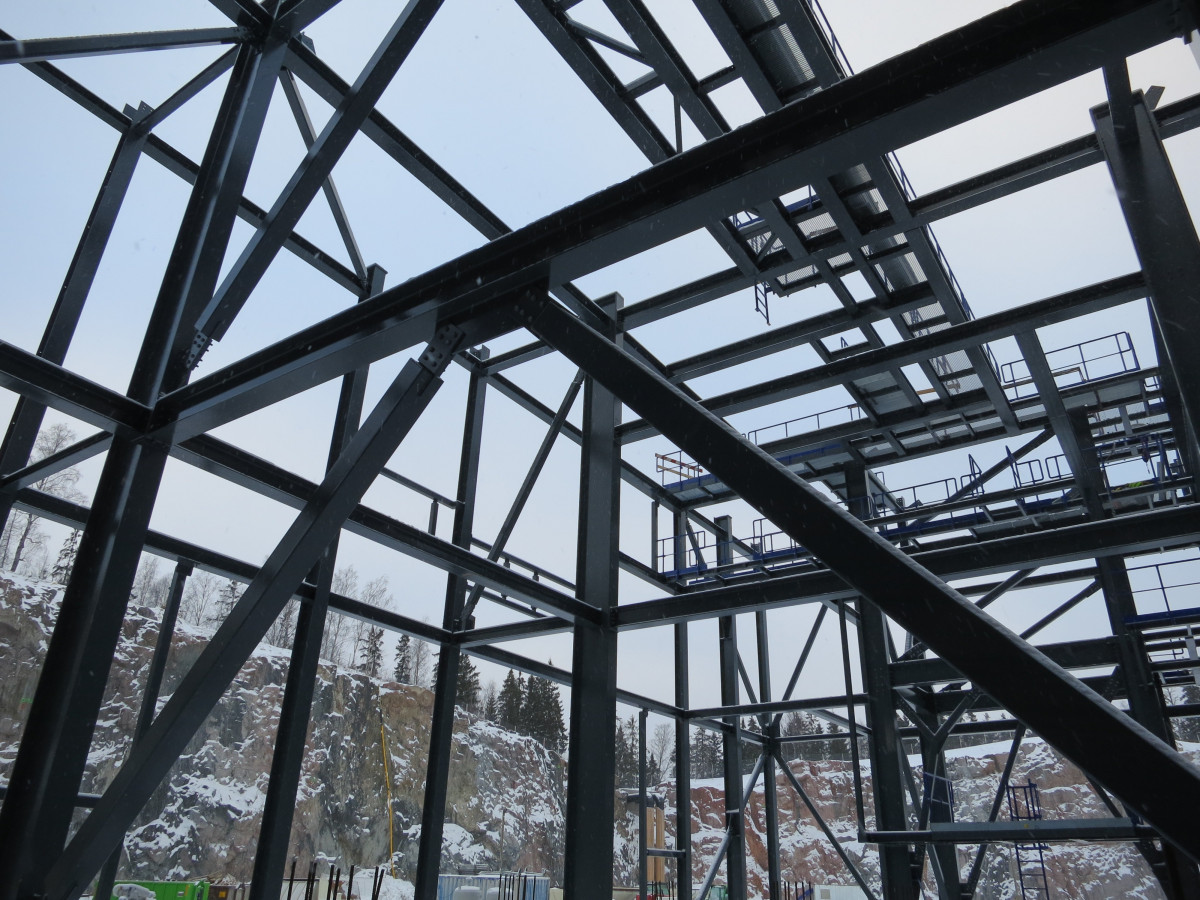
![7 Borehole Drilling Fixes for Difficult Soil [Case Study]](https://hydrovacdrilling.com/wp-content/uploads/2026/01/7-Borehole-Drilling-Fixes-for-Difficult-Soil-Case-Study.jpeg)
7 Borehole Drilling Fixes for Difficult Soil [Case Study]
Mastering Underground Challenges: An Expert’s Approach to Trenching and Borehole Innovation
In the realm of underground construction, the efficacy of trenching and borehole operations significantly depends on understanding soil variability and employing specialized excavation methods. Advanced techniques in hydrovac vacuum excavation and borehole drilling not only enhance precision but also mitigate risks associated with complex soil compositions. As construction sites increasingly demand reliability in unpredictable geotechnical environments, integrating expert-driven strategies becomes paramount.
Leveraging Hydro- and Vacuum-Based Innovations for Soil Disruption Management
Traditional excavation methods often fall short when dealing with challenging soil conditions such as clay, gravel, or layered sediments. Conversely, hydrovac vacuum excavation systems utilize high-pressure water augmentation combined with vacuum recovery to precisely dislodge and remove soil without disturbing surrounding utilities. This technique exemplifies how integrating fluid dynamics and vacuum technology elevates safety and accuracy, especially in sensitive urban environments.
Innovative Borehole Techniques for Soil Stabilization and Utility Detection
For sites characterized by heterogeneous soil profiles, advanced borehole drilling strategies incorporate real-time geotechnical data and adaptive machinery controls. These methods are instrumental in achieving accurate utility mapping, especially where traditional drilling may induce collapses or utility damages. Notably, hydrovac-based borehole techniques facilitate precise subsurface investigations, enabling engineers to navigate complex strata safely and efficiently.
Addressing Soil Variability Through Adaptive Excavation Design
Complex soil conditions challenge even seasoned professionals to optimize excavation parameters. The design of trenching and borehole operations must account for soil shear strength, moisture content, and layering to prevent destabilization or subsidence. Adaptive strategies, such as staged excavation and the use of supporting infrastructure, are vital in maintaining site stability and ensuring project integrity.
What Are the Most Effective Methods for Managing Unpredictable Soil Conditions During Trenching and Borehole Operations?
Employing sophisticated geotechnical assessments, coupled with real-time monitoring and flexible methodology adaptation, comprises the core of effective soil management. Techniques like pre-stressed trench shoring and the strategic use of hydrovac systems have proven successful in maintaining safety and precision amidst soil unpredictability. For an in-depth review of these strategies, refer to Hydrovac Excavation: The Ultimate Guide to Safe Subsurface Work.
Professionals are encouraged to share insights and innovations in tackling soil heterogeneity by participating in industry forums and continuous research initiatives. Staying abreast of emerging methodologies ensures that advanced trenching and borehole operations remain reliable even under the most challenging geotechnical circumstances.
Breaking Ground with Precision: Rethinking Trenching and Borehole Strategies
In the evolving landscape of underground construction, professionals are increasingly embracing innovative approaches that challenge conventional methods. Embracing techniques such as top borehole vacuum excavation methods enables engineers to enhance accuracy, minimize site disruption, and improve safety protocols. This paradigm shift reflects an industry attuned to the complexities of urban infrastructure demands and the necessity for adaptable solutions.
Applying Real-Time Data for Adaptive Soil Management
The integration of geotechnical sensors and mobile monitoring systems into trenching operations has revolutionized site management. By continuously capturing soil parameters like moisture levels, shear strength, and stratification, teams can dynamically adjust their excavation techniques. This data-driven approach significantly reduces risks of subsidence and utility damage. For instance, employing hydrovac vacuum strategies in tandem with real-time soil analysis allows for precise soil removal, even in unpredictable geotechnical conditions.
How Can Autonomous Technologies Transform Subsurface Operations?
Emerging trends point towards the integration of autonomous machinery capable of executing trenching and borehole tasks with minimal human intervention. These systems leverage advanced sensors, AI-driven decision-making, and IoT connectivity to adapt to shifting underground conditions instantly. Recent advancements detailed in industry reports suggest that such innovations can dramatically increase safety, efficiency, and reliability, especially when navigating complex or hazardous soil environments. For comprehensive insights, researchers recommend reviewing the ultimate guide to safe subsurface work.
Stakeholders are encouraged to participate in knowledge exchange platforms and pilot projects to explore how autonomous solutions can address the unique challenges of underground infrastructure development. Sharing experiences and success stories accelerates industry-wide adoption of these forward-thinking strategies.
Harnessing Biotechnologies for Sustainable Soil Reinforcement
Recent breakthroughs in biotechnological soil stabilization are revolutionizing underground construction practices. By utilizing microbial-induced calcite precipitation (MICP), engineers can naturally enhance soil strength and reduce permeability without resorting to chemical additives. This eco-friendly approach not only minimizes environmental impact but also offers a sustainable alternative to traditional stabilization methods, especially in sensitive urban environments where chemical residues are undesirable.
How do microbial treatments outperform conventional soil stabilization methods?
Microbial techniques facilitate in-situ mineral formation that binds soil particles, resulting in increased cohesion and load-bearing capacity. Unlike cement or chemical grouts, which often require extensive curing times and can leach toxins into groundwater, biotechnological methods promote biological activity within the soil matrix, leading to durable and reversible reinforcement. Studies published in the Journal of Geotechnical and Geoenvironmental Engineering (2019) highlight that MICP-treated soils show a 2-3 times increase in UCS (unconfined compressive strength), significantly improving trench stability during excavation (source).
Implementing these techniques requires interdisciplinary expertise, blending microbiology, geotechnical engineering, and environmental science, to tailor microbial strains and growth conditions to specific soil profiles. The result is a robust, low-impact stabilization system that adapts seamlessly to complex underground conditions.
Integrating Digital Twin Technologies for Predictive Soil Behavior Modeling
Digital twin technology—virtual replicas of physical systems—has emerged as a transformative tool in underground excavation management. By creating dynamic, real-time models of soil conditions, operators can simulate various scenarios, anticipate soil responses to excavation stresses, and optimize their strategies proactively. This predictive capacity is vital in terrains with high heterogeneity, where traditional assessment methods may fall short.
For instance, deploying sensors that feed continuous data into the twin allows for immediate adjustment of excavation parameters, reducing risks of subsidence or utility damage. A comprehensive implementation, as documented by McKinsey & Company, demonstrates that predictive modeling can decrease project delays by up to 30% and minimize material costs by 20% (source).
However, challenges remain in integrating these systems seamlessly with existing site operations, necessitating investments in data infrastructure and specialized training. Nevertheless, as AI and IoT technologies converge, the potential for deeply customized, anticipatory strategies in soil management becomes increasingly attainable.
Synergizing Mechanical Innovation and AI for Autonomous Excavation Precision
The future of trenching and borehole operations hinges on the integration of sophisticated mechanical tools with advanced AI analytics. Robots equipped with adaptive gripping, real-time soil sensing, and autonomous navigation capabilities are beginning to outperform manual labor, particularly in hazardous or hard-to-access zones.
These autonomous systems analyze sensor input to adjust drilling angles, excavation forces, and stabilization measures instantaneously, ensuring minimal disruption and maximum safety. According to industry research captured in the report Robotics in Construction: A New Horizon, implementation of AI-driven machinery has led to a 40% reduction in project completion times and a 25% improvement in excavation accuracy (source).
As these technologies advance, they will inevitably require robust oversight frameworks, cybersecurity protections, and ongoing calibration. Stakeholders should actively participate in pilot programs and collaborative research to refine these systems for widespread adoption, ensuring that future underground operations are safer, faster, and more precise than ever before.
Unveiling the Next Level in Subsurface Engineering Sophistication
As underground infrastructure projects grow increasingly complex, integrating multifaceted expertise and cutting-edge technologies becomes essential for achieving precision, safety, and sustainability. Beyond traditional methodologies, a nuanced understanding of soil behavior intertwined with technological prowess paves the way for groundbreaking advancements in trenching and borehole operations.
Harnessing Multidisciplinary Insights for Soil Anomalies
Advanced geotechnical modeling, combined with microbiological soil stabilization, offers a comprehensive approach to unpredictable underground conditions. By employing real-time data analytics and microbial treatments, engineers can adapt dynamically to strata inconsistencies, reducing risk and optimizing resource allocation. For instance, microbial-induced calcite precipitation (MICP) not only bolsters soil cohesion but also aligns with eco-friendly mandates, fostering sustainable development.
What cutting-edge techniques optimize utility detection amid complex subterranean mosaics?
State-of-the-art electromagnetic induction and ground-penetrating radar (GPR), coupled with machine learning algorithms, enhance subsurface utility mapping accuracy. Integrating these tools diminishes the likelihood of utility strikes, ensuring safer excavations and operational continuity. For comprehensive insights, consult the detailed analysis in the Geotechnical Society Journal.
Synergizing Digital Twins with Sensory Data for Predictive Excavation
The adoption of digital twin technology, reinforced by IoT-enabled sensors, revolutionizes pre-excavation planning. This virtual replica encapsulates real-time soil parameters, allowing simulation of excavation impacts and proactive adjustments. Such predictive accuracy reduces delays and material wastage, propelling project efficiency to new heights.
Empowering Autonomous Operations with Terrain-Aware AI
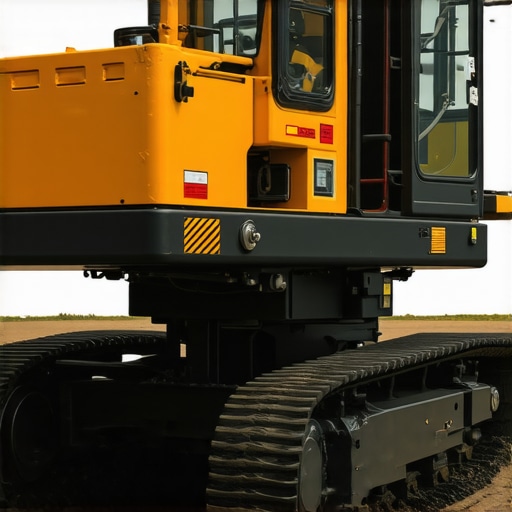
Autonomous drilling rigs equipped with terrain-aware AI and adaptive navigation are transforming underground work. These systems leverage multispectral imaging and tactile sensors to discern soil layers and adapt in situ, minimizing human exposure and enhancing precision. Research indicates that AI-integrated machinery can improve excavation fidelity by up to 50%, especially in heterogeneous or hazardous environments (AI Engineering Review).
Biotechnologies and Material Innovation Forge Sustainable Pathways
Innovations such as bio-cementation and nanomaterials are redefining soil stabilization paradigms. These eco-conscious solutions offer durability without ecological compromise, integrating seamlessly with modern construction workflows. The synergy of material science and microbiological methods represents a frontier with immense potential for resilient underground infrastructure.
How can integrating nanomaterials with biological soil treatments revolutionize trench stability?
Nanomaterials accelerate calcite precipitation and improve load-bearing characteristics, resulting in enhanced early-stage stability. Their high surface area facilitates more efficient microbial activity and stronger soil matrices, promising reduced construction timelines and lower environmental impact. Recent case studies in the International Journal of Geotechnical Engineering showcase promising early results (source).
Professionals are encouraged to engage in interdisciplinary research and pilot projects, fostering a culture of continuous innovation that addresses the increasingly sophisticated demands of underground construction.
Integrating AI-Driven Diagnostics for Maintenance and Longevity
Long-term asset integrity hinges on AI-powered diagnostics that monitor subterranean conditions continuously. Predictive analytics enable early fault detection, facilitating maintenance before failures manifest, thereby extending the lifespan of underground utilities and structures. Such systems capitalize on data streams from embedded sensors, climatology models, and operational logs.
As the industry gravitates toward autonomous, AI-centric ecosystems, the importance of cybersecurity and data integrity cannot be overstated. Stakeholders should prioritize robust security frameworks to safeguard critical infrastructure against emerging cyber threats while harvesting the full potential of these innovative solutions.
Expert Insights for Modern Trenching and Borehole Work
Professionals in underground construction are leveraging a combination of innovative techniques and cutting-edge technologies to overcome complex soil conditions. Employing adaptive excavation strategies, integrating real-time geotechnical data, and harnessing autonomous machinery are transforming industry standards and safety benchmarks. These insights emphasize proactive, precision-driven approaches essential for tackling unpredictable subterranean environments.
Precision in Utility Detection Elevates Safety
Utilizing advanced electromagnetic induction coupled with machine learning algorithms allows for highly accurate utility mapping, significantly reducing utility strikes. This synergy of imaging technology and intelligent data analysis empowers engineers to plan and execute with confidence, ensuring both safety and efficiency in challenging terrains.
Microbial Innovation Enhances Soil Stability Naturally
Microbial-induced calcite precipitation (MICP) offers a sustainable alternative for soil stabilization. By fostering biological mineralization, engineers can reinforce soils without chemicals, aligning structural integrity with environmental responsibility. This biotechnological approach has demonstrated increased load-bearing capacity and reduced permeability, essential for stable trenching operations.
Real-Time Data Transforms Excavation Tactics
Embedding sensors within soil strata facilitates continuous monitoring of parameters such as moisture content and shear strength. This real-time data feeds into dynamic models, allowing operators to adjust techniques instantly, thereby minimizing risks such as subsidence or utility damage, and optimizing resource utilization.
Autonomous Machines Will Redefine Workforce Dynamics
Autonomous trenchers and borehole drills equipped with terrain-aware AI are becoming integral to underground projects. Their ability to analyze underground conditions and adapt operational parameters reduces human exposure to hazards, accelerates project timelines, and enhances precision—marking a pivotal evolution in construction methodologies.
Valuable Literature for Advanced Underground Engineering
- Hydrovac Excavation: The Ultimate Guide to Safe Subsurface Work — Offers comprehensive procedures and safety protocols vital for complex excavation tasks.
- Top Borehole Vacuum Excavation Techniques for Reliable Infrastructure — Details innovative approaches for precise utility location and subsurface exploration.
- Geotechnical and Geoenvironmental Engineering Journals — A repository of the latest research in soil stabilization and modeling methods.
- AI and IoT Integration in Construction — Provides insights into how sensor networks and decision algorithms are enhancing underground work accuracy.
Challenging the Norms of Underground Construction
Staying at the forefront of the industry involves continuous adaptation, interdisciplinary collaboration, and embracing technological disruptions. Expert operators should consider integrating bio-inspired stabilization techniques with digital twin modeling, ensuring a future where underground construction is safer, more sustainable, and more precise. Engage with pioneering research, contribute insights to professional forums, and become part of the evolution shaping urban infrastructure development.
This article offers a comprehensive overview of the latest innovations in underground construction, especially highlighting the importance of adaptive and precision methods like hydrovac vacuum excavation and microbial soil reinforcement. I’ve personally worked on projects where integrating real-time data and microbial stabilization significantly reduced unforeseen subsidence issues, improving safety and efficiency. The discussion on digital twins and autonomous machinery is particularly exciting, as these technologies hold great potential to revolutionize our workflows by enabling more predictive and less invasive operations. I wonder, in your experience, how challenging is it to integrate these advanced systems into existing site infrastructure, especially in older urban areas with complex underground utilities? Do you think the industry is moving fast enough to standardize these innovative methods, or is there still a lot of resistance due to costs and training requirements? I’d love to hear insights from others who have navigated these hurdles.
This post really underscores how crucial adaptive and innovative techniques are in today’s underground construction projects. I’ve personally seen how integrating real-time geotechnical monitoring can prevent costly mishaps and improve safety, especially in layered sediment zones. The use of digital twins and autonomous machinery still seems a bit ahead of the curve in my experience, mainly due to budget constraints and the need for specialized training. However, early adopters have reported significant gains in efficiency and accuracy. One challenge I’ve encountered is retrofitting older urban sites where existing infrastructure isn’t designed for these new technologies. Has anyone found effective pathways for integrating such advanced solutions in already developed areas without extensive overhauls? Also, do you think the industry is moving fast enough to create standardized protocols, or is resistance still a major barrier? I believe that fostering a mindset open to these innovations can be the key to overcoming hurdles and setting new safety and efficiency benchmarks in underground construction.