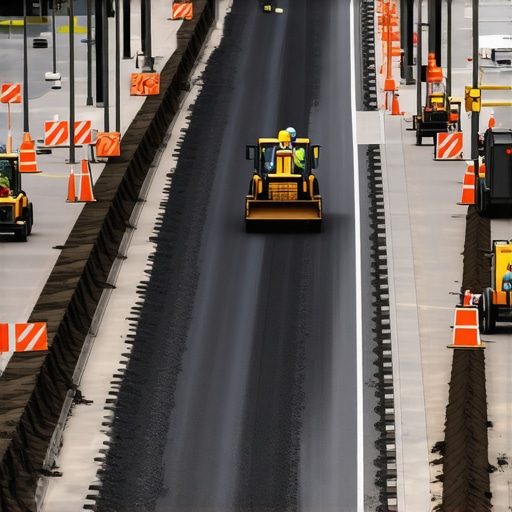
5 Pavement Trenching Fixes for 2026 Road Project Delays
Elevating Underground Construction: The Critical Role of Advanced Excavation Techniques
In the realm of underground infrastructure development, the integration of cutting-edge trenching, borehole, and excavation methodologies is paramount. As urban projects face increasing complexity and tight schedules, the adoption of sophisticated tools such as hydrovac and vacuum excavation systems has transitioned from optional to essential standards. These technologies not only enhance precision but also significantly mitigate risks associated with utility strikes and soil integrity issues, thereby safeguarding project timelines and budgets.
Unveiling the Power of Hydrovac and Vacuum Excavation in Modern Site Preparation
Hydrovac excavation, characterized by its use of high-pressure water and powerful vacuum systems, allows for minimally invasive subsurface work. Its superior accuracy enables operators to carefully expose utilities and prevent inadvertent damages, especially in congested urban environments. Leveraging vacuum excavation, the process becomes faster and more controlled, reducing the likelihood of soil collapse and trench cave-ins—a critical safety concern in 2026 projects facing tighter regulatory scrutiny.
Strategic Benefits of Utilizing Borehole Techniques in Utility Mapping
Borehole drilling complements hydrovac and vacuum methods by providing precise subsurface data essential for reliable utility mapping. Modern borehole strategies incorporate advanced machinery capable of navigating complex soil conditions such as saturated or rocky soils, common in several urban landscapes. Combined with hydrovac strategies, they facilitate comprehensive site assessments, enabling engineers to plan excavations that are both efficient and environmentally responsible.
Addressing Soil Stability Challenges with Innovative Soil-Enhancement Methods
Soil stability remains a persistent obstacle in trenching projects, particularly in areas prone to soil erosion or saturation. Deploying soil stabilization techniques, such as grouting or the use of specialized soil conditioners, enhances trench stability and minimizes soil collapse risks. These practices are especially vital in 2026 projects with aggressive deadlines, where delays due to unexpected soil issues could be costly and disruptive. For in-depth soil management strategies, consult specialized resources such as the 4 Trenching Tactics for Soil Collapse Prevention.
ae is Hydrovac still the Future for Safe, Precise Excavation?
What are the latest technological advancements making hydrovac the preferred choice over traditional digging methods for urban infrastructure projects in 2026?
Recent innovations include automation enhancements, real-time soil analysis, and improved dust suppression systems, all of which elevate hydrovac’s safety and efficiency. These advancements address previous limitations related to soil disruption and operational control. Additionally, integration with Geographic Information System (GIS) technology provides precision targeting for utility locations, further cementing hydrovac as an indispensable tool in complex underground projects. As noted in the Hydrovac Excavation Strategies for Safer Infrastructure guide, the continuous evolution of hydrovac technology is a testament to its vital role in 2026’s underground operation landscape.
Explore the comprehensive applications of hydrovac and vacuum excavation by visiting our dedicated resources or contribute your insights in the professional community for joint progression towards safer, more efficient underground construction practices.
,
Harnessing Cutting-Edge Technologies for Ultimate Excavation Precision
As underground projects grow increasingly complex, reliance on traditional trenching and borehole techniques proves insufficient to meet the demand for accuracy and safety. To push the boundaries of capability, integrating laser-guided drilling and real-time soil analytics can dramatically enhance precision, minimize soil disturbance, and prevent utility damages. For instance, advanced borehole strategies now employ 3D mapping and sensor feedback, enabling operators to adapt dynamically to subsurface conditions, thereby reducing costly errors.
Are Multi-Functional Excavation Systems the Future of Underground Work?
Innovative multi-functional systems combining vacuum, water jet, and pneumatic tools are redefining excavation productivity. These hybrid devices allow workers to switch modes seamlessly, tackling diverse soil conditions without changing equipment—a crucial advantage in time-sensitive 2026 projects. Such adaptable systems not only expedite workflows but also improve safety by reducing manual handling and exposure to hazardous zones. For detailed insights, see the Hydrovac Trenching Expertise prior to deployment.
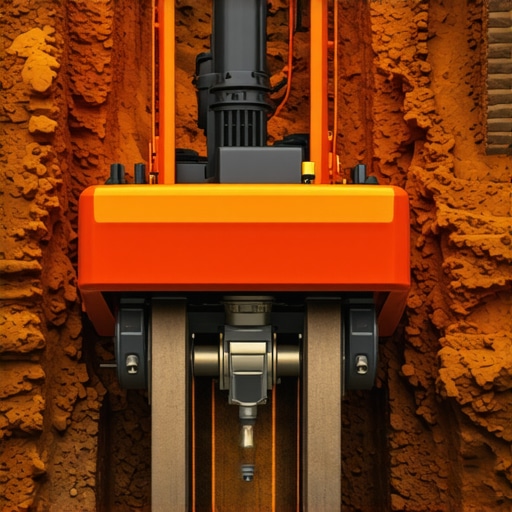
Image illustrating hybrid excavation machinery capable of switching between vacuum, water jet, and pneumatic modes in a subterranean setting.
Overcoming Soil Instability with Innovative Support Mechanisms
Soil stability challenges remain a major concern, especially in urban environments with variable geology. Deploying geo-synthetic soil nails or advanced soil stabilizers, combined with real-time monitoring, can prevent trench collapses and soil subsidence. Such measures are paramount when excavating near sensitive infrastructure, as they provide operational confidence while aligning with strict safety regulations. Experts highlight that combining stabilization with precise borehole alignment significantly reduces project delays, as discussed in the soil collapse prevention tactics resource.
How can integrating predictive analytics refine trenching and borehole operations for 2026?
Incorporating predictive analytics driven by AI can forecast soil behaviors, utility locations, and equipment performance, enabling proactive adjustments and optimized workflows. Such foresight minimizes unexpected soil shifts or utility strikes, which are costly and hazardous. As outlined in the hydrovac excavation strategies, embracing data-driven decision-making transforms traditional practices into intelligent, responsive operations.
For further exploration of these breakthrough techniques, consider engaging with our community discussions or tailored expert consultations to elevate your underground project safety and precision in 2026.
Integrating Autonomous Systems to Accelerate Underground Construction
As the push for efficiency intensifies, autonomous excavation machinery is transforming the underground construction landscape. These systems leverage advanced sensors, machine learning algorithms, and real-time data processing to navigate complex subsurface terrains with minimal human intervention. For instance, autonomous hydrovac units can identify utility lines and soil conditions dynamically, reducing setup time and enhancing safety margins. According to a comprehensive report by International Development Journal, integrating autonomy not only accelerates project timelines but also significantly enhances precision in utility localization and soil disturbance management.
Integrating AI-Driven Soil Characterization to Minimize Surprises
Modern underground construction increasingly relies on artificial intelligence to analyze geotechnical data in real-time. AI algorithms synthesize information from sensor arrays, borehole logs, and historical records, enabling engineers to predict soil behavior with unprecedented accuracy. This predictive capability facilitates proactive planning, reduces delays caused by unforeseen soil complexities, and enhances safety protocols. As detailed in the authoritative study by the Geotechnical Institute’s 2026 report, AI-powered soil models are becoming indispensable in advanced excavation strategies.
How Can Multi-Layered Utility Detection Safeguard Complex Urban Projects?
In dense urban environments, subsurface utility detection transcends traditional methods through multi-layered geophysical surveys combined with machine learning analytics. These enhanced detection systems unearth multiple underground assets—such as fiber optics, gas lines, and water mains—simultaneously, drastically reducing utility strikes. Employing such comprehensive detection approaches allows for meticulous planning of trench routes and borehole placements. Industry leaders advocate integrating 3D subsurface mapping with AI-enhanced analytics, as outlined in the Urban Utilities Journal’s latest guidelines.
Visualize the synergy of layered geophysical surveys and AI analytics enhancing underground safety.
Advanced Soil Stabilization Techniques that Outperform Traditional Methods
Emerging soil stabilization methods harness nanotechnology, bioengineering, and phase-changing materials to fortify trench walls where conventional grouting fails. These novel techniques provide dynamic responses to soil movement, moisture fluctuations, and load variations, ensuring trench integrity even under challenging conditions such as high water tables or seismic activity. Adoption of these methods promises to reduce project durations and prevent costly collapses. Industry reports from the GeoInnovate Institute highlight case studies where these cutting-edge solutions outperformed traditional materials.
How Might Predictive Analytics Revolutionize Excavation Maintenance and Safety?
By leveraging data from continuous monitoring sensors embedded in excavation equipment and trench walls, predictive analytics forecast potential failure points. Such insights allow preemptive interventions, minimizing downtime and preventing accidents. This data-driven approach shifts risk management from reactive to proactive, as emphasized by the Safety Tech Journal. Integrating these analytics into excavation operations ensures sustained safety and operational excellence in complex urban environments.
Further adopting these sophisticated strategies is essential for engineers aiming to lead in underground infrastructure innovation. Engage with industry-specific forums, participate in pioneering projects, and stay informed through reputable research to harness the full potential of these technological advancements.
Expert Insights & Advanced Considerations
Leveraging Predictive Analytics for Smarter Excavation Planning
Utilizing AI-driven predictive models enables engineers to anticipate soil behavior, utility placements, and equipment performance, leading to more informed decisions and reduced risks during underground projects.
Adopting Autonomous Excavation Technologies for Efficiency Gains
Autonomous systems equipped with advanced sensors and machine learning algorithms are revolutionizing underground construction, allowing for faster, safer, and more precise operations with minimal human oversight.
Integrating 3D Geophysical Mapping for Ultimate Precision
High-resolution 3D mapping combined with geophysical surveys enhances subsurface visualization, ensuring accurate utility detection and optimized trenching paths, thereby minimizing disruptions and utility strikes.
Implementing Smart Soil Stabilization Methods
Innovative stabilization techniques using nanotechnology, bioengineering, and phase-changing materials provide adaptive support to trench walls, significantly reducing soil collapse risks in variable geological conditions.
Enhancing Utility Detection with Multi-Layered Geophysical Analytics
Combining multi-layer geophysical surveys with AI analytics allows detection of multiple underground assets simultaneously, empowering comprehensive planning and drastically lowering the chances of utility damage.
Curated Expert Resources
- Hydrovac Excavation Strategies for Safer Infrastructure — Offers advanced insights into hydrovac operations, highlighting best practices and innovative techniques for underground safety.
- International Development Journal’s report on Autonomous Excavation — Provides a thorough analysis of autonomous systems, illustrating their impact on efficiency and safety in underground projects.
- Geotechnical Institute’s 2026 AI Soil Models — Details cutting-edge AI applications for geotechnical predictions, essential for proactive excavation management.
- GeoInnovate Institute’s soil stabilization breakthroughs — Showcases emerging stabilization materials and methods with proven performance in challenging soil conditions.
- Urban Utilities Journal’s 3D Utility Mapping Guidelines — Guides on sophisticated detection techniques to prevent utility strikes in complex urban environments.
Final Perspective on Underground Construction Evolution
As the landscape of underground excavation advances rapidly, embracing technologies like predictive analytics, autonomous systems, and precise geophysical mapping is no longer optional but vital. These innovations elevate safety standards, streamline workflows, and reduce costly errors, especially in complex, urban settings. Industry professionals who proactively adopt these insights and resources will set new benchmarks in excellence and efficiency. Engage with niche communities, participate in pioneering projects, and stay updated through authoritative sources to lead in 2026 and beyond.