Harnessing Advanced Excavation Technologies to Optimize Urban Utility Projects
In the rapidly evolving landscape of urban infrastructure development, the integration of innovative excavation methods such as hydrovac and precision borehole drilling has revolutionized underground utility installation. These sophisticated techniques, driven by advancements in vacuum excavation and soil analysis, mitigate common challenges such as surface disruption, soil stability, and safety hazards. As experts recognize, understanding the nuanced interplay between these methodologies enhances project efficiency and environmental stewardship.
Strategic Application of Hydrovac and Vacuum Excavation for Soil Preservation
Hydrovac systems utilize high-pressure water jets combined with powerful vacuum suction to precisely expose underground utilities without the need for traditional, heavy machinery. This approach not only reduces surface disturbance but also minimizes soil compaction and erosion. Implementing vacuum excavation during site preparation fosters safer work environments by lowering the risk of utility strikes, a concern emphasized by safety guidelines outlined in reputable sources like the Vacuum Excavation Safety Best Practices.
Advances in Borehole Technology for Accurate Soil and Utility Mapping
The art of borehole drilling has seen significant refinement through the adoption of soil sensors and non-invasive detection methods. These tools enable precise identification of subsurface structures and soil conditions, thereby informing strategic placement and drilling angles. Expert discussions frequently highlight that coupling borehole techniques with hydrovac operations ensures minimal risk to existing subterranean assets, streamlining project timelines and cost management.
Overcoming Noise and Environmental Concerns in Urban Settings
Urban utility projects often grapple with community noise complaints and environmental regulations. Innovative solutions include employing silent hydraulics, scheduling operations during off-peak hours, and utilizing noise barriers. Leveraging knowledge from industry-specific guidance, such as the article on trenching near sensitive structures, reflects an understanding of complex urban dynamics and community engagement.
How Does Soil Composition Influence the Selection of Excavation Technique?
What are the critical soil characteristics that dictate whether hydrovac or traditional trenching should be employed for underground utility installation?
Soil typology, moisture content, and stability directly impact excavation strategy. For instance, loose sandy soils with high water tables favor hydrovac methods for their minimal soil disturbance, whereas cohesive clay requires additional shoring or specialized boreholes to prevent collapse. Ground penetrating radar and soil sampling data are indispensable in choosing an optimal approach, with decision models provided by experts in soil-utility interactions.
Engagement within the professional community through knowledge-sharing platforms enriches understanding and fosters innovation. To explore more about soil analysis techniques pertinent to hydrovac operations, consult authoritative sources such as the Science Behind Hydrovac Technology.
Potential research areas include developing adaptive excavation protocols, integrating AI-driven soil prediction, and enhancing environmental impact assessments, ensuring that urban utility projects keep pace with technological progress and sustainability standards.
For professional insights or collaboration opportunities, visit our Contact Page.
Will Automated Soil Analysis Redefine Excavation Precision?
One of the most promising developments in underground utility work is the integration of automated soil analysis tools. These devices utilize real-time data processing and machine learning algorithms to evaluate soil stability, moisture content, and composition instantly, guiding excavation decisions with unprecedented accuracy. Such advancements dramatically reduce the risk of utility strikes and trench collapses, especially in complex urban environments where soil heterogeneity poses significant challenges. For example, by coupling soil sensors with vacuum excavation systems, operators can adapt their approach dynamically, optimizing efficiency and safety.
What Role Do Data-Driven Decision Frameworks Play in Modern Trenching Operations?
Implementing comprehensive data-driven frameworks enables project managers to analyze historical and real-time soil data, predict potential hazards, and select the most appropriate excavation techniques accordingly. This strategic approach integrates geological surveys, soil sensor outputs, and environmental regulations into a cohesive model that supports proactive planning. Industry leaders suggest that adopting such frameworks can reduce project delays and enhance compliance, fostering sustainable urban development.
To deepen your understanding of integrating soil data analytics into excavation planning, refer to authoritative discussions like the article on The Science Behind Advanced Vacuum Excavation.
Furthermore, embracing these innovative methodologies encourages collaboration among geotechnical experts, engineers, and safety professionals, pushing the industry towards smarter, safer underground construction practices. If you’re interested in exploring cutting-edge technologies and methodologies, consider reaching out via our Contact Page for tailored advice and partnership opportunities.
Leverage Precision Metrics to Prevent Subsurface Failures
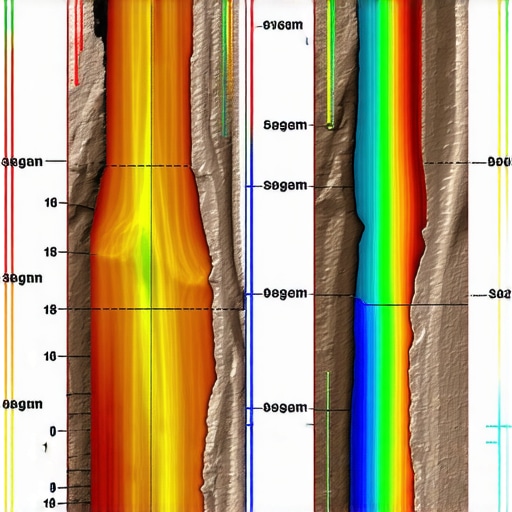
In contemporary urban excavation, the application of advanced data analytics has become pivotal in accurately assessing soil stability and infiltration risks. By integrating multispectral imaging, Geographical Information System (GIS) data, and real-time sensor feedback, engineers can construct detailed subsurface models that predict areas susceptible to collapse or erosion. Such predictive insights allow for preemptive reinforcement strategies, minimizing project delays and structural hazards. Industry leaders advocate for adopting machine learning algorithms that analyze historical soil behavior, enabling dynamic adjustments in excavation techniques to adapt to erratic ground conditions.
What Are the Challenges in Scaling AI-Driven Soil Analysis for Complex Urban Environments?
Implementing artificial intelligence (AI) in soil analysis involves overcoming significant hurdles, including data heterogeneity, sensor calibration discrepancies, and the heterogeneity of urban subsurface profiles. Urban environments often feature a patchwork of soil types, legacy structures, and underground utilities, complicating the creation of universally applicable AI models. Moreover, integrating diverse datasets—such as seismic surveys, borehole logs, and hydrological data—requires sophisticated data fusion techniques. Addressing these challenges calls for developing specialized, site-specific machine learning models that can accommodate local geological idiosyncrasies, ensuring high-precision predictions. A recent study published by GeoTech Journal (2023) emphasizes the importance of adaptive learning algorithms tailored to complex urban geology.
Seize Opportunities with Automated Soil Behavior Forecasting
Emerging technologies in automated soil behavior forecasting, powered by predictive analytics and sensor networks, are revolutionizing excavation planning. These systems continuously analyze input variables such as moisture content fluctuations, temperature variations, and soil deformation patterns. Consequently, operators receive real-time alerts about potential instability zones, enabling immediate intervention or strategic rerouting. Such proactive measures greatly enhance safety margins and permit more aggressive excavation schedules without compromising structural integrity. Notably, companies like DeepEarth Analytics have pioneered platforms that synthesize multisource data into actionable insights, fostering a new era of intelligent excavation management.
How Can Urban Excavation Teams Integrate These Advanced Data Tools Seamlessly into Existing Workflows?
Integration hinges on developing interoperable systems that connect soil sensors, data repositories, and visualization dashboards. Effective integration necessitates staff training on digital tools, establishing data governance protocols, and creating feedback loops between field operators and geotechnical analysts. Implementing modular platforms that can be customized to specific site conditions ensures minimal disruption during adoption. Moreover, fostering a collaborative environment among field teams and data scientists promotes continuous improvement of predictive models, ensuring they adapt to evolving ground conditions and project timelines. To stay ahead, professionals should explore industry workshops and pilot programs outlined in advanced geotechnical symposiums, such as those detailed by the International Geotechnical Conference 2024.
If you’re interested in exploring how cutting-edge data analytics can elevate your excavation projects, connect with our expert team through our Contact Page.
The Fine Art of Soil Profiling and its Impact on Excavation Precision
Accurate soil characterization is the backbone of successful underground utility installations in complex urban settings. Advanced geotechnical investigations employing resistivity imaging, cone penetration testing (CPT), and soil coring provide granular data that inform decision-making, minimizing unforeseen challenges. Expertise in interpreting these datasets allows engineers to tailor excavation methods—whether hydrovac, trenching, or borehole drilling—optimizing safety and efficiency. Recognizing the subtle variances in soil stratification ensures that each project employs the most appropriate technique, prolonging the lifespan of infrastructure and reducing costs.
Could the Next-Level Soil Analysis Revolutionize Utility Installations?
Emerging technologies such as electromagnetic induction sensors and autonomous soil sampling rovers are poised to transform current practices. These innovations facilitate continuous, high-resolution monitoring of subsurface conditions across expansive urban terrains, enabling real-time adjustments during excavation. Integration of Artificial Intelligence (AI) algorithms with sensor networks provides predictive insights into soil behavior, allowing proactive mitigation strategies. Such advancements not only enhance precision but also open avenues for adaptive excavation protocols that respond dynamically to subterranean variability, thus safeguarding legacy structures and underground utilities.
How Do Soil Moisture Dynamics Alter Excavation Strategy in Urban Contexts?
Moisture content significantly influences soil stability, cohesiveness, and excavation approach selection. High moisture levels may lead to soil slumping or collapse, necessitating techniques like soil stabilization using geosynthetics or chemical additives before proceeding. Conversely, low moisture soils may pose risks of dust generation and erosion, demanding dust suppression measures and precise equipment handling. Employing advanced moisture sensors and integrating their readings into a comprehensive site model enables engineers to orchestrate excavation activities with heightened safety and environmental stewardship, ensuring minimal disruption to surrounding structures and ecosystems.
For practitioners eager to deepen their expertise, consulting specialized texts such as the authoritative publication from the GeoTech Journal (2022) offers invaluable insights into moisture analysis techniques and their operational implications.
Advancing your understanding in this domain paves the way toward smarter, more resilient urban excavation strategies—an essential step in navigating the complexities of modern infrastructure development.
Expert Insights Driving Innovation in Excavation Practices
Integrate Smart Soil Analysis for Dynamic Planning
Leveraging real-time soil sensors combined with AI-driven analytics enables excavation teams to adapt instantaneously, reducing risks and optimizing resource use in complex urban environments.
Utilize Non-Invasive Technologies to Protect Subsurface Integrity
Tools like ground-penetrating radar and resistivity imaging provide detailed subsurface maps, allowing for precise planning and minimizing accidental utility strikes during trenching or borehole drilling.
Prioritize Environmental Compatibility in Excavation Design
Innovative techniques such as low-noise hydraulics and dust suppression not only comply with urban regulations but also foster community trust and project sustainability.
Enhance Safety Through Automated Monitoring Systems
Integrating sensor networks that track soil stability and equipment status ensures proactive hazard detection, safeguarding workers and reducing operational downtime.
Implement Modular, Scalable Excavation Solutions
Designing flexible systems that can be expanded or reconfigured on-site supports diverse project needs and facilitates rapid deployment in congested cityscapes.
Curated Resources for Advancing Excavation Expertise
- Vacuum Excavation Safety Protocols: Essential guidelines for minimizing hazards and ensuring compliance in urban projects.
- Advanced Borehole Technologies: In-depth insights into modern drilling methods that improve accuracy and reduce environmental impact.
- Soil Behavior Prediction Models: Cutting-edge research on AI and sensor integration to forecast ground conditions with high precision.
- Community Engagement Strategies: Best practices for maintaining positive relations during disruptive excavation activities.
- Urban Geotechnical Case Studies: Real-world examples demonstrating innovative solutions in dense city settings.
Reassemble Your Approach in Light of Emerging Technologies
The fusion of expert insights, pioneering tools, and strategic resource deployment positions modern excavation at the forefront of urban infrastructure development. Recognizing that soil analysis, safety protocols, and environmental considerations are intertwined allows professionals to craft resilient and efficient utility projects. Embracing these innovations not only elevates operational standards but also aligns with the overarching goals of sustainability and community well-being. For those committed to leadership in the field, engaging with advanced research and industry networks is paramount—consider reaching out through our Contact Page to exchange ideas and foster collaborations.