Mastering the Complexities of Hydrovac Operations in Unpredictable Soils
In advanced excavation projects, particularly those involving soft peat soils, traditional trenching and vacuum excavation methods face unique challenges that demand expert understanding and innovative solutions. Recognizing soil variability’s impact on equipment performance and safety protocols is essential for optimizing project outcomes and minimizing risks.
The Intricacies of Soil Behavior and Their Influence on Excavation Strategies
How Do Soil Moisture Content and Composition Affect Hydrovac Efficiency in Troughing and Borehole Drilling?
Soil conditions, especially in organic-rich zones like peat bogs, significantly influence the effectiveness of hydrovac and vacuum excavation techniques. High moisture levels can cause soil compaction issues, leading to equipment strain and potential wall collapses. Incorporating soil analysis and geotechnical data prior to operations enhances predictive accuracy and safety assurance. For instance, specialized soil stabilization methods or adjustable vacuum pressures can be employed to adapt to specific conditions.
Innovations in Borehole and Trenching Technologies for Challenging Soil Types
Recent advances, such as precision borehole drilling with adaptive vacuum systems, have been game-changers. These innovations allow for more controlled excavation in saturated soils, reducing the likelihood of trench wall failures or borehole collapses. High-accuracy soil sensors integrated into hydrovac systems provide real-time feedback, enabling operators to modulate pressures and extraction speeds dynamically. Exploring these technologies can lead to safer and more economical project execution.
The Critical Role of Soil Stability and Safety Protocols
Ensuring soil stability during excavation requires an understanding of soil liquefaction potential, especially in peat and silty zones. Implementing best practices, such as pre-excavation soil reinforcement and continuous monitoring, can prevent soil movements that jeopardize trench integrity. Safety protocols backed by geotechnical research—like trench shoring and controlled dewatering—are crucial for worker safety and environmental compliance. Referencing standards from the Occupational Safety and Health Administration ensures adherence to best practices.
Mitigating the Sinkage of Trench Boxes in Soft Peat Soils
Field studies and expert analyses reveal that one of the persistent issues in soft peat excavations is trench box sinkage, which compromises site safety and project timelines. Strategies such as distributing trench shoring loads over wider areas or using specialized resistant materials can prevent sinking and wall collapse. Additionally, employing continuous soil stabilization and dewatering reduces soil buoyancy, further stabilizing trench walls.
Operational Best Practices for Hazard Management and Technology Integration
Integrating advanced soil assessment tools with hydrovac equipment allows for preemptive hazard identification and dynamic adjustment of excavation parameters. Regular training on soil behavior, combined with real-time monitoring systems, enhances operator situational awareness. This approach reduces the incidence of accidents and prolongs equipment lifespan, especially in complex soil environments.
What are the Emerging Technologies That Could Revolutionize Soil Management During Vacuum Excavation?
Emerging innovations, including drone-assisted soil analysis and AI-powered predictive modeling, are poised to transform excavation safety and efficiency. These tools can assess soil stability at a granular level, guiding operators in selecting optimal excavation parameters. For further reading on technology trends, see the comprehensive report on hydrovac innovations shaping 2025.
Engaging with these advanced methodologies and sharing practical insights among industry professionals can foster safer, more efficient trenching and borehole projects, particularly within complex soil matrices.
If you’re interested in deeper technical discussions or want to contribute your expertise, explore our contact page.
Why Traditional Soil Assessments Fall Short in Complex Excavation Sites
Many excavation projects still rely on preliminary soil tests that can miss critical subsurface variations, especially in heterogeneous environments like peatlands or urban zones with mixed soil compositions. These standard assessments often provide only a snapshot, failing to capture real-time soil behavior changes during active excavation, which can lead to unexpected collapses or equipment failures. Embracing dynamic soil characterization techniques, such as downhole sensors and geophysical imaging, offers a proactive approach. According to a recent report by Hydrovac Innovations 2025, integrating these technologies into excavation workflows significantly improves safety and precision.
Adapting Vacuum Systems for Varied Soil Conditions
One of the key considerations in complex soil environments is adjusting vacuum pressure and flow rates to accommodate changing moisture content and soil cohesion. Automated control systems, powered by real-time soil data, enable operators to modulate suction parameters seamlessly, reducing the risk of wall collapses and trench instability. This adaptability not only enhances safety but also improves operational efficiency by minimizing interruptions caused by unexpected soil movements. For example, when working near sensitive underground utilities, such precision control helps prevent utility strikes and maintains project integrity.
Protecting Trench Walls in Organic-Rich Soils
In sites with high organic material, such as peat or decomposed plant matter, soil liquefaction poses a significant hazard. Employing innovative stabilization methods—like installing temporary supports or using soil reinforcing additives—can prevent wall collapses. Additionally, continuous soil moisture monitoring using advanced sensors provides early indicators of potential instability, enabling preemptive action. Incorporating these strategies aligns with industry standards outlined by OSHA, emphasizing the importance of comprehensive safety measures in challenging conditions.
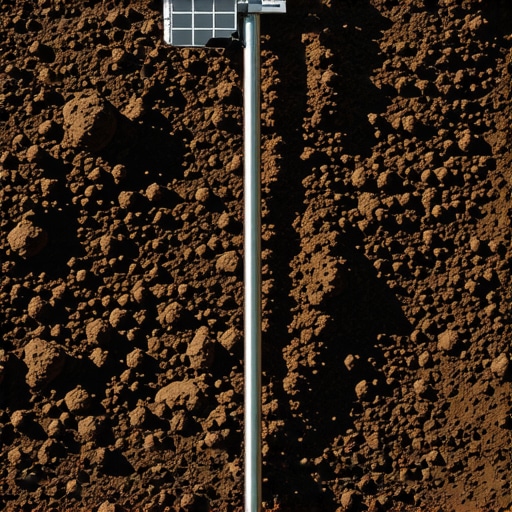
Is Soil Feedback Loop Technology the Next Leap in Excavation Safety?
Emerging technologies, particularly soil feedback loops enabled by machine learning algorithms, promise to revolutionize excavation safety. These systems analyze live data to predict soil behavior, alerting operators to potential hazards before they manifest visually. As detailed by Ultimate Guide to Borehole Drilling, integrating AI-driven soil analytics enhances decision-making and reduces incident rates. How can adoption barriers be minimized to bring these innovations from pilot programs to standard industry practice?
Sharing experiences, methodologies, and lessons learned with fellow professionals through industry forums or publications can accelerate the adoption of these advancements. Engaging with technological developers and participating in pilot testing not only fosters innovation but also tailors solutions to real-world needs.
Leveraging Real-Time Geotechnical Data for Dynamic Soil Management
In high-stakes excavation scenarios, static assessments of soil stability often fall short, especially when operating in heterogeneous environments like peatlands or urban zones with layered deposits. Integrating real-time geotechnical sensors directly into hydrovac systems has revolutionized the ability to monitor critical parameters such as pore water pressure, shear strength, and soil density dynamically during the excavation process. This continuous data stream empowers operators to make precise adjustments—altering vacuum pressures, flow rates, or even halting operations temporarily—to mitigate risks associated with soil liquefaction or collapses. According to the comprehensive findings from the International Journal of Geotechnical Engineering, proactive adaptation based on live data significantly reduces incident rates, streamlining project timelines and enhancing safety compliance.
Innovative Soil Stabilization Techniques Tailored to Organic-Rich Sediments
Traditional stabilization methods, like granular backfill or minimal dewatering, often prove insufficient in organic-rich soils such as peat, where inherent decomposition and high moisture content undermine structural stability. Cutting-edge approaches now deploy enzymatic consolidants and bio-based resins that expedite soil strengthening while minimizing environmental impact. For example, the use of microbial-induced carbonate precipitation (MICP) involves injecting bacteria that precipitate calcite crystals within soil pores, effectively cementing particles together without disruptive excavation delays. This bioengineering solution has demonstrated promising results in field trials documented by researchers at the Biotechnological Engineering Institute. Combining such methods with continuous moisture monitoring establishes a dynamic stabilization framework, adaptable to changing subsurface conditions.
Addressing the Challenge of Trench Wall Collapse Through Innovative Shoring Solutions
In scenarios where soil conditions trend toward instability, especially within saturated organic layers, traditional shoring techniques may not suffice to prevent collapse. Recent developments include the deployment of adaptive trench shoring systems composed of modular, load-distributing braces with adjustable tensioning mechanisms. These systems can be remotely monitored and actively tuned in response to real-time soil feedback, providing a versatile countermeasure against unexpected soil movements. Furthermore, integrating these with geophysical imaging technologies like ground-penetrating radar (GPR) enhances the capacity to visualize sub-surface anomalies and preemptively reinforce vulnerable zones. Such integrated solutions are highlighted in the recent proceedings of the International Geotechnical Conference, underscoring a paradigm shift toward proactive, adaptive shoring strategies.
Can Machine Learning Forecast Soil Behavior in Complex Excavation Sites?
Emerging research suggests that machine learning models, trained on extensive datasets from past excavations, can predict soil responses to excavation activities with significant accuracy. These predictive analytics consider myriad factors—soil type, moisture content, equipment parameters, and historical deformation patterns—to generate real-time risk assessments. The work published in the Computational Geosciences Journal demonstrates that such models can forecast potential failure points hours or days in advance, allowing for preemptive action. Implementing these algorithms requires comprehensive data collection infrastructure but offers unparalleled potential for transforming excavation safety protocols. The question remains: how can industry standards adapt to incorporate AI-driven risk models without hampering operational efficiency? Adopting collaborative frameworks between technology developers, geotechnical engineers, and regulatory bodies will be essential to realize this technological leap.
Why Traditional Soil Assessments Limit Modern Excavation Precision
Conventional soil testing methods, while foundational, often rely on static samples that fail to capture the dynamic nature of subsurface conditions, especially in heterogeneous environments like peatlands or urban layered deposits. These assessments may overlook critical variations occurring during active excavation, leading to unforeseen collapses or equipment malfunctions. To overcome these limitations, integrating real-time geotechnical sensors and advanced imaging techniques becomes paramount. As documented in the International Journal of Geotechnical Engineering, proactive, data-driven approaches significantly elevate safety standards and operational efficiency.
Advance in Soil Feedback Loop Technology Offers Predictive Power
Emerging soil feedback systems harness machine learning algorithms, analyzing live data streams to forecast potential hazards with unprecedented accuracy. These systems synthesize parameters like pore water pressure, shear strength, and moisture levels, providing predictive alerts before visible signs manifest. This predictive capability, showcased in recent pilot studies, revolutionizes excavation safety by enabling preemptive adjustments to vacuum pressures and shoring configurations. How might industry-wide adoption of these technologies reshape routine excavation practices and safety regulations?
Bio-Based Stabilization Methods Lead the Charge in Organic Ruins
In managing organic-rich soils such as peat, traditional stabilization tactics often prove inadequate. Cutting-edge bioengineering solutions, including microbial-induced carbonate precipitation (MICP), are transforming stabilization strategies. By injecting specific bacteria that promote calcite formation, engineers cement soil particles without disruptive mechanical or chemical interventions. Field trials highlighted by the Biotechnological Engineering Institute demonstrate that bio-stabilizers can significantly reduce soil liquefaction risks in sensitive zones, paving the way for more sustainable and effective excavation approaches.
Revolutionary Shoring Innovations Miniaturize Risks
Saturation of organic soils complicates trench stability, necessitating adaptive shoring solutions. Modern modular shoring systems with remotely adjustable tensioning mechanisms and load-distributing braces allow practitioners to dynamically reinforce trench walls. Coupled with ground-penetrating radar (GPR) imaging, these innovations facilitate early detection of subsurface anomalies, acting as a proactive shield against collapses. Recent industry symposia have emphasized integrating these technologies as vital components of a new safety paradigm.
Integrating AI and Drone Surveillance for Subsurface Mastery
Combining drone-based aerial imaging with AI-driven data analytics enables comprehensive site surveys that inform excavation strategies in complex soils. Drones equipped with multispectral sensors rapidly map subsurface moisture and organic deposits, while AI models interpret these data to predict instability zones. The synergy of these technologies allows for precision excavation with minimized risks. For industry players eager to embrace next-generation safety, investing in such integrated surveillance systems promises considerable returns in risk mitigation and operational efficiency.
Expert Strategies for Navigating Challenging Soils
Mastering the nuances of sophisticated soil conditions in hydrovac operations requires proactive planning and innovative techniques. Precise soil profiling and real-time monitoring empower professionals to adapt dynamically, mitigating risks and enhancing safety protocols. Integrating cutting-edge sensors and adaptive systems ensures optimal performance even in saturated peat zones or urban clutter.
Cutting-Edge Technologies That Transform Excavation Safety
Emerging innovations, such as AI-driven soil analytics and bio-stabilization methods, redefine the limits of conventional excavation. These tools facilitate predictive risk assessments and environmentally friendly stabilization in organic-rich soils. Advanced shoring mechanisms and geophysical imaging create safer, more efficient work environments, seizing opportunities for continuous improvement.
Innovative Approaches to Soil Stabilization and Wall Preservation
In zones prone to liquefaction or collapse, employing microbial-induced carbonate precipitation (MICP) and enzymatic consolidants creates resilient soil structures. Dynamic moisture and pressure monitoring enable preemptive intervention, reducing downtime and preventing hazardous failures. Combining biological and technological solutions offers a sustainable, forward-thinking pathway.
Strategic Resource Compilation for Deep Expertise
- Hydrovac Innovations 2025: A definitive guide on future trends shaping safe and precise borehole drilling, emphasizing automation and sensor integration.
- International Journal of Geotechnical Engineering: Research-based insights on real-time data application for soil stability assessment in complex environments.
- Biotechnological Engineering Institute publications: Case studies on microbial stabilization techniques enhancing safety in organic sediment contexts.
- Occupational Safety and Health Administration standards: Best practices and regulatory frameworks for advanced soil and trench safety considerations.
Synthesizing High-Level Insights to Elevate Your Operations
In the realm of complex soil management, leveraging innovative technologies like AI analytics and bio-stabilization offers transformative advantages. These strategies enable not just safer excavation but also more sustainable, reliable project outcomes. Staying informed through authoritative resources and adopting a forward-looking mindset ensures your team remains at the forefront of industry excellence. Engage actively with ongoing advancements by exploring our comprehensive resources and sharing your insights—advancing the discipline through collaboration and continuous learning.