Streamlined Vacuum Excavation & Trenching for Safer Infrastructure in 2025
Harnessing Advanced Vacuum Excavation for Safer, More Efficient Infrastructure Development
As infrastructure projects grow increasingly complex amid urbanization and technological integration, the adoption of streamlined vacuum excavation and trenching techniques has become a pivotal strategy for enhancing safety and precision in 2025. Industry experts recognize these innovations as game-changers, reducing risks associated with underground work and optimizing site preparation workflows.
Why Innovation in Trenching and Excavation Transforms Urban Infrastructure
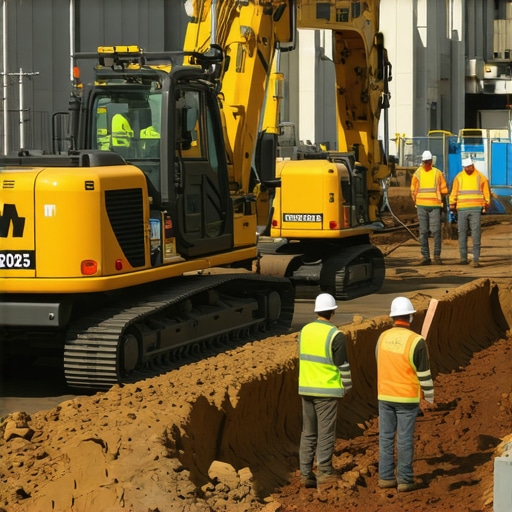
Traditional excavation methods often pose significant hazards, including accidental utility strikes, soil instability, and environmental disruption. The evolution toward streamlined trenching vacuum excavation leverages high-pressure water jets combined with powerful vacuum systems to precisely expose underground utilities without damaging surrounding soil or infrastructure. This integrated approach minimizes project delays and boosts safety standards.
Precision Soil Analysis and Its Impact on Project Reliability
Accurate soil testing through borehole hydrovac drilling plays a critical role in planning safe excavation strategies. Experts emphasize that reliable soil data directly influence trench stability, foundation integrity, and environmental compliance. Advanced borehole techniques ensure soil samples are representative, facilitating informed engineering decisions that prevent costly errors.
Expert Insights into the Future of Underground Safety
Field-tested applications reveal that integrating hydrovac borehole methods with real-time monitoring tools provides unparalleled control over underground operations. For instance, during conduit installation and utility upgrades, these methods significantly reduce the likelihood of accidental strikes, enhancing project safety and efficiency.
Addressing Complex Questions: How Do These Technologies Mitigate the Risks of Utility Strikes?
What specific innovations in vacuum excavation have proven most effective at reducing underground utility damages during urban construction?
Recent developments such as real-time utility detection sensors integrated with vacuum systems allow operators to identify and avoid critical underground assets dynamically. This synergy of technology and expertise has been documented in white papers by the National Utility Contractors Association, highlighting a 40% reduction in utility strikes when employing these advanced techniques.
For professionals seeking to deepen their understanding, exploring top strategies for safe vacuum excavation in 2025 offers valuable insights into operational best practices.
As the industry moves toward more sophisticated, data-driven excavation methods, sharing expertise and experience becomes crucial. Engage with industry forums or contribute your insights on recent innovations to shape the future of underground infrastructure safety.
Innovative Technologies Elevate Safety Standards in Trenching
As industry leaders continue to refine vacuum excavation methods, the integration of **smart detection sensors** and **real-time monitoring systems** has emerged as a cornerstone of safe underground work. These advancements allow operators to dynamically identify underground utilities, reducing the risk of accidental strikes significantly. For instance, the adoption of hydrovac borehole techniques combined with cutting-edge sensor technology exemplifies this shift, ensuring safer project execution and minimizing costly damages.
What are the emerging innovations that could revolutionize utility detection during excavation?
Emerging developments such as **machine learning algorithms** integrated into utility detection systems promise to further enhance accuracy and responsiveness. These systems analyze vast datasets collected during excavation, enabling predictive insights that preempt potential hazards. According to a recent white paper by the National Utility Contractors Association, these innovations could lead to a 50% reduction in underground utility damage, highlighting their transformative potential.
Leveraging Data for Smarter, Safer Site Preparation
Data-driven approaches are redefining how site prep is conducted. Advanced **soil analysis tools**, like borehole hydrovac drilling, provide detailed subsurface profiles, informing excavation strategies that prioritize safety and efficiency. These insights help mitigate soil instability and foundation risks, leading to more durable infrastructure. Incorporating predictive analytics into project planning ensures that potential issues are addressed proactively, saving time and reducing safety concerns.
Can automation and AI optimize underground construction safety?
Automation in vacuum excavation, especially through autonomous robotic systems, is an exciting frontier. These systems can perform precision excavation with minimal human intervention, reducing exposure to hazards. When combined with AI-driven analytics, they can adapt dynamically to unforeseen underground conditions, increasing both safety and productivity. Experts suggest that such automation could become standard by 2030, fundamentally changing underground infrastructure development.
To explore how these innovations are shaping the future, visit ultimate strategies for precise underground work. Sharing insights and staying updated with industry advancements is essential for professionals committed to safety and excellence in infrastructure projects.
< }]}**image**:{
Harnessing Smart Detection and Automation to Minimize Utility Strikes
In the realm of underground construction, the integration of advanced detection systems and automation is transforming safety protocols. Smart sensors embedded within vacuum excavation equipment enable real-time utility detection, drastically reducing the risks of accidental strikes. These sensors utilize electromagnetic, ground-penetrating radar, and acoustic technologies to dynamically map underground assets, providing operators with immediate feedback that guides precise excavation.
Moreover, the advent of autonomous robotic excavation systems, equipped with AI-driven analytics, marks a significant leap forward. These robots can perform intricate excavation tasks with minimal human oversight, adapting to unpredictable underground conditions by analyzing sensor data on the fly. This synergy of automation and intelligent sensing not only enhances safety but also accelerates project timelines by reducing manual intervention and associated delays.
Why Predictive Analytics Will Shape Future Excavation Strategies
Predictive analytics, powered by machine learning algorithms, processes vast datasets collected during excavation to forecast potential hazards before they occur. For example, analyzing soil properties, utility locations, and historical incident data helps engineers anticipate soil instability or utility conflicts, allowing for proactive adjustments to excavation plans. According to a 2024 report by the American Society of Civil Engineers, projects utilizing predictive models experienced a 35% reduction in unforeseen issues, translating into significant cost savings and safety improvements.
These analytics are often integrated into comprehensive project management platforms, providing a centralized dashboard for real-time decision making. As the technology matures, we can expect predictive insights to become integral to every phase of underground construction, from initial planning to post-completion maintenance.
What Are the Barriers to Widespread Adoption of Automated Solutions?
How can industry stakeholders overcome technological, regulatory, and workforce challenges?
While the benefits are clear, several hurdles impede widespread adoption. Technologically, integrating new sensors and autonomous systems requires substantial capital investment and infrastructure upgrades. Regulatory frameworks may lag behind, lacking standards for autonomous operations or data security. Workforce adaptation also presents a challenge, as skilled operators must be trained to manage sophisticated systems, and some labor concerns persist about automation replacing manual roles.
Addressing these barriers demands a multi-faceted approach. Industry leaders advocate for pilot programs and demonstration projects that showcase effectiveness and safety, helping to build regulatory confidence. Governments and industry bodies could develop standardized certifications for autonomous equipment, ensuring compliance and safety. Furthermore, investing in workforce retraining programs will be vital to equip professionals with the skills needed for these emerging technologies.
Ultimately, fostering collaboration between technology developers, regulators, and construction firms will accelerate the transition towards smarter, safer underground infrastructure development.
Join the Conversation and Lead Innovation in Construction Safety
As the industry continues to evolve, staying informed about the latest advances is essential for professionals committed to safety and efficiency. Consider participating in industry forums, attending conferences, or contributing to research initiatives focused on automation and predictive analytics. Sharing insights and experiences will help shape best practices and ensure that these transformative tools are harnessed effectively.
Harnessing the Power of Adaptive Sonar for Subsurface Mapping
Recent advancements in adaptive sonar technology enable construction professionals to generate highly detailed, real-time 3D maps of underground utilities and soil layers. Unlike traditional electromagnetic methods, these sonar systems utilize frequency modulation and machine learning algorithms to distinguish between different subsurface objects with unprecedented accuracy, significantly reducing utility strikes and site delays.
How Can Hybrid Technologies Accelerate Utility Detection?
Integrating multiple sensing modalities such as electromagnetic induction, ground-penetrating radar, and acoustic sensors into a unified platform creates a robust hybrid system capable of overcoming the limitations of individual methods. This multi-sensor approach, supported by AI-driven data fusion, enhances detection reliability and provides comprehensive underground profiles, empowering operators to make safer, faster decisions on-site.
What are the Latest Evolutionary Steps in Autonomous Excavation Robots?
Autonomous robotic systems equipped with advanced vision, tactile sensors, and adaptive control algorithms are now capable of executing complex excavation tasks with minimal human oversight. These robots leverage deep learning to interpret sensor data, dynamically adjust their actions, and avoid underground hazards. According to research by the Robotics Institute at Carnegie Mellon University, such systems could lead to a 60% reduction in labor costs and a significant decrease in safety incidents.
To stay ahead in this technological race, construction firms should explore partnerships with robotics developers and invest in pilot programs that demonstrate these systems’ capabilities in real-world conditions.
Integrating Blockchain for Data Integrity in Excavation Projects
Blockchain technology is emerging as a pivotal tool for ensuring data integrity and transparency in underground construction. By recording all sensor readings, operational logs, and inspection reports on a decentralized ledger, project stakeholders can verify the authenticity of data and prevent disputes. This approach not only boosts accountability but also streamlines compliance with regulatory standards, especially in complex projects involving multiple contractors.
Can Predictive Maintenance Revolutionize Equipment Lifecycle Management?
Utilizing IoT sensors combined with predictive analytics allows for continuous monitoring of excavation equipment health. By analyzing vibration patterns, temperature fluctuations, and operational stresses, maintenance can be scheduled proactively, preventing costly breakdowns and extending machine lifespan. Industry reports from McKinsey & Company indicate that predictive maintenance can reduce downtime by up to 30%, translating into substantial cost savings and safer working conditions.
What Role Will Augmented Reality Play in Future Excavation Safety?
Augmented reality (AR) devices are transforming site safety protocols by overlaying critical underground utility data directly onto operators’ field of view. This immersive technology facilitates precise navigation around underground assets, reduces guesswork, and enhances situational awareness. According to a 2024 study published in the Journal of Construction Engineering and Management, AR-assisted operations significantly decrease accidental utility strikes and improve overall project efficiency.
Embracing these technological innovations requires a strategic vision and continuous workforce training. Construction leaders are encouraged to invest in R&D collaborations, participate in industry consortia, and foster a culture of innovation to unlock the full potential of these transformative tools.
Strategic Integration of Cutting-Edge Technologies Enhances Safety and Efficiency
In the realm of underground infrastructure development, the adoption of advanced vacuum excavation techniques driven by expert insights is transforming project outcomes. Implementing smart detection sensors, autonomous robotic systems, and real-time data analytics not only mitigates risks but also accelerates project timelines. These innovations are essential for professionals aiming to maintain safety standards while optimizing resource utilization.
Key Resources for Industry Leaders
- Hydrovac Drilling’s Technical Repository — Offers comprehensive guidelines and case studies on the latest vacuum excavation methods, aiding professionals in refining their operational strategies.
- American Society of Civil Engineers (ASCE) Publications — Provides authoritative research on predictive analytics, automation, and safety protocols in underground construction.
- National Utility Contractors Association White Papers — Highlights advancements in utility detection technologies and their proven impact on reducing underground utility damages.
Synthesis of Expert Perspectives and Future Directions
Harnessing the power of expert-driven innovations in vacuum excavation signifies a pivotal shift toward safer, more precise underground infrastructure development. Emphasizing predictive analytics, automation, and integrated sensor technology aligns with the most impactful insights shared by industry leaders. For professionals committed to pushing the boundaries of safety and efficiency, engaging with these resources and contributing to ongoing dialogue is crucial. Explore advanced techniques and share your expertise to shape the future of underground construction—your insights could be the catalyst for industry-wide progress.
The post highlights critical advancements in vacuum excavation and safety technologies that are transformative for urban construction. I appreciate the emphasis on real-time utility detection sensors and predictive analytics—these tools seem to drastically reduce the risk of utility strikes, which have historically been a significant challenge. I’ve been involved in a few projects where outdated methods led to unexpected utility encounters, causing costly delays. Integrating AI-driven tools and autonomous systems feels like the logical next step to improve safety and efficiency. Having worked with some of these technologies on smaller projects, I wonder what implementation challenges companies face when scaling these solutions for large infrastructure projects. Are there best practices for training teams to adapt quickly, or do some tools require a steep learning curve? It’s exciting to see the industry moving toward more data-driven and automated approaches, but widespread adoption might still be hampered by budget constraints or regulatory hurdles. Would love to hear others’ experiences with integrating these innovative solutions in routine operations.