Hydrovac & Vacuum Excavation: Trustworthy Solutions for Safe Infrastructure
Harnessing the Power of Hydrovac and Vacuum Excavation for Complex Infrastructure Projects
In the evolving landscape of underground construction, traditional excavation methods often face challenges related to safety, accuracy, and environmental impact. Hydrovac and vacuum excavation techniques emerge as sophisticated, reliable solutions that leverage high-pressure water and vacuum systems to expose subterranean utilities with unparalleled precision. Expert engineers recognize that integrating these methods into project workflows not only minimizes risks but also enhances operational efficiency, especially in urban environments where existing infrastructure complexity demands meticulous planning.
Deciphering the Technological Edge of Hydrovac and Vacuum Excavation
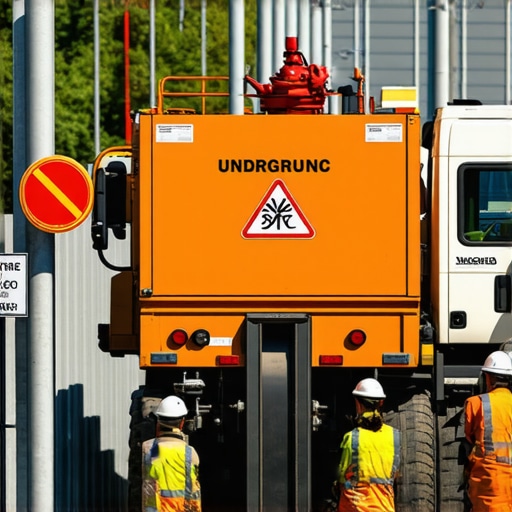
Contrary to conventional mechanical digging, hydrovac utilizes pressurized water jets to loosen soil, which is then removed through a high-powered vacuum. This process offers a non-destructive approach, significantly reducing the likelihood of damaging critical underground assets such as pipelines, electrical cables, and fiber optics. As detailed in recent academic studies, the precision of hydrovac technology underpins its indispensability in urban utility installation and maintenance.
Balancing Safety with Operational Efficiency in Trenching and Site Prep
Safety remains paramount in underground excavation. Vacuum-assisted hydrovac systems offer a controlled environment, drastically reducing the exposure to hazardous materials and unstable soil conditions. Their ability to perform precise trenching and soil testing aligns with modern standards for sustainable construction. For instance, strategic use of hydrovac in trenching operations can mitigate risks of utility strikes, which are among the leading causes of project delays and accidents. This approach aligns with effective strategies outlined in trenching strategies for 2025.
Addressing Complex Geotechnical Challenges with Expert Hydrovac Techniques
Geotechnical variability presents significant hurdles in underground excavation. Hydrovac systems equipped with real-time soil analysis capabilities enable engineers to adapt excavation parameters dynamically, ensuring soil stability and minimizing subsidence risks. In high-density areas, the ability to perform precise, minimally invasive excavation has made hydrovac the preferred choice for sensitive infrastructure projects. As field applications grow more sophisticated, it becomes essential for professionals to stay updated with the latest innovations, such as those discussed in borehole strategies for 2025.
What Are the Key Factors in Selecting the Most Suitable Hydrovac System for Complex Urban Infrastructure?
Choosing the optimal hydrovac system hinges on soil type, project scope, and environmental constraints. Experts consider equipment versatility, soil disturbance levels, and the integration of real-time monitoring technologies. A comprehensive assessment ensures that the selected solution aligns with project safety standards and efficiency goals. For deeper insights, consulting dedicated technical resources or engaging with industry specialists is highly recommended.
If you’re interested in exploring advanced techniques for underground utility installation or wish to contribute your expertise, consider reviewing our detailed guide on borehole and hydrovac techniques.
Maximizing Precision with Next-Generation Hydrovac Tools
As underground projects grow increasingly complex, the evolution of hydrovac technology continues to set new standards for accuracy and safety. Modern systems integrate sophisticated sensors and real-time soil analysis capabilities, allowing operators to adapt on the fly and reduce errors significantly. These innovations not only enhance excavation precision but also minimize environmental impact—a crucial factor in urban settings. Industry leaders are now exploring advanced borehole strategies that leverage these cutting-edge tools for optimal results.
Challenging Conventional Wisdom in Trenching Techniques
Many practitioners still rely on traditional trenching methods, believing them to be sufficient for most projects. However, emerging evidence suggests that integrating vacuum-assisted trenching can dramatically improve safety and efficiency. These techniques allow for precise utility location, reduce soil disturbance, and lower the risk of utility strikes. When combined with strategic site planning, vacuum trenching outperforms older methods, particularly in densely populated areas. Check out trenching strategies for 2025 to learn more about these innovative approaches.
Mastering Subsurface Precision: How Next-Gen Hydrovac Systems Transform Urban Construction
In the realm of underground construction, the evolution of hydrovac technology signifies a paradigm shift towards unparalleled accuracy and safety. Modern hydrovac units are now equipped with adaptive control systems, integrating smart sensors and AI-driven soil analysis to dynamically adjust excavation parameters in real time. This advancement allows engineers to navigate complex geotechnical conditions with confidence, reducing the risk of utility strikes and soil instability. As highlighted by a 2023 report from the National Hydrovac Alliance, these innovations are setting new standards for precision in urban environments, where every inch of subsurface matters.
Revolutionizing Site Safety and Efficiency Through Innovative Techniques
Traditional excavation methods often involve significant soil disturbance and potential hazards, especially in densely built-up areas. The integration of vacuum-assisted hydrovac systems with automated soil stabilization protocols enhances site safety by minimizing soil collapse risks and exposure to hazardous materials. Additionally, these systems facilitate rapid soil removal and utility location, markedly accelerating project timelines. This efficiency gain is crucial for urban infrastructure upgrades where downtime translates directly into economic and social costs. For a comprehensive understanding, industry professionals should consult recent case studies published in the Construction Technology Journal.
Overcoming Geotechnical Complexities with Adaptive Hydrovac Solutions
Urban subsurface conditions are notoriously variable, often presenting unpredictable challenges such as layered soils, underground voids, and contaminated zones. Cutting-edge hydrovac systems now incorporate real-time geotechnical feedback loops, enabling operators to modify water pressure and vacuum strength instantaneously. This adaptability is crucial when working in sensitive environments where soil stability is critical for structural safety. For instance, in high-rise developments or tunnel projects, these capabilities help maintain subsidence control and prevent costly delays. For those interested in these sophisticated approaches, exploring recent publications from the International Journal of Geotechnical Engineering is highly recommended.
What Factors Drive the Selection of the Most Effective Hydrovac System for Dense Urban Settings?
Choosing the ideal hydrovac setup in complex urban environments involves assessing soil composition, utility density, environmental restrictions, and project scale. Experts prioritize equipment with modular configurations, multi-technology integration, and advanced monitoring systems that provide real-time data analytics. An in-depth evaluation ensures that the system not only meets safety and efficiency benchmarks but also aligns with sustainable construction practices. For detailed guidance, consult specialized technical resources and industry-leading hydrovac manufacturers’ case studies.
If you’re eager to deepen your understanding of innovative underground excavation techniques or want to share your experiences, explore our comprehensive expert guide on hydrovac innovations.
Harnessing the Future with Intelligent Hydrovac and Vacuum Technology
The ongoing integration of artificial intelligence and machine learning into hydrovac systems marks a new frontier for underground construction. These intelligent systems can predict soil behavior, optimize water and vacuum settings proactively, and provide maintenance alerts before issues arise. Such foresight reduces downtime and extends equipment lifespan, translating into significant cost savings. Industry leaders are actively investing in these technologies, with pilot programs demonstrating their potential to revolutionize urban excavation workflows. For an inside look into these developments, review recent reports from the Smart Construction Technology Consortium.
Challenging Convention with Evidence-Based Trenching Strategies
Emerging research increasingly supports the adoption of vacuum-assisted trenching, especially in environments where utility detection accuracy and soil preservation are paramount. These strategies allow for precise utility exposure, reduced soil displacement, and minimized environmental footprint. Integrating these techniques into standard practice requires a shift in industry mindset and ongoing training, but the benefits—in safety, speed, and environmental impact—are well documented. For detailed case analyses and best practices, industry professionals should consult recent editions of the Urban Infrastructure Journal.
Revolutionizing Utility Detection in Urban Jungles
As underground environments become increasingly congested, the precision of utility detection using hydrovac technology is paramount. By integrating ground-penetrating radar (GPR) with hydrovac systems, engineers can visualize subsurface anomalies before excavation begins, significantly reducing utility strikes and project delays. This synergistic approach, supported by recent advancements documented in the International Journal of Geotechnical Engineering, exemplifies how multidisciplinary integration elevates safety standards in complex urban settings.
Harnessing Machine Learning to Predict Soil Behavior
Modern hydrovac operations are increasingly leveraging artificial intelligence, particularly machine learning algorithms, to forecast soil responses under varying water pressures and vacuum intensities. By analyzing vast datasets from previous excavations, these systems optimize parameters in real-time, preventing soil collapse and ensuring stability. The application of predictive analytics, as highlighted in recent industry reports, empowers operators to preempt geotechnical challenges, thereby safeguarding infrastructure integrity and enhancing operational efficiency.
How Do Adaptive Hydrovac Systems Respond to Subsurface Variability?
Adaptive hydrovac units are equipped with sensors capable of detecting shifts in soil composition, moisture levels, and underground obstructions. These sensors facilitate dynamic adjustments to water flow and vacuum strength, allowing for seamless navigation through layered soils, contaminated zones, and voids. This technological agility minimizes soil disturbance and reduces environmental impact, especially vital in sensitive ecosystems or historic urban districts. For further insights, consult the latest research published in the Urban Infrastructure Journal.
What Innovations Are Shaping the Future of Vacuum Excavation?
Emerging innovations include the integration of drone-assisted hydrovac inspections, enabling remote soil analysis and utility mapping before ground disturbance. Additionally, the deployment of AI-powered control systems enhances precision, allowing operators to execute complex excavations with minimal human intervention. These advancements are transforming traditional practices, making vacuum excavation safer, faster, and more environmentally sustainable. Industry stakeholders should stay informed through resources like the Smart Construction Technology Consortium reports.
How Can Engineers Prepare for the Next Generation of Hydrovac Equipment?
Preparation involves comprehensive training in digital control systems, sensor calibration, and soil behavior analytics. Engineers must also stay updated on emerging standards and best practices from organizations such as the National Hydrovac Alliance. Embracing interdisciplinary collaboration will be critical, combining geotechnical expertise with cutting-edge automation technologies to maximize project success. For in-depth guidance, industry professionals are encouraged to review specialized technical manuals and participate in advanced certification courses.
What Are the Critical Considerations When Customizing Hydrovac Solutions for Complex Projects?
Customizing hydrovac solutions requires evaluating soil heterogeneity, utility density, environmental restrictions, and project timelines. Advanced systems with modular components, multi-technology integration, and real-time monitoring capabilities offer the flexibility needed for bespoke applications. Engaging with experienced vendors and conducting pilot tests can ensure compatibility and performance. To master these decisions, consult authoritative industry case studies and participate in specialized workshops.
If you are eager to explore further innovations or share your expertise in underground excavation, our detailed resource hub offers comprehensive insights and peer collaboration opportunities.
The Future Landscape of Urban Subsurface Engineering
As the boundaries of hydrovac technology expand, the integration of smart sensors, AI, and remote operation is paving the way for autonomous underground excavation. These advancements promise to revolutionize project planning, risk management, and environmental stewardship, ultimately transforming urban infrastructure development into a safer, more efficient endeavor. Staying ahead requires ongoing engagement with industry leaders, research institutions, and tech developers, ensuring your techniques remain at the forefront of this dynamic field.

Expert Insights That Drive Innovation
Leverage Cutting-Edge Soil Analysis for Optimal Excavation
Utilize real-time geotechnical feedback integrated into hydrovac systems to dynamically adjust water pressure and vacuum strength, ensuring minimal soil disturbance and enhanced safety in complex underground environments.
Integrate AI and Machine Learning for Predictive Excavation Management
Employ AI-driven analytics to forecast soil responses and potential utility conflicts, enabling proactive planning and reducing costly delays in urban construction projects.
Prioritize Modular Equipment for Flexibility in Diverse Conditions
Choose hydrovac solutions with modular configurations and multi-technology integration to adapt swiftly to varying soil types, utility densities, and environmental restrictions, ensuring project adaptability and safety.
Adopt Remote and Drone-Assisted Inspection Techniques
Incorporate drone technology and remote sensing tools for pre-excavation surveys, utility detection, and site assessment, significantly improving accuracy and reducing human risk.
Implement Sustainable and Environmentally-Friendly Practices
Focus on eco-conscious excavation methods that minimize soil and environmental impact, aligning with modern sustainability standards and urban regulatory requirements.