Mastering Gravel Stabilization: The Critical Precursor to Precision Excavation
In the realm of modern underground construction, the significance of proper gravel stabilization cannot be overstated. Achieving a firm, reliable base is essential for the success of boreholes, trenching, and vacuum excavation projects, especially when dealing with loose gravel or unstable substrates. As experienced engineers and contractors understand, neglecting this vital preparatory step can lead to project delays, equipment damage, and safety hazards. This article explores advanced methodologies rooted in expert practice and innovative solutions that elevate standard procedures into a domain of professional excellence.
Assessing Ground Composition: The Foundation of Effective Stabilization
Before implementing stabilization techniques, comprehensive site analysis using geotechnical surveys informs the optimal approach. Differentiating between granular gravel, saturated soils, or mixed substrates guides decisions on whether to employ mechanical compaction, chemical stabilization, or adhesive bonding agents. For instance, in scenarios involving high moisture content, integrating hydrovac-assisted moisture removal can clarify soil conditions, as detailed in technical guides on soil liquefaction prevention. Recognizing these nuances ensures that stabilization methods address specific project challenges with precision.
Innovative Stabilization Techniques: From Mechanical to Chemical Solutions
Mechanical compaction remains a cornerstone, yet sophisticated methods now incorporate vibratory rollers, plate tampers, or hydraulic presses that achieve higher density levels with less effort and disturbance. Complementing these, chemical stabilization—using fly ash, cement, or proprietary polymer binders—provides long-lasting integrity in challenging conditions. Recent advancements suggest that polymer emulsions, applied via advanced sprayers, improve cohesion without excessive moisture increase, enhancing support for borehole casing and trench walls.
Leverage Hydrovac Technology for Superior Soil Support
Integrating hydrovac (hydro-vacuum) techniques offers a dual advantage: soil stabilization and debris removal. By employing controlled water pressure and vacuum, field operators can precondition loose gravel into a more manageable state, reducing lateral movement during excavation. Expertise from vacuum excavation pressure optimization illuminates how pressure modulation adapts to various soil types, ensuring stable platforms for subsequent boring or trenching activities. This approach minimizes the risk of collapse and facilitates precision work in challenging environments.
Addressing the Challenge of Moisture Control in Stabilization
Moisture content profoundly influences gravel stability, dictating the choice of stabilization technique. In wet conditions, rapid evaporation or moisture mitigation—using dehumidifiers or localized drying via hydrovac nozzles—prepares the terrain effectively. Moreover, incorporating drainage layers or geotextile fabrics underneath loose gravel can divert water flow, preventing saturation and erosion over time. Such integrated strategies exemplify the layered, expert approach necessary for durable stabilization.
How Do Custom Stabilization Strategies Adapt to Varied Site Conditions?
What are the best practices for stabilizing gravel in challenging environments with fluctuating water tables or unstable soils?
To tackle complex conditions like high water tables or heterogeneous substrates, experienced professionals combine multiple stabilization techniques. For instance, deploying targeted chemical injections coupled with mechanical compaction, supported by hydrovac preconditioning, creates a composite barrier that adapts to dynamic moisture levels and soil movement. Regular monitoring using geotechnical sensors ensures ongoing stability and informs timely adjustments, exemplifying the sophisticated, data-driven decision-making that characterizes expert stabilization.
Engaging with advanced stabilization insights not only enhances project safety but also extends the longevity of excavation supports. For insights into effective trench bed preparation, readers might explore detailed strategies outlined in trench shoring failure analysis. To foster innovation, field professionals are encouraged to share their experiences and contribute to developing best practices in gravel stabilization techniques.
Harnessing Data-Driven Techniques to Refine Gravel Stabilization
In recent years, the integration of geotechnical sensors and real-time monitoring has revolutionized how professionals approach gravel stabilization. By deploying advanced sensors that measure soil moisture, density, and temperature, engineers can adapt stabilization methods dynamically, ensuring optimal support during excavation. This proactive approach reduces the risk of shift or collapse, especially in volatile environments with fluctuating water tables or erosive conditions. For detailed strategies on integrating sensor technology with stabilization practices, consult resources like site preparation under changing water tables. Applying such innovative tools exemplifies a commitment to precision and safety, elevating project outcomes.
Are Chemical Stabilizers a Game Changer for Loose Gravel?
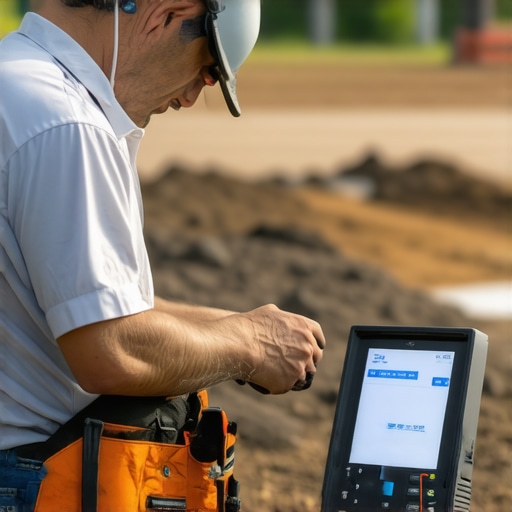
Chemicals such as polymer emulsions and proprietary binders are gaining popularity for their ability to reinforce loose gravel substrates quickly without extensive mechanical effort. These agents form a cohesive surface layer that resists displacement and water infiltration, effectively transforming unstable ground into a reliable foundation. Experts recommend tailoring chemical formulations to specific soil compositions and environmental conditions, ensuring durability under load and during fluctuations in moisture content. While quick-setting options offer immediate stabilization, long-term performance hinges on proper application and environmental compatibility. To explore the latest in chemical stabilization, industry standards often reference polymer mixture innovations. Incorporating chemical agents can significantly reduce project timelines and enhance safety margins, especially when combined with mechanical compaction.
How Can Multi-technique Approaches Outperform Single-Method Strategies?
Expert stabilization increasingly relies on combining mechanical, chemical, and hydrovac-assisted methods to address complex site conditions comprehensively. For example, initial chemical treatments can bind loose gravel, followed by targeted mechanical compaction to increase density, and finally, hydrovac preconditioning to adjust moisture levels precisely. This layered approach not only maximizes support but also adapts to site-specific variables, such as high water tables or heterogeneous substrate compositions. Monitoring through geotechnical sensors provides continuous feedback, allowing real-time adjustments that prevent issues like soil liquefaction or subsidence. Embracing integrated methods underscores the importance of a holistic, flexible mindset in tackling unpredictable terrain challenges. For practitioners seeking to refine their stabilization toolkit, reviewing trench shoring fail-safes can offer valuable insights into layered strategies.
For further guidance on selecting stabilization techniques tailored to your project’s demands, sharing your experiences or seeking expert consultations can lead to innovative solutions tailored to complex environments. Engaging with current industry advancements fosters a culture of continuous improvement and operational excellence.
Implementing Sensor-Driven Feedback Loops for Optimal Soil Support
Harnessing the power of real-time data collection, advanced geotechnical sensors provide invaluable insights into substrate behavior during stabilization efforts. These devices measure parameters such as moisture variation, soil compaction levels, and temperature fluctuations, offering a granular view of soil dynamics. By integrating sensor data into automated control systems, field engineers can dynamically adjust compaction energy, chemical application rates, or hydrovac pressure settings, ensuring sustained soil integrity. Such feedback loops, rooted in Industry 4.0 principles, dramatically reduce human error and enhance project precision, especially in environments with unpredictable moisture ingress or freeze-thaw cycles. The result is a stabilization process that responds adaptively to evolving site conditions, minimizing risks and aligning with the highest standards of safety and durability.
Leveraging Nanotechnology for Cutting-Edge Soil Reinforcement
Emerging research highlights the potential of nanomaterials—such as nano-silica and carbon nanotubes—in reinforcing gravel substrates. These particles, characterized by their exceptionally high surface area-to-volume ratio, can be dispersed within chemical stabilizers or directly introduced into soil matrices to improve cohesion, reduce permeability, and increase load-bearing capacity. When incorporated meticulously, nanotechnology enhances the performance of traditional stabilization agents, providing a multi-scale reinforcement mechanism from the microscopic level to macroscopic stabilization. This approach permits thinner, more effective treatment layers, reducing material costs and environmental footprint. Pioneering tests conducted by leading geotechnical laboratories demonstrate that nanotech-infused stabilizers can extend the lifespan of underground structures by resisting erosion and deformation under cyclic loading. As industrial adoption progresses, understanding the precise application protocols and environmental compatibility remains vital for integrating nanotechnology into mainstream stabilization workflows.
Addressing Climate-Driven Challenges in Gravel Support Strategies
Climate variability introduces complex challenges to stabilization practices, demanding adaptable and resilient solutions. Increased rainfall, flooding, and temperature extremities influence soil moisture content, affecting stability and process efficacy. For example, heavy precipitation can rapidly saturate gravel layers, undermining chemical bonds and compaction efforts. To counter this, practitioners craft layered mitigation strategies, including installing advanced drainage systems, utilizing permeable geotextiles to divert water, and selecting stabilizers with high hydrostatic resistance. Moreover, employing climate-resilient materials—such as polymer-modified binders designed to retain flexibility under temperature swings—can prevent cracking and dislodgment. Integrating predictive climate modeling into site assessment enables proactive planning, ensuring stabilization methods are sufficiently robust to withstand anticipated weather patterns. For comprehensive site-specific strategies, industry experts recommend consulting localized climate impact analyses outlined in technical guidelines by organizations like the Geo-Institute of the ASCE, emphasizing the importance of proactive adaptation in sustainable excavation practices.
Harnessing Advanced Material Science to Revolutionize Gravel Stabilization
Recent breakthroughs in nanotechnology and polymer chemistry are redefining the possibilities within soil reinforcement strategies. Incorporating nano-engineered stabilizers can dramatically enhance cohesion and reduce permeability in loose gravel substrates, thereby providing a more durable foundation for underground operations. For example, nano-silica particles can penetrate micro-pores within soil matrices, forming a resilient network that resists erosion and deformation. These developments enable engineers to minimize material usage while maximizing support, a synergy particularly advantageous in sensitive environments where excess material application is undesirable.
The Role of Environmental Adaptation in Long-Term Stability
Climate change, with its associated volatility, compels a re-evaluation of stabilization protocols. Fluctuating water tables, increased rainfall intensity, and temperature extremes demand inherently adaptable solutions. Techniques such as dynamic drainage systems, temperature-resistant chemical binders, and flexible reinforcement fabrics become vital. Integrating climate forecasting models into site planning allows practitioners to proactively tailor stabilization measures that sustain structural integrity over extended periods, even under adverse conditions. This strategic foresight is essential to mitigate future risks stemming from environmental unpredictability.
Implementing Smart Monitoring for Real-Time Soil Behavior Insights
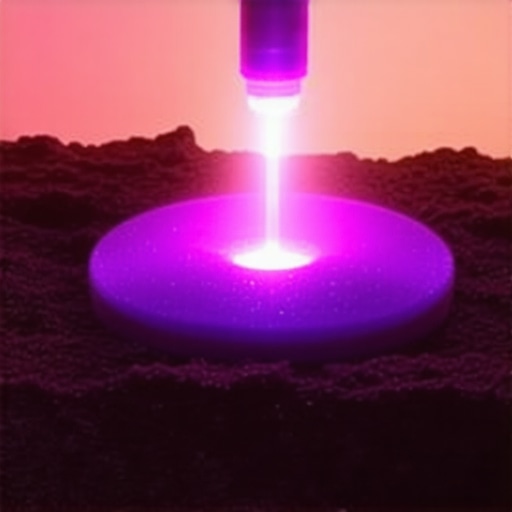
The evolution of sensor technology has paved the way for intelligent, feedback-driven stabilization frameworks. Embedding multi-parameter geotechnical sensors within gravel layers offers continuous data on moisture content, compaction levels, and strain. Coupled with IoT connectivity and automated control systems, this data facilitates dynamic adjustments—such as modulating hydrovac pressure or chemical application rates—to maintain optimal support throughout the excavation process. Such real-time responsiveness not only elevates safety margins but also enhances resource efficiency, marking a paradigm shift in foundation management.
Can Tailored Chemical Formulations Surpass Mechanical Techniques?
Specialized chemical stabilizers, designed to interact specifically with varied soil compositions, are proving to be game changers. By customizing polymer blends or proprietary binders, operators can achieve rapid setting times and long-lasting adhesion in challenging conditions. When deployed synergistically with mechanical compaction and hydrovac preconditioning, these chemical agents produce a multilayered defense against displacement and moisture ingress. Consulting industry-leading formulations, as documented by standards organizations like ASTM International, ensures both efficacy and environmental compliance. Embracing this multi-modal approach allows for flexible, site-specific stabilization strategies that outperform traditional monolithic methods.
How Might Integrating Multiple Techniques Reshape Excavation Outcomes?
Multifaceted stabilization—combining chemical, mechanical, and fluid-assisted methods—facilitates a tailored response to complex site conditions. For instance, initial chemical treatment can create a binding matrix, which is then densified through advanced vibratory compaction. Hydrovac preconditioning adjusts moisture conditions, further enhancing support and minimizing lateral shifts. Continuous monitoring and adaptive feedback loops, powered by sensor data, enable real-time modifications that optimize stability and safety. Such integrative strategies embody the pinnacle of expert practice, ensuring that ground support is as resilient and efficient as possible. To deepen your understanding, reviewing case studies on layered stabilization techniques from industry practitioners can provide valuable insights.
Engagement with innovative stabilization methodologies not only elevates project safety and durability but also encourages the sharing of expertise within the professional community, fostering a culture of continuous improvement.
Embracing the Future: How Nanotechnologies and AI Will Transform Stabilization Practices
Looking ahead, the convergence of nanotechnology and artificial intelligence promises unprecedented capabilities in soil stabilization. Predictive models powered by machine learning can analyze vast datasets—from sensor inputs to weather forecasts—to forecast potential ground movements and recommend preemptive measures. Simultaneously, nano-materials will enable the creation of ultra-thin, high-performance reinforcement layers that adapt dynamically to environmental conditions. These innovations hold the potential to drastically reduce excavation risks, enhance sustainability, and shorten project timelines. Staying abreast of these emerging tools and technologies is essential for forward-thinking practitioners aiming to lead in underground infrastructure excellence.
Expert Strategies for Ground Stability
Harness Multi-Modal Stabilization Methods
Combining chemical, mechanical, and hydrovac-assisted techniques creates a resilient and adaptable foundation, minimizing risks associated with unpredictable soil conditions. This layered approach ensures site-specific challenges are addressed efficiently, leading to long-term stability and safety.
Leverage Real-Time Data Monitoring
The integration of geotechnical sensors and IoT technologies provides ongoing insights into soil behavior during stabilization. Dynamic adjustments based on live data optimize support, reduce waste, and prevent failures before they occur.
Prioritize Moisture Control and Drainage
Effective moisture management through drainage layers, geotextile fabrics, and controlled dewatering significantly enhances gravel support. Managing water ingress prevents saturation and erosion, maintaining structural integrity over time.
Utilize Cutting-Edge Materials
Nanotechnologies and advanced polymer binders offer unprecedented reinforcement capabilities, reducing material usage and environmental impact while extending the lifespan of stabilizations in challenging conditions.
Incorporate Climate-Resilient Design Elements
Adaptive solutions that consider climate variability—such as high rainfall or temperature extremes—are critical. Techniques like flexible binders and advanced drainage systems ensure long-term performance amid environmental stresses.
Comments are closed.