Elevating Underground Construction: The Critical Role of Precision in Borehole, Trenching, and Hydrovac Operations
In the realm of complex civil engineering projects, the integration of advanced excavation methods such as borehole drilling, trenching, and vacuum excavation has become paramount for ensuring safety, efficiency, and environmental compliance. As site conditions grow increasingly challenging—ranging from unstable soils to urban congestion—professionals must leverage innovative techniques to mitigate risks and optimize workflows. Understanding the nuanced interplay between these technologies allows for strategic decision-making that aligns with project-specific demands.
Strategic Selection of Excavation Technologies: Balancing Cost, Safety, and Precision
Choosing between traditional trenching and modern hydrovac systems involves a sophisticated assessment of site characteristics, soil composition, and spatial constraints. Hydrovac, in particular, offers a non-destructive alternative with minimal ground disturbance, making it ideal for delicate environments where traditional methods might compromise existing infrastructure. According to industry guidelines outlined in the ultimate guide to borehole drilling, integrating vacuum excavation enhances precision and safety, especially during underground utilities locating.
Advanced Soil-Lifting and Material Handling via Vacuum Excavation
Vacuum excavation employs high-suction systems to lift soil and debris with remarkable control, significantly reducing accidental strikes on buried utilities. This technique is especially beneficial in urban environments with congested subsurface networks. Expert operators can manipulate soil removal around critical infrastructure, leveraging real-time soil condition analysis to adapt their approach dynamically. Such methods exemplify the evolution from brute-force digging towards intelligent, data-informed site preparation.
Mitigating Risks in Saturated and Unstable Ground Conditions
One of the persistent challenges during trenching and borehole operations is managing groundwater ingress and unstable soils. Techniques such as soil stabilization, dewatering, and the use of chemical additives are often employed alongside hydrovac strategies to maintain trench integrity. As outlined in research from the science behind hydrovac technology, understanding soil mechanics and fluid interactions is essential for adapting methodologies to varying geotechnical conditions.
Controversial Aspects and Open Debates in Vacuum Excavation Efficacy
How do water-driven vacuum systems compare to air-based models in terms of efficiency and environmental impact?
While both systems have their advocates, the debate hinges on factors such as soil type, moisture content, and project scale. Water-based systems provide superior soil lifting in compacted or heavy soils, but raise concerns about water runoff and disposal. Conversely, air-based models excel in dry soils and offer reduced water management complexities. Industry benchmarks and environmental standards increasingly favor hybrid approaches, integrating the best of both worlds.
For further insights on optimizing trench safety and efficiency, professionals are encouraged to explore mastering vacuum excavation expert tips.
Implementing Best Practices for Site Preparation Using Hydrovac Technology
Expert operators employ a combination of soil characterization, precise nozzle control, and real-time monitoring to achieve optimal results. Comprehensive safety protocols and regular equipment calibration are critical in preventing blowouts and utility strikes. For ongoing education and updates on emerging best practices, consulting authoritative resources like the White Paper published by the Pipe Line Safety Association can be highly beneficial.
Implementing these sophisticated techniques transforms conventional site prep into a controlled, predictable process, reducing environmental impact and enhancing safety standards.
Maximizing Borehole Accuracy with Cutting-Edge Techniques
Achieving pinpoint precision in borehole drilling is fundamental for successful construction, environmental monitoring, and resource extraction. Modern advancements such as real-time geotechnical sensors and adaptive drilling algorithms enable operators to adjust parameters dynamically, reducing errors and optimizing the trajectory. As outlined in the ultimate guide to borehole drilling, integrating these technologies ensures alignment with project specifications and mitigates risks associated with heterogeneous subsurface conditions.
Rethinking Soil Stabilization Techniques for Urban Projects
Urban trenching and borehole operations often grapple with unstable soils prone to collapse or excessive deformation. While traditional methods rely on shoring and bracing, innovative approaches such as chemical soil reinforcement and controlled grouting are gaining traction. These techniques create a supportive underground environment, enhancing safety and reducing project timelines. Recent research highlighted by soil stabilization strategies emphasizes the importance of soil-specific interventions to improve borehole lifespan and stability.
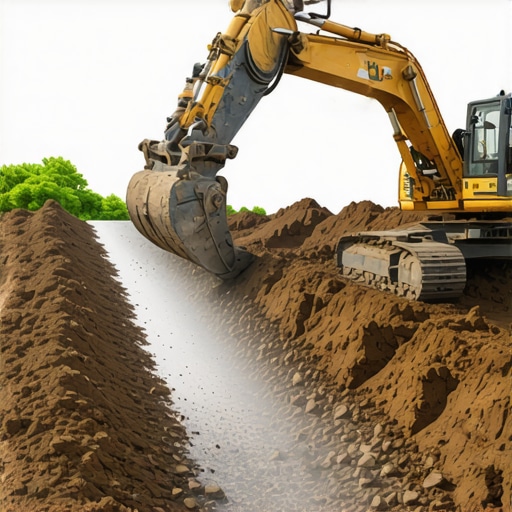
Can We Rely Solely on Automation for Subsurface Safety?
The integration of autonomous systems—ranging from robotic excavation arms to AI-driven monitoring—promises increased efficiency and safety. Experts are debating whether automation can fully replace manual oversight, especially in complex, unpredictable environments. While machines excel at repetitive tasks and data collection, nuanced decision-making during unforeseen soil anomalies still benefits from human judgment. Industry standards recommend a hybrid approach, combining robotic precision with experienced operator oversight, to ensure optimal outcomes. For a comprehensive understanding of automation benefits and limitations, consult this guide on vacuum excavator innovations.
Interested in adopting these advanced strategies? Reach out to our experts for tailored solutions that elevate your site safety and efficiency—contact us today to explore how modern excavation technologies can redefine your project outcomes.
Elevate Your Site Planning with Advanced Soil Profiling Technologies
In the intricate dance of underground construction, the margin for error diminishes as site complexity increases. Modern geotechnical advancements enable engineers to peer beneath the surface with unprecedented clarity, transforming soil analysis from a static prelude into a dynamic, real-time process. Deploying advanced sensors, such as portable cone penetrometers integrated with IoT connectivity, provides continuous data streams that inform decisions during excavation. This integrated approach minimizes risks associated with unpredictable soil heterogeneity, ensuring boreholes and trenches are executed with surgical precision.
Why Traditional Soil Tests Fall Short in Complex Environments
Conventional soil testing methods—like jar tests or vane shear tests—offer valuable snapshots but often lack the granularity needed in urban or heterogeneous terrains. These approaches may not accurately capture stratification, moisture variations, or contamination zones that dramatically influence excavation techniques. For instance, a multilayered soil profile with pockets of loose sand amidst clay demands adaptive strategies beyond standard protocol. Embracing technologies such as real-time geophysical surveys and 3D subsurface imaging allows for comprehensive site mapping, directly informing borehole trajectory and trench alignments.
How can integrating geophysical data refine your excavation strategy?
Integrating high-resolution seismic surveys or electromagnetic induction data enhances subterranean visualization, revealing hidden voids, fluid flow paths, or weak zones. Such insights facilitate proactive design adjustments, reducing the likelihood of unexpected collapses or utility strikes. The use of 3D soil modeling software, connected with live sensor inputs, enables project teams to simulate excavation scenarios and optimize sequences—saving time, reducing costs, and improving safety standards. This data-driven methodology embodies the shift toward predictive engineering, where anticipatory actions trump reactive fixes.
For operators seeking a competitive edge, collaborating with geotechnical experts who specialize in subsurface analytics can be transformative. Industry leader, GROUNDRULES Geophysics, exemplifies this approach by combining traditional geotechnical testing with cutting-edge geophysical techniques to deliver comprehensive site diagnostics (**GROUNDRULES Geophysics, 2022**). Integrating such insights into your project planning ensures excavation methods are tailored precisely to subsurface realities.
Harnessing Machine Learning to Anticipate Soil Behavior Anomalies
Advanced analytics extend beyond static data interpretation—artificial intelligence and machine learning algorithms are now capable of predicting soil behavior patterns based on cumulative sensor inputs across similar projects. These predictive models can identify potential instability zones before excavation begins, enabling preemptive reinforcement or alternative routing. For example, a machine learning model trained on extensive soil property datasets can alert engineers to likely liquefaction scenarios during heavy rains, prompting timely mitigation measures.
This proactive stance shifts the paradigm from reactive to preventive maintenance, reducing downtime and avoiding costly safety incidents. As AI continues to evolve, integrating these systems into your site management platform promises a new level of precision and foresight.
Engaging with the Future: Digital Twin for Subsurface Engineering
The concept of a ‘digital twin’—a virtual replica of the subsurface environment—stands at the frontier of underground construction innovation. By continually updating a digital model with real-time sensor data, project teams can visualize ongoing excavation, monitor soil stability, and simulate contingency plans instantaneously. This holistic oversight enhances coordination, minimizes surprises, and streamlines decision-making processes.
Imagine overseeing multiple borehole projects simultaneously, with each virtual model adjusting dynamically as excavation progresses and soil conditions change. The result is a resilient, adaptable construction environment optimized through continuous feedback loops.
For organizations aiming to embrace this technological revolution, partnerships with software developers like GeoSimulate are paving the way toward fully integrated digital construction ecosystems. Would you like to explore how digital twin technology can revolutionize your underground projects? Reach out to our specialists for insights and tailored implementation strategies.
Beyond Conventional Wisdom: Why Subsurface Data Integration Transforms Excavation Accuracy
In the rapidly evolving landscape of underground construction, reliance on traditional soil testing can no longer suffice. Advanced data integration, combining geotechnical sensors, geophysical surveys, and real-time soil analytics, is emerging as a game-changer. This holistic approach allows engineers to develop dynamic models that adapt during excavation, reducing errors and improving safety margins. The synergy of these technologies fosters a predictive environment where potential failures are identified before they manifest, ultimately saving significant costs and time.
Driving Efficiency Through Adaptive Borehole Routing: Are Static Plans Obsolete?
Static planning in borehole drilling often falls short in complex geologies laden with unforeseen anomalies. Adaptive routing leverages machine learning algorithms that analyze live sensor data to steer drilling trajectories actively, responding to shifts in soil composition or encountering subterranean obstructions. This real-time responsiveness not only minimizes material wastage but also drastically reduces the risk of utility strikes. Implementing such intelligent systems requires a multidisciplinary expertise, merging geotechnical insight with cutting-edge software development to chart a path toward precision excavation.
What Innovations Are Making Hydrovac Systems Smarter and Safer?
Emerging advancements include integrated sensor arrays within hydrovac units that monitor soil composition, moisture levels, and pressure dynamics continuously. Coupled with AI-driven analytics, these systems can optimize vacuum pressure, nozzle positioning, and soil removal methods dynamically, substantially reducing environmental impact and accidental utility disruptions. Additionally, modular attachments facilitate specialized applications, from contaminated soil excavation to archeological digs. Such innovations herald a future where hydrovac operations are intelligent, minimally invasive, and application-specific.
The Role of Soil Reinforcement in Urban Borehole Stability
In densely populated areas, the stability of boreholes is paramount to prevent subsidence and infrastructure damage. Modern soil reinforcement techniques—such as chemical grouting and polymer injections—form supportive matrices within loose or fractured soils. These interventions extend borehole lifespan, safeguard adjacent structures, and enable deeper penetration in otherwise challenging terrains. Precision in reinforcement application necessitates detailed soil property characterization, further emphasizing the importance of integrated subsurface data approach.
Is Autonomous Excavation the Future of Underground Building?
With robotic excavation units becoming increasingly sophisticated, the industry debates whether full automation can replace human oversight. Autonomous systems equipped with multispectral sensors and AI navigation algorithms can operate continuously in hazardous environments, reducing labor costs and exposure risks. Nevertheless, complex decision-making—such as responding to unexpected geological features—still benefits from human judgment. The optimal solution lies in hybrid systems where autonomous units handle routine tasks under supervision, maintaining flexibility and safety.
To truly harness the potential of automation, investment in robust communication networks, sensor redundancies, and operator training is essential. Are you prepared to integrate these technologies into your projects? Partner with specialists who understand the nuances of autonomous underground construction to stay ahead of the curve.
Digital Twins in Subsurface Engineering: Modeling the Invisible
Constructing virtual replicas of subterranean environments allows engineers to simulate excavation scenarios, predict soil responses, and evaluate contingency plans before physical work begins. These digital twins, continuously updated with sensor data, facilitate proactive decision-making and risk mitigation. The real-time visualization enhances stakeholder collaboration and streamlines regulatory approvals, lying at the frontier of innovative underground construction methodology.
Adopting digital twin technology necessitates a significant initial investment, yet the long-term benefits—reduced unforeseen delays, improved safety, and enhanced precision—are compelling. Are you ready to digitize your subsurface planning? Connect with experts who specialize in virtual modeling to elevate your project management capabilities.
Expert Strategies That Lead the Way in Subsurface Construction
Invest in Real-Time Soil Analytics
Incorporating continuous soil monitoring technologies ensures dynamic decision-making, reducing risks associated with heterogenous ground conditions and enhancing borehole accuracy.
Advocate for Hybrid Excavation Techniques
Blending traditional methods with modern vacuum excavation and automation creates adaptable workflows that optimize safety and efficiency even in complex urban environments.
Prioritize Data-Driven Site Planning
Leveraging advanced geophysical surveys and digital modeling transforms site assessments from static snapshots into predictive tools, elevating project precision and risk mitigation.
Commit to Advanced Soil Reinforcement
Implement chemical stabilization and innovative supporting measures proactively to safeguard borehole integrity amidst challenging soils, especially in densely built areas.
Embrace Automation While Maintaining Human Oversight
The future depends on integrating autonomous systems with expert supervision, ensuring rapid response to unexpected subsurface anomalies and safety compliance.
Curated Expert Resources for Underground Excellence
- Ultimate Guide to Borehole Drilling: Offers comprehensive insights into modern drilling technologies and best practices for achieving optimal accuracy.
- Mastering Vacuum Excavation Safety Tips: Essential guidelines for safe operations, minimizing underground utility strikes and environmental impact.
- Digital Twin Applications in Subsurface Engineering: Demonstrates how virtual simulations revolutionize site planning and real-time decision-making.
- Soil Stabilization Innovations in Urban Settings: Explores cutting-edge techniques for maintaining borehole stability in complex terrains.
- AI-Driven Soil Behavior Prediction Models: Showcases the power of machine learning in anticipating subsurface anomalies before they occur.
Reflections on Elevating Subsurface Excavation Practices
The integration of real-time soil analytics, hybrid excavation methodologies, and advanced data modeling marks a new era in underground construction. Mastering the delicate balance between automation and human expertise is crucial for project safety, precision, and environmental stewardship. Harnessing these expert insights and continuously exploring authoritative resources ensure that professionals remain at the forefront of this evolving field. To deepen your engagement with these innovative strategies, collaborate with industry leaders or contact our specialists to tailor solutions that redefine your underground project outcomes.