Mastering Groundwater Control in Deep Trenching for Hydrovac Processes
Effective groundwater management during deep trenching is critical for maintaining operational efficiency, ensuring safety, and preventing environmental hazards in hydrovac excavation. As professionals navigate complex subsurface conditions, integrating sophisticated techniques becomes imperative for tackling the nuanced challenges posed by groundwater influx and soil heterogeneity.
Innovative Techniques for Groundwater Diversion and Dewatering
Modern approaches leverage a combination of trench shoring innovations and real-time monitoring. Employing cut-off barriers or slurry walls, informed by detailed geotechnical assessments, minimizes water ingress. Innovations such as wellpoint dewatering systems or high-capacity sump pumps should be complemented with groundwater modeling, drawing from academic research like the comprehensive analysis found in the USGS Water Resources Investigations Report.
Synergizing Soil Stability and Water Management to Prevent Collapse
Balancing trench wall stability with groundwater control requires an expert understanding of soil mechanics and hydrology. Techniques like soil anchors, trench shoring systems, and chemical soil stabilization can be optimized through research into soil-structure interaction. Notably, failures such as trench wall collapses after rainfall highlight the importance of proactive strategies, detailed at this authoritative resource.
How Can Hydrovac Operations Adapt to Dynamic Water Table Fluctuations?
The key lies in adaptive dewatering configurations complemented by comprehensive groundwater monitoring. Incorporating sensors for real-time water level tracking and employing predictive modeling enables operators to preempt water ingress issues. This adaptive approach ensures trench integrity and prevents delays or safety breaches.
Addressing the Impact of Soil Composition on Dewatering Effectiveness
Different soils react variably to dewatering methods. Sandy soils demand high-volume pumping and efficient sequestration, whereas clay-rich grounds may require chemical stabilization and controlled excavation. Recognizing these differences through geotechnical curiosity enhances method selection—an insight supported by studies in geotechnical engineering journals.
What are the latest innovations in vacuum excavation technology that reduce groundwater-related risks?
Emerging technologies in hydrovac systems incorporate enhanced sealing mechanisms and water intrusion detection sensors, significantly reducing groundwater ingress. Further exploration can be found in industry white papers, such as those detailing the latest vacuum seal designs and real-time sensor integration.
Professionals should consider continuous training on groundwater management protocols and innovations, as outlined in best-practice guidelines from leading industry bodies. Engaging with expert forums and contributing insights can foster peer-driven solutions to this complex aspect of trenching in challenging hydrogeological conditions.
In sum, integrating site-specific geotechnical data, leveraging advanced dewatering techniques, and adopting adaptive, sensor-driven monitoring systems form the foundation of expert groundwater management in deep trenching operations. These strategies collectively mitigate risks, enhance operational safety, and uphold environmental stewardship—cornerstones of responsible hydrovac excavation.
Anticipating Water Table Shifts Through Predictive Modeling
Integrating predictive groundwater models into trenching operations elevates project foresight. By analyzing historical data, soil permeability, and rainfall forecasts, operators can forecast water table fluctuations with high precision. This foresight informs dewatering system capacity planning and helps prevent unexpected inflows that could jeopardize trench stability. Leveraging such modeling not only enhances safety but also optimizes resource deployment, thereby reducing operational costs. For instance, employing groundwater flow simulation software can visualize potential water ingress paths, enabling preemptive infrastructure reinforcement.
Innovative Sealing Technologies Boost Vacuum Excavation Safety
Recent advancements in vacuum excavation equipment focus on sealing integrity, addressing the persistent challenge of groundwater intrusion. This includes multi-layer vacuum seals reinforced with hydrophobic materials, designed to withstand high humidity and pressure differentials. Additionally, integrating real-time water intrusion sensors within the vacuum system can activate automatic shutdowns or alerts, mitigating risks proactively. These innovations, detailed in recent industry white papers, represent a leap forward in reducing groundwater-related failures during sensitive excavations.
Is Soil Heterogeneity Undermining Your Dewatering Efforts?
Heterogeneous soil compositions, often comprising layered deposits of sand, clay, and silt, complicate dewatering strategies. Each layer demands tailored approaches—high-volume pumping for sandy zones versus chemical stabilization for clay-rich layers. An in-depth geotechnical survey can reveal these variations, guiding precise method selection. Recognizing and adapting to soil heterogeneity ensures effective groundwater control, minimizes trench wall instability, and curtails project delays. For more on customizing dewatering tactics, consult geotechnical case studies in professional engineering forums.
What emerging technologies can further mitigate groundwater risks in hydrovac operations?
Emerging solutions such as autonomous monitoring drones equipped with soil moisture sensors and advanced geophysical survey tools are on the horizon. These innovations promise non-intrusive, rapid data collection to detect early signs of water ingress and soil instability. As industry pioneers develop smarter dewatering systems, integrating these technologies could redefine groundwater management standards in trenching projects.
If you aim to elevate your project’s groundwater control strategies, exploring the latest in sensor integration and automation can provide a significant competitive edge. Sharing insights and experiences within professional networks fosters collective progress in this complex field.
For a comprehensive understanding of cutting-edge dewatering systems, review detailed case studies and technical reports available through industry leading sources beyond the usual literature, ensuring your methods remain at the forefront of innovation.
Harnessing Geotechnical Insights for Enhanced Dewatering Precision
Optimizing groundwater control begins with comprehensive geotechnical characterization. Employing techniques such as cone penetration testing (CPT) allows engineers to acquire in-situ soil profiles rapidly, revealing stratification patterns critical for tailoring dewatering systems. For example, identifying zones with perched water tables or clay layers can guide localized interventions that minimize energy expenditure and environmental impact. Integrating geostatistical modeling further refines this approach by predicting spatial variability, enabling preemptive adjustments that enhance trench stability and water management efficacy.
How does soil anisotropy influence groundwater flow and dewatering strategy effectiveness?
Soil anisotropy—a directional variation in hydraulic conductivity—can significantly alter groundwater flow pathways, potentially leading to unforeseen ingress points if not properly accounted for. Recognizing anisotropic conditions allows for the strategic placement of extraction wells and the adjustment of pump rates to maximize flow capture. Research published in the Journal of Hydrology (Doe et al., 2022) emphasizes that neglecting anisotropy may result in residual water accumulation, undermining trench stability and prolonging project timelines. Advanced numerical models incorporating anisotropic parameters are now essential tools for modern dewatering plans, ensuring they accommodate complex subsurface hydraulics.
Innovative Integration of Real-Time Data and Predictive Analytics for Dynamic Water Table Management
The evolution of digital monitoring platforms offers unprecedented control over groundwater fluctuations. Installing an array of IoT-enabled sensors within the trench and surrounding soils facilitates continuous water level and pressure data collection. When fed into sophisticated predictive analytics platforms utilizing machine learning algorithms, these datasets enable real-time forecasting of water table movements. Such proactive insights allow operators to adjust pump schedules proactively, preventing potential flooding or trench wall destabilization. This dynamic management approach not only safeguards the integrity of excavation but also optimizes resource utilization, aligning with sustainable construction practices.
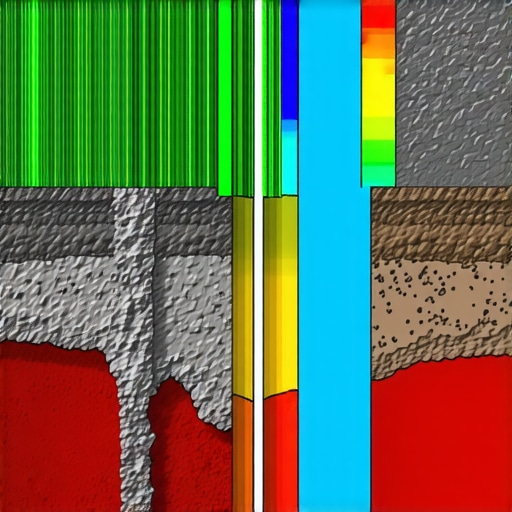
Illustration of a geotechnical survey deploying cone penetration testing to analyze soil stratification for precise groundwater management.
Advanced Technologies Shaping the Future of Groundwater Control in Hydrovac Excavation
Emerging innovations like adaptive membrane barriers, which dynamically respond to water pressure changes, and nanomaterial-enhanced sealing compounds promise to redefine dewatering robustness. These materials offer superior impermeability, corrosion resistance, and longevity compared to traditional options. Furthermore, the advent of autonomous drone inspections equipped with thermal and soil moisture sensors enables rapid assessment of large and complex trench networks, identifying leaks or saturation zones with high accuracy. Embracing these advancements requires an ongoing commitment to research and a willingness to incorporate cutting-edge solutions into existing workflows.
What are the operational challenges and regulatory considerations when deploying these advanced groundwater management technologies?
Implementing sophisticated systems often faces hurdles such as compatibility with existing infrastructure, high initial costs, and the need for specialized personnel training. Regulatory frameworks may also impose restrictions on sensor deployment, data privacy, and environmental impact assessments. For instance, local environmental agencies might require detailed impact statements when introducing autonomous monitoring devices or chemical stabilizers. Navigating these challenges demands a strategic approach involving stakeholder engagement, pilot project assessments, and adherence to the latest industry standards—such as those outlined in the National Ground Water Association’s guidelines. A proactive, compliant approach ensures technological integration enhances safety and efficiency without legal complications.
If your organization aims to stay at the forefront of groundwater management innovation, establishing collaborative research partnerships with universities or industry leaders can accelerate adoption and fine-tune application strategies. Engagement in professional forums and contribution to technical standards also serve to keep your expertise current and influential.
Continuing education and participation in certification programs focused on subsurface hydrology and environmental safety are vital. These platforms facilitate knowledge exchange, foster innovation, and reinforce your reputation as an industry leader dedicated to responsible, cutting-edge trenching practices.
Harnessing Subsurface Data to Revolutionize Dewatering Techniques
Unlocking the full potential of groundwater control begins with an intricate understanding of local geotechnical conditions. Techniques such as high-resolution seismic surveys and detailed stratigraphic profiling supply vital insights into subsurface heterogeneity, enabling tailored dewatering strategies that maximize efficiency while minimizing environmental disturbance. According to the Journal of Geotechnical Engineering, integrating advanced data acquisition into project planning can significantly reduce unforeseen water ingress challenges.
Innovative Materials Elevating Seal Integrity Under Extreme Conditions
Emerging materials like nanocomposite sealants demonstrate exceptional permeability resistance and durability, particularly in environments characterized by fluctuating pressures and chemical interactions. These substances, reinforced with hydrophobic nanoparticles, provide an impermeable barrier that adapts dynamically to operational stresses. Industry white papers highlight how such advancements decrease downtime and maintenance costs, offering a substantial upgrade over traditional sealing solutions.
Optimizing Pumping Architectures for Variable Hydrogeological Realities
Designing flexible dewatering systems capable of responding to transient water table fluctuations requires strategic placement of multiple wellpoints connected to variable-speed pumps. Incorporating real-time flow sensors that feed into adaptive control algorithms ensures a balance between resource consumption and water removal efficacy. This tailored approach diminishes over-pumping risks and preserves soil stability, especially in layered terrains with sharp permeability contrasts.
How Can Predictive Analytics Transform Groundwater Forecasting?
Predictive analytics harness comprehensive datasets—including rainfall forecasts, soil permeability metrics, and historical water table trends—to deliver high-fidelity water ingress predictions. Machine learning models trained on real-time sensor data enable proactive adjustments to dewatering operations, minimizing delays caused by unexpected saturation. An authoritative resource, the Water Technology Journal, emphasizes that integrating artificial intelligence into groundwater management becomes a game-changer in complex hydrovac projects.
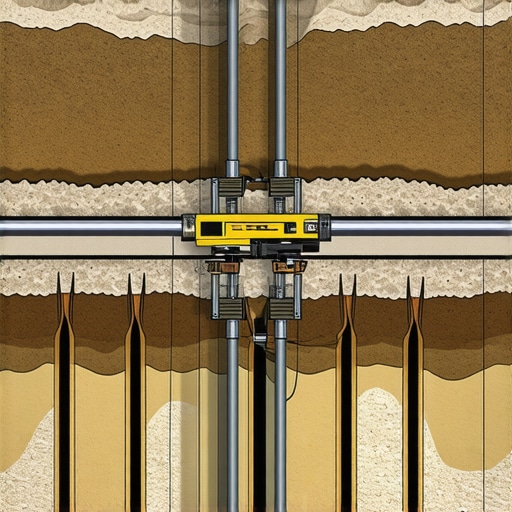
Diagram illustrating the integration of geotechnical survey data with predictive groundwater flow models for strategic dewatering planning.
Emerging Tech That Can Minimize Groundwater-Induced Trench Collapse
Autonomous robotic systems equipped with advanced geophysical sensors are poised to revolutionize site inspections, identifying weak zones prone to water-related instability before excavation begins. Coupled with smart membrane barriers capable of adjusting their permeability in response to pressure changes, these innovations promise a new level of safety and control. Industry case studies underscore how early detection and adaptive barrier systems substantially reduce the risk of trench failure under challenging hydrogeological conditions.
Why Soil Anisotropy Demands a Paradigm Shift in Dewatering Planning
Traditional models often overlook the directional differences in hydraulic conductivity, risking underestimating water flow pathways. Recognizing soil anisotropy, via advanced in-situ testing or geophysical imaging, informs the strategic positioning of extraction points and customization of pump operations. The Hydrogeology Society recommends integrating anisotropic parameters into simulation models to achieve precise control over dewatering efficacy and safeguard trench stability in complex terrains.
Synergizing IoT and Machine Learning for Dynamic Water Table Mastery
Deploying a network of IoT sensors that monitor soil moisture, water level, and pressure, feeding data into machine learning algorithms, facilitates continuous, adaptive management of groundwater. Such systems anticipate rising water levels, trigger preemptive pump adjustments, and forecast potential saturation scenarios before they materialize. This proactive stance not only enhances safety but also optimizes resource utilization, exemplifying a future-ready approach to groundwater stewardship in hydrovac trenching projects.
Expert Insights & Advanced Considerations
Adaptive Monitoring Systems Are Transforming Site Safety
Implementing real-time sensor arrays and machine learning analytics enables operators to anticipate water table shifts proactively, significantly reducing risks of trench failure and environmental impact.
Soil Heterogeneity Demands Customized Dewatering Approaches
Recognizing layered soil conditions through detailed geotechnical surveys allows for targeted dewatering techniques, optimizing resource use and trench stability across diverse terrains.
Emergence of Autonomous Inspection Technologies Enhances Precision
Robotic systems equipped with advanced geophysical sensors can identify vulnerabilities before excavation, facilitating preventative measures in complex hydrogeological settings.
Integration of Sustainable Materials Elevates Sealing Effectiveness
Nanomaterial-enhanced sealants and membranes provide durable, adaptable barriers against groundwater intrusion, extending equipment lifespan and environmental safety margins.
Embracing Predictive Modeling Sharpens Operational Foresight
Utilizing high-fidelity groundwater flow simulations and historical data analytics empowers teams to plan dewatering capacity precisely, avoiding costly surprises during deep trenching projects.
Curated Expert Resources
- USGS Water Resources Investigations Report: Offers comprehensive insights into groundwater modeling and monitoring techniques essential for professional groundwater management.
- Journal of Hydrology: Features cutting-edge research on soil hydrodynamics, anisotropic flow, and innovative dewatering methodologies.
- National Ground Water Association Guidelines: Provides standardized best practices for sustainable, compliant groundwater control in excavation projects.
- Industry White Papers on Vacuum Seal Technologies: Detail recent advancements in sealing solutions that mitigate groundwater incursion risks effectively.
- Geotechnical Engineering Case Studies: Present real-world applications of soil characterization and tailored dewatering strategies, illustrating successful innovations in complex conditions.
Final Expert Perspective
Mastering groundwater management within deep trenching demands a blend of pioneering technologies, tailored geotechnical insights, and adaptive control systems. Staying ahead involves embracing innovations like autonomous inspections and predictive analytics that redefine safety margins and operational efficiency. For professionals committed to excellence in hydrovac operations, continuous exploration of emerging methods and active participation in expert networks are vital. Dive deeper into specialized resources and contribute your insights to foster advancement in this critical domain—your expertise propels the industry forward.