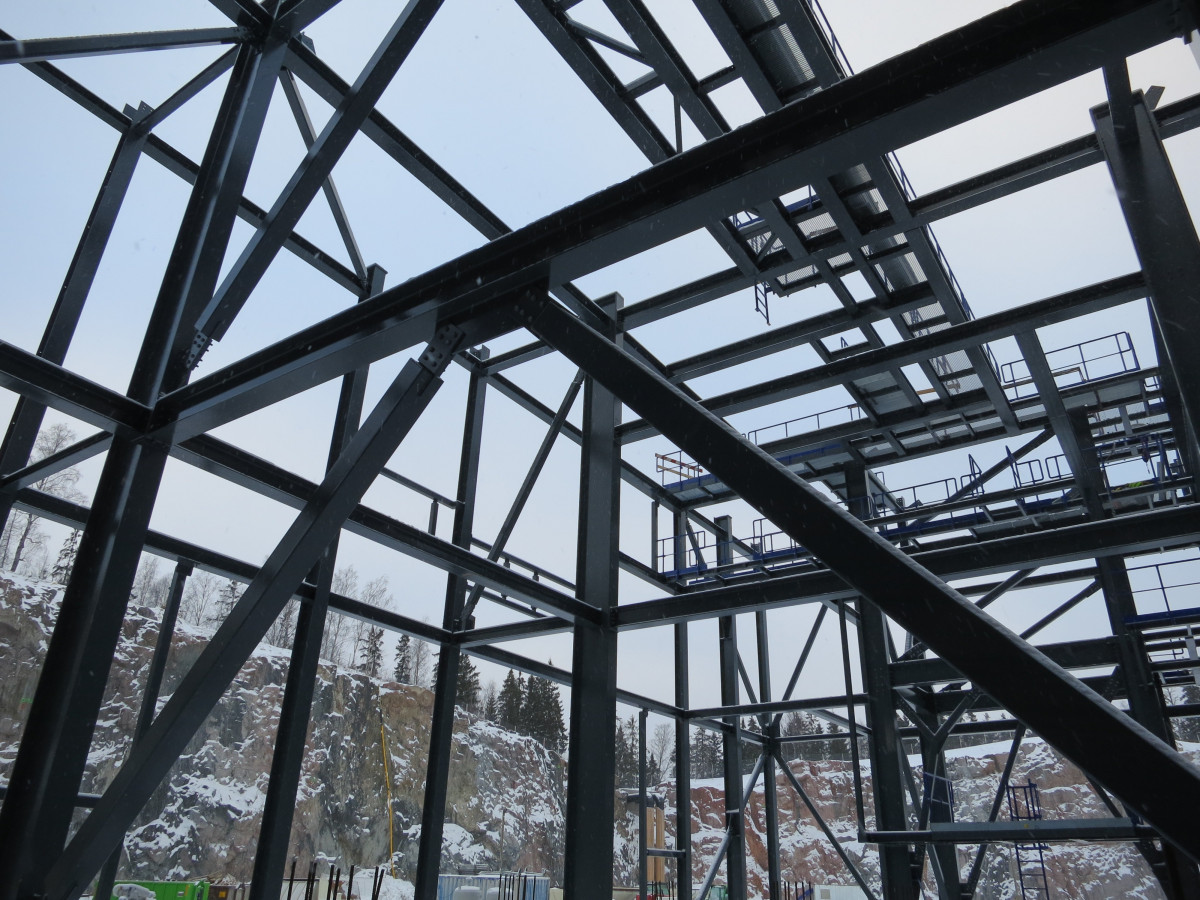

Best Trenching Techniques for Safe Construction in 2025
The Evolution of Trenching and Borehole Strategies in Modern Construction
As infrastructure demands become increasingly complex, the reliance on advanced trenching, borehole, and hydrovac excavation techniques has surged. These methods are crucial for ensuring safety, efficiency, and precision in underground site preparation. Industry experts recognize that integrating vacuum excavation with traditional trenching processes can significantly reduce risks associated with underground utility strikes and soil instability. Exploring these cutting-edge solutions is essential for professionals aiming to stay ahead in 2025 and beyond.
Why Traditional Methods Fall Short in Next-Generation Projects
Conventional trenching techniques often pose safety hazards, including inadvertent damage to existing underground utilities and soil collapse. Moreover, traditional methods can be time-consuming, disruptive, and environmentally taxing. In contrast, modern approaches such as hydrovac and vacuum excavation leverage high-pressure water or air to precisely expose underground utilities, minimizing surface disturbance. These innovations are supported by recent industry white papers, such as those discussed in the Hydrovac Vacuum Excavation Best Practices report, emphasizing safety and reliability.
Field-Tested Techniques for Reliable Site Preparation
Advanced trenching in 2025 integrates various strategies, including the use of hydrovacs for delicate environments and borehole drilling for data collection. Boreholes serve not only as pathways for utilities but also as diagnostic tools to assess soil composition and stability. Vacuum excavation, in particular, offers a controlled approach to expose underground infrastructure with minimal risk. For instance, hydro-vac systems utilize pressurized water to loosen soil, which is then safely vacuumed away, creating a clear, precise working area. These methods are backed by authoritative sources like the Hydrovac Borehole Strategies, which provide detailed insights into their application.
What Are the Key Factors That Make Vacuum Excavation Safer Than Mechanical Digging?
Vacuum excavation reduces the likelihood of utility strikes, soil destabilization, and environmental impact. Its precision allows for safer working conditions, especially in congested urban areas. Additionally, it enables quick assessment and adaptation during site development, fostering trustworthiness and efficiency. Experts in the field often recommend combining vacuum excavation with real-time utility locating technologies to enhance safety further.
For professionals seeking to optimize underground infrastructure projects, understanding the synergy between trenching, borehole, and hydrovac techniques is crucial. Exploring comprehensive solutions, such as those outlined in Streamlined Vacuum Excavation Strategies, can lead to safer, more reliable construction outcomes. As the industry evolves, adopting these innovative practices will be vital for maintaining safety standards and project success in 2025 and beyond.
Engage with expert content and contribute your insights to further refine these methodologies, ensuring that safety and efficiency remain at the forefront of underground construction technology.
Enhancing Precision with Cutting-Edge Vacuum Excavation Methods
As underground infrastructure projects grow more complex, the adoption of advanced vacuum excavation techniques is proving indispensable. These methods, such as hydro-vac systems, utilize high-pressure water and powerful vacuum technology to precisely expose utilities and soil layers, significantly reducing the risk of utility strikes and soil collapse. Industry leaders emphasize that integrating these innovative solutions with traditional trenching enhances safety and operational efficiency. For detailed insights into implementing these techniques, consult the Expert Vacuum Excavation Strategies guide, which underscores safety benefits and practical applications.
How Can Real-Time Data Transform Underground Site Safety?
Real-time data collection during trenching and borehole operations enables proactive decision-making, minimizing hazards associated with underground utility detection. Technologies such as ground-penetrating radar and advanced utility locators allow operators to visualize underground conditions dynamically, leading to more accurate excavation and less surface disruption. This proactive approach aligns with the latest industry standards, as outlined in the Efficient Vacuum Excavation Solutions report, which advocates for the integration of digital tools to bolster safety and efficiency.
Could AI-Powered Analytics Revolutionize Soil and Utility Prediction?
Emerging AI-driven analytics are beginning to offer predictive insights into soil behavior and underground utility locations, transforming traditional site assessment methods. By analyzing historical data, environmental conditions, and real-time sensor input, AI models can forecast potential hazards and optimize excavation strategies before work begins. This technology promises to elevate safety standards and reduce project delays, aligning with the future-focused strategies detailed in Effective Borehole Vacuum Strategies. Experts suggest that embracing AI integration now will provide a competitive edge in infrastructure development.
If you’re involved in underground construction, consider sharing your experiences with innovative trenching methods or exploring new safety technologies. Engaging with industry peers through comments or professional forums can provide practical insights and foster continuous improvement in this rapidly evolving field.
Harnessing Smart Technologies to Prevent Utility Strikes
Incorporating cutting-edge digital tools into trenching operations is no longer optional but essential for safety and efficiency. Ground-penetrating radar (GPR), electromagnetic utility locators, and 3D mapping software enable real-time visualization of underground utilities, which drastically reduces the chances of accidental strikes. These technologies can be integrated into a comprehensive safety protocol, providing a layered defense against unforeseen underground hazards. As per the recent industry white paper by the Geophysical Survey Association, combining GPR with AI-driven data analytics enhances predictive accuracy, allowing for preemptive adjustments in excavation plans.
Why AI-Driven Soil Analysis Can Save Projects and Lives
AI-powered soil analysis is rapidly transforming the way engineers assess site conditions before breaking ground. By analyzing vast datasets—including soil composition, moisture content, historical excavation data, and environmental factors—AI models can accurately predict soil stability and identify potential problem zones. This foresight allows for customized excavation techniques tailored to specific soil profiles, reducing collapse risks and environmental impact. According to research published in the Journal of Construction Engineering and Management, AI-driven predictive modeling enhances safety outcomes and operational efficiency, especially in complex urban environments.
What Are the Limitations of Current AI Soil Prediction Models, and How Can They Be Overcome?
While AI models hold tremendous promise, they are not infallible. Limitations include data quality, model generalization across diverse geological settings, and the need for extensive training datasets. Inaccurate predictions can lead to unsafe conditions or project delays. Overcoming these challenges requires continuous data collection, validation through field testing, and adaptive algorithms that learn from new inputs. Collaboration between geotechnical experts and AI developers is crucial to refine these tools and ensure they provide actionable, site-specific insights. For instance, integrating sensor networks that monitor soil behavior in real time can feed live data into AI systems, creating a dynamic feedback loop that enhances predictive accuracy.
Interested in pioneering safer, smarter underground construction? Stay engaged with industry innovations by subscribing to expert newsletters, participating in technical forums, or attending specialized conferences. These channels offer invaluable insights into emerging technologies and best practices that can elevate your project safety standards.
Integrating Vacuum Excavation with IoT for Next-Level Site Monitoring
Imagine a construction site where vacuum excavation systems are paired with Internet of Things (IoT) sensors, creating a network of smart devices that monitor soil and utility conditions continuously. These sensors can detect anomalies such as unexpected soil shifts or utility proximity breaches instantly, triggering automated alerts and adaptive responses. This proactive approach minimizes downtime and enhances safety. As detailed in the IoT Journal, integrating IoT with excavation technology not only improves hazard detection but also provides comprehensive data for post-project analysis, helping refine future strategies.

To visualize this futuristic site, imagine an array of compact sensors embedded in the ground, wirelessly transmitting data to a centralized control system, with real-time dashboards displaying soil stability metrics and utility locations. The fusion of these technologies signifies a paradigm shift in underground construction safety and precision.
Conclusion: Embrace Innovation to Lead the Industry
As underground construction projects grow more intricate, reliance on traditional methods becomes increasingly inadequate. Embracing advanced technologies such as AI-driven soil prediction, IoT-enabled monitoring, and integrated utility detection systems is critical for staying ahead. These innovations do not merely mitigate risks—they revolutionize how we approach underground site preparation, making it safer, faster, and more accurate. Industry leaders and professionals committed to continuous improvement should actively seek out these solutions, participate in knowledge-sharing platforms, and contribute to the evolution of best practices. The future of underground construction belongs to those willing to innovate and adapt.
Revolutionizing Utility Detection with Advanced Sensor Technologies
In the realm of underground construction, the integration of cutting-edge sensor networks with traditional trenching equipment is transforming safety protocols. Wireless sensor arrays capable of monitoring soil vibrations, moisture levels, and utility proximity in real-time enable engineers to identify potential hazards before excavation begins. This approach not only reduces utility strikes but also provides invaluable data for future project planning. Industry reports such as the one from the Geophysical Survey Association emphasize that combining these sensors with AI-driven analytics significantly enhances predictive accuracy, setting new standards for subterranean safety.
How Can Machine Learning Optimize Soil and Utility Mapping?
Machine learning algorithms analyze vast datasets collected from ground-penetrating radar, electromagnetic locators, and sensor networks to generate highly detailed underground maps. These systems can distinguish between different utility types, predict their exact locations, and assess soil stability with unprecedented precision. By continuously learning from new data, ML models refine their predictions, enabling proactive decision-making in complex urban environments. As outlined in the Journal of Construction Engineering and Management, this technological synergy reduces excavation risks and accelerates project timelines.
What Are the Challenges in Deploying AI for Utility Locating?
Despite its promise, deploying AI-driven systems faces obstacles such as data quality issues, the need for extensive training datasets, and integration complexities with existing infrastructure. Inaccurate data can lead to false positives or negatives, undermining safety efforts. Overcoming these hurdles requires rigorous validation, standardized data collection protocols, and collaborative development between AI specialists and geotechnical engineers. For example, deploying sensor networks that adapt dynamically to environmental changes can improve model robustness, as suggested by experts in geotechnical AI applications. Engaging with industry forums and pilot projects can accelerate adoption and refinement of these systems.
To stay at the forefront, professionals should explore emerging AI and sensor integration strategies by consulting resources like the IoT Journal and participate in specialized workshops that focus on AI in underground engineering.
Harnessing Digital Twins for Real-Time Excavation Management
Digital twin technology creates a virtual replica of the underground environment, allowing project managers to simulate excavation scenarios, predict utility interactions, and optimize trenching paths dynamically. When combined with IoT sensors and machine learning, digital twins enable continuous updates reflecting real-time soil and utility conditions, thereby minimizing unexpected surprises. According to recent studies in the Automation in Construction Journal, this integration enhances decision-making accuracy and significantly reduces costs associated with utility strikes and rework.

Visualize a site where a digital twin model displays live data streams, utility locations, and soil parameters, empowering engineers to make informed decisions instantaneously. This futuristic approach exemplifies the convergence of IoT, AI, and virtualization in underground construction safety and efficiency.
Maximize Safety with Augmented Reality and Real-Time Data
Augmented reality (AR) tools overlay underground utility maps onto physical sites, providing workers with a clear visualization of hidden infrastructure during excavation. When integrated with real-time sensor data and machine learning predictions, AR systems offer a powerful interface for hazard avoidance. This synergy allows trenching crews to adapt swiftly to unforeseen underground conditions, drastically lowering the risk of utility damage. Industry leaders recommend adopting AR solutions in tandem with digital twins and sensor networks to establish a comprehensive safety ecosystem, as highlighted in recent industry white papers from the Geophysical Survey Association.
Interested in pioneering the future of underground safety? Engage with the latest innovations by participating in specialized conferences, subscribing to expert newsletters, and collaborating with technology providers to customize these solutions for your projects.
Expert Insights & Advanced Considerations
Prioritize Integration of Digital Monitoring Systems
Incorporating IoT sensors and digital twins into trenching operations can dramatically improve real-time hazard detection and decision-making accuracy, reducing utility strikes and soil instability risks.
Emphasize Cross-Disciplinary Collaboration
Synergizing geotechnical expertise with AI and sensor technology specialists fosters innovative solutions tailored to complex underground environments, enhancing safety and efficiency.
Adopt Adaptive AI Models for Soil and Utility Prediction
Utilizing machine learning algorithms that continuously learn from new data enables more precise mapping and hazard anticipation, especially crucial in urban settings with dense underground networks.
Implement Layered Safety Protocols with Emerging Technologies
Combining traditional methods with advanced tools like ground-penetrating radar, electromagnetic locators, and augmented reality creates a comprehensive safety ecosystem that preemptively addresses underground risks.
Leverage Industry White Papers and Technical Reports
Regularly reviewing authoritative resources such as the Geophysical Survey Association white papers ensures practices stay aligned with the latest technological advancements and safety standards.
Curated Expert Resources
- Hydrovac Vacuum Excavation Best Practices – Offers detailed guidance on integrating vacuum excavation with traditional trenching for safer site preparation.
- AI and Sensor Technologies in Utility Detection – Provides insights into cutting-edge AI applications and sensor networks that enhance underground hazard prediction.
- Industry White Papers on Ground-Penetrating Radar – Critical for understanding the capabilities and limitations of underground utility detection tools.
- Digital Twin Implementation Guides – Explains how virtual modeling can optimize excavation planning and hazard mitigation.
- Augmented Reality in Construction – Demonstrates how AR overlays improve worker awareness and reduce accidents during underground work.
Final Expert Perspective
In the rapidly evolving landscape of underground construction, mastering advanced trenching, borehole, and hydrovac techniques is essential for safety and project success. The integration of digital monitoring, AI, and sensor technology not only revolutionizes hazard detection but also elevates industry standards. By embracing these innovations and engaging with authoritative resources, professionals can position themselves as leaders in this high-stakes domain. Your next project can benefit from these insights—consider sharing your experiences or exploring further to stay at the forefront of underground safety technology.
This post offers a thorough overview of how modern trenching techniques are advancing with the integration of innovative technologies like hydrovacs and AI analytics. From my experience on urban infrastructure projects, I’ve seen how the precision of vacuum excavation significantly reduces utility strikes and saves both time and costs. It’s encouraging to see such emphasis on combining digital tools like real-time data collection and IoT sensors for safer site operations. One challenge I’ve encountered is the initial setup cost for these advanced systems, but the safety and efficiency gains tend to outweigh the investment over time. I wonder, how are smaller firms or startups managing to incorporate these technologies without large-scale budgets? Are there scalable solutions or emerging technologies that help level the playing field? I believe that fostering collaboration across different industry sectors could accelerate adoption and innovation in this space.
This post provides a comprehensive look at the latest advancements in trenching and borehole strategies, which I find particularly relevant as we push for safer and more efficient construction practices. Having recently managed a project in a densely populated urban area, I can attest to the importance of integrating AI and IoT sensors for real-time site monitoring. Implementing digital twins, for example, significantly improved our decision-making process, minimizing unforeseen utility strikes. One thing I’ve noticed is that while larger companies are quick to adopt these technologies, smaller firms often face hurdles due to budget constraints. Are there emerging, cost-effective solutions tailored specifically for small-to-mid-sized contractors? Additionally, I’m curious how industry standards will evolve to accommodate these innovative approaches, especially in regulatory and safety protocols. Overall, embracing these technologies not only enhances safety but also streamlines project timelines, which is vital in today’s fast-paced construction environment.
The post provides a compelling overview of the shifting landscape in underground construction, especially emphasizing how innovations like vacuum excavation and AI are shaping safer practices. Having worked on projects that involve tight urban environments, I can definitely vouch for the safety benefits of these advanced methods. One thing I’ve been exploring recently is the integration of digital twins with real-time sensor data, which seems to offer promising results in predicting soil stability and avoiding utility strikes. I’ve encountered some resistance from management teams hesitant to invest in such technologies due to upfront costs, despite the long-term safety and efficiency benefits. Have any of you found effective strategies for convincing stakeholders to adopt these cutting-edge tools? Also, how are smaller firms managing to implement these innovations without huge budgets? It seems collaboration between larger and smaller companies could be key to broader adoption, but what are your thoughts or experiences on this? Looking forward to hearing everyone’s insights.